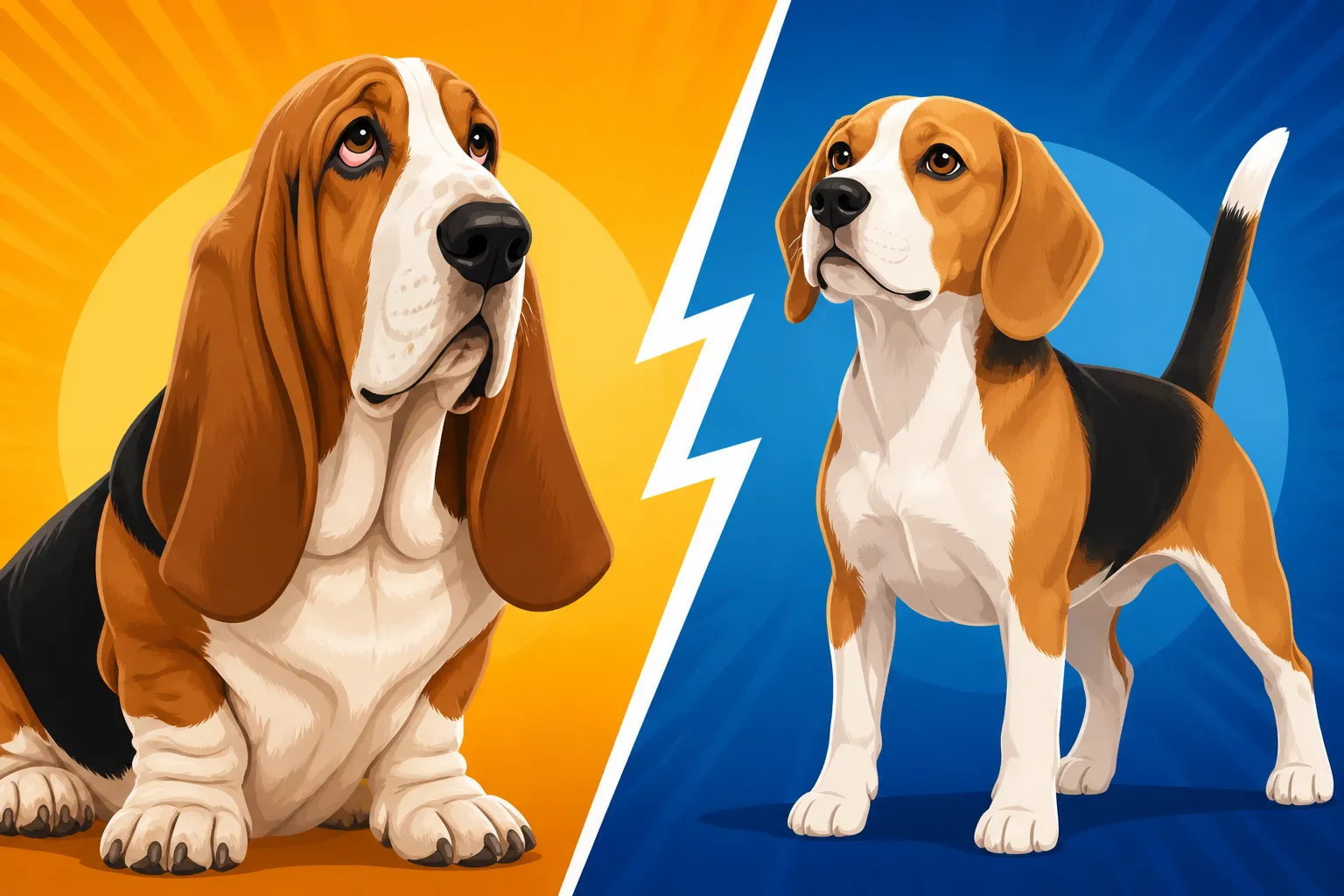
The Basset Hound Against the Beagle
So, you're standing at a crossroads, aren't you? You've got that picture in your head of a lovely, floppy-eared hound by your side, a dog with an incredible nose and a heart full of loyalty, but you're torn between the Basset Hound and the Beagle. It's a common dilemma, really, because on the surface, they share so much: those soulful eyes, that undeniable scent drive, and the classic hound bay. But delve a little deeper, and you’ll find two distinct personalities, each with their own quirks and charms that could make one a perfect fit for your life, and the other… well, perhaps a little more challenging. This guide is here to untangle those differences, helping you understand the nuances that separate these beloved breeds and discover which one truly sings to your soul and fits into your home.
Historical Roots and Purpose: A Tale of Two Hunting Styles
When you look at a Basset Hound and a Beagle, the first thing that strikes you is often their powerful noses and their hound-like appearance. Both are scent hounds, bred for tracking game, but their origins and the specific way they were intended to hunt created distinct physical and temperamental traits that persist today. Understanding their history is key to appreciating why they are the way they are.
The Noble Basset Hound's French Lineage
Imagine medieval France, vast forests, and hunters on foot or horseback. The Basset Hound, whose name literally comes from the French word "bas" meaning low, was specifically developed for hunters who wanted to follow the chase at a walking pace. They needed a dog with an extraordinary nose, low to the ground to pick up cold trails, and slow enough that a human could keep up without breaking a sweat. This wasn't about speed; it was about persistence and an unwavering focus on the scent. They weren't just following game; they were methodically unraveling a scent puzzle, often for hours on end. This breeding for a deliberate pace is why a Basset Hound today might decide a walk is over, simply by sitting down and refusing to budge. Their purpose wasn't to sprint; it was to endure. The original "Basset" was more a type of low-slung hound rather than a specific breed, with various regional variations eventually leading to the Basset Hound we know and love today. They were prized for their incredible noses and their booming, mournful bay, which allowed hunters to keep tabs on them even when out of sight in dense cover.
The Energetic Beagle's British Hunting Heritage
Cross the channel to England, and you find the Beagle, a breed with a slightly different hunting narrative. Beagles were also bred for hunting rabbits and hare, but often by foot packs, meaning groups of hunters would follow the dogs. While not as fast as some larger hounds, the Beagle needed agility and a good pace to navigate fields and woodlands. They were designed to work in a pack, communicating through their characteristic bay and being responsive enough to follow the lead of the hunt master. Their size made them practical for hunters on foot who might not have had horses, and their compact build allowed them to weave through underbrush with ease. The term "Beagle" may come from the Old French word "be'geule" which referred to the noise made by a dog, or perhaps a diminutive of "beag," a small, unimportant creature. This history as a keen, agile pack hunter helps explain why Beagles often thrive in multi-dog households and possess a lively energy that loves a good chase. They're built for action, even if it's just chasing squirrels in your backyard, and their determination to follow a scent is just as strong as a Basset's, but often with a bit more zest.
Physical Characteristics: More Than Just 'Hound'
While both breeds share the general "hound" look, their physical differences are quite striking and impact everything from their health to their daily care. It's not just about size; it's about the very structure they're built upon.
Size, Stature, and the Signature Ears
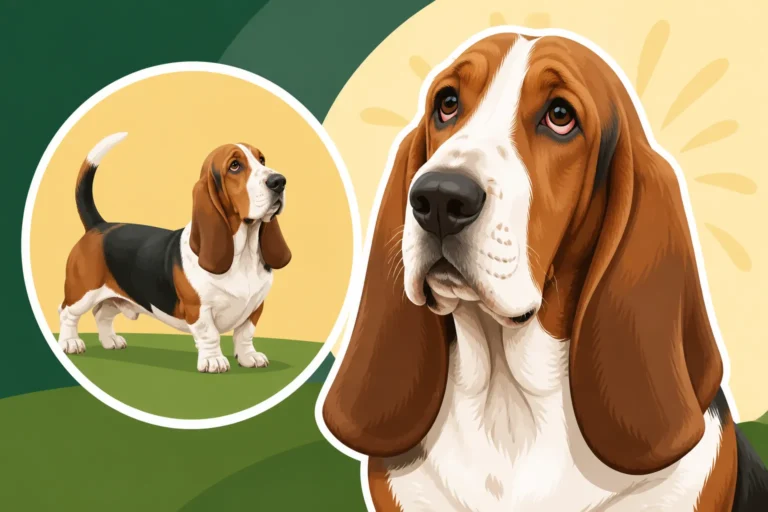
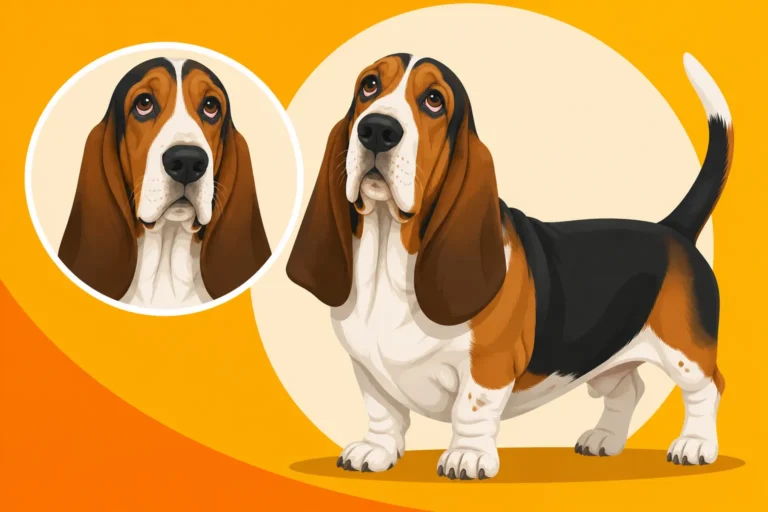
Let's talk about the most obvious differences. A Basset Hound is often described as a "big dog on short legs," and it's true! They are surprisingly heavy-boned and substantial for their height. Typically, a Basset Hound stands between 13 to 15 inches tall at the shoulder but can weigh a solid 40 to 65 pounds, sometimes even more. This low-slung, heavy build, combined with a long body, gives them a unique, almost lumbering gait. Their ears are legendary – long, velvety, and set low, often extending past their noses when pulled forward. These long ears are not just for show; they help sweep scents towards their powerful noses, enhancing their tracking ability. The loose skin, especially around their neck (the dewlap) and face, also plays a role in trapping scent, but it comes with its own set of care requirements, which we'll get into later. Whether a Basset Hound's Loose Skin Traps Scent
In contrast, the Beagle is a lighter, more athletic package. They come in two size varieties recognized by the AKC: under 13 inches at the shoulder, and between 13 and 15 inches. Their weight usually falls between 18 to 30 pounds, making them significantly lighter and more agile than a Basset. Their ears are also long and floppy, set low, but they don't have the exaggerated length or bulk of a Basset's. They are well-proportioned, giving them a sturdy yet nimble appearance. Think of the Beagle as a compact, active scent machine, ready to bound through the bushes, while the Basset is the slow, steady, scent-detecting tank.
Coat, Color, and Overall Appearance
Both Basset Hounds and Beagles boast short, dense, and weather-resistant coats that are relatively easy to care for, though they do shed. When it comes to color, both breeds have a wide array of options, but with some traditional variations. Basset Hounds are most commonly seen in tricolor (black, white, and tan), or bi-color (lemon and white, red and white). However, the breed standard allows for "any recognized hound color." You might see shades of mahogany, tan, and white, or even solid black and white. Their expressive, often slightly sad-looking eyes are deep-set, with a characteristic droop to the lower eyelid, which gives them that iconic mournful expression. This facial structure, however, can sometimes contribute to eye issues. Whether a Basset Hound's Eyes Should Show Haw
Beagles, too, are most famously tricolor (black, white, and tan), and come in lemon and white, red and white, and blue tick, among other hound colors. Their coats are generally smooth and lie flat. A classic Beagle's eyes are round and brown or hazel, giving them a bright, alert, and often mischievous expression. They don't typically have the same amount of loose skin around their eyes or face as Bassets, which can make their eye care slightly less involved, though both breeds benefit from regular checks. Their tails are usually carried gaily, upright with a slight curve, often tipped with white – a "flag" that helps hunters spot them in tall grass.
| Feature | Basset Hound | Beagle |
|---|---|---|
| Height (at shoulder) | 13-15 inches | Under 13 inches OR 13-15 inches |
| Weight | 40-65+ pounds | 18-30 pounds |
| Build | Heavy-boned, long body, low to ground | Muscular, compact, athletic |
| Ears | Very long, velvety, low-set, sweep scent | Long, floppy, low-set, not as exaggerated |
| Facial Skin | Loose, prominent dewlap, droopy eyes | Tighter skin, alert expression |
| Coat Type | Short, smooth, dense | Short, smooth, dense |
| Common Colors | Tri-color, lemon & white, red & white | Tri-color, lemon & white, red & white |
| Scent Drive | Extremely high, methodical | Extremely high, energetic |
| Vocalization | Deep, mournful bay, howling | Bay, howl, bark, often shriller |
| Exercise Needs | Moderate, consistent, slow-paced walks | High, energetic, loves to run |
| Stubbornness | High | Moderate to High |
| Shedding | Moderate | Moderate |
Temperament and Personality: A Tale of Two Hounds
Beyond their looks, the true heart of the comparison lies in their personalities. Both are hounds, yes, but their approaches to life, family, and training can be quite different.
Affectionate Companionship
Basset Hounds are, by and large, incredibly affectionate and gentle dogs. They are known for being devoted to their families, often forming strong bonds with every member. They love to be near their people, whether it's lounging on the sofa, following you from room to room, or gently nudging your hand for a pet. They are generally patient and tolerant, making them wonderful companions for children and often quite good with other pets. Their calm demeanor indoors makes them excellent lapdogs, despite their surprising weight. Don't be fooled by their mournful eyes; Bassets have a playful, clownish side, and they often enjoy a good rumble or a silly chase with a toy. Their affection isn't usually overwhelming; they're happy just to be in the same room, occasionally offering a soft sigh or leaning against your leg for comfort.
Beagles, on the other hand, are often described as cheerful, friendly, and outgoing. They are incredibly social dogs, thriving on interaction with their human families and often other canine companions. They tend to be enthusiastic in their affection, always ready for a game or a cuddle session. Beagles are generally very good with children, often having the energy to keep up with playtime. Because they were bred to work in packs, they typically get along well with other dogs, making them a popular choice for multi-dog households. However, their high sociability can sometimes manifest as separation anxiety if left alone for too long, as they truly crave companionship. If you're looking for an enthusiastic greeter and a lively companion, a Beagle might fit the bill.
The Independent Streak and Stubbornness
Here's where the hound nature truly shines, for better or worse. Both breeds possess a strong independent streak, a direct result of their scent-hunting heritage. When a scent hits their nose, the rest of the world, including your commands, often fades into the background.
Basset Hounds are renowned for their stubbornness. They have a mind of their own, and if they don't see the point in doing something, or if a more interesting scent has captured their attention, they will simply choose not to obey. This isn't malice; it's just pure, unadulterated Basset logic. They are perfectly content to lie down in the middle of a walk if they've decided they're done, or to ignore your call if they're hot on a trail. Patience, positive reinforcement, and a good sense of humor are absolute necessities when training a Basset. While they are intelligent, their intelligence is often channeled into figuring out how to get what they want, rather than pleasing you. Whether a Basset Hound Is Stubborn or Just Not Interested
Beagles also have a strong will and can be quite stubborn, especially when their nose is engaged. Their exuberance can sometimes be mistaken for an inability to focus, but like Bassets, they are intensely driven by scent. Once a Beagle picks up a trail, it can be incredibly difficult to redirect their attention. This means recall can be a major challenge, and off-leash excursions in unfenced areas are generally not recommended for either breed. Beagles, perhaps due to their pack mentality, can sometimes be a bit more amenable to training if you can make it fun and reward-based, but don't expect instant obedience. They are clever and can learn quickly, but only if you can out-compete the allure of an interesting smell.
Vocalizations: Bays, Barks, and Howls
Ah, the hound voice! This is another significant point of comparison, and one that potential owners must seriously consider, especially if living in close quarters.
Basset Hounds are famous for their deep, resonant bay. It's a mournful, drawn-out sound that carries far and wide. They often use this bay when tracking a scent, when they are excited, or when they feel lonely. They can also howl, a more melodious, almost operatic sound. While they aren't typically incessant barkers in the way some smaller breeds might be, their bay is substantial and can certainly get the attention of neighbors. If you're looking for a quiet companion, a Basset might not be your best bet, or you'll need to invest heavily in training a "quiet" cue from puppyhood. The Bay a Basset Hound Uses and the Neighbors Hear They'll also emit a variety of grumbles, groans, and sighs that are quite endearing to their owners but certainly add to the household soundscape.
Beagles are also very vocal hounds. They have a characteristic "bay" that is often higher-pitched and more energetic than a Basset's, but just as unmistakable. They will bark at strangers approaching the house, bay when they catch a scent, and often howl or "sing" when excited or lonely. Because they were bred to communicate with their pack and hunters, vocalization is deeply ingrained in their nature. They can be prone to excessive barking or howling if bored, under-exercised, or left alone for extended periods. Living with a Beagle means embracing the noise; it's a fundamental part of who they are. Whether a Basset Hound Bays Indoors Both breeds require owners who understand and tolerate hound vocalizations, or who are committed to consistent training to manage it.
Training and Intelligence: Scent-Driven Minds
When it comes to training, both Bassets and Beagles present unique challenges and rewards due to their incredible olfactory capabilities. It's less about raw intelligence and more about their inherent drives.
The Power of the Nose
This is the defining characteristic for both breeds. A Basset Hound's nose is said to be second only to a Bloodhound's in terms of capability. When that nose goes down, the world goes away. Their entire physical structure – the low-slung body, long ears, and dewlap – is designed to optimize scent detection and retention. This means that once they catch a scent, their focus is singular and intense. Trying to pull a Basset off a fresh trail is like trying to convince a teenager to put down their phone mid-scroll. It rarely ends well. This unwavering commitment to scent makes them phenomenal tracking dogs, but it also means that off-leash reliability is almost nonexistent in an unfenced area. The Nose That Puts a Basset Hound Second to a Bloodhound
Beagles also possess an extraordinary sense of smell, arguably on par with their Basset cousins for sheer detection power. They are equally, if not more, driven by their noses, often with a burst of energetic enthusiasm that can make them even harder to redirect than a Basset. A Beagle on a scent trail is a force of nature, often moving with surprising speed and agility, oblivious to traffic, boundaries, or your frantic calls. Their small size makes them adept at squeezing through gaps in fences, and their persistence means they'll dig under them if necessary. For both breeds, the world is a symphony of smells, and they are constantly listening to it. This means your training needs to be far more compelling than the most interesting scent in the neighborhood.
Motivation and Trainability
Training either a Basset Hound or a Beagle requires immense patience, consistency, and a deep understanding of what truly motivates them. Conventional obedience can be a slow, often humorous, process.
For Basset Hounds, food is often king. They are highly food-motivated, which can be both a blessing and a curse. High-value treats are your best friend, but even then, a particularly interesting scent might still override the promise of a delicious morsel. They tend to learn at their own pace, and what they learned yesterday might seem like entirely new information today. Short, positive, and engaging training sessions are far more effective than long, repetitive ones. Avoid harsh corrections, as Bassets are sensitive souls and can become shut down or even more stubborn. Instead, focus on making training a game where they feel like they're choosing to participate. Consider scent work games, puzzle toys, and enrichment activities that tap into their natural instincts, like those available on Chewy, as a way to engage their minds. What Actually Motivates a Basset Hound
Beagles, too, are highly food-motivated, but their energetic nature means they can sometimes be more enthusiastic participants in training, as long as it's fun and keeps their attention. They respond very well to positive reinforcement and can excel in activities like agility (though adjusted for their build), obedience, and especially nose work. The challenge with Beagles is often their boundless energy and their short attention spans when something more interesting (read: smelly) comes along. Consistency is paramount, and early socialization and puppy classes are highly recommended to help them focus and learn manners. They thrive on routine and clear expectations.
House Training and Crate Acclimation
Both breeds can be a bit of a challenge when it comes to house training, but not for lack of intelligence. It often boils down to their independent nature and sometimes, simply not wanting to go out in the rain.
Basset Hounds can take longer to house train than some other breeds. They can be a bit lazy about going outside if the weather isn't appealing, or they might get distracted by a scent on the way out and forget their original mission. Establishing a consistent schedule, frequent potty breaks, and immediate rewards for outdoor success are crucial. Crate training is highly recommended for Basset puppies; it provides a safe den and helps with house training by tapping into their natural desire to keep their sleeping area clean. However, they can still be vocal in their crates if they feel lonely or bored. How Long a Basset Hound Puppy Takes to House Train
Beagles, while often very clean dogs by nature, can also have a stubborn streak regarding house training. Their high energy means they need frequent trips outside, and if they're not fully supervised indoors, accidents can happen quickly when their scent drive kicks in. Like Bassets, crate training is an invaluable tool for Beagles, providing a secure space and aiding in house-training efforts. Their tendency towards vocalization, however, means a crated Beagle might bay or howl if they feel neglected or hear interesting sounds outside. Consistent positive reinforcement and a strict schedule are the best approaches for both these intelligent, yet often single-minded, hounds.
Exercise Needs and Lifestyle Compatibility
This is another area where the differences between these two breeds become quite pronounced, directly impacting what kind of home and routine they thrive in.
Daily Activity Requirements
Don't let the Basset Hound's leisurely gait fool you; they do require regular exercise to stay healthy and prevent obesity, which is a common issue for the breed. However, their exercise needs are moderate compared to many active breeds. They enjoy a good, long sniff-walk (at least 30-60 minutes daily), where they can really use their nose to explore. Brisk walks are good for their joints and overall fitness, but they are not built for running or intense, high-impact activities. Over-exercising a Basset puppy can be detrimental to their developing joints. Remember, their historical purpose was to follow a trail slowly. Short bursts of playtime in a secure yard are also appreciated. The key is consistency, preventing them from becoming couch potatoes, which they are very good at. Whether a Basset Hound Needs Any Real Exercise
Beagles, on the other hand, are significantly more energetic. They were bred for endurance and speed in the field, and they retain that drive. A Beagle needs a good hour or more of vigorous exercise daily. This could include long walks, running in a securely fenced yard, hiking, or playing fetch. They thrive on activity and mental stimulation. A bored Beagle is often a destructive Beagle, using their energy to bark, chew, or dig. If you're an active person who enjoys outdoor adventures, a Beagle might be a fantastic partner. However, if your idea of exercise is a stroll around the block, a Beagle might quickly become frustrated and develop behavioral issues. Their energy levels mean they need outlets for both their physical stamina and their incredible scent drive.
Living with Children and Other Pets
Both Basset Hounds and Beagles are generally known for being good family dogs, but their approaches to living with children and other animals can differ slightly due to their inherent temperaments.
Basset Hounds typically have a calm, patient, and tolerant nature that makes them excellent companions for children of all ages. They are not usually prone to snapping or being easily flustered by the rambunctious energy of kids. Their sturdy build means they can withstand a certain amount of accidental bumps and tumbles. However, due to their size and weight, supervision is always essential, especially with very young children, to ensure neither the dog nor the child gets accidentally hurt. Bassets often get along famously with other dogs and can even coexist peacefully with cats, particularly if introduced properly and raised together. Their low prey drive compared to some other hounds makes them a more relaxed choice for homes with smaller pets, though individual personalities always vary. A Basset Hound in a House With Children
Beagles are also wonderful with children, often matching their energy and enthusiasm for play. They are generally friendly, forgiving, and robust enough to handle the usual antics of a busy household. Their pack mentality often means they love being part of a lively family unit. Just like Bassets, supervision is important to teach both dog and child respectful interaction. Beagles generally thrive in multi-dog households and enjoy the companionship of other canines. However, their higher prey drive, honed from generations of hunting small game, means they might view cats or other small pocket pets as something to chase. Careful, slow introductions are necessary if you have non-canine pets, and even then, their instinctual drive may prove too strong for a harmonious co-existence with certain animals.
Apartment vs. House Living
Choosing between these breeds also means considering your living situation and available space.
A Basset Hound can absolutely adapt to apartment living, provided their exercise and mental stimulation needs are met. While they have a strong scent drive that needs an outlet, they are largely calm and sedentary indoors. Their moderate exercise requirements mean that daily walks are sufficient, and they don't necessarily need a sprawling backyard to burn off steam (though a secure yard is a huge bonus for scent work and potty breaks). The main considerations for apartment dwellers are managing their vocalizations, as their bay carries, and being prepared to navigate stairs for their long, heavy bodies. Ramps or assisting them up and down stairs can be crucial for preventing back issues. Whether a Basset Hound Suits an Apartment
A Beagle, while smaller, often requires more space and definitely more vigorous activity. While they can live in an apartment, it requires an extremely committed owner who can provide ample daily exercise, including long walks, runs, and mental games, regardless of weather. Without sufficient activity, a Beagle can become bored, destructive, and noisy, making them less suitable for apartment life and close neighbors. A securely fenced yard is highly recommended for Beagles, as it allows them to run, play, and follow scents safely. Their vocal nature can also be a significant issue in shared-wall living situations. Ultimately, both breeds need devoted owners, but a Beagle's energy demands are generally higher and more insistent.
Health Concerns and Lifespan: Common Ailments
Both Basset Hounds and Beagles are generally robust breeds, but like all purebred dogs, they are prone to certain genetic health issues due to their unique conformations. Understanding these can help you be a responsible owner and prepare for potential veterinary needs.
Ear and Eye Predispositions
The most iconic features of both breeds – their ears and eyes – are often sources of common health issues.
Basset Hounds, with their incredibly long, floppy ears, are highly susceptible to ear infections. Their ears trap moisture, dirt, and debris, creating a warm, dark, and humid environment that is perfect for bacteria and yeast to flourish. Regular and meticulous ear cleaning is not just recommended; it's a non-negotiable part of Basset ownership. Why a Basset Hound's Ear Canal Never Dries Ignoring ear care can lead to chronic infections, pain, and in severe cases, even require surgery. Their droopy eyelids can also lead to eye problems like entropion (eyelid rolling inward) or ectropion (eyelid rolling outward), which can cause irritation, infections, and even damage to the cornea. They are also prone to glaucoma, a painful condition that can lead to blindness if not managed. The Glaucoma a Basset Hound Inherits
Beagles also have floppy ears, which, while not as exaggerated as a Basset's, still make them prone to ear infections. Regular cleaning and checking are essential to prevent issues. Their eyes are generally less prone to the structural issues seen in Bassets, but they can still develop conditions such as cherry eye (prolapse of the third eyelid gland) and glaucoma, though perhaps not with the same prevalence as Bassets. Both breeds can also develop other common eye conditions like cataracts.
Skeletal and Weight Issues
The unique skeletal structure of both breeds, particularly the Basset Hound, can predispose them to certain orthopedic problems.
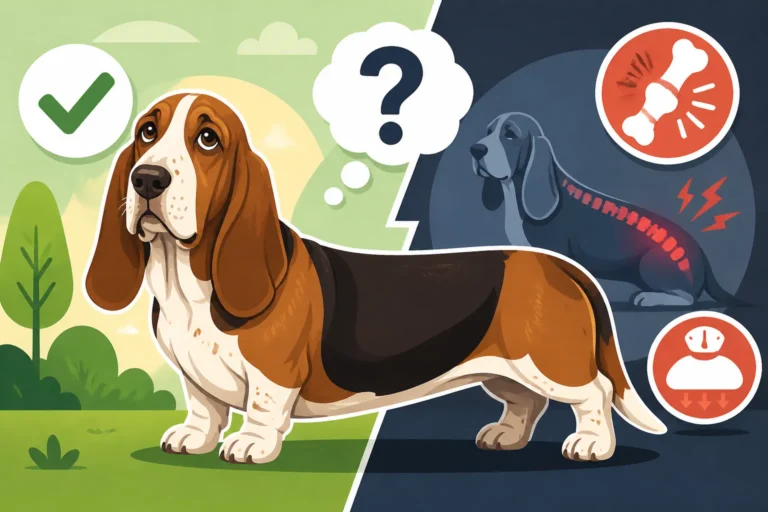
Basset Hounds are chondrodystrophic breeds, meaning they have disproportionately short limbs due to a genetic condition affecting cartilage and bone growth. This body type, while charming, puts significant stress on their spine and joints. They are highly susceptible to Intervertebral Disc Disease (IVDD), where the discs in their spine degenerate and can rupture, leading to pain, nerve damage, and even paralysis. Owners must be vigilant about preventing jumping on and off furniture, using ramps, and maintaining a healthy weight. The Back Trouble a Basset Hound Is Built Into Elbow dysplasia and hip dysplasia can also occur, though perhaps less frequently than IVDD. Their tendency to be food motivated, combined with lower exercise needs, makes them very prone to obesity, which exacerbates all these skeletal issues. What Extra Weight Does to a Basset Hound
Beagles, while more athletically built, can also be prone to hip dysplasia and elbow dysplasia, especially if not from health-tested lines. Their energetic nature can sometimes lead to injuries if they're too rambunctious, but generally, their spinal health is less of a concern than with Bassets. Like Bassets, Beagles are notorious for loving food and can become overweight easily if not managed, which strains their joints and overall health. Monitoring their diet and providing adequate exercise is crucial for both breeds. Both breeds can also be prone to conditions like hypothyroidism.
Lifespan and Overall Robustness
In terms of overall lifespan, both breeds tend to live relatively long, healthy lives if properly cared for.
Basset Hounds typically live between 10 to 12 years. Their general robustness can be hindered by the common issues mentioned above, particularly chronic ear infections, spinal problems, and obesity. Diligent preventative care, a proper diet, and a watchful eye for any changes in mobility or behavior can help them live a full, comfortable life. Early detection and management of conditions like glaucoma or IVDD can significantly improve their quality of life. The Ten to Twelve Years a Basset Hound Lives
Beagles generally have a lifespan of 10 to 15 years, sometimes even longer. They are known for being quite hardy little dogs. Their most common health concerns tend to be related to their ears, eyes, and weight management. With proper nutrition, regular exercise, and routine veterinary care, many Beagles enjoy a long and active life. Regular check-ups and staying on top of preventative care like flea, tick, and heartworm medication (which you can easily find on Chewy) are important for both breeds.
Grooming and Care Requirements
Taking care of either a Basset Hound or a Beagle involves specific routines, particularly concerning their coats, ears, and overall hygiene. While neither is a high-maintenance grooming breed, their unique physical traits demand attention.
Coat Maintenance and Shedding
Both breeds have short, dense coats that are relatively easy to care for but do shed year-round, with heavier shedding seasons.
A Basset Hound's short, smooth coat needs weekly brushing with a rubber curry brush or a shedding blade to remove loose hair and distribute natural oils. While their coat is short, their sheer volume of fur means they can still leave a fair amount of hair around the house. They don't require professional grooming, but occasional bathing (every 4-6 weeks or as needed) will keep them clean and their coat healthy. Be prepared for a significant clean-up operation after a bath, as their loose skin and heavy frame can make drying a challenge! How Much Hair a Basset Hound Leaves on Furniture
Beagles also have a short, dense, water-resistant double coat that sheds moderately year-round. Weekly brushing with a rubber grooming mitt or a slicker brush is usually sufficient to manage shedding and keep their coat in good condition. Like Bassets, they don't typically need professional grooming, and baths can be given as needed, perhaps every month or two. Both breeds benefit from regular brushing to keep their skin healthy and minimize dander, which can be helpful if anyone in the household has mild allergies.
Ear, Eye, and Fold Care
This is where the Basset Hound's care requirements truly distinguish them.
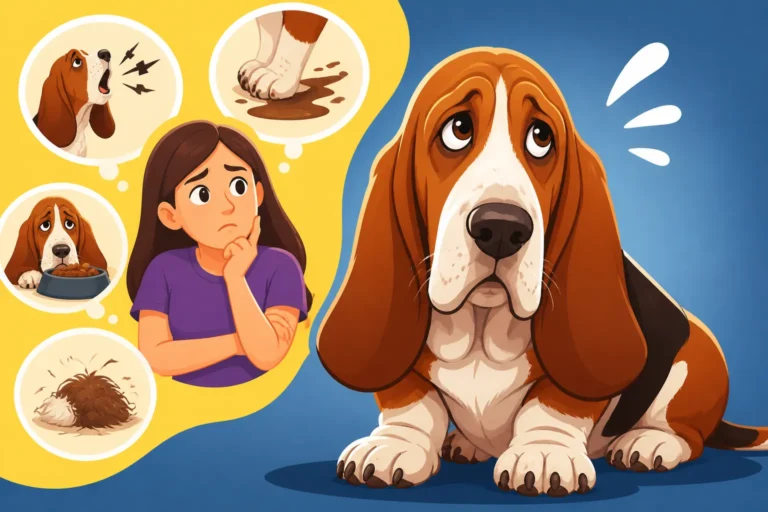
For Basset Hounds, ear care is paramount. Their long, pendulous ears create a perfect environment for moisture and debris, leading to chronic ear infections. You should plan on cleaning their ears at least twice a week, and sometimes more frequently if they've been swimming or playing in wet environments. Use a veterinarian-approved ear cleaner and soft cotton balls – never cotton swabs deep inside the canal. You’ll need to gently lift the ear flap, wipe away any visible dirt or wax, and make sure the ear is thoroughly dried. Beyond the ears, their facial folds and dewlap also need attention. Food and drool can get trapped in these folds, leading to skin irritation and infections. Daily wiping of their face and chin, especially after meals, is a good habit. The Twice Weekly Ear Ritual a Basset Hound Owner Signs Up For Their droopy eyes might also accumulate discharge, requiring gentle cleaning with a damp cloth.
Beagles also need regular ear checks and cleaning, perhaps once a week or every other week, depending on the individual dog and their activities. While their ears aren't as massive as a Basset's, they are still floppy and can trap moisture. Use the same gentle cleaning method. Beagles typically have tighter facial skin, so they generally don't require the same level of facial fold care as Bassets, making their daily routine a bit simpler in this regard. Their eyes usually stay clean with minimal intervention.
Nail Trims and Dental Hygiene
These are universal needs for both breeds, but with some specific considerations.
For both Basset Hounds and Beagles, regular nail trims are essential. Because both breeds have robust bone structure and can be prone to joint issues (especially the Basset), long nails can negatively impact their gait, cause pain, and exacerbate orthopedic problems. Aim to trim their nails every 2-4 weeks. If you hear their nails clicking on the floor, they're too long. Starting nail trims early in puppyhood and making it a positive experience with treats (again, Chewy has some great options!) can make this a much easier task throughout their lives. Looking After a Basset Hound's Feet and Nails
Dental hygiene is also critical for both breeds. Like many dogs, they are prone to dental disease. Daily tooth brushing with dog-specific toothpaste is ideal, but if that’s not feasible, regular dental chews, water additives, and professional dental cleanings at the vet are highly recommended. Poor dental health can lead to more serious systemic health issues, so it's an important part of their overall care.
The Verdict: Which Hound is Right for You?
So, after all this, how do you decide between these two wonderful, yet distinctly different, hound breeds? It really boils down to your lifestyle, expectations, and how much you're willing to embrace the unique challenges and joys each breed brings.
Best Fit for a Basset Hound
A Basset Hound might be your ideal companion if you:
- Appreciate a calm, mellow indoor presence: You love a dog that enjoys lounging on the sofa as much as you do.
- Are seeking an incredibly affectionate and gentle family member: You want a dog that's patient with children and generally tolerant of other pets.
- Have a good sense of humor and immense patience for training: You understand that "stubborn" isn't a flaw but a feature, and you're prepared for slow, consistent, reward-based training.
- Are committed to meticulous ear care and preventative joint health: You're ready to make ear cleaning a regular ritual and take steps to protect their back and joints.
- Have a securely fenced yard (or are committed to leashed walks): You understand that their nose will lead them astray, and off-leash freedom isn't a safe option.
- Can handle their vocalizations: You don't mind a deep, soulful bay and occasional howls.
- Are prepared for the potential vet bills associated with their unique structure: You're financially ready for potential spinal or ear issues. Insuring a Basset Hound Against Eyes, Ears and Backs
If you're looking for a dog that will be your devoted, sometimes silly, companion and you can appreciate their deliberate pace and independent spirit, the Basset Hound offers a unique charm that's hard to resist.
Best Fit for a Beagle
A Beagle might be the perfect addition to your home if you:
- Lead an active lifestyle and want an energetic companion: You enjoy long walks, runs, hikes, and can provide ample daily exercise.
- Desire a cheerful, outgoing, and highly social dog: You love a dog that's enthusiastic about everyone and everything.
- Are ready for a highly food-motivated and clever, but still scent-driven, training partner: You can make training fun and engaging, and you’re prepared to compete with the allure of a good scent.
- Are prepared for a vocal dog: Their bay, bark, and howl are part of their charm, but also a constant presence.
- Have a securely fenced yard that's truly escape-proof: A Beagle will test every weak spot in your fence.
- Want a dog that thrives in a multi-dog household or loves canine companionship.
- Are prepared to manage their high prey drive, especially around smaller pets.
If you're looking for an active, merry, and endlessly curious companion who will keep you on your toes and bring boundless joy to your family, the Beagle is an excellent choice.
Considerations for Multi-Dog Households
Both breeds generally get along well with other dogs, given their pack instincts. A Basset Hound's calm demeanor often makes them adaptable to existing canine residents. A Beagle often thrives with another dog to play with, which can also help alleviate potential separation anxiety. However, consider the energy levels – a high-energy Beagle might overwhelm a more sedate Basset, or vice-versa. Compatibility is key.
Ultimately, both the Basset Hound and the Beagle are delightful, scent-driven dogs with hearts of gold. Your choice will depend on whether you prefer the relaxed, ponderous loyalty of the Basset or the energetic, cheerful exuberance of the Beagle. Either way, you'll be welcoming a truly special hound into your life.
Disclaimer
This article is for general informational purposes only and does not constitute professional advice. Laws, prices and regulations vary by location and change over time. Consult a qualified professional for guidance on your specific situation.