Whether a Basset Hound’s Low Height Helps It Trail
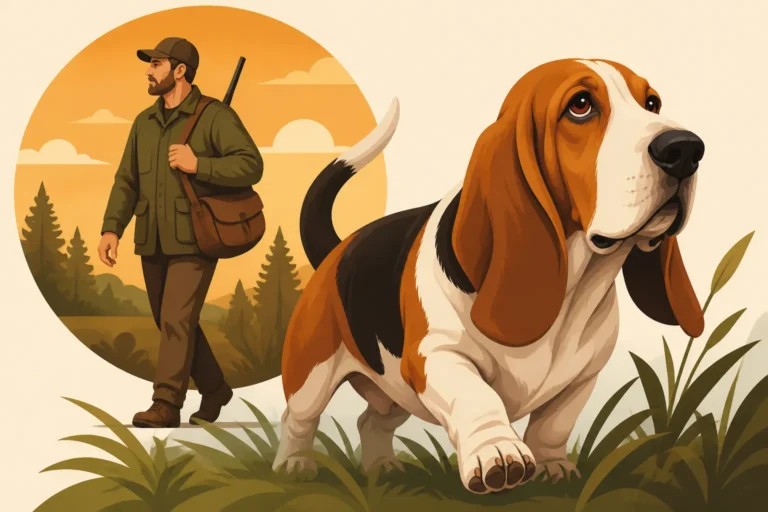
One of the most common questions I hear from folks considering a Basset Hound, or even those who already share their lives with one of these wonderfully unique dogs, is about their build. It’s hard not to look at those famously short, crooked legs and that long, low body and wonder, how on earth does that help them do anything active? Many assume such a low profile would be a hindrance, making them slow or clumsy. But believe me, when it comes to following a scent trail, a Basset Hound’s low height isn’t just a quirk; it’s a masterstroke of canine engineering designed specifically for unparalleled trailing ability. This guide will walk you through exactly why being so close to the ground is a Basset's superpower in the world of scent.
The Basset Hound's Ground-Hugging Advantage
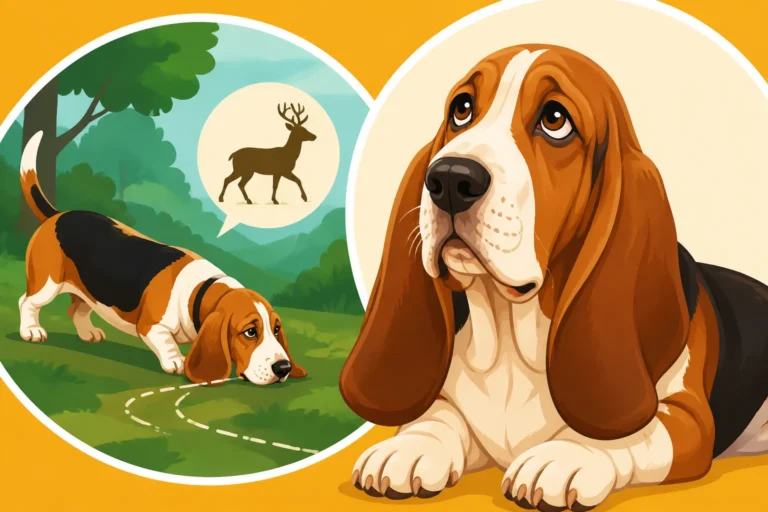
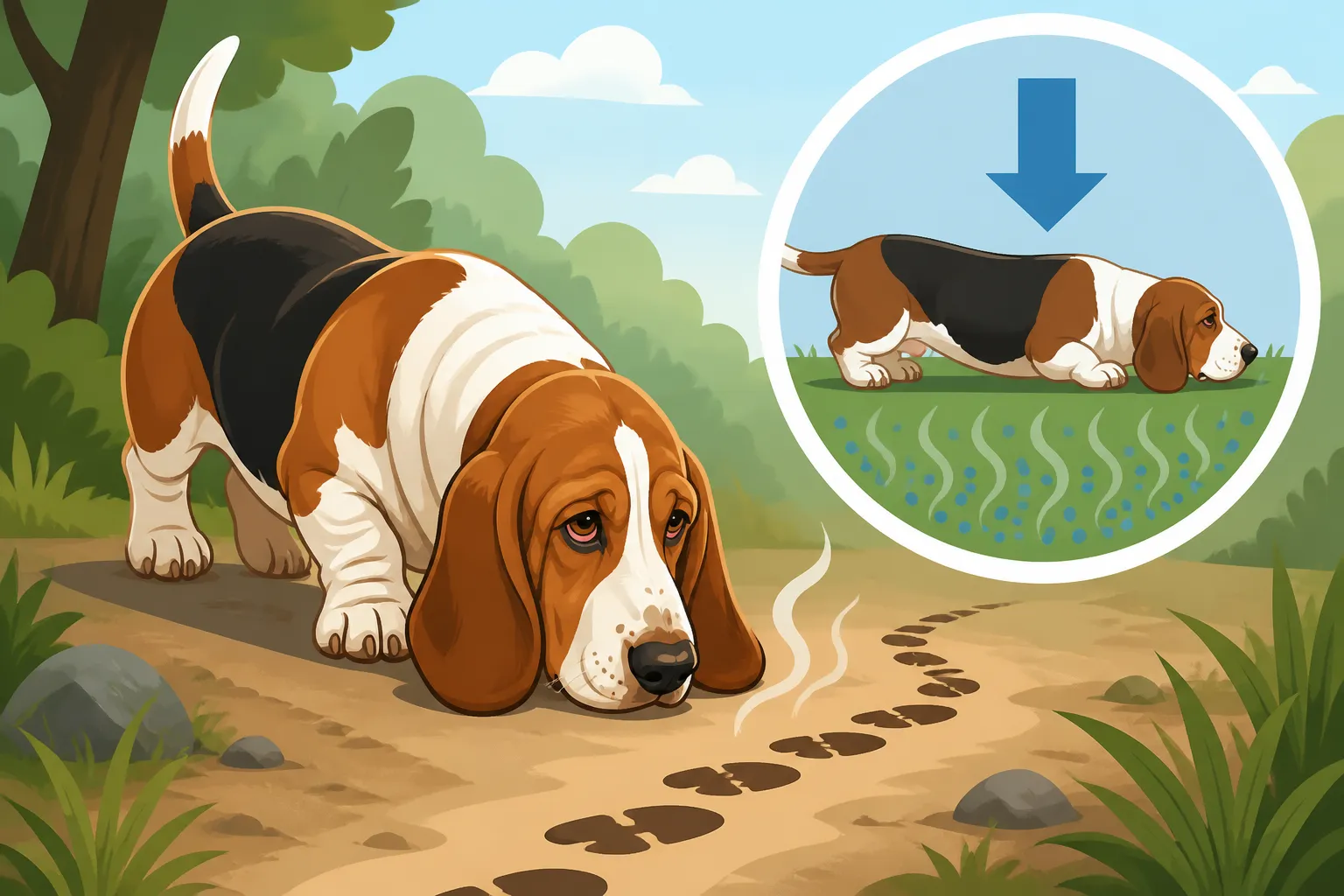
When you see a Basset Hound with its nose glued to the ground, moving at its own deliberate pace, you're witnessing generations of selective breeding at work. Their entire physical structure, from nose to tail, is optimized for one primary purpose: tracking scent trails that are literally on the ground. Unlike some other hounds who might pick up airborne scents, the Basset is a dedicated ground-scenter, and its low height is absolutely critical to this specialization.
Imagine trying to follow a faint trail of perfume spilled on a carpet. If you're standing upright, the scent disperses, and you might miss it entirely. But if you get down on your hands and knees, nose to the fibers, you'll pick up every nuance. That's essentially what a Basset Hound is doing, but with a degree of natural precision that's truly astonishing. Their short legs mean their powerful nose is consistently just inches from the surface, whether it's grass, concrete, or dense underbrush. This constant, close contact allows them to discern even the most subtle and aged scent molecules, creating an almost unbroken sensory connection to the trail they're following.
Furthermore, being so low to the ground provides incredible stability. Think about a dog that's much taller, like a Labrador or a German Shepherd, trying to navigate uneven terrain with its nose down. They'd constantly be bobbing up and down, potentially lifting their nose off the crucial scent path. A Basset Hound, however, maintains a remarkably consistent distance to the ground. This steady, low posture minimizes disruption to their olfactory focus, allowing them to remain locked onto a scent for extended periods without interruption. It's not about speed, it's about unwavering persistence and precision.
How Physical Traits Enhance Low-Scenting
It's not just the legs; the Basset Hound's low height works in perfect harmony with a suite of other exaggerated features, all contributing to its legendary scenting prowess. It's a whole package deal, and the low stature is the foundation upon which these other traits build.
Sweeping and Trapping Scent with Ears and Dewlap
Those magnificent long ears, which often drag along the ground as they work, aren't just for show. As the Basset moves, these heavy, pendulous ears act like brooms, sweeping scent particles from the ground up towards their nose. This action concentrates the scent directly into their nasal passages, intensifying the information their brain receives. At the same time, the deep folds of skin around their neck, known as the dewlap, also play a role. They can help to trap and hold scent around their face, creating a localized "scent bubble" that further enhances their ability to analyze the trail. When you combine this sweeping and trapping mechanism with a dog whose nose is already naturally positioned right at ground level, you get an incredibly efficient scent-detection machine. Their low height ensures these features are always precisely where they need to be to perform their function. Why a Basset Hound's Ears Help It Smell and What a Basset Hound's Dewlap Is For delves into these aspects even more deeply.
Unwavering Focus and Methodical Progress
Because their nose is so close to the ground, a Basset Hound can dedicate its entire being to the task of following a scent. They're not scanning the horizon or looking for visual cues; they are immersed in a world of pure olfaction. This intense focus, combined with their low center of gravity, allows them to move deliberately and methodically, deciphering every twist and turn of a trail. They are built for endurance over speed, tracing every single step of a scent path rather than making quick, speculative jumps. This isn't a dog that's going to quickly dash through a field; it’s going to carefully, painstakingly, and completely track whatever has passed by. Their unique body shape is fundamentally suited to this kind of slow, precise, ground-bound work. As anyone who's tried to call a Basset off a particularly interesting smell knows, once their nose is engaged, the rest of the world simply fades away. Whether a Basset Hound Trails With Its Nose on the Ground illustrates this dedication perfectly.
Navigating the World from Down Low
While their low height is an undeniable asset for scenting, it also dictates how Basset Hounds interact with their environment and presents a few unique considerations for their human companions. Understanding these aspects helps us appreciate their specialized design even more.
Overcoming Obstacles and Maintaining the Trail
You might think that being so low to the ground would make it difficult for a Basset to get around, but it's quite the opposite in many natural environments. Their short, powerful legs, combined with their heavy bone structure, allow them to push through dense undergrowth, briar patches, and low-lying bushes that might impede a taller dog. They can duck under obstacles that others would have to jump over, staying consistently on the ground-level scent. This resilience is a testament to their heritage as hunting hounds, originally used to track game like rabbits and hares in thick cover.
However, this design does mean they're more susceptible to certain environmental factors. Their bellies and long ears are constantly sweeping the ground, picking up not just scent, but also mud, burrs, stickers, and debris. This means routine grooming, including checking their ears and paw pads, is essential to keep them comfortable and healthy. Similarly, being so close to the ground can make them more prone to overheating on hot pavement or in direct sunlight, as they absorb more radiant heat from the surface. Always be mindful of the weather, especially during summer walks, and ensure they have access to shade and water. You might find a good selection of durable grooming tools or cooling mats available at retailers like Chewy to help manage these practicalities.
The Leash is a Lifeline
Given their unparalleled dedication to following a scent trail, a Basset Hound's low height and powerful nose mean that off-leash adventures are almost always a recipe for a lost dog. Once they lock onto a scent, their selective hearing kicks in, and the world outside that scent trail ceases to exist. Their ancestors were bred to follow a scent for miles, often out of sight and hearing of their human companions, baying loudly to signal their location. That instinct is still incredibly strong in today's Basset Hounds.
This isn't stubbornness; it's instinct. It’s their brain fulfilling its primary directive. Therefore, a secure leash or a long line in a safe, contained area is absolutely non-negotiable for their safety. Their unique build, while perfect for trailing, means they aren't built for speed or quick evasive maneuvers in traffic. Respecting their powerful drive to follow a scent, and understanding that their low height is integral to that drive, is crucial for responsible ownership. Whether a Basset Hound Should Ever Be Off Leash is a must-read for any Basset owner.
Basset Hounds vs. Other Scent Hounds: A Comparison of Height
The world of scent hounds is diverse, and while many breeds possess excellent noses, the Basset Hound's approach to trailing is heavily influenced by its unique low-slung build. Comparing them to other hounds helps highlight just how specialized their design is.
| Breed | Typical Height (at shoulder) | Primary Scenting Style | Impact of Height on Scenting |
|---|---|---|---|
| Basset Hound | 12-15 inches | Ground-scenting, persistent, methodical | Nose consistently inches from the ground, maximizing contact with scent particles. Ears/dewlap sweep scent. |
| Bloodhound | 23-27 inches | Ground-scenting, but also excellent air-scenting | Taller, can track with nose lower to ground but also pick up airborne particles more readily. |
| Beagle | 13-16 inches | Ground-scenting, energetic, faster paced | Similar low height for ground work, but generally more agile and less heavy-boned than a Basset. |
| Dachshund | 8-9 inches (Standard) | Ground-scenting, tenacious (originally badger hunting) | Even lower to the ground, excellent for tight spaces, but less sweeping action than a Basset's ears. |
| Foxhound | 21-25 inches | Primarily air-scenting, fast pursuit | Taller build favors speed and covering large distances, often tracking with nose up in the air. |
As you can see from the table, while other hounds are certainly proficient at scent work, the Basset Hound's height is at the extreme low end, making them master specialists of the ground trail. A Bloodhound, while possessing an incredible nose, also has the height to lift its head and sample airborne scent cones, allowing for a different style of tracking, often over larger areas. The Beagle shares some of the Basset's ground-scenting tendencies but is generally more agile and covers ground more quickly.
The Basset Hound's relatively short stature isn't just a byproduct of its breed development; it was intentionally cultivated for a specific hunting style. They were bred to be followed on foot, meaning a slower, more deliberate hound was desired, one that wouldn't outpace its human companions. Their low center of gravity and strong, heavy bone structure enable them to maintain this slow, steady, and incredibly thorough pace. This specialized anatomy is part of why they can excel in activities like Whether a Basset Hound Can Do Tracking Trials, showcasing their inherent abilities.
Practicalities of a Low-Riding Lifestyle
Living with a Basset Hound means embracing their low stature and the unique needs that come with it. It's a trade-off: unparalleled scenting ability for a lifestyle that requires a bit more thoughtful management from their human family.
Firstly, think about accessibility around your home. Their low height makes jumping onto furniture, or even up and down stairs, much harder and potentially dangerous for their long backs. Consider investing in ramps or steps, especially for access to sofas or beds if you allow them on furniture. Keeping a Basset Hound Off the Furniture It Should Not Jump From is a critical article for preventing injuries. Similarly, getting in and out of cars can be a challenge, and a ramp for vehicle access can save both your back and theirs. Products from brands like Chewy often include a variety of pet ramps that cater to different needs and sizes, which can be a real lifesaver for a Basset owner.
Beyond physical access, their proximity to the ground means they'll likely track in more dirt, leaves, and other outdoor treasures. Regular wiping of their paws and belly after walks can become part of your routine. Their long ears, a boon for scenting, can also drag through their food and water bowls, necessitating special bowls or snoods to keep them clean and dry. Whether a Basset Hound's Ears Drag Through Its Food offers some great solutions for this common problem.
Ultimately, a Basset Hound's low height is not a flaw or a design error; it's a defining characteristic that underpins their remarkable talent for trailing. It’s what makes them such diligent, focused, and utterly charming scent hounds. Embracing and understanding this aspect of their physical design is key to appreciating and caring for these wonderful dogs.
Disclaimer
This article is for general informational purposes only and does not constitute professional advice. Laws, prices and regulations vary by location and change over time. Consult a qualified professional for guidance on your specific situation.