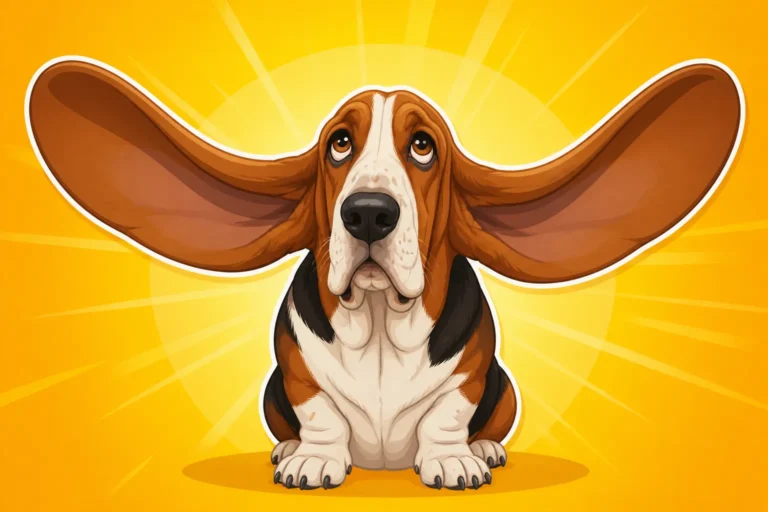
Whether Show and Field Basset Hounds Differ
One of the biggest head-scratchers for new Basset Hound enthusiasts, and even some seasoned owners, is understanding the subtle yet significant differences between Basset Hounds bred for the show ring and those bred for the field. You might see two Bassets and wonder why one looks a bit more "extreme" with super long ears and tons of wrinkles, while the other seems a touch leaner and more agile. This guide is here to unravel that mystery, explaining how their original purpose influenced their development and how those distinctions still play out today.
The Ancestral Trail: Basset Hound Origins
To really grasp why "show" and "field" Basset Hounds might look and act a bit differently, we have to travel back in time to their roots. These aren't differences that suddenly appeared overnight; they're the result of centuries of selective breeding driven by very specific goals.
Origins as a Hunting Dog
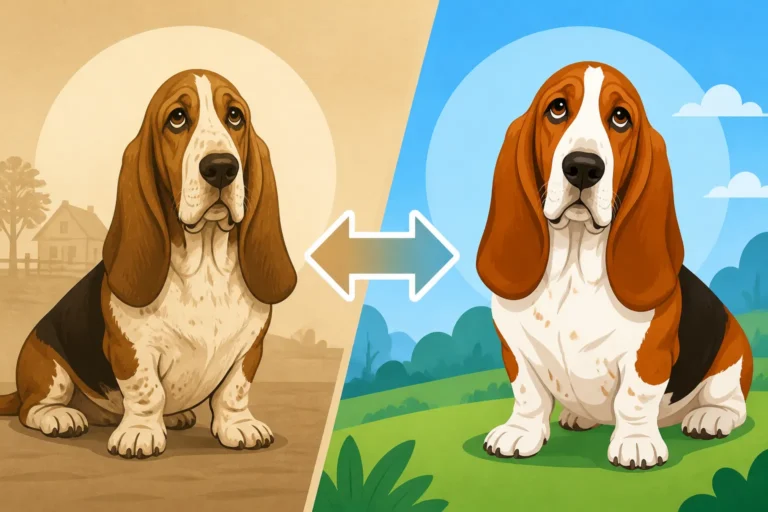
The Basset Hound, as we know it, wasn't originally conceived to grace a velvet pillow or parade around a show ring. Far from it! These dogs were painstakingly developed for one purpose and one purpose only: hunting. Specifically, they were bred to track game, like rabbits and even wild boar, through dense undergrowth where taller hounds might struggle. Their low-slung bodies, incredible noses, and distinctive bay allowed hunters on foot to follow them through challenging terrain without getting left behind. This was a practical, working dog, where every physical trait served a function in the field. The idea was to create a canine companion that was both methodical and relentless on a scent, making it easier for hunters to keep up and locate their quarry. Their unique build, including those famously short legs, was a deliberate design choice, allowing them to follow a trail closer to the ground, concentrating scent. Whether the Basset Hound Started in France
The French Influence and Early Development
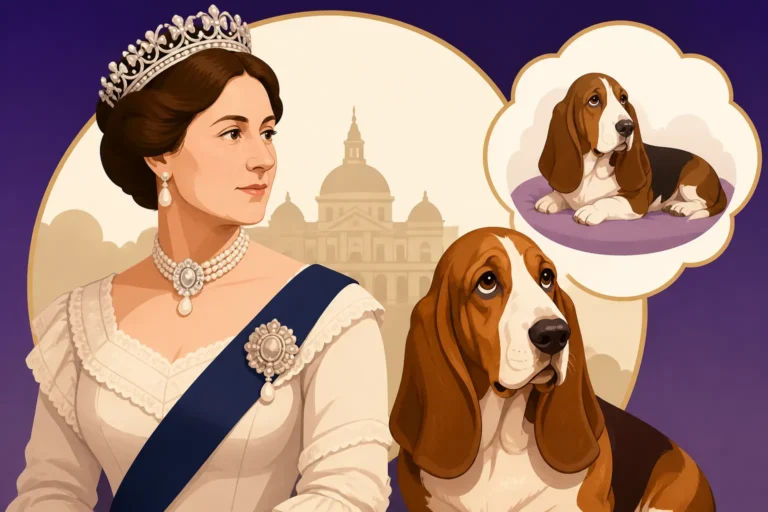
The story of the Basset Hound really blossoms in France, where the term "basset" simply means "low" – a clear nod to their defining characteristic. During the 16th century, French monasteries, particularly the Abbey of St. Hubert, were instrumental in developing various scent hounds. These early Bassets were cherished by French aristocrats who enjoyed hunting on horseback, but they also appealed to commoners who hunted on foot. As hunting became more accessible to those without horses, the demand for a slower, more deliberate hound that could be easily followed increased. Over generations, breeders focused on enhancing traits crucial for trailing, such as their unparalleled sense of smell, their stamina for long hunts, and their characteristic, mournful bay that would carry across the fields. This led to a variety of "basset" types, each with slightly different characteristics, before the modern Basset Hound began to solidify as a distinct breed, eventually making its way to other parts of the world. The Abbey Hounds a Basset Hound Descends From
Unpacking the "Show" Basset Hound
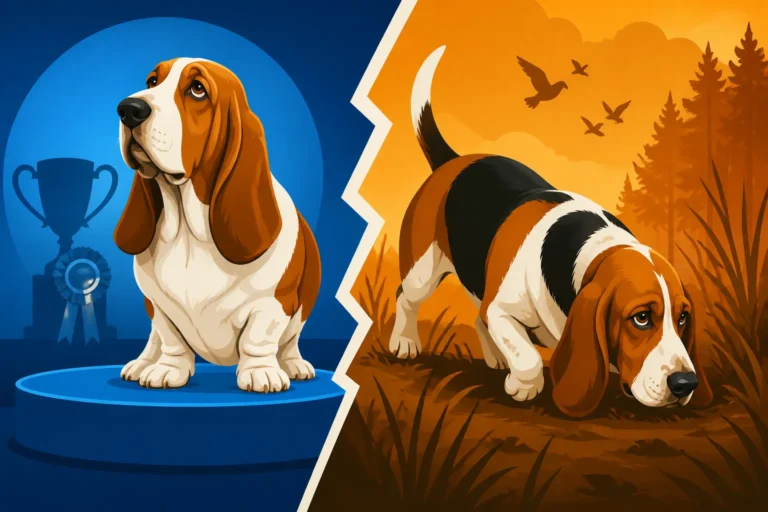
When you picture a Basset Hound in your mind, chances are you're envisioning the "show" type. These are the dogs that compete in conformation events, judged on how closely they adhere to a written breed standard. This standard, set by kennel clubs, describes the ideal Basset Hound, and over time, interpretations of this standard have led to some very distinct physical traits.
Conformation and Breed Standards
Show Basset Hounds are bred to excel in the conformation ring. This means their structure, movement, coat, and overall appearance are carefully scrutinized against a detailed breed standard established by organizations like the American Kennel Club (AKC) or the Kennel Club in the UK. Judges are looking for an animal that embodies the "type" – that classic Basset Hound silhouette. Every aspect, from the length of their ears to the amount of loose skin on their face and neck, the heaviness of their bone, and even the "turn-out" of their front feet, is evaluated. Breeders of show lines are aiming to produce dogs that perfectly match this blueprint, often prioritizing aesthetic qualities that, while beautiful, might not always align with peak athletic performance. The focus is on consistency and adherence to what the standard describes as ideal, often leading to a magnificent, albeit sometimes exaggerated, interpretation of the breed.
The Emphasis on Exaggerated Traits
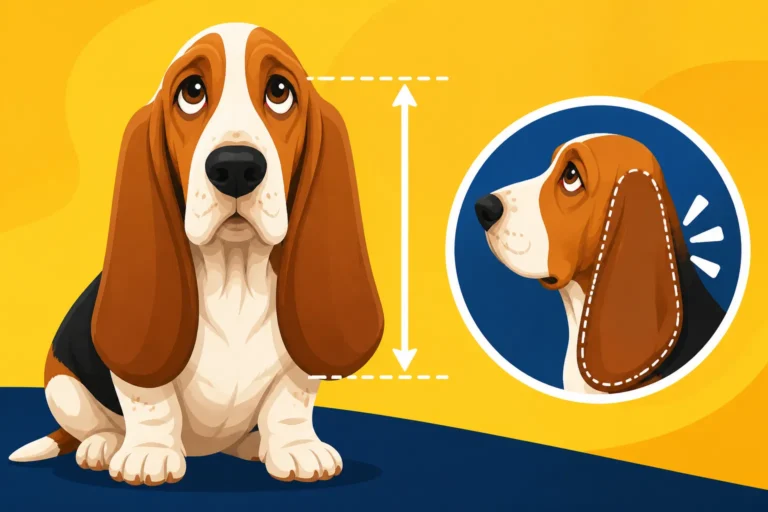
One of the most noticeable aspects of show Basset Hounds is the emphasis on certain exaggerated traits. Think about those incredibly long, velvety ears that practically sweep the floor, or the abundant loose skin, often referred to as "wrinkle," around their face, neck (the dewlap), and even on their legs. Their heavy bone structure and deep chests also stand out, giving them a very substantial, almost ponderous appearance. While these traits are part of the breed's charm and certainly contribute to their distinctive look, they are often pushed to the extreme in show lines. For instance, while a working Basset would certainly have long ears to help funnel scent, a show Basset's ears might be so long they become prone to ear infections or injury. Similarly, while loose skin can help trap scent, excessive skin can lead to dermatological issues or obscure their eyes. These features are beloved by many, but it's important to recognize that they are a product of selective breeding for a specific aesthetic. The Twelve Inch Ears a Basset Hound Was Given on Purpose
Lifestyle and Temperament of Show Lines
The typical show Basset Hound, even if not actively campaigned, often comes from a lineage where companion life is prioritized. They are usually bred for a calm, amiable temperament, making them wonderful family pets. While they retain their strong scenting instincts, they might not possess the same relentless drive or stamina for hours of trailing that a field Basset would. Their exercise needs, while still present, might be more moderate; a good stroll around the neighborhood or some playtime in a securely fenced yard is often sufficient. They tend to be very devoted and affectionate, often happiest lounging on a comfy bed or sofa, occasionally rousing themselves for a good sniff in the garden. Owners of show-bred Bassets often remark on their laid-back nature and their talent for napping. However, don't let their mellow demeanor fool you entirely; that famous Basset stubbornness and a nose that can lead them astray are still very much part of their DNA.
Exploring the "Field" Basset Hound
On the flip side, we have the "field" Basset Hound, also known as a working Basset or a hunting Basset. These dogs are bred primarily for their ability to perform the job they were originally created for: tracking game. While they still must conform to the basic tenets of the breed standard, their breeders prioritize functional traits over purely aesthetic ones.
Function Over Form: Prioritizing Working Ability
For breeders of field Basset Hounds, the ultimate goal is performance. They want a dog that can effectively follow a scent trail, often for long periods and over varied terrain. This means that traits like a powerful nose, endurance, intelligence, and a strong prey drive take precedence. While appearance still plays a role, it's always secondary to functionality. A field Basset might have slightly shorter ears, less excessive skin, or a leaner build if those characteristics aid in their ability to work. They are bred to be robust, agile, and able to withstand the rigors of a day out hunting. Their conformation is geared towards efficient movement and sustained effort, rather than the static beauty of a show pose. This dedication to purpose often results in a dog that is less prone to certain physical exaggerations that can hinder a working life.
Physical Differences in Working Dogs
When you compare a field Basset to a show Basset side-by-side, you'll often notice distinct physical variations. Field Bassets tend to be a bit more athletic in their build. Their legs might appear slightly longer in proportion to their body, allowing for more agile movement and less chance of their belly dragging in rough terrain. Their ears, while still long and low-set, might not be as excessively lengthy as those seen in the show ring, making them less prone to being stepped on or injured in brambles. You might also notice less loose skin on their face and neck, reducing the risk of skin fold infections or eye issues, and allowing for clearer vision when working. Their bone structure, while still substantial, may be slightly less massive, contributing to a more efficient gait and better stamina. These subtle differences are not about being "less Basset," but about being more functional for their intended role.
Drive, Instinct, and Stamina
The defining characteristic of a field Basset Hound is their profound drive and instinct for tracking. When their nose hits a scent, it's like a switch flips; they become utterly focused and relentless. Their stamina is impressive, allowing them to follow a trail for hours on end, often covering significant distances. This innate drive means they require substantial mental and physical stimulation. Simply letting them out in the yard for a few minutes won't cut it. They thrive on activities that engage their powerful nose, such as scent work, tracking trials, or actual hunting. While a show Basset might enjoy a casual sniff, a field Basset needs to work its nose. This intense focus on scent can also translate into the infamous Basset "selective hearing" when they're on a trail – a trait that can be both endearing and frustrating for owners! Why a Basset Hound Stops Hearing You When It Smells Something
Key Differences in Appearance and Build
While both show and field Bassets are unmistakably Basset Hounds, their subtle differences in appearance and build are fascinating, each reflecting the priorities of their respective breeding programs. These aren't just aesthetic quirks; they often have practical implications for the dog's daily life and health.
Body Structure and Movement
Let's talk structure. A show Basset Hound is often bred for a very heavy, substantial frame. You'll see a deep, wide chest, significant bone, and a long, low body. Their front legs often exhibit a pronounced "turn-out" of the feet, which is considered characteristic in the show ring. While this build looks impressive when standing still or moving slowly, it can sometimes lead to a somewhat ponderous gait. The sheer mass can put more stress on joints, and their low clearance can mean their belly drags in snow or tall grass.
Field Bassets, on the other hand, tend to have a more functional, athletic structure. They might appear slightly "lighter" in bone and muscle, though still solid. Their bodies are built for endurance and efficiency of movement across varied terrain. While they still possess the characteristic short legs, they might have a bit more ground clearance, making them less prone to getting stuck or dragging. Their feet might be straighter, designed for better traction and agility during a chase. Essentially, one is bred for the beauty of form, the other for the grace of function, even if that grace is a low-slung, determined waddle. Whether the Basset Hound's Body Length Is a Welfare Problem
Ear Length and Facial Features
The ears are perhaps the most iconic feature of the Basset Hound, and they serve as a prime example of show vs. field differences. Show Bassets are celebrated for their incredibly long, flowing ears that can often reach well past their nose, sometimes even touching the ground. This length is a highly prized trait in the conformation ring. Along with the long ears, show Bassets typically have more pronounced facial wrinkles and a heavier dewlap, the loose skin under their chin. These features create that wonderfully sad, droopy expression we all love.
Field Bassets also have long ears, because long ears are crucial for stirring up and funneling scent towards their powerful noses. However, their ears might be slightly less extreme in length, perhaps stopping around the tip of their nose or just a bit beyond. This slightly shorter length helps prevent tears and injuries when they're working through brush. Similarly, while field Bassets will have some facial skin and a dewlap, it's generally less excessive than their show-bred counterparts, reducing the chance of skin fold infections or conditions like entropion (eyelids rolling inward) or ectropion (eyelids rolling outward) that can sometimes plague dogs with exaggerated facial structure.
Coat and Skin Differences
While both types of Basset Hounds have short, dense coats, the amount of loose skin (often called "wrinkle") can vary noticeably. Show Bassets frequently display an abundance of loose skin across their forehead, around their eyes, and along their neck and body. This adds to their distinctive, somewhat solemn appearance and is a hallmark in the show ring. While this skin is soft and expressive, it does require diligent care to prevent moisture and debris from accumulating in the folds, which can lead to skin fold infections. Regular cleaning and drying, perhaps with specialized wipes available at places like Chewy, is often essential. Cleaning the Folds a Basset Hound's Face Is Made Of
Field Bassets tend to have less pronounced wrinkling. They still possess that characteristic loose skin that aids in scent retention, but it’s typically not to the same exaggerated degree. This can make them a bit easier to care for in terms of skin health, as there are fewer deep folds where moisture and bacteria can gather. Their coats are designed to be weather-resistant and protective as they move through various environments, and while they still shed, their less voluminous skin doesn't add extra hiding places for burrs or dirt. Ultimately, the difference reflects a balance between the breed's historical function and the aesthetic preferences of modern show standards.
Temperament and Behavioral Nuances
Beyond their physical appearance, show and field Basset Hounds can exhibit some interesting differences in temperament and behavior, largely due to the selective pressures of their breeding. It's not to say one is "better" than the other, but rather that their innate drives might be directed in slightly different ways.
Prey Drive and Scenting Instinct
This is where the divergence can be most striking. All Basset Hounds possess an incredible nose and an innate drive to follow scent. However, in field lines, this prey drive and scenting instinct are often far more intense and persistent. A field Basset is bred to lock onto a scent and follow it with unwavering determination, often ignoring all else around them. This means that off-leash reliability is practically non-existent in most field-bred Bassets, as their nose will always win out over your voice. They live to track, and without an outlet for this instinct, they can become frustrated or find their own "work," which might involve tunneling under fences or escaping the yard to follow an enticing trail.
Show Bassets, while still possessing a strong scent drive, might have a slightly less obsessive focus. They enjoy sniffing around the yard or on walks, and they'll certainly follow an interesting scent, but they might be a little more amenable to being called away (especially if a treat is involved!). Their prey drive might be present, but it's often not as all-consuming as in a true working line. For a pet owner, this can mean a more manageable daily existence, though vigilance regarding secure fencing and leash walks is still paramount for any Basset Hound. Whether a Basset Hound Should Ever Be Off Leash
Trainability and Basset "Stubbornness"
Ah, the legendary Basset Hound stubbornness! This trait is often perceived differently between the two lines. In show Bassets, this "stubbornness" often manifests as a strong will and a preference for doing things on their own terms, especially if they don't see the immediate benefit of a command. They might take longer to learn new cues, and repetition with high-value rewards is key. They are certainly trainable, but they require patience, consistency, and a sense of humor from their owners. They respond best to positive reinforcement and gentle guidance.
Field Bassets, on the other hand, might appear "stubborn" when they are fully engrossed in a scent. It's not that they're choosing to disobey; it's that their hardwired instinct to track overrides almost everything else. When they're not on a scent, they can be incredibly intelligent and eager to please, especially if the training involves their nose or food. Their training might be more focused on channeling their natural instincts into appropriate outlets, rather than trying to suppress them entirely. For instance, teaching a reliable "come" might be a lifelong endeavor, and even then, it's never guaranteed when a hot trail is present. Whether a Basset Hound Is Stubborn or Just Not Interested
Energy Levels and Exercise Needs
You might think that all Basset Hounds are lazy couch potatoes, but this is another area where show and field lines can differ. Show Bassets, with their heavier build and often more sedentary lineage, typically have moderate exercise needs. A couple of leisurely walks a day, combined with some pottering in the yard, is often enough to keep them happy and healthy. They're usually quite content to spend a good portion of their day napping, true to the stereotypical Basset image. However, even these Bassets need regular exercise to maintain a healthy weight and muscle tone. How Far a Basset Hound Should Walk
Field Bassets, by contrast, often possess significantly higher energy levels and require much more substantial exercise. Their bodies are built for endurance, and their minds crave the mental stimulation of tracking. These dogs need long, active walks, opportunities for off-leash (in a very secure area) sniffing and exploring, or structured scent work. Without adequate physical and mental engagement, a field Basset can become restless, destructive, or even depressed. They are not content to just lie around all day; they need a "job" to do, even if that job is just a long session of nose work games with their owner, which can easily be facilitated by enrichment toys found on Chewy. Owners of field lines often report that these dogs are far more active and driven than many people assume Basset Hounds to be.
Health Considerations Across Lines
It's a common misconception that all Basset Hounds share the exact same health predispositions. While many health issues are inherent to the breed as a whole, the specific emphasis in breeding programs for show versus field can lead to differences in the prevalence and severity of certain conditions. Responsible breeding, regardless of line, always prioritizes health testing.
Common Ailments in Show Basset Hounds
Due to the emphasis on exaggerated physical traits in some show lines, certain health issues can be more prevalent or exacerbated. For instance, those incredibly long ears, while beautiful, create a warm, moist environment ripe for chronic ear infections. The sheer length also makes them more susceptible to injury or being stepped on. The abundant loose skin and facial wrinkles can predispose them to skin fold dermatitis, particularly around the face, lips, and neck, if not meticulously cleaned. Eye conditions like entropion (eyelids rolling inward) or ectropion (eyelids rolling outward) are also more common when breeders prioritize excessive "droop" or loose skin around the eyes, potentially leading to irritation or corneal ulcers. The heavy bone structure, while impressive, can contribute to joint issues like elbow dysplasia or arthritis, particularly if the dog is overweight, which is a common problem given their lower energy levels. The Ear Infections That Never Really Leave a Basset Hound The Skin Under a Basset Hound's Folds
Robustness of Field Lines
Field Bassets, being bred for function and stamina, often tend to be more robust and may exhibit fewer of the health problems associated with extreme physical exaggerations. While they are still Basset Hounds and share many breed-specific health concerns, breeders typically select for dogs that can perform well in the field, which indirectly selects for a more balanced and durable physical structure. For example, slightly less extreme ear length might mean fewer ear infections. Less excessive skin can reduce the incidence of skin fold issues. Their generally leaner, more athletic build, combined with higher exercise needs, can help maintain a healthier weight, reducing strain on joints. However, even field Bassets are not immune to conditions common to the breed, such as intervertebral disc disease (IVDD) due to their long backs, or glaucoma. The difference is often in the degree of predisposition rather than a complete absence of risk. Intervertebral Disc Disease in a Basset Hound
Responsible Breeding Practices
Regardless of whether a Basset Hound is bred for show or field, responsible breeding practices are absolutely crucial for the health and well-being of the puppies. This means health testing the parent dogs for conditions prevalent in the breed, such as glaucoma, elbow dysplasia, and thrombopathia. A reputable breeder, whether their focus is on conformation or working ability, will be transparent about the health history of their lines, will provide genetic testing results, and will be able to discuss the steps they take to minimize health risks. They should be prioritizing temperament, health, and longevity above all else. Finding a good breeder means doing your homework, asking lots of questions, and ensuring that you're supporting someone who is genuinely dedicated to the future health of the breed, not just a particular look or performance trait. A well-bred Basset, from either line, will be a joy, but understanding the subtle differences can help you choose the right companion for your lifestyle and prepare for their specific needs. The Health Tests a Basset Hound Breeder Should Run
Choosing Between a Show and Field Basset Hound
Deciding between a show-line or field-line Basset Hound really boils down to understanding what you’re looking for in a canine companion and what kind of lifestyle you can offer. Neither is inherently "better" than the other; they simply cater to different preferences and capabilities of an owner. It’s about finding the right fit, like choosing the perfect comfy chair for your living room – it needs to suit you.
Lifestyle and Activity Level Match
If your idea of a perfect day involves leisurely strolls around the neighborhood, cozying up on the sofa for a good long nap, and perhaps some gentle playtime in a securely fenced yard, a show-bred Basset Hound might be an ideal match. These dogs generally fit well into a more relaxed household, appreciating comfort and companionship. Their exercise needs are moderate, and while they enjoy sniffing, their drive isn't usually so intense that it becomes a constant challenge for the average pet owner. They thrive on affection and being part of the family's daily routines, often happy to simply observe from their favorite spot. They're often wonderful companions for families who are home a lot and can provide consistent, calm interaction.
Conversely, if you're an active person or family who enjoys outdoor adventures, has a passion for dog sports, or is keen on channeling a dog's natural instincts into activities like tracking or scent work, then a field-bred Basset Hound might be more up your alley. These dogs need a "job" to do. They will relish long walks, demanding scent games, and consistent mental engagement. They thrive in environments where their powerful nose is regularly put to use, and they will likely become restless or mischievous if their high drive and energy aren't adequately addressed. Owning a field Basset requires a commitment to providing consistent and stimulating activities, perhaps even exploring formal nose work classes or tracking trials. What a Basset Hound Needs Every Day
Appearance Preferences and Grooming Commitments
Your preference for the Basset Hound's appearance also plays a significant role. If you are drawn to the classic, often exaggerated look of the show Basset – with its extensive wrinkles, deep-set eyes, and extremely long ears – then a show-line dog will meet that aesthetic desire. However, it's crucial to acknowledge the increased grooming and health vigilance that often comes with these traits. Those magnificent ears and abundant skin folds require regular cleaning and care to prevent infections. You’ll need to be prepared for potential vet visits related to these characteristics. Checking and cleaning their ears several times a week, and wiping their facial folds daily, can become part of your routine. Products available on Chewy, like specialized ear cleaners and gentle skin wipes, can certainly help.
If you prefer a Basset Hound with a more functional, slightly less "overdone" look, a field-bred dog might be more appealing. While they still possess all the charming Basset traits, their features are typically less extreme, which can translate to fewer potential issues related to excessive skin or ear length. This might mean a slightly easier daily grooming routine, though all Basset Hounds will still require regular ear checks, nail trims, and overall maintenance. The physical robustness often associated with field lines can also offer peace of mind regarding certain structural health concerns, allowing you to focus more on their mental and physical engagement rather than constant skin or ear care.
Understanding Temperament and Training Realities
Finally, consider the temperament and the training commitment you are willing and able to make. Show Bassets, while having a scent drive, often display a more relaxed and amenable personality, making them somewhat easier to manage in a typical home environment. Their "stubbornness" is usually a matter of motivation and gentle persistence in training. They are typically very social and enjoy being part of family life.
Field Bassets, with their intense prey drive and unwavering focus on scent, can be more challenging to manage if you're not prepared for their instincts. Their "stubbornness" can be an unstoppable force when they're on a trail, making recall unreliable and requiring an almost constant secure environment. They need an owner who understands their innate drive and is committed to channeling it positively. This might mean more dedicated training time, perhaps working with a professional who specializes in scent hounds. It’s not just about training commands, but about managing a highly driven dog that literally lives to follow its nose. Being realistic about your own training experience and patience is key here.
Ultimately, both show and field Basset Hounds can make incredible companions. The most important thing is to choose a dog from a reputable breeder who prioritizes health and temperament, and to be honest with yourself about the kind of Basset Hound that will truly thrive in your specific home environment.
Disclaimer
This article is for general informational purposes only and does not constitute professional advice. Laws, prices and regulations vary by location and change over time. Consult a qualified professional for guidance on your specific situation.