How Long a Basset Hound’s Ears Are
Ah, the majestic, magnificent, and often very muddy ears of a Basset Hound! If you're wondering just how long those impressive flaps are, you're not alone. Owners frequently marvel at their length, and new puppy parents quickly discover the unique challenges and joys these iconic ears bring. This guide will dive deep into the characteristic length of a Basset Hound's ears, exploring their purpose, the problems they can cause, and how to best care for them to keep your floppy-eared friend happy and healthy.
The Unmistakable Length of Basset Hound Ears
There's no mistaking a Basset Hound, and a huge part of their charm and unique silhouette comes from those incredible ears. They are, without a doubt, one of the breed's most defining features, often prompting smiles and comments from everyone who meets them.
More Than Just a Pretty Flap: Describing the Sheer Length
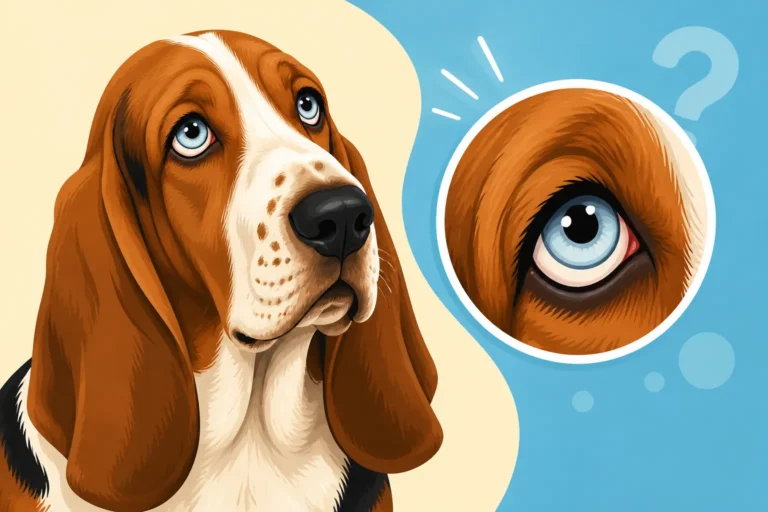
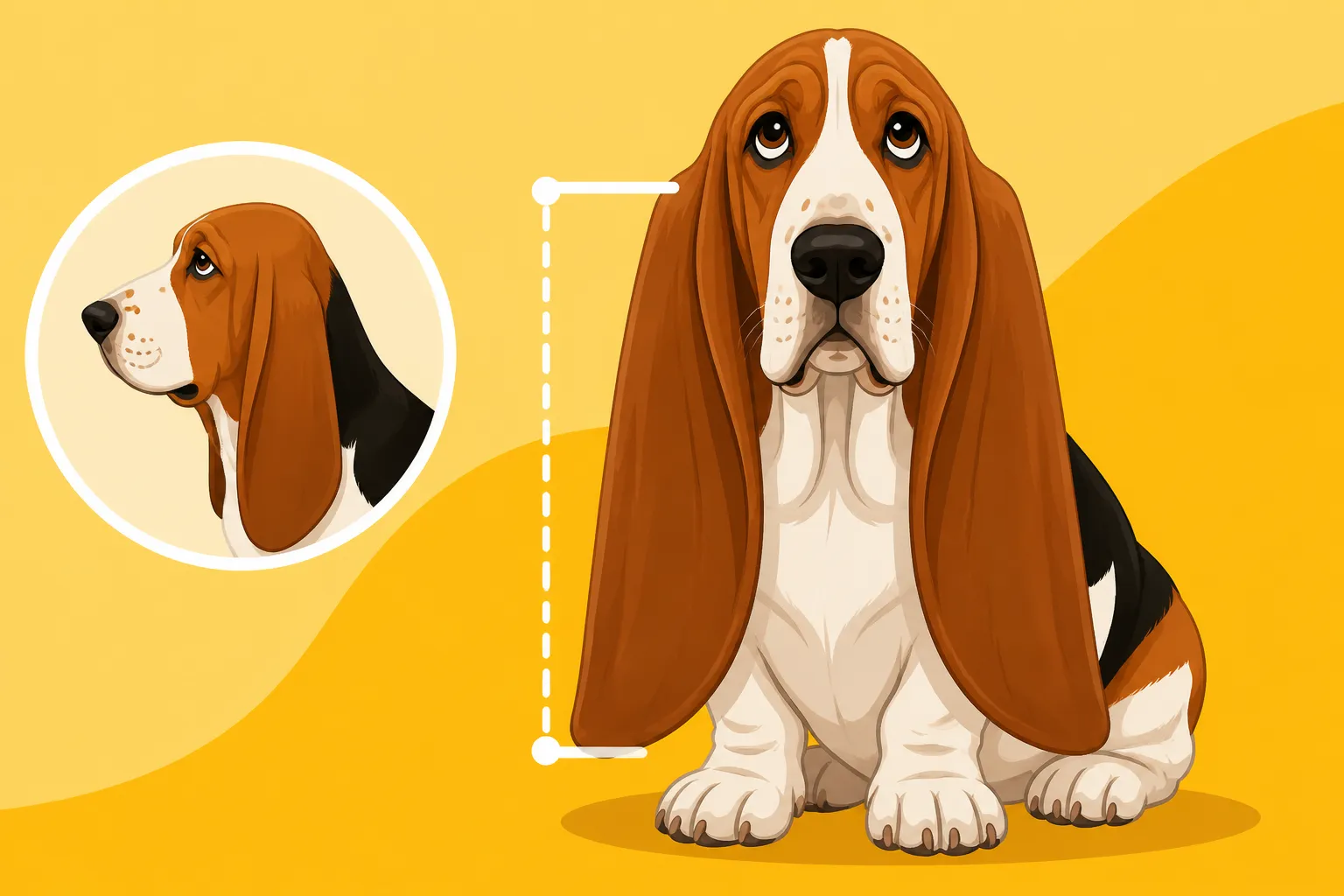
When you first see a Basset Hound, especially a well-bred one, the sheer length of their ears is often the first thing that strikes you. They aren't just long; they're seriously long, hanging in soft folds well below the chin. Imagine ears so long they can almost touch the ground when your Basset is in a full scent-tracking stance! It’s this dramatic length, combined with their velvety texture, that gives the Basset its dignified, somewhat melancholic, yet utterly adorable expression.
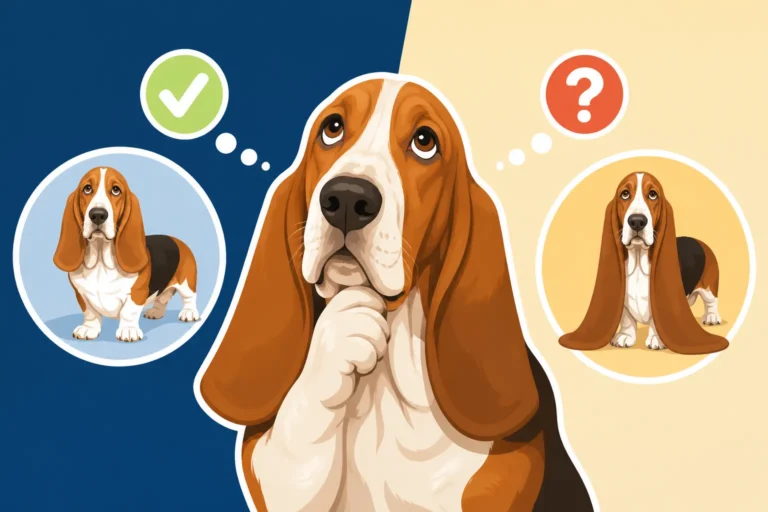
For perspective, the breed standard for Basset Hounds often specifies that the ears should be sufficiently long to nearly meet across the top of the nose when drawn forward. In many cases, these ears can easily measure upwards of 8 to 12 inches from their base to the tip. This isn't just a slight exaggeration; we are talking about truly impressive appendages. This distinctive feature is no accident; it's a carefully cultivated trait that breeders have emphasized for centuries. In fact, it's widely accepted that The Twelve Inch Ears a Basset Hound Was Given on Purpose are a hallmark of the breed, a testament to their heritage and specialized function.
Why These Ears Stand Out So Much
Beyond their sheer measurement, Basset Hound ears stand out due to their particular shape, set, and texture. They are set low on the head, often at or below eye level, which contributes to their drooping appearance. They are also incredibly heavy and thick, giving them a luxurious feel unlike the thinner, more delicate ears of many other breeds. When you pet a Basset Hound, running your hand along those soft, pliable flaps is an experience in itself.
The combination of their low set, significant length, and considerable weight means they hang close to the head and neck, creating an almost self-contained sensory environment around the Basset's nose. They don't just flop; they drape, often swaying with every movement of the head. This unique anatomy, while beautiful, also plays a crucial role in their original purpose, as we'll explore shortly. Unlike upright or rose-shaped ears that allow more airflow and expose the ear canal, the Basset's ears create a warm, moist, and enclosed space, which, while beneficial for scent, presents its own set of challenges for owners.
The Masterful Design: Functionality of a Basset's Long Ears
While their length might seem like an adorable quirk, those long, pendulous ears are far from just for show. They are, in fact, an integral part of the Basset Hound's incredible olfactory abilities, transforming their head into a highly efficient scent-tracking machine. Every aspect of their unique ear design serves a specific purpose in amplifying their already extraordinary sense of smell.
Sweeping Up Scent: A Hunter's Advantage
One of the most fascinating theories behind the Basset Hound's long ears is their function as "scent brooms." Imagine your Basset trotting along, nose to the ground, diligently following a trail. As their heavy ears swing and drag along the ground, they are believed to literally sweep up and funnel scent particles from the immediate surroundings towards their powerful nose. This action concentrates the scent, making it easier for the dog to detect and follow even the faintest of trails. It’s like having built-in atmospheric conditioners for scent.
This isn't just folklore; it's a design perfected over centuries of selective breeding for a specific hunting purpose. Unlike faster hounds that might lift their heads, Bassets are designed to stay low, with their noses glued to the ground, meticulously working a trail. The sweeping action of their ears helps ensure that every possible scent molecule is directed where it needs to be. This is exactly Why a Basset Hound's Ears Help It Smell, creating an olfactory cone that enhances their ability to track quarry. This physical interaction with the ground greatly amplifies their natural capabilities, making them incredibly effective at what they do.
Trapping Odor: Enhancing the Scent Cone
Beyond sweeping, the Basset Hound's long, heavy ears also act as natural baffles, trapping scent around the nose and preventing it from dispersing too quickly. Once the ears have "swept" scent particles toward the nose, their large surface area and close-hanging nature create a kind of localized scent chamber. This means the odors remain concentrated around the nostrils, allowing the Basset to analyze the trail with greater intensity and accuracy.
Think of it this way: instead of scent dissipating into the air, it's held captive, allowing the Basset to take multiple, detailed sniffs of the same scent molecules. This sustained exposure helps them differentiate subtle nuances in a trail, aiding in their renowned tracking precision. It’s particularly effective in still air conditions or when following a very faint, aged scent. This ability to maintain a strong "scent cone" around their nose is a significant factor in their success as tracking dogs and highlights Whether a Basset Hound's Ears Sweep Scent Upward as a crucial aspect of their physical design.
Aiding in Focus: Blocking Out Distractions
While primarily linked to scent, the sheer size and drape of a Basset Hound's ears might also play a secondary role in helping them focus. By physically covering and somewhat muffling the sounds from their immediate surroundings, these ears could help reduce auditory distractions. When a Basset is "on the nose," it enters a highly focused state, seemingly oblivious to everything else around it. This deep concentration is essential for scent work.
In a noisy environment, or even just during a busy walk with many everyday sounds, the heavy ear flaps may provide a slight barrier, allowing the Basset to tune out some ambient noise and dedicate more of its sensory input to its primary mission: following that irresistible scent. This doesn't mean they are deaf, far from it, but rather that their unique ear structure passively supports their intense focus, helping them remain locked onto a trail until the job is done.
The Downsides of Droopy Ears: Common Problems and Health Concerns
As much as we adore the long, velvety ears of a Basset Hound, it's important for any owner, or prospective owner, to understand that this distinctive feature comes with its own set of challenges. Their very design, which is so advantageous for scent work, unfortunately creates a perfect storm for certain health issues and practical dilemmas.
Increased Risk of Ear Infections
This is probably the most notorious downside of those beautiful long ears, and it's a frustration many Basset owners know all too well. Because the ears hang so low and close to the head, they create a warm, dark, and often moist environment within the ear canal. This lack of airflow means that moisture, whether from bathing, swimming, or even just humidity, gets trapped easily. This warm, damp, and air-restricted space is an absolute paradise for bacteria and yeast, allowing them to multiply rapidly and cause painful, chronic infections.
It's not uncommon for Basset Hounds to battle ear infections repeatedly throughout their lives. Owners often feel like they're constantly cleaning, medicating, and visiting the vet, all for the same recurring problem. The skin inside the ear canal can become irritated, inflamed, and even thickened over time due to persistent issues. This is why many owners eventually ask Whether a Basset Hound Needs Ear Surgery if chronic issues lead to narrowing of the canal. The reality is, The Ear Infections That Never Really Leave a Basset Hound are a serious concern and require diligent, consistent care. Without it, your Basset can experience significant discomfort, pain, and even hearing loss.
Injuries and Accidents: When Ears Get in the Way
Those long, flowing ears are not just susceptible to internal infections; they're also surprisingly prone to external injuries. Because they hang so low, they can easily get in the way of daily activities. It’s not uncommon for a Basset to step on its own ears when turning quickly or scratching an itch, which can cause pain or even tears in the delicate tissue. Imagine the agony of an accidental tug or stamp!
Beyond self-inflicted injuries, Basset ears are magnets for dirt, debris, and foreign objects. They drag through mud, leaves, grass, and whatever else your curious hound decides to investigate with their nose to the ground. This means they can pick up burrs, foxtails, or other irritants that can get lodged in the ear flap or even migrate into the ear canal, causing irritation or infection. One of the more dramatic injuries that can occur is an aural hematoma, a collection of blood that forms between the skin and cartilage of the ear flap, often caused by vigorous head shaking due to an underlying infection. This painful condition typically requires veterinary intervention, which can be costly. While a minor tear or scratch might just need some antiseptic and monitoring, a severe injury or hematoma could necessitate a visit to the emergency vet, adding to What a Basset Hound's Emergency Surgeries Cost.
Maintaining Hygiene: A Constant Battle
Given the propensity for infections and injuries, maintaining good ear hygiene for a Basset Hound isn't just a suggestion; it's an essential, ongoing commitment. These ears are constantly exposed to the elements, from food and water bowls to the great outdoors, accumulating grime and moisture. If you don't keep them clean, you're practically inviting trouble.
The challenge lies in the sheer volume of ear to clean, and the deep, convoluted nature of the ear canal itself. Food can get stuck to the tips, water can wick up into the canal, and general dirt can quickly build up, creating a perfect breeding ground for problems. This means regular wiping of the outer ear flaps and meticulous cleaning of the inner ear canal. Many Basset owners attest to the fact that these ears sometimes seem to have a mind of their own when it comes to attracting dirt. It's a never-ending cycle, but a necessary one to ensure your Basset's comfort and health.
A Nod to History: How Basset Hounds Got Their Long Ears
To truly appreciate the Basset Hound's remarkable ears, we need to take a quick journey back in time. These aren't just random genetic traits; they are the result of centuries of deliberate breeding, shaped by the needs and desires of hunters in a bygone era. Their physical characteristics are deeply intertwined with their historical role.
Ancient Roots and Selective Breeding
The story of the Basset Hound's ears begins centuries ago in France, specifically with the hounds bred by monks in the Abbey of Saint Hubert. These early scent hounds were renowned for their incredible noses and their ability to follow a cold trail. The word "basset" itself is derived from the French word "bas," meaning "low," which perfectly describes their short stature and low-slung body. Hunters, particularly those who hunted on foot rather than horseback, wanted a dog that could track game like rabbits and deer at a slow, deliberate pace. This allowed the hunters to keep up with their dogs, unlike the faster, longer-legged hounds.
To achieve this "low and slow" tracking style, breeders began selecting for specific physical traits. Short legs kept the hounds close to the ground, and a powerful nose was paramount. The long, pendulous ears, while perhaps initially a natural variation, were soon recognized for their benefit in concentrating scent. Over generations, these traits were intentionally accentuated, leading to the Basset Hound we know today. It was a clear case of form following function, where every physical attribute, including those exceptionally long ears, served to enhance their prowess as a scent hound. The breed's development is a fascinating tale of purpose-driven breeding, solidifying why The Abbey Hounds a Basset Hound Descends From are so uniquely adapted to their task.
The Breed Standard and Ear Expectations
Today, the length and characteristics of a Basset Hound's ears are meticulously detailed in breed standards set by kennel clubs around the world. These standards are not just arbitrary aesthetic guidelines; they reflect the historical purpose and desired function of the breed. For instance, the American Kennel Club (AKC) standard describes the ears as "very long, low set, and well-attached to the head." It further specifies that "when drawn forward, the ear should extend well beyond the end of the nose." This emphasis on length and placement is a direct continuation of the centuries-old focus on optimizing their scenting ability.
Breeders strive to produce Bassets whose ears meet these exacting standards, understanding that they are crucial to the breed's identity and historical function. They are expected to be thin and velvety in texture, folding gracefully and without stiffness. While we might look at them and just see adorable floppiness, the conformation judges and serious breeders see a finely tuned instrument, a testament to the Basset's heritage as a scenting specialist. This dedication to maintaining the breed's unique attributes, including its ears, ensures that the Basset Hound remains true to its origins.
Living with the Long Ears: Practical Care and Management
Owning a Basset Hound means committing to a specific set of care routines, especially when it comes to those magnificent ears. It's not just about aesthetics; it's about preventing discomfort, pain, and costly vet bills. Embracing these routines will make a world of difference in your Basset's quality of life.
Essential Ear Cleaning Routines
Given their propensity for infections, a consistent ear cleaning routine is paramount. You can't just admire those ears; you have to actively manage them. A good rule of thumb is to check and clean them at least twice a week, and more frequently if your Basset loves to swim, gets dirty, or has a history of ear problems. This twice-weekly ritual is exactly The Twice Weekly Ear Ritual a Basset Hound Owner Signs Up For.
Here’s a basic approach:
- Gather Supplies: You'll need a veterinarian-recommended ear cleaner (often available at stores like Chewy or your vet's office), cotton balls, and maybe some treats. Avoid cotton swabs, as they can push debris further into the ear canal.
- Lift the Flap: Gently lift your Basset's ear flap to expose the inner ear canal.
- Apply Cleaner: Carefully squirt the ear cleaner into the ear canal until it's full. Don't be shy; you want it to penetrate deeply.
- Massage: Gently massage the base of the ear for 20-30 seconds. You should hear a squishing sound, indicating the cleaner is working its way down. This helps loosen debris.
- Let Them Shake: Stand back! Your Basset will naturally want to shake its head, which helps dislodge the cleaner and debris.
- Wipe Clean: Use a cotton ball to gently wipe away any visible dirt, wax, or cleaner from the outer ear canal and ear flap. Repeat until clean.
- Reward: Always end with praise and a treat to make it a positive experience.
Remember, if you notice excessive redness, a foul odor, discharge, or your Basset is scratching or shaking its head more than usual, it's time for a vet visit, not just more cleaning. Consistent cleaning, as described in How to Clean a Basset Hound's Ears Properly, is your best defense against recurring issues.
Protecting Those Precious Flaps
Beyond cleaning, proactive measures can help prevent injuries and keep those long ears out of trouble. Many of these solutions are simple yet incredibly effective in safeguarding your Basset's ears.
One common struggle is keeping their ears out of food and water bowls. Basset ears are so long they often dip into their dinner, becoming coated in kibble or soaking wet. This is not only messy but can also contribute to ear infections by introducing moisture and food particles into the ear canal. Elevated feeding bowls can help, but a snood is often the best solution. A snood is a fabric tube that you gently slide over your Basset's head, holding the ears back and out of the way during meal times. You can find a wide variety of practical and stylish snoods at pet supply retailers, including online at Chewy. A snood really does help answer the question of Whether a Snood Helps a Basset Hound at Dinner, and most owners find them indispensable.
Similarly, keeping ears dry after baths or swims is crucial. Towel-drying thoroughly and even using a low-setting hairdryer (held at a safe distance) can help. When your Basset is outside exploring, especially in brushy areas, be mindful of burrs, stickers, and sharp twigs that can snag or injure the delicate ear leather. A quick visual inspection after outdoor adventures can catch potential problems before they escalate. After all, Whether a Basset Hound's Ears Drag Through Its Food is a small inconvenience compared to a painful ear injury.
Recognizing Trouble and Seeking Vet Care
Even with the most diligent care, Basset Hounds can still develop ear issues. Knowing the signs of trouble is key to early intervention, which can save your dog a lot of discomfort and you, a significant amount of money.
Signs of an Ear Problem:
- Excessive Head Shaking: While some shaking is normal, constant or violent head shaking indicates irritation.
- Persistent Scratching: Your Basset pawing at its ears, or rubbing its head on furniture or the ground.
- Foul Odor: A sweet, yeasty smell or a pungent, sour odor emanating from the ear.
- Redness or Swelling: Inflammation inside the ear canal or on the ear flap.
- Discharge: Yellow, brown, black, or bloody discharge.
- Pain: Your Basset may yelp, growl, or pull away when you touch its ears.
- Changes in Behavior: Lethargy, loss of appetite, or general irritability.
If you observe any of these symptoms, it’s crucial to contact your veterinarian promptly. Attempting to treat a severe infection at home with over-the-counter remedies can often make things worse or delay proper treatment, leading to chronic issues. Your vet can perform an examination, potentially take a swab for cytology (to identify yeast or bacteria), and prescribe the appropriate medication. Ignoring an ear infection in a Basset Hound can lead to severe pain, permanent hearing damage, or necessitate complex and expensive surgical procedures in the future. Always prioritize a professional diagnosis, whether you're sourcing supplies from Chewy or picking them up directly from the vet.
Disclaimer
This article is for general informational purposes only and does not constitute professional advice. Laws, prices and regulations vary by location and change over time. Consult a qualified professional for guidance on your specific situation.