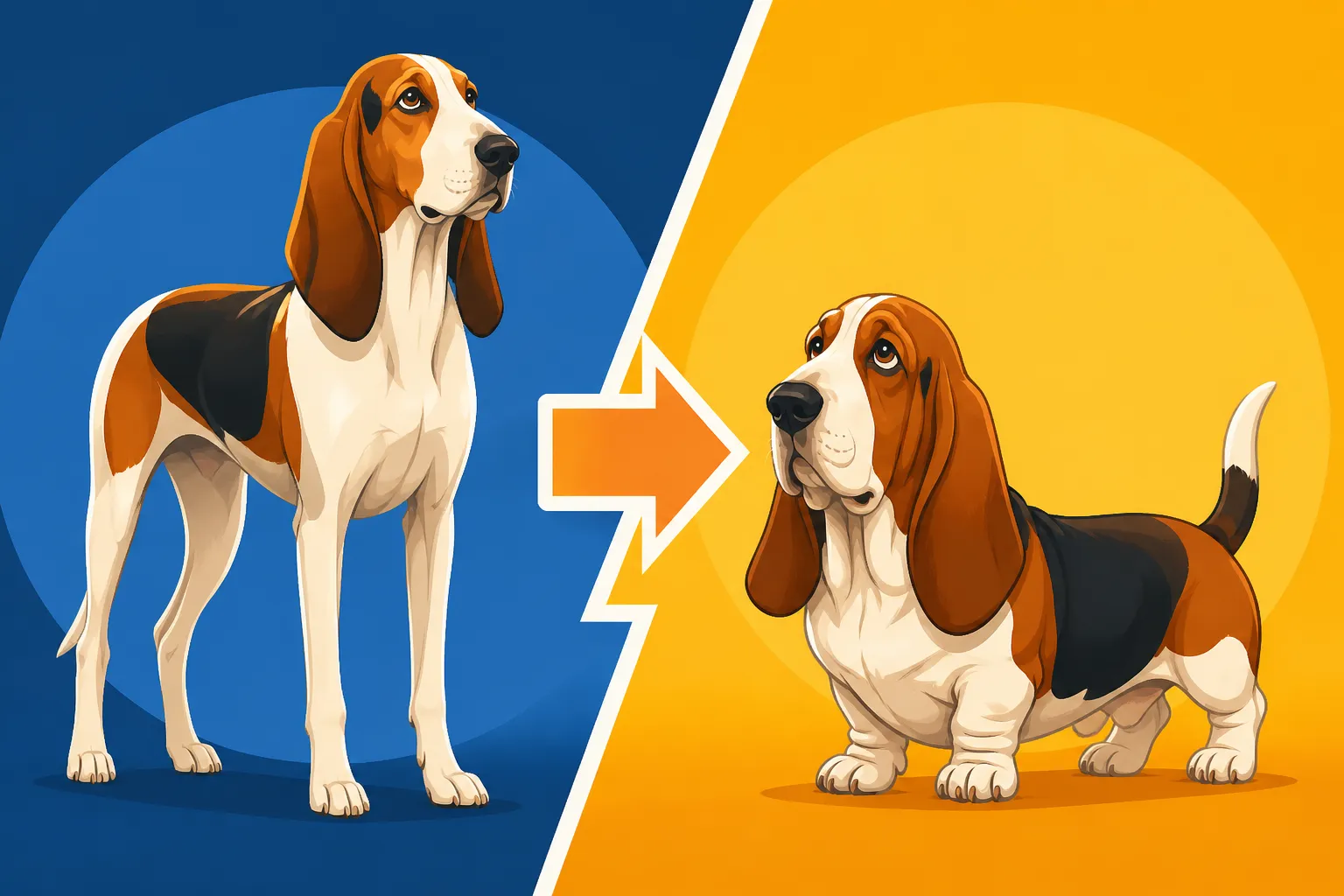
Whether Every French Hound Had a Short Legged Version
For anyone deeply fascinated by the Basset Hound, it's easy to assume our beloved, low-slung, long-eared companions are the one true "basset." But the truth is, the world of French hounds, historically speaking, was much richer and more diverse than just one breed. This guide dives deep into the fascinating history of French hunting dogs, exploring whether indeed every French hound lineage eventually saw a short-legged version developed, and why these unique characteristics became so sought after.
The Origins of "Basset" – More Than Just Our Basset Hound
When we talk about a "basset" hound today, our minds immediately conjure the image of that wonderfully distinct, droopy-eared, low-to-the-ground dog with an incredible nose and a mournful bay. But centuries ago in France, the term "basset" wasn't a specific breed name at all; it was more of a descriptor, a job title even, indicating a type of hound bred for a very particular purpose. It meant "low" or "low-set" and referred to any dog built close to the ground. This distinction is vital to understanding the lineage of many French hounds.
The French Hunting Landscape and the Need for a Low-Set Hound
Imagine the vast, dense forests and intricate undergrowth of historical France. Hunting was not just a sport for the aristocracy; it was a way of life, providing food and controlling wildlife populations. While grand, fast hounds like the St. Hubert Hound (an ancestor to many modern scent hounds, including our Basset Hounds, and indeed, the Bloodhound) were excellent for open country and chasing game at speed, they weren't ideal for every terrain. If a hunter was on foot, or if the quarry preferred thickets and dense woodland, a fast chase could quickly become a lost trail. This is where the need for a "basset" came in.
Hunters needed a dog that could track scent meticulously, slowly, through the thickest brush, without outrunning the human hunters who followed on foot. These dogs had to be built to navigate tight spaces, push through brambles, and keep their noses firmly on the ground, regardless of the terrain. The game they pursued, often rabbit, hare, or even smaller deer, would also stick to dense cover, making a low-slung hound not just an advantage, but a necessity. This practical need drove the development of short-legged versions across various hound types, allowing hunters to access game in ways their taller, faster counterparts simply couldn't. It's truly a testament to the ingenuity of breeders at the time.
How the Term "Basset" Became a Description, Not Just a Name
Initially, "basset" wasn't capitalized as a proper noun for a breed. It was simply an adjective: a chien bas or "low dog." Over time, as these low-set hunting dogs proved invaluable, the term evolved to describe a category of hounds. It wasn't about a singular breed but a specific physical characteristic coupled with a functional purpose. Think of it like describing a "terrier type" for earth-working dogs; it covers a range of breeds with similar traits and jobs.
This means that various existing taller hound breeds, cherished for their exceptional noses and hunting instincts, had their genetics manipulated (through selective breeding, often by introducing dwarfism traits) to produce short-legged versions. These "basset" variations could then be employed for different kinds of hunts, effectively expanding the utility of the original hound lines. This is a key point in understanding Whether Basset Was a Size Rather Than a Breed, and it speaks volumes about the pragmatic approach French hunters took to their canine companions. They weren't just breeding for looks; they were breeding for a highly specialized function. It's a fascinating look into canine evolution driven by human need. Many breed enthusiasts still pore over historical texts and genetic studies, sometimes found in resources like Chewy's extensive breed library, to trace these ancient connections.
A Roll Call of Short-Legged French Hounds
While our modern Basset Hound is perhaps the most famous "basset" globally, it's far from the only one. France has a rich tapestry of scent hounds, and many of them historically, and some even today, exist in both taller and "basset" variations. It's a testament to the versatility of the original hunting stock and the persistent need for dogs that could work dense cover.
The Basset Artesien Normand and Its Kin
One of the most direct relatives to our Basset Hound is the Basset Artesien Normand. In fact, many believe that the modern Basset Hound was largely developed from crosses between different French basset types, including the Basset Artesien Normand and the Basset de Flandres, which had slightly different builds and ear sets. The Basset Artesien Normand itself is a prime example of a distinct French hound that retained its "basset" form. They share the same incredible scenting ability and distinctive bay as our Basset Hounds but often have a slightly different head shape and a less exaggerated 'droop' to their features. They were initially developed in the regions of Artois and Normandy, hence their name, and were highly prized for hunting rabbit and hare. What the Basset Artesien Normand Is is a question that reveals a deeper dive into these nuanced historical differences.
These bassets were not simply smaller versions of taller hounds; they were carefully bred to embody specific traits that suited their low-riding stature. Their strong bone structure, powerful necks, and relentless focus on scent were all honed over generations. For those interested in the minutiae of these historical breeds, many excellent books and online resources, including comprehensive breed guides sometimes found on major pet platforms like Chewy, detail their unique development.
Other Historical and Modern French Basset Types
Beyond the Basset Artesien Normand, French history is dotted with references to various other "basset" types, many of which are now rare or have been absorbed into other breeds. Each region seemed to have its preferred version, often named after the area they originated from or the type of coat they carried.
Consider these examples:
| Name (Literal Translation) | General Description | Key Features | Status Today |
|---|---|---|---|
| Basset Bleu de Gascogne | A "blue" (slate grey) basset from Gascony, a smaller version of the larger Grand Bleu de Gascogne. | Distinctive blue mottling, solemn expression, long ears, strong hunting drive. | Still exists, though rare. Recognized by major kennel clubs. |
| Basset Fauve de Bretagne | A "fawn" (tan) basset from Brittany, a scaled-down version of the Grand Fauve de Bretagne. | Wiry, rough coat, bright fawn color, smaller and more agile than many other bassets, known for enthusiasm. | Gained popularity in recent decades, now well-recognized and active in hunting. |
| Petit Basset Griffon Vendéen | A small, rough-coated basset from Vendée, designed to hunt small game in rough terrain. | Wiry coat, often shaggy eyebrows and beard, lively and outgoing temperament, excellent nose. | Quite popular internationally, often seen in dog sports and as family companions. |
| Grand Basset Griffon Vendéen | The larger, rough-coated basset from Vendée, ancestor to the "Petit" version. | Similar to the Petit but larger, robust, equally enthusiastic, with a strong pack drive. | Less common than its smaller cousin but still actively bred and shown. |
| Basset de Flandres | A historical type, often grouped with other bassets, contributing to the development of what would become the Basset Hound. | Varied descriptions, often pointing to a heavy-boned, short-legged hound from the Flanders region. | Largely absorbed into other basset lines, not a distinct breed today. |
Each of these bassets, whether widely known or more obscure, represents a clear intention to adapt a taller, scent-driven hound into a form more suitable for specific hunting conditions. They all share the "bas" characteristic, meaning they were bred low to the ground, but they retained the distinctive features, coats, and even colors of their larger ancestors. This highlights that the concept of a "basset" was truly a widespread phenomenon, a common breeding strategy across France. When you look at Where the First Basset Hounds Came From, you quickly realize that they were a product of this rich tradition, drawing from the best qualities of these various regional "low hounds."
Why Short Legs? The Practicality of a 'Bas' Hound
It might seem counter-intuitive to intentionally breed dogs with shorter legs, especially when many hunting scenarios call for speed and agility. However, for specific types of hunting and in particular environments, the "bas" build offered distinct and undeniable advantages that made these hounds indispensable to foot hunters for centuries.
Navigating Dense Undergrowth and Slowing the Hunt
The primary reason for developing short-legged hounds was purely practical: to navigate dense undergrowth. Imagine chasing a rabbit or a badger through bramble patches, thickets, and deep brush. A tall dog would struggle, getting tangled, losing scent as its nose was too high, and potentially injuring itself. A "basset" hound, by contrast, could push its way through, close to the ground, its body protected by the tough undergrowth. Why a Basset Hound's low height helps it trail becomes clear when you consider this practical aspect. Their low center of gravity and strong, muscular bodies were perfectly suited to this arduous work.
Furthermore, these short legs served to slow the hunt down. This was a deliberate choice. When hunters were on foot, they couldn't keep up with galloping hounds. A slower hound meant the human hunters could follow the scent trail more easily, stay with the pack, and be present for the eventual flushing or cornering of the game. It transformed hunting from a high-speed chase into a deliberate, methodical tracking exercise, relying more on the dog's scenting prowess and the hunter's skill in following. This strategic advantage answers the question of Why French Hunters Wanted a Slow Hound – it wasn't about laziness; it was about effective hunting for a human-on-foot party.
The Development of Scenting Abilities and Stamina
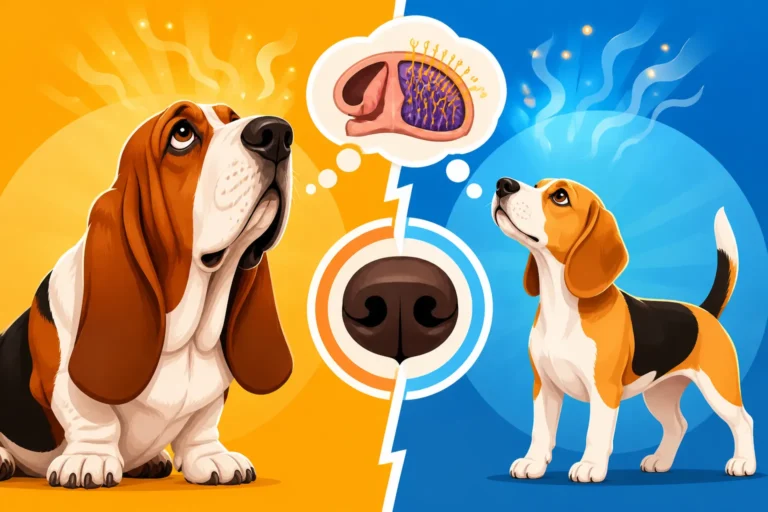
While the short legs are the most striking feature, they work in concert with another incredible trait: an unparalleled sense of smell. The low stature meant the dog's nose was perpetually close to the ground, directly in the scent path. This wasn't just incidental; the very anatomy of many bassets, including the folds of skin and long ears, was believed to help gather and trap scent around their sensitive noses, enhancing their ability to track even the coldest of trails. While this theory isn't scientifically proven, it certainly highlights the perception of their incredible olfactory skills.
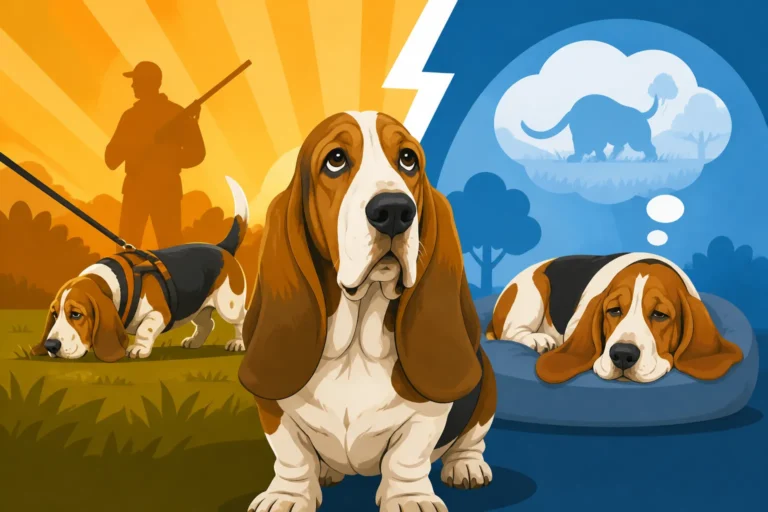
These hounds were also bred for incredible stamina, despite their short legs. They weren't sprinters, but they were marathoners. They could follow a scent for hours, covering miles of rough terrain without tiring. Their deep chests provided ample lung capacity, and their robust skeletal structure supported their efforts. This combination of an exceptional nose, remarkable endurance, and a low-slung body made them perfectly adapted to their role. Our own Basset Hounds, even today, retain this deep-seated instinct, often getting lost in a world of smells on walks, demonstrating that Whether a Basset Hound Still Hunts isn't just a historical question, but a current reality for their instincts. For anyone looking to understand this breed's enduring traits, delving into their original purpose is absolutely essential. Many modern Basset owners find joy in engaging their dogs' natural abilities with scent games or tracking activities, often finding suitable gear and training aids readily available from places like Chewy.
The Enduring Legacy of "Bas" Hounds in France and Beyond
The concept of the "basset" hound, as a low-set version of a taller scent hound, wasn't just a fleeting trend in French hunting history; it became a fundamental part of canine development and a testament to specialized breeding. The success of these dogs in their specific roles meant that the tradition of creating "bas" versions of popular hound breeds persisted, eventually leading to the distinct breeds we recognize today, including our beloved Basset Hound. The practice demonstrates a clear understanding of genetics and purpose-driven breeding long before modern science formally articulated these concepts.
Even as hunting practices have evolved and many hounds transitioned from working animals to cherished family pets, the unique characteristics bred into these bassets remain. Their exceptional noses, their powerful voices, and their distinctive, endearing appearances are all direct results of their origins as specialized hunting companions. Whether it was a Basset Artesien Normand working a rabbit trail or a Petit Basset Griffon Vendéen tackling tough terrain, these short-legged wonders proved their worth time and again.
Today, while some of the historical "basset" types might be known only to dedicated breed historians, others, like the Basset Hound itself, have achieved global recognition. The fact that various French hound lines had short-legged counterparts confirms that the term "basset" was a widespread classification reflecting a highly valued functional design rather than a single, isolated breed development. This rich heritage is what makes the Basset Hound, and its many cousins, such truly fascinating dogs. Understanding this history gives us a much deeper appreciation for the unique traits that make them who they are.
Disclaimer
This article is for general informational purposes only and does not constitute professional advice. Laws, prices and regulations vary by location and change over time. Consult a qualified professional for guidance on your specific situation.