Whether a Basset Hound Can Be Solid Colored
A Basset Hound with an apparently solid coat can make you wonder whether its coloring is unusual, whether markings will appear later, or whether it might be a mix. Solid-colored Bassets are not the look most people expect, but coat color alone cannot confirm or rule out a dog’s ancestry. This guide explains what “solid” can mean and what to check next.
What a solid-colored Basset Hound looks like
Typical Basset Hound colors and markings
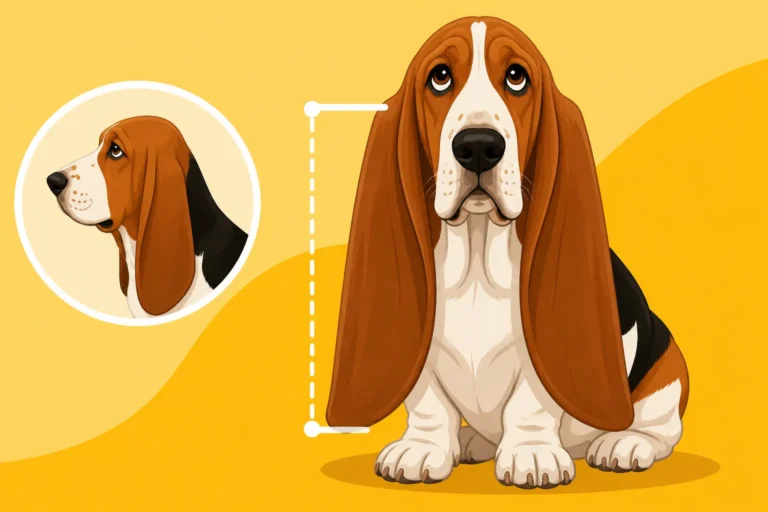
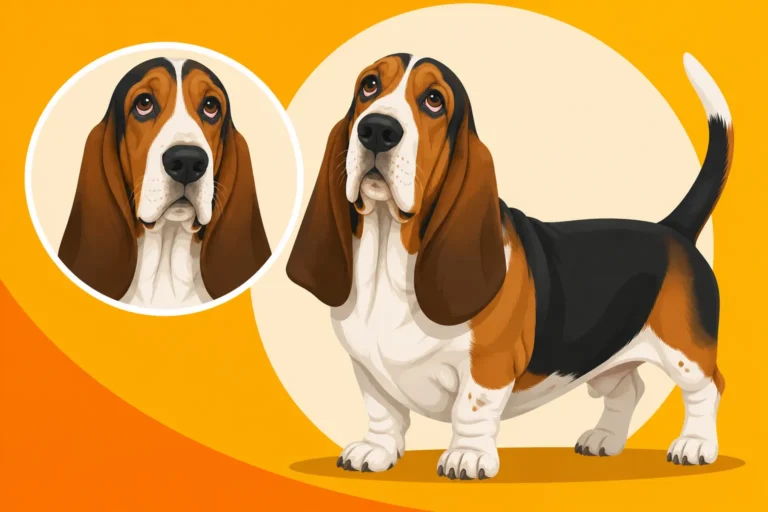
Most people picture a Basset Hound with two or three distinct colors: for example, black, white, and tan, or red and white. Lemon and white is another familiar combination. The breed’s coat is short and smooth, but the patches can be large enough that one color dominates when you look at the dog from a distance.
That dominant color can make a Basset appear nearly solid, especially if the dog has a broad dark saddle or a large area of red coloring. A small white patch on the chest, a few pale hairs on the toes, or tan points that blend into the coat may be easy to miss in a photo. Lighting, shadows, and the angle of the picture can make those subtle markings harder to spot.
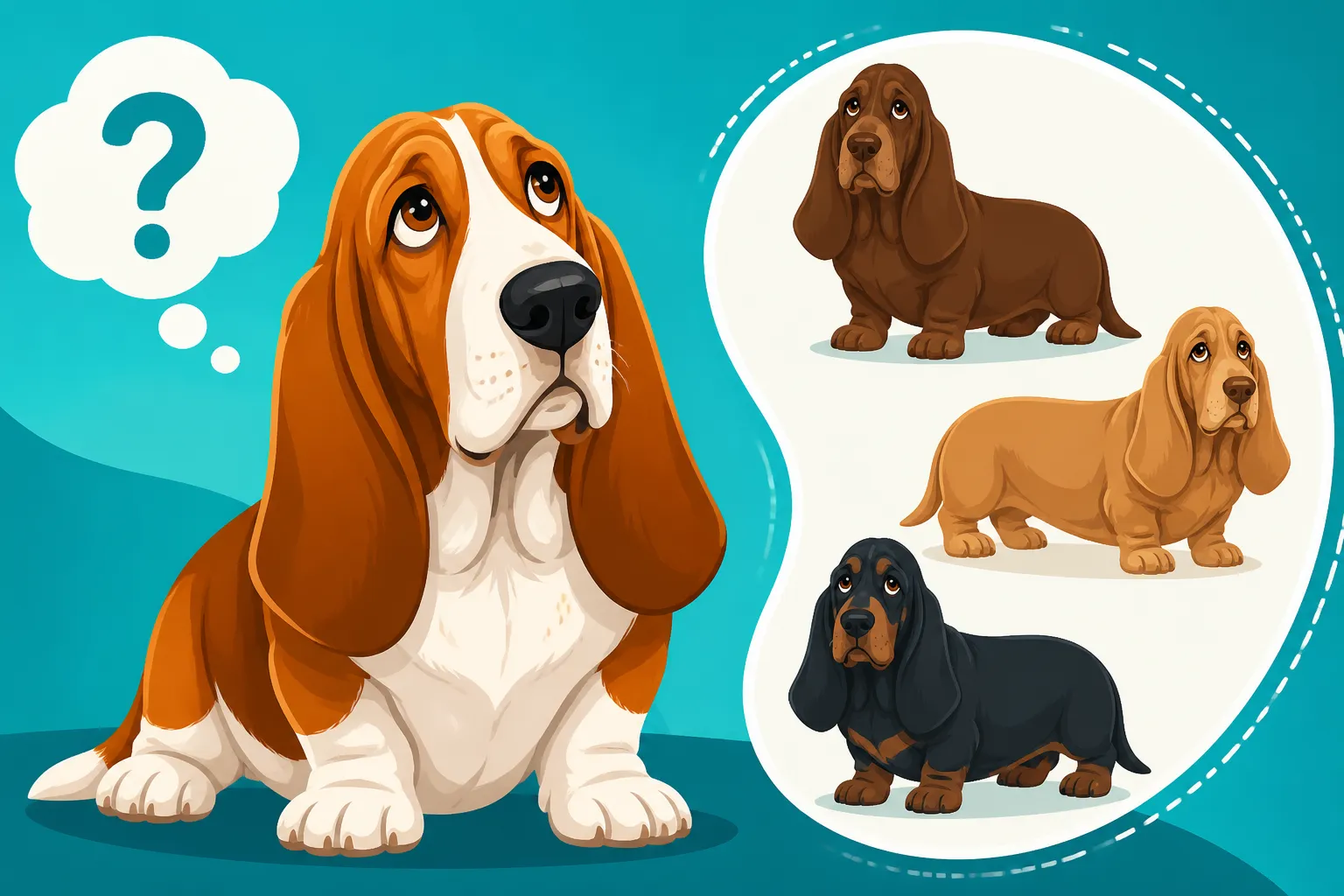
For a broader look at common patterns and shades, see The Colors a Basset Hound Comes In. The key distinction is between a dog that looks mostly one color and a dog whose coat is genuinely one uniform color across the body. The first is quite plausible; the second is less typical and deserves a closer look.
What “solid” means in everyday descriptions
Owners do not always use “solid” in the same way. Someone may call a Basset solid red when most of the dog is red, even if there is a white chest patch. Another person may use the word only when the entire visible coat appears to be one color. That difference can lead to confusion when comparing breeder descriptions, registry records, or online photos.
It helps to check the dog in natural light and look at the chest, toes, underside, tail tip, and areas around the face. Small markings can hide under the body or blend into a light background. Young dogs can also change in appearance as their puppy coat develops, so a photo taken at one age may not show exactly how the adult coat will look.
Coat terms are descriptions, not proof of pedigree. A dog called “solid” by its owner may have faint markings, while a dog advertised as a particular color may simply have a distinctive pattern that makes one shade especially prominent. If the appearance matters for a registration or breeding question, ask for documentation and check the relevant registry’s wording rather than relying on a color label alone.
Can a purebred Basset Hound be solid colored
Why the breed standard and typical appearance are different
A breed standard describes the features expected of the breed and used in judging; it does not necessarily mean every individual dog will match the most familiar look. Basset Hound standards commonly describe colors and patterns seen in hounds, and the exact language can differ between registries. Some standards allow a broad range of recognized hound colors, while also naming combinations that are especially familiar in the breed.
That means “unusual” and “automatically not purebred” are not interchangeable. A solid-looking coat may be uncommon, but coat appearance alone cannot establish a dog’s ancestry. For a particular dog, the pedigree and registration records are more informative than a photograph or a seller’s description.
It is also useful to separate three questions: Is the dog registered? Does its color fit the rules of a particular registry or show class? Does the dog have a documented Basset Hound pedigree? Those questions can have different answers. If you are considering a puppy or evaluating a breeder’s claims, The Split Between Show and Hunting Basset Hounds offers useful context about variation within the breed, while Whether Any Color Is a Fault on a Basset Hound addresses how color is treated in breed standards.
Why coat color cannot confirm ancestry
Coat color is shaped by inherited traits, and visible patterns can be influenced by more than one genetic factor. The way those traits show up can be complicated: two dogs with similar-looking coats may have different genetic backgrounds, and dogs from the same litter can look noticeably different. A coat that appears unusual is a reason to ask questions, not a reliable shortcut to identifying a crossbreed.
If a seller claims a solid-colored puppy is purebred, ask to see the registration details and the pedigree information available for the parents. You can also ask which registry the breeder uses and whether that registry has specific color rules. A responsible breeder should be willing to explain the puppy’s background without leaning on color as the only evidence.
DNA testing may provide additional information about ancestry, but it should not replace records or careful questions when you are assessing a breeder. A test result also needs to be interpreted with care: it may estimate breed ancestry, but it does not make every question about pedigree, registration, or show eligibility disappear. If you are choosing a puppy, health, temperament, and the breeder’s practices matter far more than whether the coat is rare.
Why a Basset Hound might look like one color
Markings can be subtle, hidden, or hard to photograph
The simplest explanation is often that the dog is not quite as solid as it first appears. A white patch may sit on the underside, under the chest, or at the tip of the tail. Pale markings can be especially difficult to see on a light-colored dog, while dark markings may disappear into a shadow or a dark background.
Photographs can exaggerate the effect. Bright sunlight may wash out pale areas, while indoor lighting can deepen red or black tones. A dog curled up on a dark blanket might seem to have one uniform color because the underside and legs are hidden. Before drawing conclusions from a listing or social-media image, look for several clear photos taken in different lighting and from different angles.
Age can complicate things, too. A puppy may not look exactly like it does as an adult, and the coat can appear different as it grows in. For an overview of how Basset markings may change, see Whether a Basset Hound's Markings Change With Age. A change in appearance does not automatically signal a problem, but a sudden change in the skin or coat is different from ordinary variation and should be discussed with a veterinarian.
A color description may be imprecise
Breeder listings and casual conversations often use short color labels that do not explain every marking. “Red,” “dark red,” or “solid” may describe the overall impression rather than a precise coat pattern. Two people can look at the same dog and choose different words, particularly when markings are faint or partly hidden.
If you are trying to understand a specific dog, ask for a written description of its markings and, if possible, photos of its parents and littermates. Comparing relatives can help you see how color patterns vary within that family, though it still does not independently prove ancestry. For typical patterns, What the Tricolor Basset Hound Looks Like and What the Lemon and White Basset Hound Looks Like provide useful points of comparison.
| What you notice | What it might mean | A sensible next step |
|---|---|---|
| One color covers most of the back | A large patch or saddle may dominate the coat | Check the chest, legs, underside, and tail tip |
| No markings are obvious in one photo | Lighting, shadows, or the dog’s position may hide them | Ask for clear photos in natural light |
| The seller calls the dog “solid” | The term may describe the overall impression, not every marking | Ask what the seller means and request pedigree details |
| The coat looks different as the dog grows | Puppy coat and adult appearance may not match exactly | Compare dated photos and ask the breeder about the family |
| The skin itself looks irritated or the coat is thinning | This is not simply a color-pattern question | Arrange a veterinary assessment |
How to assess a solid-looking Basset Hound
Questions to ask a breeder or current owner
Start with the practical details rather than trying to solve everything from a coat photo. Ask which registry the dog is recorded with, whether registration documents are available, and how the breeder describes the parents’ colors. If the dog is being sold as purebred, ask to review the pedigree information and the contract terms. A clear, calm explanation is more reassuring than a dramatic claim that the color is exceptionally rare.
You can also ask whether the color description appears on the dog’s paperwork and whether the breeder has checked the relevant registry’s rules. Requirements can vary, so an answer about one registry may not apply to another. If you plan to show the dog, contact the registry or the breed club associated with your intended show system to clarify the rules before making plans.
Be cautious if a seller uses “rare color” as the main reason for a higher price, avoids sharing records, or pressures you to decide before you can ask questions. Color is visible and easy to market, but it tells you little about the puppy’s socialization, health history, or the breeder’s care practices. The Health Tests a Basset Hound Breeder Should Run is a helpful companion topic when you are evaluating a breeder.
When to ask a veterinarian
A uniform-looking coat by itself is usually a breed-description question, not a medical emergency. A veterinarian can still help if you are unsure whether what you see is normal coat variation or a skin issue. This is particularly worthwhile if the coat changes suddenly, hair is falling out, the skin is red or sore, or your dog is persistently scratching or licking.
At home, note what has changed and when you first noticed it. A few well-lit photos can help you describe the pattern over time. Avoid applying human hair dye, bleach, or color-enhancing products to make markings more visible; these can irritate a dog’s skin and do not answer questions about ancestry.
For routine coat care, focus on gentle brushing and bathing when needed rather than trying to alter the color. If you shop for basic grooming supplies, Chewy can be one place to compare dog brushes and shampoos, but choose products suited to your dog and ask your veterinarian about persistent skin concerns. For common coat-care expectations, see Whether a Basset Hound's Coat Needs Brushing.
A simple checklist for deciding what you are seeing
- Look at the dog in natural light, including the chest, legs, underside, and tail.
- Compare more than one photo, especially if the first image is dark, heavily edited, or tightly cropped.
- Ask the owner or breeder what they mean by “solid” and whether any small markings are present.
- If ancestry or registration matters, review the pedigree and ask which registry applies.
- If the coat or skin is changing in a concerning way, talk with a veterinarian rather than treating it as a color issue.
A Basset Hound that looks solid-colored is unusual compared with the breed’s familiar patchwork patterns, but appearance alone cannot settle whether the dog is purebred or whether its coloring meets a particular registry’s rules. Look for subtle markings, ask for records when pedigree matters, and treat skin or coat changes as a separate health question. Chewy may help with routine grooming supplies, but it cannot substitute for pedigree documentation or veterinary advice.
Disclaimer
This article is for general informational purposes only and does not constitute professional advice. Laws, prices and regulations vary by location and change over time. Consult a qualified professional for guidance on your specific situation.