Skin Fold Infections on a Basset Hound
It’s a tale as old as time for Basset Hound owners: you’re snuggling with your beloved floppy-eared companion, and then you catch a whiff. That tell-tale sour, yeasty, or just plain funky smell that signals trouble brewing in those adorable skin folds. Skin fold infections are a frustratingly common reality for our wrinkly friends, causing discomfort for them and a headache for us. This guide is here to unravel why these infections happen, how to spot them early, and most importantly, how to keep your Basset comfortable and healthy.
The Unique Anatomy That Leads to Trouble
Our Basset Hounds are famous for their endearing loose skin and abundant wrinkles. It's part of what makes them so undeniably charming and gives them that classic, soulful expression we all adore. But, as with many of their unique physical traits, these very characteristics, while beautiful, come with their own set of potential health challenges. Understanding the 'why' behind skin fold infections is the first step in effective prevention and treatment.
The Allure and Downside of Basset Folds
Picture your Basset's face, neck, and those lovely droopy jowls. Each of those soft, plush folds is a little pocket, a hidden crevice. While they certainly add to their distinctive look, these folds are not merely cosmetic. Historically, they served a purpose in their hunting days, helping to trap scent particles close to their incredible nose. But in modern life, they become prime real estate for moisture and debris. It’s a classic case of what makes them unique also making them vulnerable. If you've ever found yourself asking whether a Basset Hound's loose skin traps scent, you're on the right track to understanding why it's also a trap for other things.
It's truly a double-edged sword. That endearing looseness, especially around the face, lips, and neck, means that there are areas where skin literally touches skin. Unlike flat surfaces where air can circulate freely, these deep creases become miniature humid microclimates. Add to that the constant exposure to food, water, and even environmental allergens, and you have a perfect storm. It’s a common frustration for Basset owners because it feels like a constant battle against their own adorable physiology.
How Folds Create a Perfect Breeding Ground
The warm, moist, and dark environment within a Basset's skin folds is essentially an ideal incubator for microorganisms. Imagine a perpetually damp towel shoved into a warm cupboard – that's roughly the environment we're talking about within those folds if they aren't properly managed. Sweat, oils from the skin, stray food particles, saliva, and even tears can accumulate here. This cocktail of moisture and organic matter lowers the skin's natural defenses, altering its pH balance and making it much more susceptible to overgrowth of bacteria and yeast that are normally present on the skin.
Furthermore, the constant friction of skin rubbing against skin within these folds can cause minor abrasions or irritation. These tiny breaks in the skin barrier become open invitations for opportunistic pathogens to colonize and multiply. This is often where the initial itchiness and discomfort begin, leading to a vicious cycle where your Basset might rub or scratch, further traumatizing the area and worsening the infection. It's not just about cleaning; it's about breaking that cycle of irritation and infection that can be so hard to escape.
Recognizing the Early Warning Signs of Infection
Spotting a skin fold infection early is absolutely key to preventing it from escalating into something more serious and painful for your Basset Hound. These infections can develop quickly and, if left unchecked, become deeply uncomfortable, requiring more intensive veterinary intervention. As a dedicated Basset owner, learning to recognize the subtle cues your dog gives you is part of the job description.
What to Look For and Where
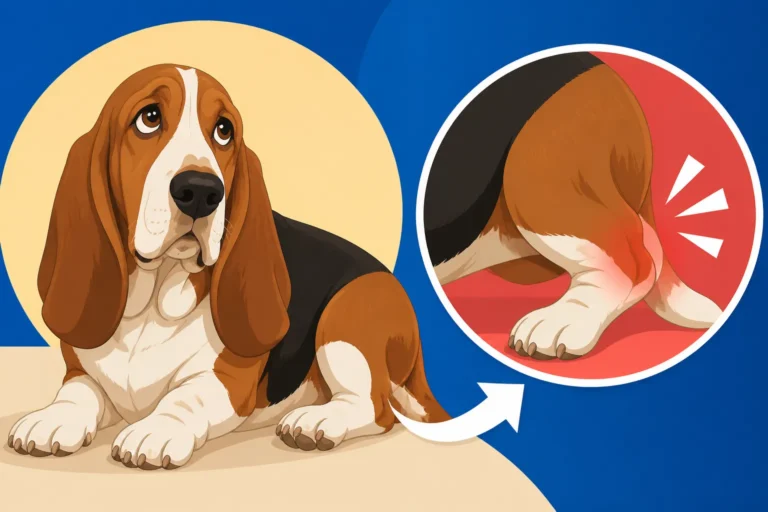
The most common areas for skin fold infections, often referred to as intertrigo, are exactly where you'd expect: anywhere skin folds overlap deeply. This includes the facial wrinkles, especially around the eyes and nose (often called nose rope or nasal folds), the jowls and lip folds, and the neck folds. You'll also frequently find them in the armpits, groin, and even around the tail pocket in some Bassets, particularly if they have a very tight, corkscrew tail. You might need to gently lift and separate the folds to get a good look, especially in the deeper crevices.
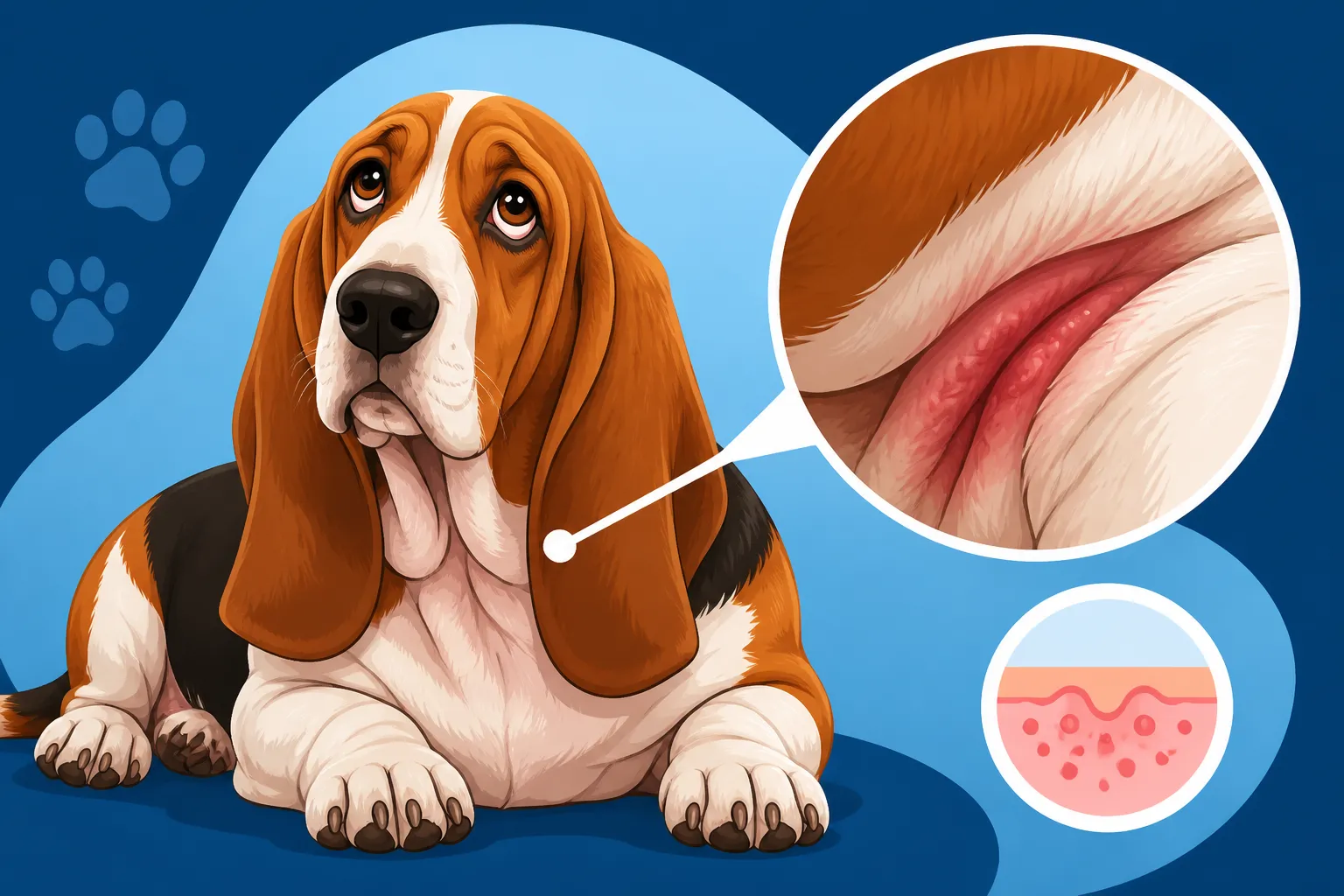
Visually, you're looking for several key indicators. Redness is usually the first sign – the skin within the fold will appear inflamed, sometimes a bright cherry red or a darker, angry crimson. Swelling can also occur, making the fold appear puffy or thickened. The skin might look shiny or raw, indicating irritation or even ulceration if the infection is severe. You might also notice a discharge, which can range from clear and watery to yellow, green, or brown, sometimes crusty or cheesy in consistency. Hair loss in the affected area is another common symptom, as the skin becomes too irritated to sustain healthy hair growth. Don't forget to also consider The Skin Under a Basset Hound's Folds more broadly, as other skin conditions can mimic or exacerbate these issues.
The Distinctive and Unpleasant Odor
If you own a Basset, you know their unique scent. But there's a particular, unmistakable odor that signals a fold infection. It's often described as yeasty, sour, sweet, or simply put, a strong, offensive smell that is not your typical "dog smell." This odor is usually the result of an overgrowth of yeast (Malassezia) or bacteria, which produce volatile compounds as they multiply. If you've ever thought, "Wow, my Basset smells particularly ripe today," even after a bath, an infection in one of those hidden folds is a prime suspect.
This scent can be surprisingly potent and pervasive, and it’s often the very first thing an owner notices, even before visual signs appear. Don't underestimate your nose! If the smell is localized to a specific area, like the face or under a jowl, it's a strong indicator that you need to investigate those folds immediately. This distinctive aroma is truly one of the most reliable early warning signs that something is amiss, urging you to gently part those beloved wrinkles and take a closer look.
When to Act Immediately
While all signs of infection warrant attention, some indicate a more urgent need for veterinary care. If you observe any open sores, deep ulcerations, or skin that appears raw and weeping, it's time to call the vet. Signs of significant pain, such as your Basset flinching, pulling away, or crying out when the area is touched, also mean a prompt visit is necessary. If the redness and swelling are spreading rapidly, or if your dog seems generally unwell, lethargic, or develops a fever, these are serious red flags.
Furthermore, if the infection has developed quickly or seems unusually severe, or if home care measures (like gentle cleaning) are causing your Basset distress rather than relief, professional help is essential. Untreated infections can spread deeper into the skin layers, become chronic, or even lead to systemic issues. Early intervention not only prevents suffering but can also save you a lot of time and money on more complicated treatments down the line. Remember, it's always better to be safe than sorry when it comes to your pet's health.
Common Types of Skin Fold Infections
When you find that angry red skin and unpleasant smell in your Basset's folds, it's typically one of two main culprits (or sometimes both working together). Understanding the difference between yeast and bacterial infections can help you grasp why your vet prescribes certain treatments and what to look out for.
Yeast Infections: The Fungal Foe
Yeast infections in Basset Hound skin folds are incredibly common, with Malassezia pachydermatis being the primary offender. This yeast is a normal resident on canine skin, but in the warm, moist, and low-airflow environment of skin folds, it can rapidly overgrow. The classic signs of a yeast infection often include a strong, sweetish, or sour odor – many describe it as a 'corn chip' or 'frito' smell, especially on the paws, but it can manifest anywhere. The skin will often be reddish-brown, greasy, and feel thick or leathery to the touch. Your Basset might be intensely itchy, leading to rubbing, scratching, and further irritation.
Yeast thrive in damp conditions, and the lack of air circulation in the folds provides them with exactly what they need to flourish. They also tend to create a more waxy, oily buildup than bacterial infections. If you're wondering Whether a Basset Hound Gets Yeast Between Its Folds, the answer is a resounding yes, and it's a frequent battle for many owners. These infections often respond well to topical antifungal medications and medicated shampoos, but consistent application and thorough drying are paramount to success.
Bacterial Infections: The Itchy, Pustular Problem
Bacterial skin fold infections are also very prevalent, often caused by Staphylococcus pseudintermedius, another organism commonly found on canine skin. When conditions are right, this bacterium can also overgrow, leading to inflammation and infection. Signs of bacterial infection might include more prominent redness, swelling, and sometimes the presence of pustules (small pus-filled bumps), papules (small red bumps), or even open sores with a purulent (pus-like) discharge. The discharge can be yellow, green, or off-white and might dry to form crusts.
Bacterial infections tend to be quite itchy and painful, and scratching can quickly make them worse, introducing more bacteria from the dog's nails. These infections often require antibiotics, either topical, oral, or both, depending on the severity. Your vet might recommend a skin cytology (taking a sample from the affected area to look at under a microscope) to determine whether yeast or bacteria are present, or both, so they can prescribe the most effective treatment.
The Complications of Chronic Inflammation
Left untreated, or if they recur frequently, skin fold infections can lead to chronic inflammation. This isn't just uncomfortable for your Basset; it can cause significant changes to the skin itself. Over time, constant irritation and infection can lead to hyperpigmentation, where the skin becomes darker and thicker, often leathery in texture (lichenification). The skin can lose its elasticity, making the folds even deeper and harder to clean.
Chronic inflammation also makes the skin more fragile and prone to future infections, creating a frustrating cycle for both you and your pet. It can also be a sign of an underlying issue, such as allergies (Whether a Basset Hound Gets Allergies), which weaken the skin barrier and predispose them to these problems. Persistent inflammation also contributes to discomfort, potentially leading to behavioral changes like irritability or reclusiveness. The long-term impact on your Basset's quality of life underscores the importance of diligent prevention and prompt treatment for every flare-up.
| Symptom / Feature | Yeast Infection (Malassezia) | Bacterial Infection (Staphylococcus) |
|---|---|---|
| Odor | Sweet, sour, "Frito-like," musty | Pungent, foul, cheesy, sometimes metallic |
| Skin Appearance | Reddish-brown, greasy, waxy, thick/leathery (lichenified), some redness | Bright red, inflamed, swollen, sometimes raw/ulcerated |
| Discharge | Waxy, yellowish-brown, oily | Purulent (pus-like), yellow, green, crusty |
| Texture | Greasy, sometimes scaly | Moist, exudative, sometimes dry crusts |
| Itchiness/Pain | Moderate to severe itchiness | Moderate to severe itchiness and pain |
| Common Locations | Folds (face, lips, neck), paws, ears | Folds (face, lips, neck), anywhere skin is broken |
| Microscope View | Peanut-shaped organisms | Cocci (round bacteria) or rods |
Proactive Prevention: Your Daily Defense Strategy
When it comes to skin fold infections in Basset Hounds, prevention truly is worth a pound of cure (or at least a lot of expensive vet bills!). Because these infections are so common due to their unique anatomy, a proactive approach is not just recommended, it's essential for their long-term comfort and health.
The Importance of Daily Cleaning and Drying
This might sound like a broken record to some Basset owners, but daily cleaning and, crucially, thorough drying of your Basset's skin folds are the bedrock of prevention. Think of it as brushing their teeth – a small, consistent effort that prevents much larger problems. Neglecting this ritual is like inviting trouble in. If you've been wondering Whether a Basset Hound's Skin Folds Need Cleaning, the answer is an emphatic yes, every single day.
For facial folds, especially the deep ones around the nose and mouth, aim for at least once a day, and sometimes twice if your Basset is particularly messy or prone to issues. Use a soft, damp cloth or a pet-specific wipe to gently clean inside each fold, removing any food debris, moisture, or discharge. After cleaning, and this is where many owners fall short, you must ensure the area is completely dry. Leaving moisture behind creates the perfect breeding ground for yeast and bacteria. A soft, clean towel or even a cool hairdryer on a low setting can be used. Remember, Whether a Basset Hound's Folds Need Drying After Cleaning isn't a question, it's a requirement!
Choosing the Right Cleansing Products
Not all cleansing products are created equal, especially for sensitive Basset Hound skin. You want to avoid anything harsh that could strip the skin's natural oils or cause irritation, as this can ironically lead to more problems. For daily cleaning, a simple warm, damp cloth is often sufficient, but for Bassets prone to infections, an antiseptic wipe or solution designed for pets is highly beneficial. Look for ingredients like chlorhexidine, which is a powerful antibacterial, or miconazole, an antifungal agent. Many brands offer convenient, pre-moistened wipes that make daily care much easier. Brands like Douxo S3 Pyo or Malaseb wipes are popular choices often recommended by veterinarians.
When choosing wipes or solutions, always check the label to ensure they are safe for use on dogs and around sensitive areas. Avoid wipes with strong fragrances or alcohol, as these can be irritating. For deeper cleaning or during an active flare-up, your vet might recommend a medicated shampoo. When using these, follow the instructions precisely, paying close attention to contact time before rinsing, and always, always ensure thorough rinsing and drying afterwards. Learning Which Wipes Suit a Basset Hound's Face Folds can make a huge difference in your daily routine.
Nutritional Support for Skin Health
While topical care is paramount, a healthy diet plays a significant supporting role in maintaining robust skin and a strong immune system, which can, in turn, help fight off infections. Good nutrition helps bolster the skin barrier, making it more resilient to external threats. Ensure your Basset is on a high-quality commercial dog food that provides balanced nutrition. Sometimes, specific dietary adjustments or supplements can be beneficial.
Omega-3 fatty acids, for instance, found in fish oil, are well-known for their anti-inflammatory properties and can contribute to overall skin health, potentially reducing the severity or frequency of flare-ups. Zinc and vitamins E and A are also crucial for skin integrity. If your Basset struggles with recurrent infections, it's worth discussing diet with your veterinarian. They might recommend specific dietary supplements or even a prescription diet formulated for skin sensitivities. Remember, a strong internal defense can significantly aid your external cleaning efforts.
Effective Treatment Approaches
Despite your best preventative efforts, sometimes a skin fold infection will still pop up. When it does, swift and appropriate treatment is necessary to alleviate your Basset's discomfort and prevent the infection from worsening. This often involves a combination of at-home care and veterinary prescribed medications.
Topical Treatments and Medicated Shampoos
For mild to moderate skin fold infections, topical treatments are often the first line of defense. These are applied directly to the affected area, delivering medication precisely where it's needed. Your vet might prescribe antiseptic solutions, ointments, or creams that contain antibacterial or antifungal agents, or sometimes a combination of both. Chlorhexidine and miconazole are common active ingredients in these topical formulations. For example, a veterinary-grade wipe containing 2-4% chlorhexidine is excellent for cleaning and disinfecting the folds daily during treatment.
Medicated shampoos are also invaluable, especially for more widespread fold involvement or if you suspect Whether a Basset Hound's Skin Is Oily is contributing to the problem. Shampoos like Malaseb, Douxo S3 Pyo, or KetoChlor are formulated with ingredients that kill yeast and bacteria while also helping to remove debris and reduce inflammation. When using medicated shampoos, it's critical to follow your vet's instructions regarding lathering time and frequency. Often, the shampoo needs to remain on the skin for 5-10 minutes to be effective before being thoroughly rinsed off. And, as always, meticulous drying of the folds afterward is non-negotiable.
Oral Medications and Advanced Interventions
When topical treatments aren't enough, or if the infection is severe, widespread, or deep-seated, your veterinarian will likely prescribe oral medications. For bacterial infections, a course of oral antibiotics will be necessary. It's crucial to complete the entire course of antibiotics, even if the symptoms appear to resolve quickly, to prevent resistant bacteria from developing. For yeast infections, oral antifungal medications might be prescribed. In cases of significant inflammation and itchiness, a short course of oral anti-inflammatory drugs, such as corticosteroids, may also be used to provide rapid relief and break the itch-scratch cycle.
Sometimes, if the infection is particularly stubborn or recurrent, your vet might recommend further diagnostics. This could include skin scrapes to rule out mites, fungal cultures, or bacterial cultures and sensitivity testing to identify the specific pathogen and determine which antibiotics will be most effective. These advanced interventions are vital for managing resistant infections or uncovering underlying causes that are contributing to the problem.
The Role of Your Veterinarian
Your veterinarian is your most important ally in managing your Basset Hound's skin fold infections. They can accurately diagnose the type of infection, rule out other skin conditions, and prescribe the most appropriate course of treatment. Self-treating can be risky, as using the wrong medication could worsen the problem or lead to antibiotic resistance. A vet visit will typically involve a thorough examination of the affected areas, possibly a cytology (examining skin cells under a microscope), and potentially a discussion about underlying causes.
Don't hesitate to contact your vet if you notice any signs of infection, especially if it's the first time or if previous treatments haven't been effective. They can guide you through the initial treatment and help you develop a long-term preventative plan. Regular check-ups are also crucial, particularly for Bassets prone to these issues. They can monitor the health of your Basset's folds and adjust preventative strategies as needed. Remember, What a Basset Hound's Skin Fold Infection Costs to Treat can vary significantly depending on severity and recurrence, highlighting the value of professional guidance.
Living with and Managing Chronic Fold Issues
For some Basset Hounds, skin fold infections aren't just an occasional nuisance; they can become a chronic, recurring problem. This requires a dedicated, long-term management strategy and a realistic understanding that while we can control and minimize flare-ups, completely eradicating the potential for them might not always be possible due to the breed's conformation.
Long-Term Management and Lifestyle Adjustments
Living with a Basset Hound prone to chronic skin fold infections means integrating preventative care into your daily routine for the long haul. This isn't just a temporary fix; it's a lifestyle adjustment for both you and your dog. Consistent daily cleaning and drying of all affected folds, using veterinary-recommended antiseptic wipes or solutions, becomes as routine as feeding them. This proactive approach aims to keep the skin environment within the folds hostile to yeast and bacteria.
Beyond direct fold care, consider other factors that might contribute. Ensuring your Basset is kept at a healthy weight is vital, as What Extra Weight Does to a Basset Hound includes deepening skin folds and increasing friction, exacerbating the problem. Managing any underlying allergies is also crucial; if your Basset has environmental or food allergies, these can weaken the skin barrier, making them more susceptible to secondary infections in the folds. Addressing the primary allergy might involve diet changes, medications, or allergy shots, which will indirectly help reduce the frequency and severity of fold infections.
When Surgical Intervention Might Be Considered
While daily care and medical management are the cornerstones of treatment, there are rare cases where surgical intervention becomes the best, or even only, option for chronic, severe skin fold infections. This procedure, known as a fold excision or cheiloplasty (for lip folds) or vulvoplasty (for vulvar folds), involves surgically removing the problematic skin fold. The goal is to eliminate the deep crease where moisture and bacteria accumulate, thus creating a flatter, drier surface that is much easier to keep clean and less prone to infection.
This is a significant decision and is typically reserved for Bassets with intractable infections that don't respond to medical management, cause constant pain, or significantly impact their quality of life. For example, if a nose rope fold is so deep and moist that it's perpetually infected, leading to chronic discomfort and even affecting their breathing, surgery might be considered. Your veterinarian, potentially in consultation with a veterinary dermatologist, will thoroughly assess your Basset to determine if surgery is appropriate, discussing the risks, benefits, and expected outcomes. It's a permanent solution, but it can dramatically improve a Basset's comfort and eliminate a source of chronic suffering.
Financial Considerations and Pet Insurance
Dealing with recurrent skin fold infections can unfortunately become quite costly over your Basset Hound's lifetime. Veterinary visits, diagnostic tests, medicated wipes, shampoos, topical creams, oral antibiotics, and antifungals all add up. A single flare-up can range from a couple of hundred dollars to well over a thousand if it's severe and requires multiple diagnostics and medications. For chronic cases, these costs can become a regular expense, making budgeting essential. This is why What a Basset Hound's Skin Fold Infection Costs to Treat is a question many owners face.
Many owners find that pet insurance can be a lifesaver for managing these chronic conditions. A good pet insurance policy, like those offered by Healthy Paws, can help offset the financial burden of recurrent veterinary visits, prescriptions, and potential surgeries. When considering pet insurance, it’s important to research different plans and understand what they cover, especially regarding chronic conditions and pre-existing conditions. While an infection diagnosed before obtaining insurance might be considered pre-existing, ongoing or new flare-ups, or new conditions, would typically be covered. Companies like Healthy Paws aim to provide comprehensive coverage for accidents and illnesses, giving you peace of mind that you can afford the best care for your Basset without having to compromise. Regular vet checks and keeping up with recommended treatments are crucial, and having a plan from providers like Healthy Paws can definitely make that easier on your wallet.
Disclaimer
This article is for general informational purposes only and does not constitute professional advice. Laws, prices and regulations vary by location and change over time. Consult a qualified professional for guidance on your specific situation.