Whether Every Basset Hound Gets Ear Infections
It's a question that weighs heavily on the hearts of many Basset Hound owners, both current and aspiring: are ear infections simply an inevitable part of life with these wonderful, droopy-eared companions? The worry is real, the vet bills can mount, and the sight of your beloved hound scratching or shaking its head constantly is truly heartbreaking. This comprehensive guide will delve deep into the realities of Basset Hound ear health, exploring why they're so prone to issues and, more importantly, what you can do to keep their ears as healthy and happy as possible.
The Truth About Basset Hound Ear Infections: Is It Inevitable?
Let's address the elephant in the room right away: no, it's not absolutely inevitable that every single Basset Hound will suffer from ear infections. However, it's crucial to be realistic. Basset Hounds are, by their very design, predisposed to ear problems to a degree that few other breeds can rival. Think of it less as a certainty and more as a lifelong management project. You wouldn't expect a fish to thrive without water, and you shouldn't expect a Basset Hound's ears to stay perfectly pristine without dedicated, consistent care.
Many owners, myself included, have gone through phases of thinking we've finally "beaten" the ear infection cycle, only for it to rear its ugly head again during allergy season or after a particularly humid week. My friend's Basset, Gus, managed to go nearly three years without a single infection, and we celebrated every clean vet check. Then, a sudden change in pollen counts, and he was back to head-shaking and discomfort. It serves as a potent reminder that while we can minimize the risk significantly, the underlying predisposition is always there, lurking.
The good news is that with proactive measures, diligent hygiene, and swift veterinary attention at the first sign of trouble, you can drastically reduce the frequency and severity of these infections. It’s about understanding the unique challenges that come with those magnificent, long ears and committing to a routine that supports their health. The key isn't to expect never to see an ear infection, but to arm yourself with the knowledge and tools to manage them effectively when they do appear, making them less frequent and less impactful on your dog's quality of life.
Why Basset Hounds Are So Prone to Ear Trouble
Understanding why Basset Hounds are so prone to ear infections is the first step toward effective prevention and management. It's not just bad luck; it's a perfect storm of genetics and unique physical characteristics that make their ears a prime environment for problems.
The Unique Anatomy of a Basset's Ear
Imagine trying to keep a dark, warm, and constantly moist cave clean and aerated. That's essentially the challenge posed by a Basset Hound's ear structure. Their ears are legendary for a reason: they are incredibly long, heavy, and pendulous, hanging low and framing their soulful faces. These impressive ear flaps, while adorable, effectively seal off the ear canal from the outside world.
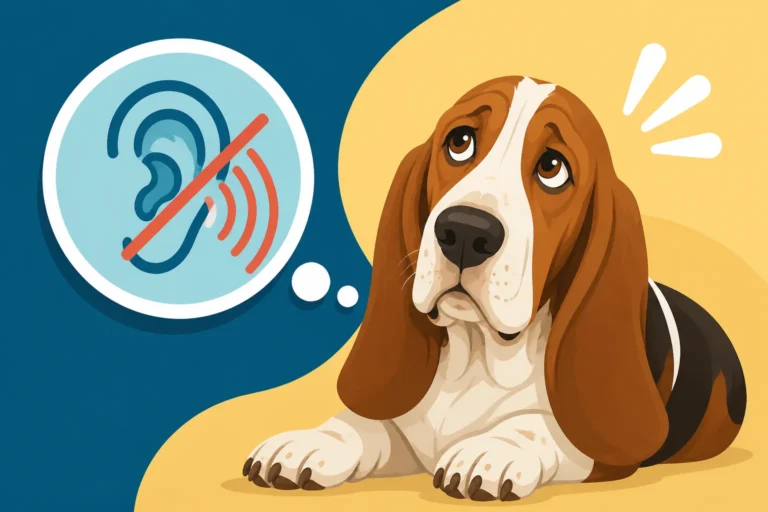
This lack of air circulation creates a warm, humid environment that is absolutely ideal for the growth of bacteria and yeast. Unlike dogs with upright or shorter ears, where air can flow freely, a Basset's ear canal is constantly covered, trapping moisture from baths, swims, or even just humidity in the air. Furthermore, the ear canal itself is not a straight shot like ours. It's a narrow, L-shaped tube, making it incredibly difficult for debris, excess wax, or any moisture to escape naturally. Gravity pulls everything downward, and the sharp turn in the canal acts like a trap. When you combine this design with the natural inclination of some Basset Hounds for their ears to drag along the ground, picking up dirt and grime, you can see how easily trouble can start. It's a constant battle against their own design, and it’s a big reason why many owners find themselves asking Whether Long Ears Are Why a Basset Hound's Ears Infect
The Role of Skin and Glands in Ear Health
Beyond the physical structure, the internal environment of a Basset Hound's ear canal contributes significantly to their susceptibility to infections. The skin lining the ear canal is rich in glands, particularly sebaceous glands, which produce ear wax (cerumen). While wax is a natural protectant, in Bassets, these glands can often be overactive, producing an excessive amount of thick, dark wax. This creates a sticky, nutrient-rich breeding ground for opportunistic microorganisms.
Adding another layer of complexity, Basset Hounds are often prone to allergies. These allergies, whether environmental (like pollen or dust mites) or food-related, frequently manifest as inflammation and itching in the ears, even before symptoms show up elsewhere on the skin. This inflammation can alter the delicate balance within the ear canal, leading to an overgrowth of yeast or bacteria that are normally present in small, harmless amounts. My own Basset, Barnaby, would always start with red, itchy ears when his seasonal allergies flared up, long before he'd start licking his paws. Knowing Whether Yeast or Bacteria Is in a Basset Hound's Ear often requires a vet visit and a microscope, as the signs can look very similar to the untrained eye. It’s a holistic issue where the immune system, skin health, and ear anatomy all play a part.
Proactive Steps to Minimize Ear Infection Risks
While we've established that Bassets are predisposed, this doesn't mean you're helpless! There are many proactive steps you can take to significantly reduce the chances of your Basset Hound developing painful, recurring ear infections.
Establishing a Regular Ear Care Routine
Consistency is truly king when it comes to Basset Hound ear care. Waiting until you see signs of trouble is often waiting too long. Establishing a regular routine is paramount, becoming as normal a part of your week as feeding or walking your dog. Most Basset owners find that a cleaning schedule of at least twice a week is necessary, sometimes even more frequently depending on the individual dog and environmental factors. You can learn more about The Twice Weekly Ear Ritual a Basset Hound Owner Signs Up For and how to integrate it into your life.
When cleaning, always gently lift the long ear flap to expose the canal. Use a veterinarian-approved ear cleaner specifically designed for dogs. Squirt a generous amount into the ear canal, gently massage the base of the ear for 20-30 seconds to break up debris, and then allow your Basset to shake their head. After the shake, use soft cotton balls or gauze wrapped around your finger to wipe away any visible wax and debris from the outer ear and the folds of the ear flap. Never use cotton swabs inside the ear canal, as this can push debris further in and potentially damage the eardrum. It’s also important to consider Which Ear Cleaner Suits a Basset Hound as some dogs may have sensitivities to certain ingredients.
Drying the ears thoroughly after any exposure to water—be it a bath, a swim, or even a walk in the rain—is another critical step often overlooked. The trapped moisture creates the perfect incubator for bacteria and yeast. While Bassets might not be avid swimmers, if yours enjoys a splash, be particularly vigilant. Even just having their ears drag through morning dew can introduce unwanted moisture. A soft towel can be used to gently blot the inside of the ear flap and the opening of the canal. Some owners even use a hairdryer on a cool, low setting, holding it a safe distance away, to ensure thorough drying. This helps prevent moisture from getting trapped and festering, which can be a primary contributor to issues, as discussed in Whether a Basset Hound's Ears Trap Water
Recognizing Early Warning Signs and Seeking Timely Vet Care
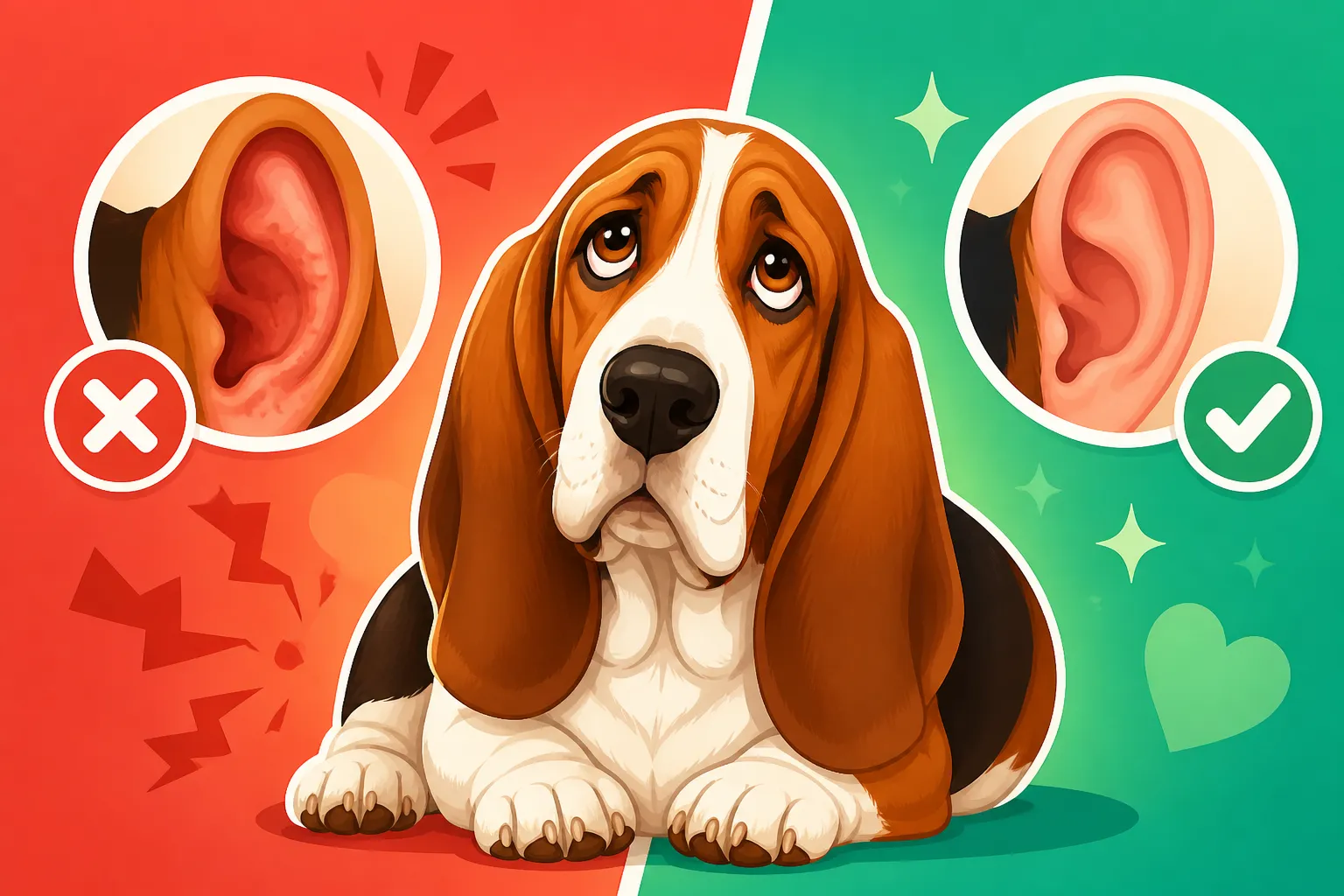
One of the most valuable things you can do as a Basset Hound owner is to become intimately familiar with what your dog's healthy ears look and smell like. This baseline knowledge will help you quickly spot any changes, allowing for early intervention. Healthy Basset ears should be pale pink inside, free of excessive wax or discharge, and have no strong odor.
Any deviation from this norm warrants attention. Common signs that The Signs a Basset Hound's Ear Has Gone Bad include:
- Excessive head shaking: This is often one of the first and most obvious indicators.
- Constant scratching: Your Basset may try to relieve the itch by scratching at their ears with a paw or rubbing their head along furniture or the carpet.
- Redness or swelling: The inside of the ear flap or the opening of the canal may appear inflamed.
- Discharge: Look for dark, waxy buildup, or even yellow, green, or brown discharge.
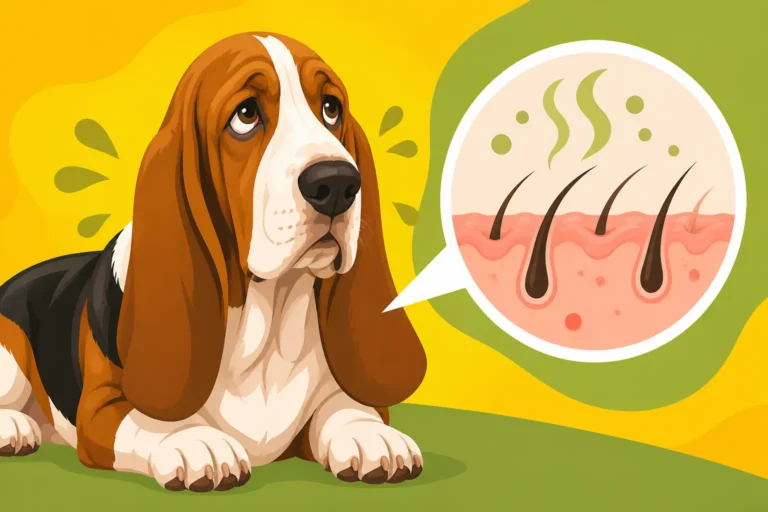
- Odor: A strong, yeasty, or foul smell emanating from the ear is a definite red flag. My Basset, Myrtle, once developed an infection that made her whole head smell like stale bread – a very distinctive, unpleasant sign!
- Pain or sensitivity: Your Basset might yelp, shy away, or become aggressive when you try to touch their ears.
If you notice any of these signs, don't delay in contacting your veterinarian. Early intervention is key to preventing a minor irritation from escalating into a full-blown, painful infection that is much harder and more expensive to treat. Your vet can perform an otoscopic exam to look deep into the ear canal, take a swab for cytology (examining under a microscope to identify yeast, bacteria, or mites), and prescribe the appropriate medication, whether it's medicated ear drops, oral antibiotics, or anti-inflammatories. Discussing preventative care and potential treatment costs with your vet is also a good idea. Many Basset owners find that having pet insurance, such as a policy from Healthy Paws, can provide immense peace of mind, covering a significant portion of these recurring veterinary expenses. It ensures you can always prioritize your Basset's health without financial stress.
Living with a Basset Hound's Ears: Management and Long-Term Outlook
Accepting that ear care is a continuous commitment is part of being a Basset Hound owner. While some lucky Bassets might sail through life with minimal issues, for many, it's an ongoing journey.
The Reality of Chronic Issues and Financial Considerations
Despite your best efforts, some Basset Hounds will simply be predisposed to chronic ear infections. It’s a frustrating reality for many owners, who feel like they're constantly battling a losing war against their dog's anatomy. These are the Bassets for whom ear infections seem to "never really leave a Basset Hound," constantly flaring up even with diligent care. Such persistent issues can be mentally exhausting for owners and, of course, physically uncomfortable for the dogs.
The financial burden of chronic ear infections is also significant. Repeated vet visits, diagnostic tests like cultures, and courses of specialized ear drops or oral medications can quickly add up. What Chronic Ear Treatment Costs a Basset Hound Owner can be a substantial amount over the dog's lifetime, especially if the infections are severe or become resistant to standard treatments. In some extreme cases, chronic, unchecked infections can lead to permanent changes in the ear canal, such as calcification or narrowing, potentially necessitating surgical intervention like a Total Ear Canal Ablation (TECA) – a costly and serious procedure.
This is where having pet insurance can truly be a lifesaver. Companies like Healthy Paws offer comprehensive policies that can cover accidents, illnesses, and even chronic conditions, which ear infections certainly are for many Bassets. Having that financial safety net allows you to pursue the best possible care for your dog without having to make difficult choices based on your budget. It transforms the anxiety of escalating vet bills into manageable co-pays and deductibles, making it much easier to commit to the long-term management required for these special hounds.
Preventative Measures Beyond Cleaning
Beyond the regular cleaning routine, there are other lifestyle and dietary considerations that can support your Basset Hound's ear health. Addressing underlying allergies is paramount, as they are a common trigger for ear inflammation. This might involve working with your vet to identify specific allergens through testing, trying hypoallergenic diets, or managing environmental factors. For instance, if your Basset has food sensitivities, switching to a limited ingredient diet or a prescription hydrolyzed protein diet can make a huge difference, reducing systemic inflammation that often manifests in the ears.
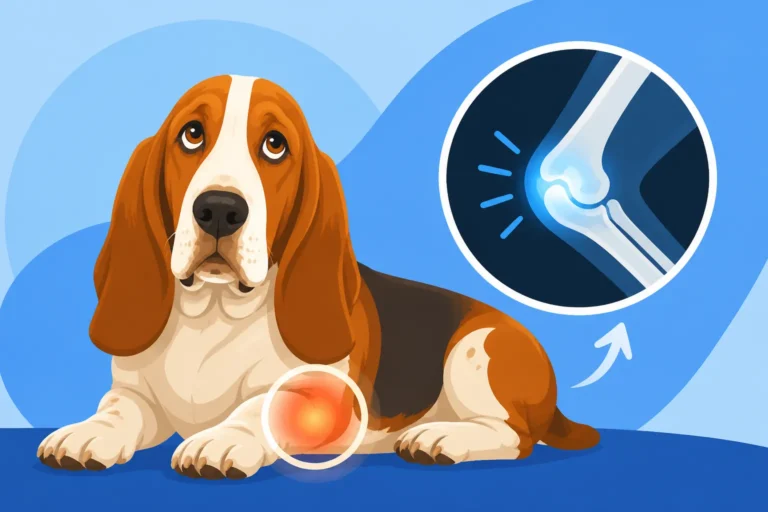
Weight management also plays a subtle but important role. Just like What Extra Weight Does to a Basset Hound in terms of joint health, an overweight Basset can have deeper, more pronounced skin folds, including around the face and neck, which can contribute to overall moisture and yeast accumulation. Keeping your Basset at a healthy weight helps maintain better overall skin and coat health, indirectly benefiting their ears.
Consider practical tools to help keep those long ears out of trouble. Many Basset owners find that using a "snood" – a fabric tube that goes over the dog's head and gathers their ears – during meal times or when they're drinking water can prevent their ears from dragging through food and water bowls. This simple accessory can significantly reduce the amount of grime and moisture that gets into the ear canal, as detailed in Whether a Basset Hound Needs a Snood at Dinner . Special bowls designed with a narrow opening can also help. Lastly, never underestimate the power of consistent, thorough veterinary check-ups. These regular visits allow your vet to monitor ear health, catch subtle changes early, and provide guidance on the best preventative strategies tailored to your individual Basset Hound.
Here's a quick look at common ear infection types and their usual symptoms:
| Infection Type | Common Symptoms | Typical Treatment | Prevention Focus |
|---|---|---|---|
| Yeast Infection | Dark, waxy discharge; sweet or sour odor; intense itching; head shaking | Antifungal ear drops/cleaners; sometimes oral meds | Regular cleaning, drying, allergy management |
| Bacterial Infection | Yellow, green, or brown pus; foul odor; pain; redness; swelling; head tilt | Antibiotic ear drops/cleaners; sometimes oral antibiotics | Regular cleaning, drying, prompt vet care for inflammation |
| Ear Mites | Dark, crusty "coffee grounds" discharge; intense itching; head shaking | Parasiticides (topical or oral) | Regular ear checks, appropriate parasite control |
| Allergy Flare-up | Redness, itching, inflammation; often precedes secondary infections | Allergy management (diet, meds, environment) | Identify and avoid allergens, consistent anti-inflammatory care |
Disclaimer
Please remember that this article provides general information and is not a substitute for professional veterinary advice. Always consult with a qualified veterinarian for any health concerns or before making any decisions about your Basset Hound's medical care.