Whether a Basset Hound’s Ears Trap Water
One of the most common worries for Basset Hound owners is dealing with those magnificent, floppy ears. They're iconic, yes, but they also come with a unique set of challenges, especially when it comes to moisture. Many new (and even experienced!) Basset parents find themselves wondering if those long, heavy ear flaps actually trap water inside, leading to a never-ending battle with ear infections. Let's dive deep into understanding how their ears are designed and what that means for keeping them healthy and dry.
The Unique Design of a Basset Hound's Ears and Their Affinity for Water
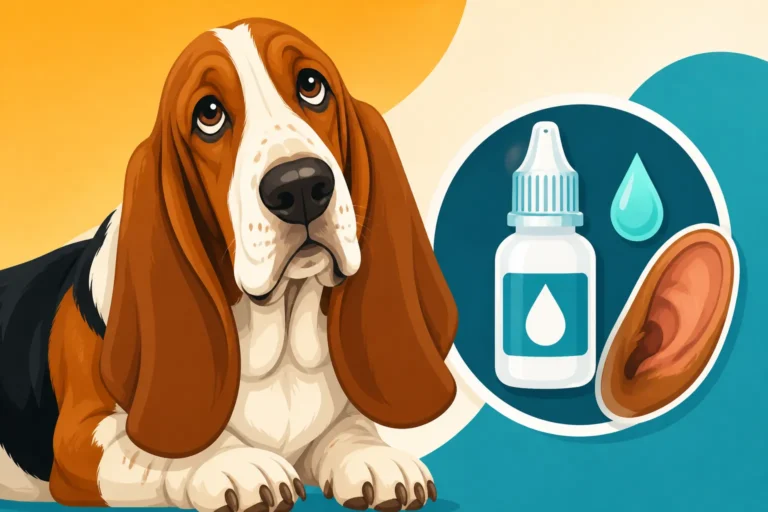
It’s not just an old wives' tale; a Basset Hound's ears are indeed perfectly designed to trap moisture. Their distinctive ear structure, while serving a crucial purpose in their hunting heritage, also creates an environment that can be a magnet for problems if not managed diligently. It's a double-edged sword: those beautiful, low-set ears are fantastic for stirring up scent and keeping it near their powerful noses, but terrible for ventilation and drainage.
The Long, Droopy Pinna
Let's start with the most obvious feature: the ear flap itself, known as the pinna. Basset Hounds boast some of the longest ears in the canine world, often reaching past their noses. These heavy, velvety flaps hang down close to the sides of their heads, effectively sealing off the opening of the ear canal from the outside world. Think of it like a curtain drawn tightly across a window.
While this curtain might be wonderful for keeping dust and debris out when your Basset is tracking a scent with its nose to the ground, it also acts as an excellent barrier to airflow. The air simply can't circulate freely inside the ear, creating a warm, dark, and humid microclimate. When your Basset takes a drink, splashes in a puddle, or even just runs through dew-laden grass, those long ears become sponges, soaking up moisture and then holding it directly over the ear canal opening. This design almost guarantees that any water introduced will have a hard time evaporating naturally, settling deep within the ear where it can cause real trouble.
The L-shaped Ear Canal
Beyond the external flap, the internal anatomy of a Basset Hound's ear canal is also a major player in its susceptibility to trapping water. Unlike many other breeds with relatively straight ear canals, a Basset Hound's ear canal takes a sharp, almost 90-degree turn. Imagine trying to drain water from a pipe that has a sharp bend in it – it’s a much slower, more difficult process than draining a straight pipe.
This L-shaped structure means that once water gets past the external ear flap and into the canal, it has to defy gravity and navigate this awkward corner to escape. It's like a water slide with an unexpected U-turn at the bottom – the water just pools there. This design severely hinders natural drainage and makes it incredibly difficult for the ear to dry out on its own. Coupled with the lack of airflow from the droopy pinna, this anatomical quirk sets the stage for moisture to linger, creating the perfect conditions for bacterial or yeast growth. It’s a primary reason why the ear canal never dries, a common question among owners (see Why a Basset Hound's Ear Canal Never Dries).
Hair and Wax Production
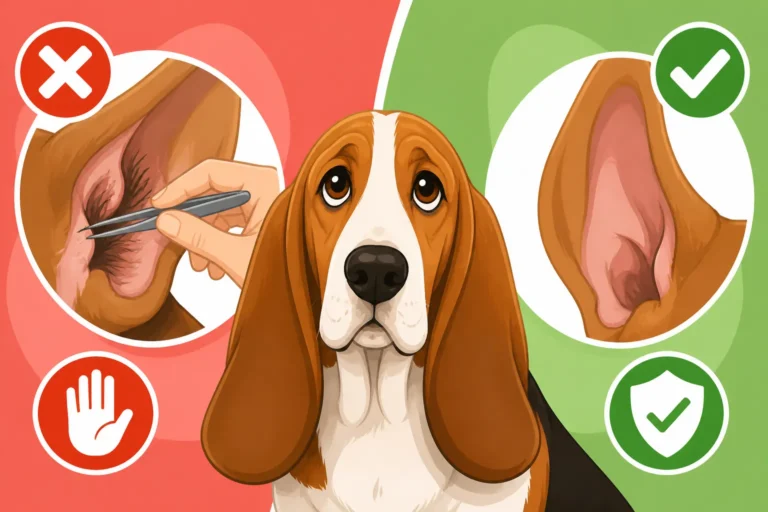
To make matters even more challenging, many Basset Hounds have a significant amount of hair growing inside their ear canals. While seemingly innocuous, this hair acts like a net, catching and holding onto any moisture that enters. It traps water droplets, prevents air from reaching the skin, and further exacerbates the humidity within the ear.
Additionally, Bassets are often prone to producing a good amount of ear wax, and sometimes this wax can be thicker or more abundant than in other breeds. This waxy buildup, when combined with trapped water, creates a sticky, nutrient-rich environment that is an absolute paradise for microorganisms. The wax itself can also physically block the already narrow and L-shaped canal, making drainage even harder. It's a perfect storm of anatomical features and natural bodily functions conspiring to keep those ears damp and ripe for infection.
The Cascade of Problems From Trapped Ear Moisture
Understanding why water gets trapped is one thing, but knowing the downstream effects is critical for any Basset Hound owner. This persistent moisture isn't just an inconvenience; it's the root cause of many painful and chronic ear issues that Bassets are infamous for.
The Perfect Breeding Ground for Infections
When moisture, warmth, and darkness combine in the enclosed space of a Basset Hound's ear, you've got the ideal incubator for opportunistic pathogens. Bacteria and yeast, which are naturally present in small numbers on a dog's skin, seize this chance to multiply rapidly. The skin inside the ear canal becomes irritated and inflamed, creating an even more hospitable environment for these invaders.
A moist ear canal softens the skin, making it more vulnerable to infection. Once an infection takes hold, it’s a vicious cycle. The inflammation leads to more fluid production, more wax, and even more irritation, which only feeds the infection further. It's a constant battle, and it's why many Bassets develop chronic ear problems. If you've ever wondered Whether Yeast or Bacteria Is in a Basset Hound's Ear when you see that gunky discharge, the answer is often "both," thriving happily in their damp dwelling.
The Cycle of Inflammation and Pain
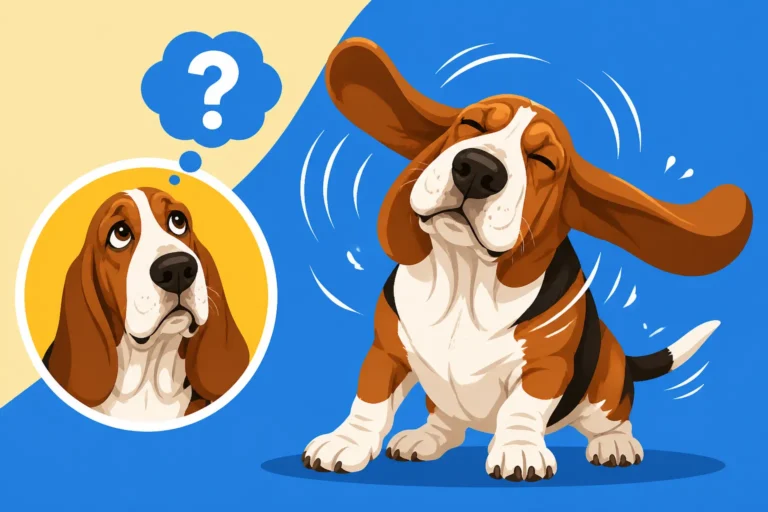
An ear infection is far more than just a bit of itchiness for your Basset. The inflammation caused by trapped water and subsequent infection can be incredibly painful. Imagine having a persistent, throbbing earache that just won't go away. This discomfort manifests in obvious ways: your Basset might start scratching at its ears incessantly, rub its head along furniture or the ground, or shake its head vigorously.
This head shaking, while an instinctive attempt to dislodge the discomfort, often makes things worse. The violent flapping of those heavy ear leathers can lead to a condition called an aural hematoma, where blood vessels within the ear flap rupture, filling the ear with blood. This is incredibly painful and requires veterinary intervention, often surgery, to resolve. The constant scratching can also break the skin, introducing new bacteria and further deepening the infection. It’s a heartbreaking cycle to watch your beloved Basset go through, and recognizing The Signs a Basset Hound's Ear Has Gone Bad early is crucial.
Chronic Issues and Potential Complications
Left unaddressed, the recurring cycle of trapped water and ear infections can lead to severe, long-term complications. Chronic inflammation causes the tissues within the ear canal to thicken and narrow, a condition known as stenosis. Over time, the ear canal can even calcify, becoming rigid and almost entirely closed off. This not only makes future cleaning and medication administration nearly impossible but also results in significant hearing loss or even complete deafness. Whether a Basset Hound Goes Deaf From Ear Disease is a very real concern for owners whose dogs suffer from severe, long-standing ear issues.
In some extreme, debilitating cases where the ear canal is irreparably damaged or the infections are untreatable by conventional means, a total ear canal ablation (TECA) might be necessary. This is a major surgery where the entire diseased ear canal is removed. While effective, it's a drastic measure that underscores the seriousness of chronic ear problems in Basset Hounds. The costs associated with such advanced treatments can be substantial, and this is where a good pet insurance plan, like those offered by Healthy Paws, can be an absolute lifesaver, helping to cover unexpected veterinary expenses.
Proactive Strategies to Combat Water Trapping in Basset Hounds
Given the inherent challenges with a Basset Hound's ear anatomy, prevention is absolutely paramount. It’s about creating a consistent routine that minimizes moisture retention and keeps those ears as dry and healthy as possible.
Post-Swim and Bath Care
One of the most critical times to be vigilant about ear moisture is immediately after baths or any water activities. Whether your Basset has enjoyed a splash in a kiddy pool (some Bassets love water, though many are surprisingly indifferent or even dislike it!), a bath, or a romp in the rain, prompt and thorough drying is non-negotiable.
After a bath, gently blot the inside of the ear flap and the outer part of the ear canal opening with a soft towel or a cotton ball. Avoid pushing anything deep into the ear canal, as this can compact debris or damage delicate structures. For a deeper dry, you might use a soft, absorbent cotton pad (like those used for makeup removal) to carefully wipe the visible folds and crevices. Some owners even use a low-setting hairdryer, held at a safe distance, to gently blow cool or lukewarm air into the ear canal for a few seconds, making sure not to overheat the area. The key is to remove as much surface moisture as possible. This immediate action is far more effective than trying to treat an infection that's already taken hold, reinforcing the advice that Whether a Basset Hound's Ears Should Be Dried After Swimming is not just a good idea, but a necessity.
Regular Ear Cleaning Routine
A consistent ear cleaning routine is your best defense against moisture-related issues and the infections they invite. This isn't just about cleaning out visible dirt; it's about using a suitable ear cleaner to maintain a healthy pH balance and break down wax and debris, allowing the ear to dry more effectively.
Aim for a regular cleaning schedule, often twice a week, but your vet might recommend more or less depending on your Basset's individual needs. When it comes to Which Ear Cleaner Suits a Basset Hound, look for vet-approved solutions that are gentle, drying, and contain ingredients like salicylic acid or boric acid. Avoid alcohol-based cleaners, as they can be too harsh and irritating. To clean, gently lift the ear flap, apply the solution directly into the ear canal until it's full, then gently massage the base of the ear for 20-30 seconds to help break up debris. Let your Basset shake its head (have a towel ready!), then wipe away any dislodged gunk with a cotton ball. Never use cotton swabs inside the ear canal, as they can push debris deeper or injure the eardrum. For a comprehensive guide, check out How Often a Basset Hound's Ears Must Be Cleaned.
Managing Moisture During Daily Activities
Beyond baths and swims, daily life presents plenty of opportunities for those long ears to pick up unwanted moisture. A simple but highly effective tool for managing this is a snood. If you've never heard of one, it's essentially a fabric tube that you slip over your Basset's head, covering and holding its ears snugly out of the way.
When your Basset is eating, drinking, or even just sniffing around in the yard, a snood can prevent its ears from dragging through food, water bowls, or damp ground. This keeps them cleaner and drier. It’s a funny sight, perhaps, but incredibly practical. You’ll be amazed how much less gunk accumulates in their ears when they wear a snood for meals, proving that Whether a Basset Hound Needs a Snood at Dinner is often a resounding yes! Additionally, try to avoid walking your Basset in tall, wet grass, especially after rain or heavy dew, as the ears will inevitably get soaked. Be mindful of humidity levels; on particularly damp days, a quick, gentle wipe down of the inner ear flap can help.
Here’s a quick overview of common ear care tools and their best use:
| Tool/Method | Best Use | Caution |
|---|---|---|
| Cotton Balls/Pads | Gentle wiping of outer ear and folds | Do not push deep into the canal |
| Vet-Approved Cleaner | Flushing/cleaning ear canal, breaking down wax | Use only solutions recommended by your vet |
| Soft Towel | Blotting excess water from ear flaps | Ensure it's clean and doesn't introduce debris |
| Ear Drying Solution | Post-swim/bath to promote evaporation | Follow directions; avoid over-application |
| Snood | Protecting ears during meals, outdoor activities | Ensure it's not too tight or irritating |
| Low-Heat Hair Dryer | Gentle drying of outer ear on cool setting | Keep distance, avoid overheating, use cool air |
Veterinary Check-ups and Proactive Care
Even with the most diligent home care, a Basset Hound's ears can still be prone to issues. Regular veterinary check-ups are crucial for early detection and intervention. Your vet can perform an otoscopic exam to look deep into the ear canal, assess its health, and identify any early signs of infection or inflammation that you might miss.
During these visits, discuss your Basset's ear care routine with your vet. They can confirm if your cleaning frequency and chosen cleaner are appropriate or recommend adjustments based on what they observe. They can also demonstrate the correct way to clean your Basset’s ears to ensure you’re doing it effectively and safely. Catching an infection in its initial stages often means simpler, less expensive treatment and prevents the problem from becoming chronic. Having a reliable pet insurance provider like Healthy Paws can help ensure that these proactive check-ups, and any necessary treatments, are always accessible without financial strain.
Recognizing When to Seek Professional Veterinary Help
Despite your best efforts, sometimes ear problems still arise. Knowing when a home remedy isn't enough and professional veterinary attention is needed is absolutely vital to prevent discomfort and long-term damage for your Basset Hound.
Recognizing Warning Signs
Your Basset Hound will almost always give you clues when something isn't right with its ears. The moment you notice any of these signs, it's time to call your vet. Don't wait, hoping it will resolve on its own, especially with a breed so predisposed to chronic ear issues.
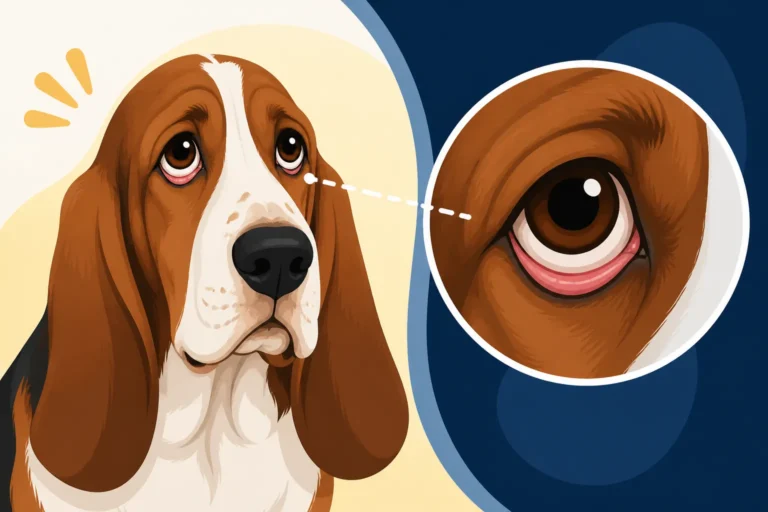
Look out for excessive scratching or rubbing of the ears, frequent head shaking, or holding one ear at an odd angle. Inspect the ear itself: is the ear flap or the visible part of the canal red, swollen, or unusually warm to the touch? Is there any discharge? This can range from a dark, waxy buildup to yellow, green, or even bloody discharge. Pay close attention to smell—a healthy ear has very little odor, but an infected ear often has a distinct, unpleasant, sometimes sweet (yeasty) or foul (bacterial) smell. Your Basset might also become sensitive to touch around the head and ears, or even cry out when you try to examine them. These are all definitive signs that The Ear Infections That Never Really Leave a Basset Hound might be taking hold, or a new one has begun.
The Diagnostic Process
When you bring your Basset to the vet with ear concerns, they won't just guess what's going on. A thorough diagnostic process is essential to determine the type and severity of the infection, which then guides the most effective treatment.
First, your vet will perform a complete physical exam, paying special attention to the ears using an otoscope. This instrument allows them to look deep into the ear canal, check the condition of the skin, assess for swelling or foreign bodies, and visualize the eardrum. They’ll also often take a sample of any discharge or debris from the ear and examine it under a microscope (this is called cytology). This microscopic examination will quickly tell them if yeast, bacteria (and what type), or mites are present. In some cases, if an infection is severe, chronic, or not responding to initial treatment, they might recommend an ear culture and sensitivity test. This sends a sample to a lab to identify the specific bacteria and determine which antibiotics will be most effective against it.
Treatment Options and Long-Term Management
Once a diagnosis is made, your vet will prescribe a tailored treatment plan. This typically involves medicated ear drops or ointments that contain antibiotics, antifungals, and/or anti-inflammatory medications. It is absolutely crucial to follow these instructions precisely, administering the medication for the full prescribed duration, even if the ear looks better after a few days. Stopping treatment too early is a common reason for infections to recur and become resistant to medication.
For very painful or severely inflamed ears, your vet might also prescribe oral anti-inflammatory medications or even systemic antibiotics. If a foreign body (like a grass awn) is found, it will need to be carefully removed. In cases of chronic, recurring infections that don't respond to medical management, or when the ear canal is severely damaged, surgery such as a TECA may be discussed as a last resort. This is a significant procedure, and it's another situation where a comprehensive pet insurance plan like Healthy Paws can provide crucial financial support, easing the burden of expensive, unexpected medical costs. The goal of all these treatments is not just to clear the current infection but to break the cycle and establish a long-term management plan that keeps your Basset's ears healthy and comfortable.
Disclaimer
The information provided in this article is for general informational purposes only and is not a substitute for professional veterinary advice. Always consult with a qualified veterinarian for any health concerns or before making any decisions related to your Basset Hound's care.