Whether Glaucoma Hurts a Basset Hound
It's absolutely heartbreaking when you look into your beloved Basset Hound's soulful eyes and see not just their usual gentle sadness, but genuine pain. Many Basset owners worry about glaucoma, and rightly so, questioning if this condition truly causes suffering. This comprehensive guide will deeply explore the painful realities of glaucoma for Basset Hounds, helping you understand its impact and how to ensure your furry family member remains as comfortable and happy as possible.
Understanding Glaucoma in Basset Hounds: More Than Just a "Bad Eye"
When we talk about glaucoma, it's easy to dismiss it as simply a vision problem or something that "happens to old dogs." But for a Basset Hound, especially one predisposed to the condition, it's a profound source of discomfort and often intense pain. It's not just an inconvenience; it's a medical emergency that demands immediate attention to save sight and alleviate suffering. Their unique genetic makeup, often linked to primary open-angle glaucoma, means that understanding this condition from a pain perspective is crucial for any Basset owner.
The Silent Pressure Cooker Inside Their Eye
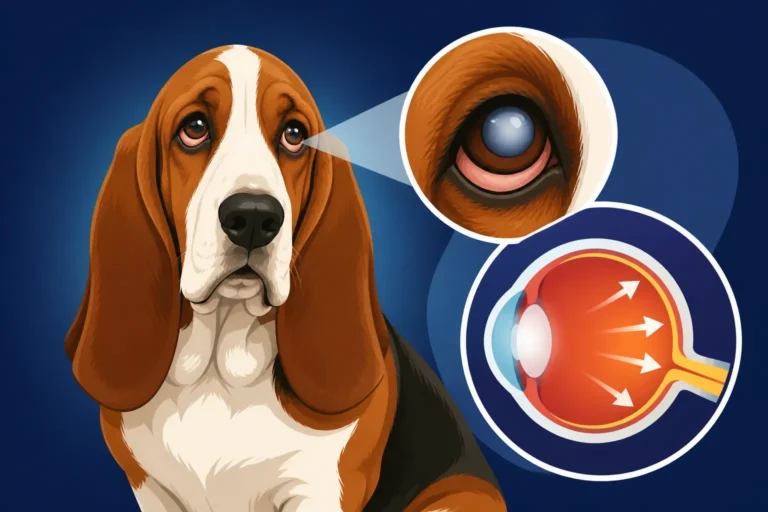
Imagine a constant, dull ache behind your eye that slowly builds into a throbbing migraine – that's often what a Basset Hound experiences with glaucoma. At its core, glaucoma is characterized by increased pressure within the eye, known as intraocular pressure. This pressure builds up because the eye's natural fluid, called aqueous humor, isn't draining properly, even if it's being produced at a normal rate. Think of it like a sink with a perpetually running tap but a clogged drain; eventually, the sink overflows. In the case of your Basset's eye, this "overflow" translates directly into immense pressure on sensitive structures, including the optic nerve, which is responsible for transmitting visual information to the brain.
For Basset Hounds, this is particularly insidious because their breed is known for inherited primary open-angle glaucoma. This means the drainage angle of the eye, which should allow the fluid to flow out freely, is congenitally malformed or inefficient. This isn't something that happens overnight in most cases; it's a slow, progressive buildup that can be surprisingly subtle until it reaches a critical, and very painful, point. The reason it's so painful is because the delicate tissues inside the eye, especially the retina and optic nerve, are stretched and compressed by this increased internal pressure. This physical stress on the nerves causes a deep, persistent ache, similar to a severe headache or sinus pressure for humans. Early on, your Basset might seem fine, but internally, that pressure is steadily climbing, causing a low-grade, constant discomfort that most dogs are experts at hiding.
Recognizing the Early, Subtle Signs of Discomfort
One of the biggest frustrations for Basset Hound owners is how stoic these wonderful dogs can be. They often mask pain until it's quite advanced, making it incredibly challenging to catch conditions like glaucoma in their early, less severe stages. You might notice your Basset being just a little "off" – perhaps less enthusiastic about their morning walk, or not quite as keen to play as usual. These vague signs are easily dismissed as aging or a bad mood, but they can be whispers of an underlying issue.
When it comes to eye pain from glaucoma, the early indicators can be even more subtle. You might observe your Basset rubbing their face more frequently on furniture or carpets, or pawing at their eye. A slight squint, particularly in bright light, might be evident. The whites of their eyes might appear a little redder than usual, or you might see a subtle cloudiness develop in the cornea. Their third eyelid might appear more prominent. They might shy away when you try to pet their head or touch their face. These are not always dramatic, sudden changes, which is why it's so easy to overlook them. This is especially true when only one eye is affected initially, as the dog learns to compensate using their healthier eye. Understanding The First Signs of Glaucoma in a Basset Hound can be a real game-changer in catching this early.
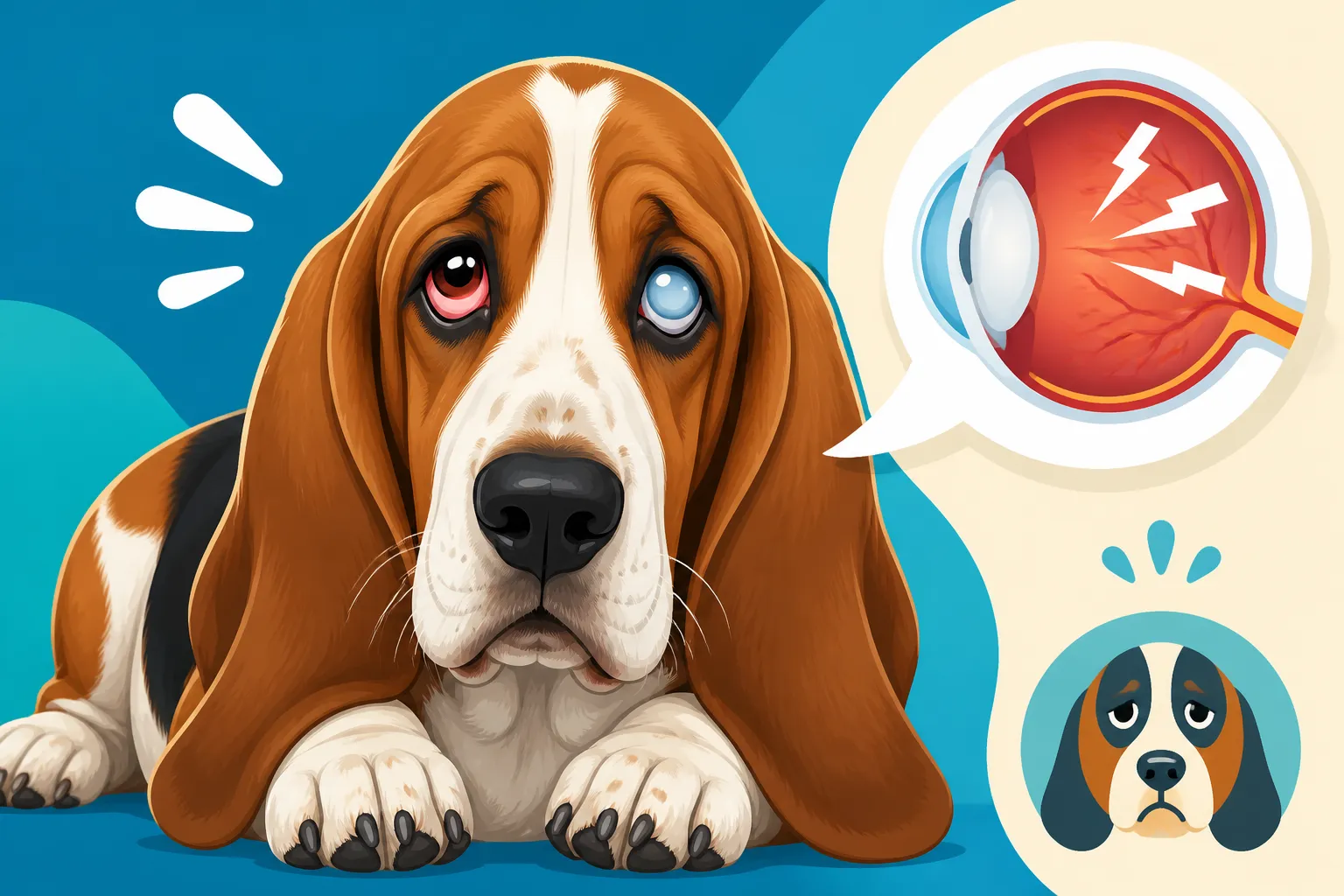
It’s only when the pressure becomes acutely high that the signs become undeniable, presenting as a true emergency. At that point, you'll see a dramatic, sudden onset of intense redness, a rapidly clouding or bluish cornea, obvious squinting, tearing, and usually a visibly dilated pupil that doesn't respond to light. The eye itself might appear noticeably larger or bulging. This acute phase is excruciatingly painful and often means significant, irreversible damage has already occurred. This rapid deterioration highlights why recognizing even the most minor, early signs is absolutely critical for your Basset's comfort and long-term eye health, making routine checks and awareness vital.
The Direct and Indirect Pain of Glaucoma
To answer the core question directly: Yes, glaucoma absolutely hurts a Basset Hound. It’s not just a benign loss of vision; it’s a physically agonizing condition that can severely impact their quality of life. The pain manifests in both direct, physiological ways and indirect ways due to the consequences of the disease. Any owner seeing their Basset in distress from this condition understands the urgency of addressing it. For more detailed information, it's worth reading about The Glaucoma a Basset Hound Inherits.
The Intense, Throbbing Headache Effect
The most immediate and profound source of pain in glaucoma comes from the sheer pressure building up inside the eye. Think of it like a persistent, severe migraine concentrated solely in their eye socket and radiating throughout their head. The optic nerve, which is essentially a bundle of millions of delicate nerve fibers, is being crushed by this pressure. This isn't a gentle squeeze; it's a sustained, relentless compression that starves the nerve of blood flow and directly stimulates pain receptors. When the intraocular pressure spikes rapidly, which it can do in acute glaucoma attacks, the pain is excruciating. It's a throbbing, searing ache that can make your Basset reluctant to move, eat, or interact. They might hold their head down, groan, or even cry out if the pain is severe enough.
Even in more chronic, slowly progressing cases, where the pressure may not reach the same acute highs, the constant, low-grade elevation causes a persistent, grinding discomfort. This kind of pain can manifest as lethargy, irritability, or a general reluctance to engage in activities they once enjoyed. They might rub their eyes frequently, squint, or shy away from bright lights, all behaviors indicative of pain and irritation. It's a continuous discomfort that chips away at their well-being, similar to living with a chronic headache day in and day out. This persistent pain is why it's so important to have a clear understanding of What Open Angle Glaucoma Does to a Basset Hound and why early intervention is so critical.
Secondary Pain from Vision Loss and Associated Issues
Beyond the direct pain of ocular pressure, glaucoma brings a host of secondary issues that contribute to a Basset Hound's overall discomfort and suffering. First and foremost is vision loss, which, unfortunately, is a common outcome if glaucoma is not caught and managed aggressively. The process of losing vision can be disorienting and terrifying for a dog. Imagine your world slowly dimming, or suddenly being plunged into darkness. This fear and anxiety manifest as stress, which can be interpreted as a form of suffering. A blind Basset Hound, while adaptable, faces a new set of challenges that can indirectly cause pain through collisions with objects, falls, and the general stress of navigating a suddenly unfamiliar world. Owners often ask Whether a Blind Basset Hound Copes, and while they can, it's a significant adjustment.
Furthermore, the increased intraocular pressure and the inflammation it causes can lead to other very painful complications. For instance, the cornea, the clear outer layer of the eye, can become thin and fragile due to the constant pressure. This makes it more susceptible to developing painful corneal ulcers, which are open sores on the surface of the eye. These ulcers are extremely painful, often causing intense tearing, squinting, and rubbing. In severe cases, the pressure can cause the eye to bulge outwards, known as buphthalmia, which itself is uncomfortable and puts further strain on the surrounding tissues. If the eye becomes permanently blind, enlarged, and chronically painful, which can happen despite medical intervention, the best option for pain relief might even be surgical removal of the eye (enucleation), a drastic step that underscores just how much pain an affected eye can cause. This decision is never taken lightly and is always in the interest of the Basset Hound's quality of life.
Managing the Pain and Preserving Comfort for Your Basset
Recognizing that glaucoma causes significant pain is the first step towards effective management. The goal of treatment isn't just to save vision, if possible, but crucially, to alleviate pain and ensure your Basset Hound enjoys a comfortable life. This requires a dedicated approach, often involving a combination of medical and surgical strategies, and consistent care from you, the owner. Getting ahead of this painful condition is paramount.
The Crucial Role of Timely Diagnosis and Treatment
The moment you suspect something is wrong with your Basset Hound's eyes, or even if you just notice any of the subtle signs mentioned earlier, getting to the vet immediately is non-negotiable. Timely diagnosis is the absolute cornerstone of pain management and potential vision preservation for glaucoma. Your veterinarian will use a special instrument called a tonometer to measure the intraocular pressure in your Basset's eyes. This quick and painless test is vital. Because Basset Hounds are genetically prone to this, regular checks can be life-saving. Many veterinarians recommend Whether a Basset Hound Needs a Yearly Eye Pressure Check as part of their routine wellness exams, especially for breeds at risk.
Once diagnosed, medical management typically begins with eye drops. These aren't just any eye drops; they are potent medications designed to either decrease the production of aqueous humor or increase its drainage from the eye, thereby reducing the painful pressure. Common types of drops include prostaglandin analogs (like latanoprost), beta-blockers (like timolol), and carbonic anhydrase inhibitors (like dorzolamide). The challenge for owners is the consistent application, often several times a day, every single day. Missing doses can lead to pressure spikes and renewed pain. It can be a demanding routine, but knowing it's directly relieving your Basset's pain makes it worth every effort. These medications can be a significant ongoing expense, which is why having pet insurance, such as a plan from Healthy Paws, can provide much-needed financial relief, allowing you to prioritize your Basset's comfort without undue stress about the cost of vital daily medications.
Surgical Interventions for Lasting Relief and Quality of Life
While eye drops are often the first line of defense, they aren't always sufficient, especially in advanced or aggressive cases of glaucoma. When medical management can no longer control the pressure and the associated pain, surgical intervention becomes a crucial option, not just for vision, but primarily for pain relief and quality of life. Understanding What Glaucoma Surgery Costs a Basset Hound Owner is important for financial planning.
There are several surgical procedures, each with a different goal. One option is laser cyclophotocoagulation, which uses a laser to selectively destroy some of the cells that produce aqueous humor, thereby reducing fluid production and pressure. Another might involve placing a drainage device (gonioimplant) to help shunt fluid out of the eye. These procedures aim to reduce pressure while attempting to preserve vision, though success varies greatly depending on the stage of the disease. In cases where the eye is already blind, permanently enlarged, and experiencing intractable pain despite all other efforts, enucleation – the surgical removal of the eye – is often the most humane choice. While it sounds drastic, removing a chronically painful, non-functional eye immediately eliminates the source of suffering, allowing your Basset Hound to live a much more comfortable and pain-free life. It’s a brave decision for an owner, but one that is often made out of deep love and concern for the dog's well-being. Serious health conditions like glaucoma can incur substantial vet bills for diagnostics, medications, and potential surgeries; having a comprehensive pet insurance policy from a provider like Healthy Paws can truly help manage these unexpected and often high costs, giving you peace of mind to make the best decisions for your Basset.
| Glaucoma Type | Key Symptom of Pain | Initial Pain Management | Long-Term Pain Management |
|---|---|---|---|
| Acute Glaucoma | Sudden, severe eye redness, squinting, bulging eye, intense head/eye ache. | Emergency vet visit, immediate pressure-lowering eye drops (e.g., mannitol IV, strong topical drops). | Consistent daily eye drops, possible surgical intervention (laser, drainage implant, enucleation). |
| Chronic Glaucoma | Gradual onset, subtle eye rubbing, lethargy, decreased appetite, mild squint, persistent dull ache. | Diagnosis via tonometry, regular administration of prescribed eye drops. | Consistent daily eye drops for life, monitoring for progression, considering surgery if medical management fails. |
Holistic Support and Adapting to a Pain-Free Life
Managing your Basset Hound's glaucoma pain extends beyond just medication and surgery. It involves creating a supportive environment that minimizes stress and maximizes their comfort, especially if vision loss is a factor. If your Basset does lose vision, even in one eye, establishing consistent routines and keeping furniture in fixed locations can prevent bumps and falls, which can indirectly cause pain or exacerbate existing discomfort. Creating safe, familiar pathways around the home helps reduce anxiety.
Comfortable, orthopedic bedding can support their joints, which is especially important if they're less active due to eye pain or vision impairment. Regular, gentle exercise appropriate for their condition can also aid overall well-being. Beyond physical comfort, regular check-ups with your veterinarian or a veterinary ophthalmologist are crucial. They can monitor eye pressure, assess the effectiveness of current treatments, and adjust pain management strategies as needed. It’s about being observant and communicating any changes you notice in your Basset's behavior or comfort level to your vet. Don't forget that What a Basset Hound's Eye Care Costs can add up, so planning is essential. Also, understanding Whether a Basset Hound Goes Deaf From Ear Disease alongside potential eye issues can help you prepare for a dog with multiple sensory challenges, ensuring their environment is optimized for their specific needs.
Remember, your Basset Hound relies on you to advocate for their comfort. Being proactive, diligent with treatments, and attentive to their subtle cues will go a long way in ensuring they lead a happy, pain-free life, even with a challenging condition like glaucoma. While no one wants their dog to face such a struggle, knowing that you're doing everything possible to alleviate their pain brings immense peace of mind.
Disclaimer
This article is for general informational purposes only and does not constitute professional advice. Laws, prices and regulations vary by location and change over time. Consult a qualified professional for guidance on your specific situation.