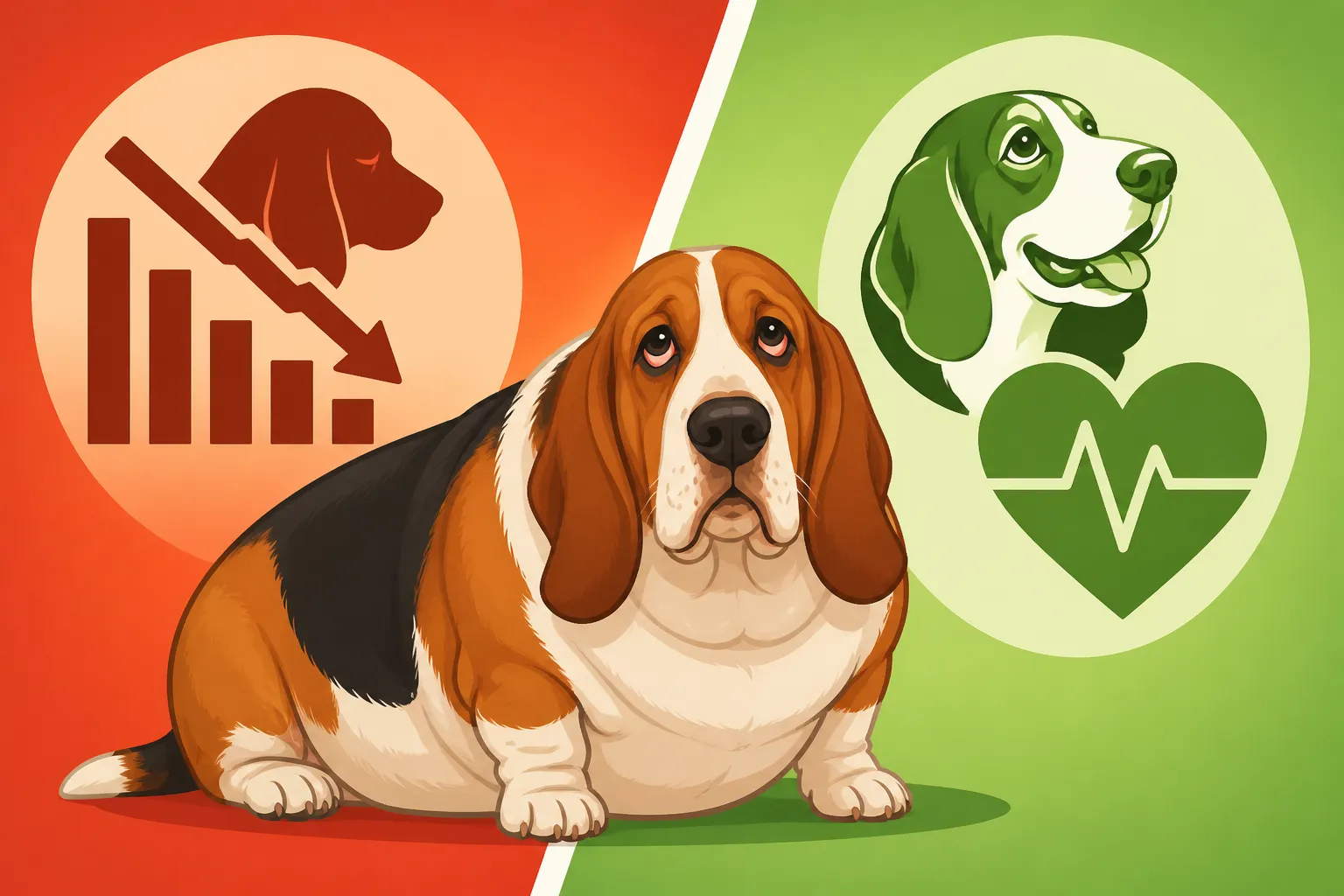
Whether an Overweight Basset Hound Lives Shorter
It's a truth many Basset Hound owners grapple with, often subconsciously: the adorable, somewhat chunky physique we adore can, unfortunately, be a silent saboteur of their health and longevity. It's heartbreaking to think that our love, expressed through an extra treat or a slightly generous meal portion, could be shortening their time with us, but it's a critical reality we must face for their well-being. This guide will delve deep into why carrying excess weight is so detrimental to a Basset Hound's lifespan and what we can do to ensure they live their fullest, healthiest lives.
The Undeniable Link Between Weight and Lifespan in Basset Hounds
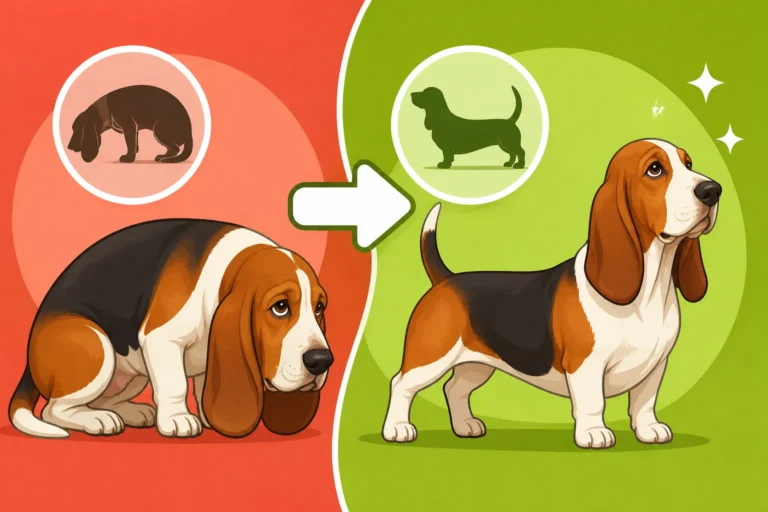
The image of a roly-poly Basset Hound might be charming, but beneath that extra layer of fluff lies a significant health burden. Numerous studies across various breeds, including those specifically focusing on chondrodystrophic breeds like Basset Hounds, consistently demonstrate a clear correlation: overweight dogs live shorter lives. This isn't just about appearances; it's about the profound physiological stress that excess body fat places on every single system in their unique bodies.
How Extra Pounds Impact Their Unique Physiology
Basset Hounds are already built with a predisposition to certain physical challenges due to their unique conformation. Their short, stout legs, long backs, and heavy bone structure are part of their charm, but they're also points of vulnerability. When you add extra weight to this equation, it exacerbates these inherent structural stresses. Imagine carrying a backpack filled with bricks all day, every day – that's what even a few extra pounds feel like to a Basset Hound. Their joints, already working hard, are forced to bear an even greater load, leading to accelerated wear and tear.
Furthermore, excess fat isn't just inert storage; it's an active endocrine organ that produces inflammatory hormones. These hormones circulate throughout the body, creating a state of chronic, low-grade inflammation. This inflammation affects everything from joint health to organ function, making the body constantly work overtime to try and manage it. This internal struggle significantly contributes to a faster decline in overall health and vitality, shaving precious years off their potential lifespan. It's a silent, insidious process that chips away at their health day by day.
The Science Behind Reduced Longevity
The impact of obesity on lifespan is well-documented in veterinary science. Overweight dogs, on average, live about two years less than their leaner counterparts. For a Basset Hound, whose average lifespan is already around 10 to 12 years, losing two years is a substantial portion of their existence. This reduction isn't due to one single catastrophic event but rather a cascade of interconnected health issues that become more prevalent and severe with increased body weight. These can include metabolic diseases, cardiovascular strain, and even certain types of cancer.
Consider a Basset Hound's heart. It has to pump blood through a larger body mass, leading to increased workload and potential strain over time. The lungs have less space to expand due to abdominal fat, making breathing more labored, especially during even mild activity. Even their immune system can be compromised by chronic inflammation, making them more susceptible to infections and slower to recover. It's a complex web of detrimental effects that, collectively, shorten their time on earth. It's a tough pill to swallow, but understanding these mechanisms is the first step toward making a change.
Recognizing the Silent Health Risks of Obesity
It’s easy to overlook a few extra pounds, especially when your Basset Hound gives you those soulful, pleading eyes. We all want to spoil our beloved companions. However, what often goes unnoticed are the serious, sometimes life-threatening, health complications that those extra pounds bring. These aren't just minor inconveniences; they are significant threats to your Basset Hound's quality of life and longevity.
Joint Problems and Mobility Issues
One of the most immediate and visible impacts of excess weight on Basset Hounds is the strain on their joints. With their characteristic short legs and heavy bodies, their joints—especially elbows, hips, and knees—are already under considerable stress. When they're overweight, this stress becomes chronic and intense, accelerating the development and progression of painful conditions like arthritis. You might notice your Basset Hound struggling to get up, lagging on walks, or even showing signs of pain when touched.
Over time, this can lead to severe mobility issues, where even simple movements like getting on the couch or navigating stairs become excruciating. Imagine watching The Old Basset Hound That Cannot Get Off the Floor because years of extra weight have taken their toll. Conditions like elbow dysplasia, which Basset Hounds are predisposed to, are significantly worsened by obesity, leading to premature discomfort and disability. Prevention through weight management is far easier and more humane than managing chronic pain later.
Increased Risk of Serious Diseases
Beyond joint pain, obesity dramatically increases a Basset Hound's susceptibility to a host of other serious health problems. Diabetes, for instance, becomes a much higher risk, as excess fat can interfere with insulin function, leading to insulin resistance. This means their body can't properly regulate blood sugar, necessitating daily insulin injections and a strict diet for the rest of their lives.
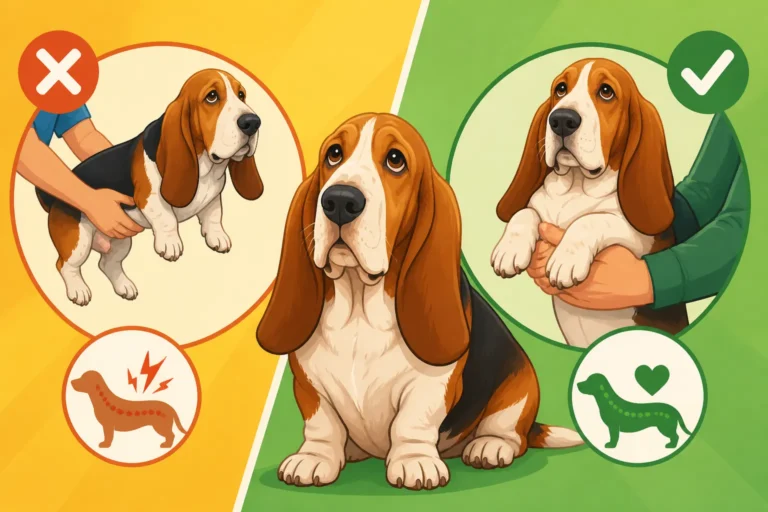
Another critical concern for Basset Hounds is intervertebral disc disease (IVDD). Their long backs are inherently vulnerable to disc herniations, and extra weight adds immense pressure to the spinal column. Even a small jump or awkward movement can trigger a painful disc event, potentially leading to paralysis. You might be surprised to learn that Intervertebral Disc Disease in a Basset Hound is a major concern, and being overweight makes it far more likely to occur and more severe when it does.
Furthermore, respiratory issues become more pronounced, especially in a breed already prone to snoring and heavy breathing due to their facial structure. Excess fat in the chest and abdomen restricts lung capacity, making them less tolerant to exercise and heat. Overweight Basset Hounds are also at a higher risk for certain types of cancer, heart disease, and liver problems, all of which contribute to a shorter, less comfortable life. These are the hidden costs of those extra treats.
Here's a quick overview of how excess weight can impact your Basset Hound's health:
| Body System Affected | Potential Health Issues | Impact on Lifespan & Quality of Life |
|---|---|---|
| Musculoskeletal | Arthritis, Elbow Dysplasia, Hip Dysplasia, IVDD, Ligament Tears | Chronic pain, reduced mobility, difficulty exercising, potential for costly surgeries, diminished enjoyment of life. |
| Metabolic | Diabetes Mellitus, Insulin Resistance, Hypothyroidism | Requires lifelong medication, strict diet, regular vet visits; can lead to organ damage if uncontrolled. |
| Cardiovascular | Heart Disease, High Blood Pressure | Increased strain on heart, reduced stamina, higher risk of heart failure; generally leads to a shorter, more difficult life. |
| Respiratory | Difficulty Breathing, Heat Intolerance, Snoring | Reduced exercise capacity, higher risk of heatstroke, sleep disturbances; overall discomfort. |
| Immune | Decreased Immunity, Increased Inflammation | More susceptible to infections, slower healing, contributes to progression of other chronic diseases. |
| Integumentary | Skin Fold Infections, Poor Coat Quality | Discomfort, odor, recurrent infections requiring veterinary care; specific to a Basset Hound's unique skin folds. |
| Reproductive | Difficulty Breeding, Complicated Pregnancies | Can impact a Basset Hound's ability to safely carry a litter. |
| Urinary | Bladder Stones | Painful urination, increased risk of urinary tract infections, potentially requires surgery. |
Exacerbated Skin and Ear Issues
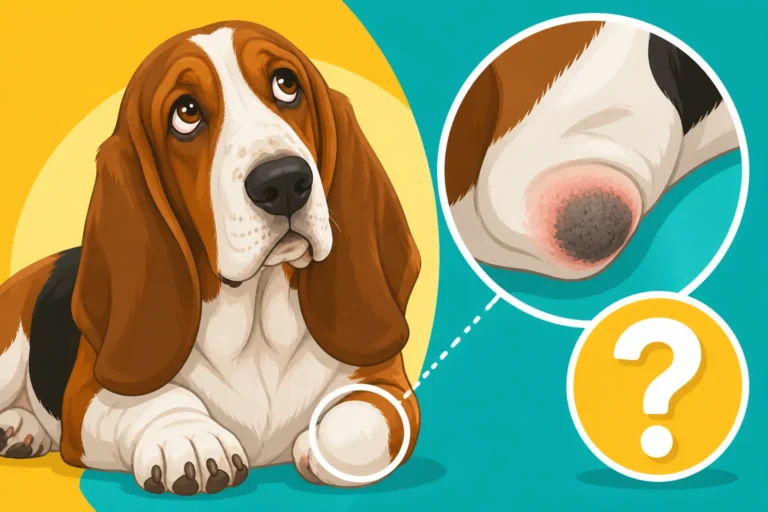
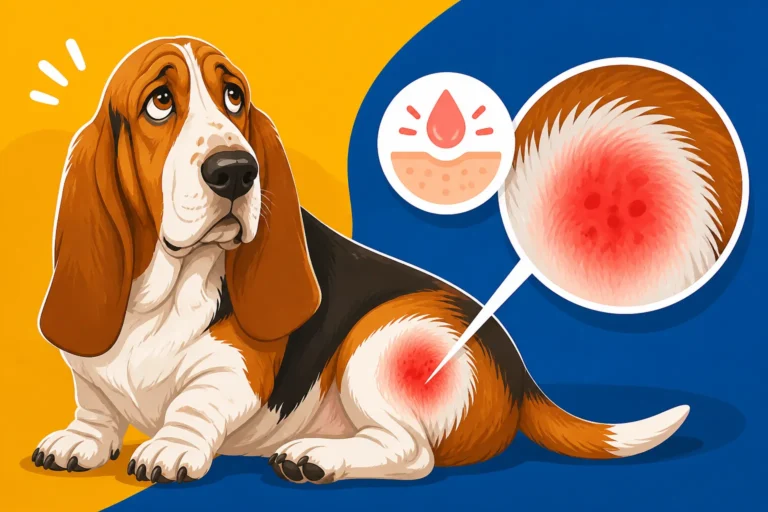
Basset Hounds are famous for their luscious folds of skin and long, heavy ears. While these features are undeniably adorable, they also present unique challenges when it comes to hygiene and health. Excess weight can significantly exacerbate these issues, turning what might be a manageable concern into a chronic problem. For instance, The Skin Under a Basset Hound's Folds is already prone to yeast and bacterial infections due to trapped moisture and lack of air circulation. When a Basset Hound is overweight, these folds can become deeper and more numerous, creating even more breeding grounds for problematic microorganisms. This leads to persistent irritation, unpleasant odors, and discomfort for your dog, often requiring regular medicated baths and topical treatments.
Similarly, their long, pendulous ears are notorious for trapping moisture and debris, leading to frequent ear infections. While the length of their ears is a primary factor, an overweight Basset Hound may have reduced mobility to shake its head effectively or might have more fat around the neck and jowls that further restricts airflow to the ear canals. This can contribute to Why a Basset Hound's Ear Canal Never Dries, making them even more susceptible to painful, recurring infections that can be difficult and costly to treat. The extra effort needed for cleaning and managing these issues adds stress to both the dog and the owner.
Practical Steps to Help Your Basset Hound Achieve a Healthy Weight
It can feel overwhelming to tackle weight management, especially when our Basset Hounds are so good at convincing us they're perpetually starving! But taking proactive steps to help your Basset Hound reach and maintain a healthy weight is one of the most loving and impactful things you can do for their long-term health and happiness. It’s not about deprivation; it’s about providing them with a balanced lifestyle that truly supports their unique needs.
Assessing and Adjusting Their Diet
The first and most crucial step in weight management is taking a hard look at what and how much your Basset Hound is eating. It’s incredibly easy for calorie creep to happen – a few extra treats here, a slightly larger scoop of kibble there, and suddenly, they're consuming far more than they need. Begin by objectively assessing their current body condition. You should be able to feel their ribs without pressing hard, and they should have a discernible waistline when viewed from above. If you're unsure, your veterinarian can provide a professional body condition score. You can also learn more about Feeling for a Basset Hound's Ribs Under Loose Skin.
Once you know your goal, it's time to adjust their diet. This usually means reducing their caloric intake. Work with your vet to determine an appropriate daily calorie target. This often involves switching to a high-quality, weight-management dog food that is lower in calories but still provides all essential nutrients. Brands like Hill's Prescription Diet Metabolic or Royal Canin Satiety Support can be excellent options, though your vet will recommend what's best. Absolutely critical is the use of a measuring cup – don't just eyeball it! Even a small overestimation each day adds up to significant weight gain over time. Remember that all treats and human food scraps contribute to their daily calorie count, so these must be factored in or drastically reduced. For specific advice on what to feed, you might find valuable insights in Keeping a Basset Hound at Its Correct Weight.
Incorporating Safe and Effective Exercise
Let’s be honest, Basset Hounds aren't typically known for their boundless energy. They love their naps! However, even a Basset Hound needs regular, gentle exercise to maintain muscle mass and burn calories. The key is consistency and safety. High-impact activities are generally a no-go for their delicate backs and joints, especially if they are already carrying extra weight. Instead, focus on low-impact activities like leisurely walks.
Aim for a couple of 20-30 minute walks per day, gradually increasing the duration as their stamina improves. If they're particularly resistant to moving, consider breaking it up into shorter, more frequent strolls. The goal isn't speed or distance, but consistent movement. Engaging their incredible noses can also make exercise more appealing; scatter-feeding their meals in the yard or using a snuffle mat indoors can provide mental stimulation and gentle physical activity. Supervised swimming in a shallow, warm pool (with a life vest!) can be an excellent non-weight bearing exercise, but always ensure their long ears are protected from water. For those stubborn hounds, Getting Weight Off a Basset Hound That Will Not Exercise offers more tailored strategies.
The Role of Your Veterinarian and Ongoing Monitoring
Your veterinarian is your most valuable partner in this weight loss journey. They can help rule out any underlying medical conditions (like hypothyroidism, which can contribute to weight gain) that might be hindering weight loss. They'll also help you set realistic goals, create a safe weight loss plan, and monitor your Basset Hound's progress. Regular weigh-ins at the vet's office are crucial, not just for accountability but also to ensure the diet isn't too restrictive or too slow.
Don't be afraid to ask for advice on specific foods, portion sizes, and exercise routines. They can also recommend appropriate joint supplements that can make exercise more comfortable for an overweight dog. Companies like Healthy Paws, which offer pet insurance, can be incredibly helpful here. While their plans don't typically cover routine weight loss diets, having a comprehensive policy can give you peace of mind that if weight-related conditions like severe arthritis or diabetes develop, you'll be better prepared for the unexpected vet bills. Knowing you have financial support for these conditions can make it easier to pursue the best possible care without delay. This collaborative approach with your vet, combined with mindful feeding and activity, is the path to a healthier, longer life for your Basset Hound.
Long-Term Strategies for a Leaner, Longer Life
Achieving a healthy weight for your Basset Hound isn't a one-time fix; it's a lifelong commitment. The real challenge, and the ultimate reward, lies in sustaining those healthy habits year after year. This long-term dedication ensures your beloved companion enjoys not just a longer life, but a vibrant, comfortable, and energetic one too. It requires consistency, vigilance, and adapting as your Basset Hound ages.
Maintaining a Healthy Weight for Life
Once your Basset Hound reaches its ideal weight, the next step is maintenance. This means sticking to the portion sizes that got them there, or perhaps slightly increasing them if your vet advises it, given increased activity. Regular weigh-ins at home, ideally once a month, are indispensable. A digital pet scale can be a great investment, or you can simply weigh yourself, then weigh yourself holding your Basset Hound, and subtract the difference. Keep a log of their weight to easily spot any upward trends before they become significant. This simple practice of tracking helps you catch small gains before they snowball into full-blown obesity again.
It's important to remember that as Basset Hounds age, their metabolism naturally slows down, and their activity levels may decrease. This means their caloric needs will change over time, and you’ll need to adjust their food intake accordingly. Consult your vet during their annual check-ups to discuss their evolving nutritional requirements and ensure their diet is still appropriate for their age and activity level. Continuing to choose healthy, low-calorie treats, or even using a portion of their daily kibble as treats, can also prevent inadvertent weight gain.
Adapting Exercise and Environment as They Age
Just as their dietary needs change, so too will their exercise capacity. An older Basset Hound might not be up for long walks, but short, frequent strolls are still crucial. Focus on maintaining muscle mass and joint flexibility. Consider gentle games that engage their nose, like hiding treats around the house, which provides mental stimulation without excessive physical strain. For older Basset Hounds, even gentle leash walks around the block can be incredibly beneficial.
Making their home environment safe and accessible is also vital, especially for a breed prone to back and joint issues. Provide ramps for accessing furniture or the car, eliminating the need for strenuous jumps that could lead to injury, particularly in a heavier dog. You can learn more about Whether a Basset Hound Should Use Ramps at Home. Orthopedic beds can provide critical support for their joints and spine, encouraging restorative sleep. Ensuring non-slip rugs on hard floors can also prevent falls and unnecessary strain. These thoughtful adjustments allow them to move more freely and comfortably, contributing to their overall well-being.
Leveraging Pet Insurance for Ongoing Health
While regular check-ups and a healthy lifestyle are your first line of defense, unforeseen health issues can still arise. Pet insurance can be a valuable tool in managing the costs associated with health conditions, especially those that can be exacerbated by or mistaken for weight-related problems. For example, if your Basset Hound develops an unexpected ailment, having a plan from a provider like Healthy Paws can help cover eligible veterinary expenses, allowing you to focus on their recovery rather than financial strain. They offer comprehensive coverage for accidents and illnesses, which is particularly relevant given the health predispositions of Basset Hounds.
Even if you’re diligently managing their weight, knowing that you have financial support for diagnostic tests, specialist consultations, or emergency treatments for things like a sudden lameness or a metabolic imbalance can provide immense peace of mind. It allows you to pursue the best possible veterinary care without delay, which is critical for breeds like Basset Hounds who can develop complex conditions over time. Being prepared for potential health challenges, both proactively through weight management and reactively through insurance, is the cornerstone of responsible Basset Hound ownership, helping them live the longest, happiest life possible.
Disclaimer
Please remember that the information provided in this article is for educational purposes only and should not be considered a substitute for professional veterinary advice. Always consult with your veterinarian regarding your Basset Hound's specific health concerns, diet, and exercise regimen.