Whether a Basset Hound’s Skin Folds Need Cleaning
One of the biggest joys of sharing your life with a Basset Hound is cuddling into those luxuriously soft, velvety folds. But let's be honest, those same adorable wrinkles, especially around their sweet, droopy faces and jowls, can quickly become a hotbed for moisture, food debris, and general gunk, leading to some truly unpleasant odors and even painful infections. If you’ve ever wondered, “Whether a Basset Hound's skin folds need cleaning?” the resounding answer is an emphatic yes – and then some. This guide will walk you through exactly why these folds are so prone to trouble and how to keep your Basset comfortable, clean, and smelling fresh.
Understanding the Basset Hound's Unique Skin Folds
Basset Hounds are undeniably distinctive with their long, pendulous ears, mournful eyes, and those wonderfully wrinkly faces. It's part of their charm, their very essence, but it also comes with a built-in maintenance schedule that many new owners don't quite anticipate. These aren't just decorative wrinkles; they're a hallmark of the breed, rooted in their history and purpose.
Why Basset Hounds Have So Many Folds
The abundance of loose skin and pronounced folds on a Basset Hound isn't an accident; it was purposefully bred into them for their original job: scent trailing. Imagine their long, heavy ears sweeping the ground, funneling scents directly to their incredibly powerful noses. Those facial wrinkles, often referred to as the "dewlap" or "lip flews," were thought to further trap and hold scent particles close, allowing them to follow a trail with unparalleled precision, even when moving slowly. This loose skin also gave them a measure of protection when pushing through thorny underbrush while hunting.
While these features were a boon for hunters, they present a unique challenge for pet owners today. The folds create warm, moist environments where air circulation is minimal. This is the perfect breeding ground for all sorts of microorganisms, leading to issues like The Skin Under a Basset Hound's Folds. It's a classic case of what makes them adorable also making them a bit high-maintenance in the hygiene department. Many owners initially feel overwhelmed by the sheer volume of skin to care for, and that's a perfectly normal reaction! It’s a commitment, but a manageable one with the right routine.
The Types of Folds and Where They Occur
It’s not just one big blanket of skin; Basset Hounds have specific areas where folds tend to collect and cause trouble. Knowing these hotspots is key to a thorough cleaning routine.
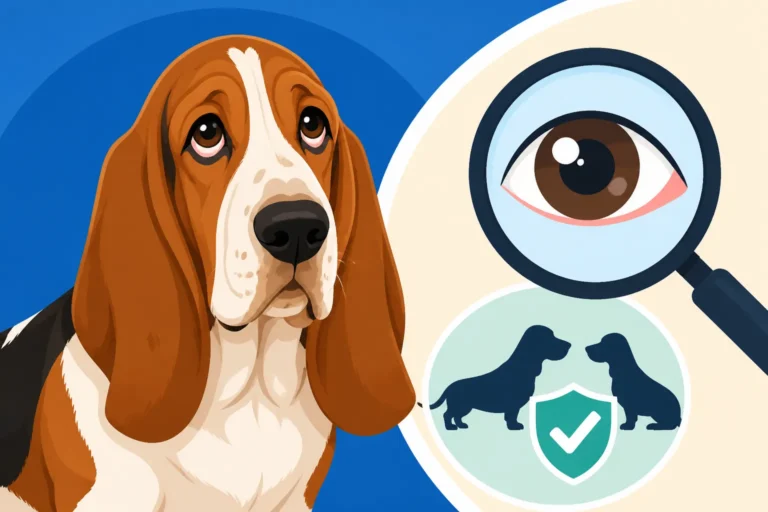
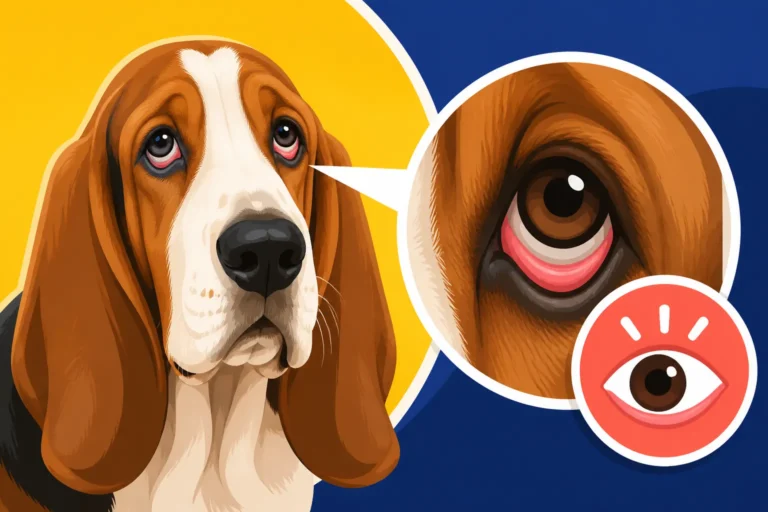
First, let's talk about the face, which is arguably the most problematic area. You have the deep wrinkles around their muzzle and under their chin, often referred to as jowls. These folds collect food, drool, and moisture from drinking, leading to a constant dampness that can quickly turn sour. Then there are the folds around their eyes, sometimes called "haw," which can collect tears, dust, and discharge, especially with their famously droopy eyelids. This can contribute to irritation and even eye infections if not kept clean.
Moving down, the neck and chest also feature significant folds, particularly where the neck meets the chest. These areas can become damp from drool, sweat during exercise, or even just general humidity, again creating prime conditions for skin issues. Less obvious but equally important are the folds in the armpits and groin areas. These spots are constantly rubbing together, generating friction, heat, and moisture, which can lead to chafing and bacterial or yeast overgrowth. Finally, some Bassets have looser skin at the base of their tail, which can also harbor debris if not checked. Neglecting these areas can lead to widespread skin irritation and general discomfort for your beloved Basset, and nobody wants that!
The Nitty-Gritty of Cleaning Basset Hound Skin Folds
Now that we understand why these folds need attention, let's dive into how to tackle them effectively. It's not just about wiping them down; it's about a consistent, gentle approach that prevents problems before they start.
Essential Tools and Supplies for Fold Care
Having the right tools on hand makes this daily (or twice-daily) ritual much easier and more effective. You don't need a whole arsenal, but a few key items will be your best friends.
First and foremost, you'll want some good quality, pet-safe cleansing wipes. These are fantastic for a quick refresh between deeper cleanings. Look for wipes specifically designed for skin folds or sensitive areas, often containing soothing ingredients like aloe vera or witch hazel, and free from harsh chemicals or strong fragrances that can irritate delicate skin. For example, some owners find that wipes like those from Malaseb or Douxo S3 are gentle and effective, though always consult your vet for specific product recommendations if your Basset has sensitive skin. When choosing Which Wipes Suit a Basset Hound's Face Folds, avoid human baby wipes as they can have ingredients that are not suitable for dogs.
Beyond wipes, a gentle antiseptic wash or dog-specific facial cleanser can be invaluable for more thorough cleanings. Your vet might recommend a medicated shampoo or cleanser if your Basset is prone to Whether a Basset Hound Gets Yeast Between Its Folds. You'll also need soft, absorbent cloths or cotton pads for applying cleansers and, crucially, for drying the folds completely afterward. Microfiber cloths work wonderfully because they are soft and highly absorbent. Finally, consider a thin layer of protective balm or cornstarch-free powder (again, veterinarian-approved) for particularly deep or troublesome folds to help keep them dry and reduce friction. It’s also wise to have some small, soft treats on hand to make the experience positive for your Basset!
A Step-by-Step Cleaning Routine
Establishing a consistent routine is paramount. Think of it as a mini spa treatment for your Basset that both of you will get used to.
- Gather Your Supplies: Before you even bring your Basset over, have everything ready – wipes, cleanser, dry cloths, and treats. This minimizes fuss and makes the process quicker.
- Choose a Calm Time and Location: Pick a time when your Basset is relaxed, perhaps after a meal or a potty break. A familiar, comfortable spot like their bed or a low table (if they're used to it) works best.
- Start Gently: Approach your Basset calmly. Offer a treat and speak in soothing tones. Gently lift and expose one fold at a time.
- Cleanse Thoroughly:
- Face and Jowls: Use a pet-safe wipe or a cotton pad dampened with cleanser. Gently spread the folds apart with one hand and wipe thoroughly into every crevice with the other. Pay close attention to the areas around the nose, mouth, and chin where food and drool accumulate.
- Eye Folds: Use a separate, fresh wipe or damp cotton pad specifically for the delicate area around the eyes. Wipe away any discharge or debris from the inner corner outwards.
- Neck and Chest: Lift any rolls of skin, particularly where the neck meets the chest, and wipe them clean.
- Armpits and Groin: For a more comprehensive clean, gently lift a leg and wipe the armpit area, and do the same for the groin.
- Dry, Dry, Dry: This is perhaps the most critical step. After cleaning, use a clean, dry, soft cloth or cotton pad to thoroughly dry each fold. Don't just dab; gently but firmly get into all the nooks and crannies. Any residual moisture can undo all your hard work and invite bacterial or yeast growth. This is where topics like Whether a Basset Hound's Folds Need Drying After Cleaning become incredibly important.
- Apply Protection (Optional): If recommended by your vet, apply a very thin layer of protective balm or powder to prevent chafing and maintain dryness. Be careful not to use too much powder, as it can cake up and exacerbate issues.
- Reward: Always end with praise, pets, and a tasty treat. This positive reinforcement will help your Basset associate fold cleaning with good things, making future sessions much easier.
Aim to do this at least once a day, or even twice a day, especially after meals or if your Basset is particularly drooly. Dogs with significant The Drool a Basset Hound Produces and Cannot Swallow may require more frequent attention. Consistency is your best defense against irritation and infection.
Preventing and Managing Skin Fold Infections
Even with diligent cleaning, Basset Hounds can sometimes develop skin fold issues. Knowing what to look for and when to seek professional help is crucial.
Common Issues Arising from Uncleaned Folds
Uncleaned or improperly dried skin folds are ripe for trouble. The warm, moist, dark environment creates a perfect incubator for various skin conditions.
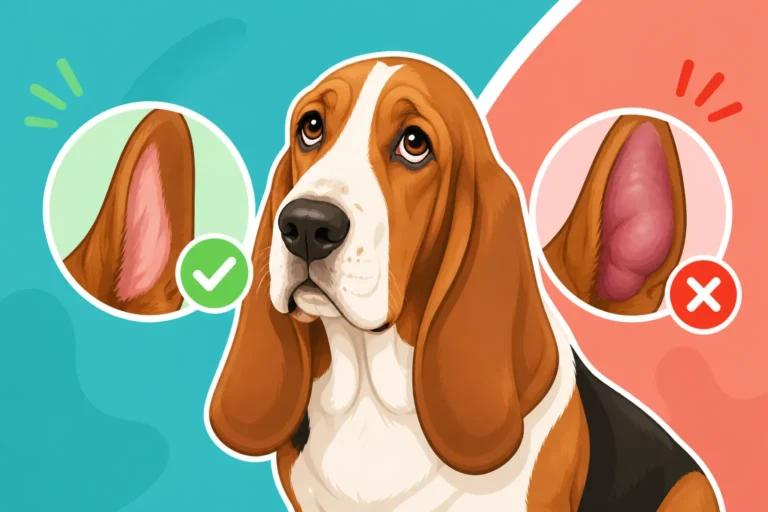
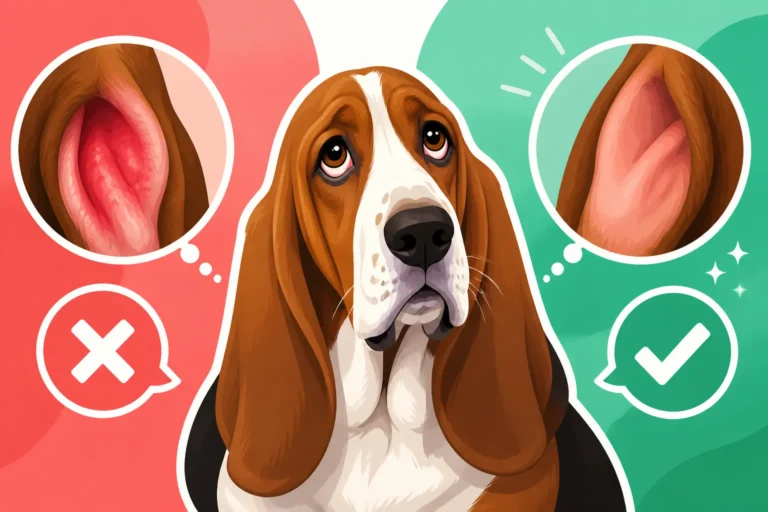
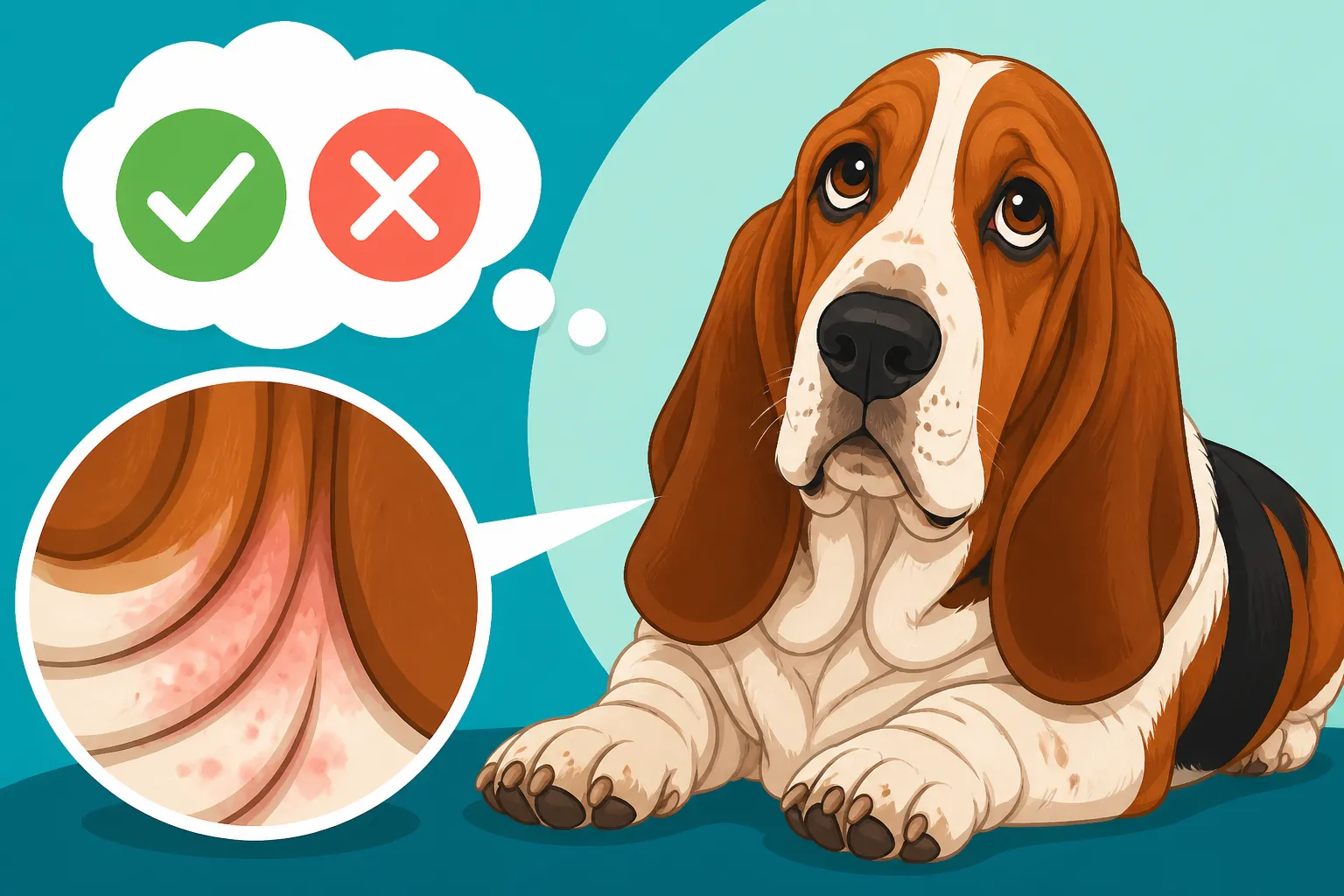
One of the most common issues is dermatitis, which is simply inflammation of the skin. This can manifest as redness, irritation, and itchiness. If left unchecked, it often progresses to bacterial infections, known as pyoderma, or yeast infections, typically caused by Malassezia. You might notice a distinct, often sweet or sour odor coming from the folds, which is a strong indicator of an active yeast or bacterial infection. This smell can be very strong and unpleasant, making you wonder Whether a Basset Hound Smells Because of Its Skin. The skin might appear red, greasy, and there could be a brown or yellowish discharge.
Beyond the visible and olfactory signs, these infections are incredibly uncomfortable for your Basset. They might excessively lick, chew, or rub the affected areas, further exacerbating the problem and potentially leading to open sores. These raw areas are then even more susceptible to deeper infections, creating a vicious cycle. Addressing issues like Skin Fold Infections on a Basset Hound promptly is essential for your dog's comfort and overall health.
When to Consult Your Vet
While a good cleaning routine is preventative, sometimes an infection takes hold, and home remedies simply won't cut it. It’s important to know when to call in the professionals.
You should contact your veterinarian immediately if you notice any of the following signs:
- Persistent redness or inflammation in the folds that doesn't improve with regular cleaning.
- Strong, foul odor despite recent cleaning.
- Discharge that is yellow, green, or thick and cheesy.
- Hair loss in the affected areas.
- Excessive scratching, licking, or rubbing of the folds.
- Pain or tenderness when you touch the folds, or if your Basset becomes unusually sensitive to handling around those areas.
- Open sores, crusts, or bleeding within the folds.
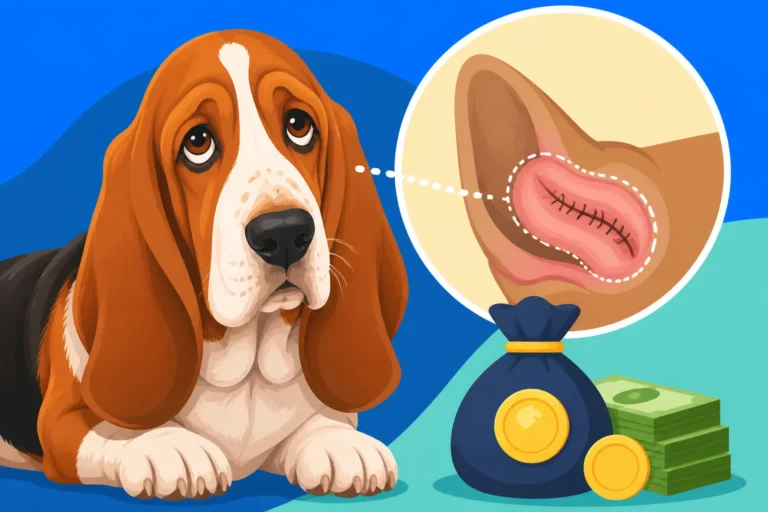
Your vet will likely take a sample (cytology) from the affected skin to determine whether it's a bacterial, yeast, or mixed infection. They can then prescribe appropriate topical treatments, such as medicated wipes, shampoos, or creams, and sometimes oral antibiotics or antifungals for more severe cases. Trying to self-diagnose and treat can lead to prolonged suffering for your Basset and make the eventual vet treatment more complicated and costly. Early intervention is always best. Pet insurance providers like Healthy Paws can be a lifesaver in these situations, helping to cover the costs of diagnostics and medications for unexpected skin flare-ups.
Long-Term Strategies for Healthy Folds
Beyond the daily cleaning, there are other lifestyle factors that can significantly impact the health of your Basset's skin folds.
Diet and Nutrition: A high-quality diet that supports skin and coat health can make a difference. Some Basset Hounds may have sensitivities to certain ingredients that can manifest as skin issues, including fold dermatitis. Discussing your Basset's diet with your vet can help identify if a change in food might reduce inflammation or allergic reactions. Sometimes, adding omega-3 fatty acid supplements can also promote healthier skin.
Weight Management: This is a big one for Basset Hounds. Because they love to eat and aren't always the most enthusiastic exercisers, it's easy for them to become overweight. Extra weight means more pronounced folds and rolls of skin, making existing folds deeper and creating new ones. These deeper folds are even harder to clean and ventilate, increasing the risk of infection. Keeping your Basset at their ideal weight is crucial for overall health and significantly reduces the challenges of fold care. You can learn more about What Extra Weight Does to a Basset Hound and How Much a Basset Hound Should Weigh in other resources.
Environmental Control: Keeping your home relatively clean and dust-free can also help. For Bassets with allergies, reducing environmental allergens can ease skin irritation. Regular grooming, even if it's just brushing their short coat, can help remove loose hair and keep their skin healthy.
Regular Vet Check-ups: Routine veterinary visits are not just for vaccinations. They provide an opportunity for your vet to thoroughly examine your Basset's skin and folds, catch any nascent issues, and offer professional advice tailored to your dog's specific needs. Being proactive with your Basset's health and considering pet insurance from providers like Healthy Paws can provide peace of mind for both routine and unexpected health challenges, including chronic skin conditions.
Here's a quick summary of common fold issues and how to approach them:
| Issue | Common Symptoms | First Steps (Home Care) | When to See a Vet |
|---|---|---|---|
| Mild Irritation | Slight redness, mild itchiness, minor dampness | Daily cleaning with gentle wipes, thorough drying. | If redness or itchiness worsens or persists >2-3 days. |
| Yeast Infection | Distinct sweet/sour odor, greasy skin, brown discharge, red skin | Daily cleaning with vet-approved antiseptic wipes; do not self-treat active infection. | Immediately upon noticing symptoms; requires prescription antifungals. |
| Bacterial Infection | Yellow/green discharge, pustules, strong odor, painful to touch | Daily cleaning with gentle wipes; do not self-treat active infection. | Immediately upon noticing symptoms; requires prescription antibiotics. |
| Chafing/Raw Spots | Redness, skin breakdown, discomfort, often in armpits/groin | Gentle cleaning, thorough drying, apply vet-approved protective balm. | If skin is broken, bleeding, or doesn't improve quickly; can lead to deeper infection. |
Remember, your Basset Hound relies on you for their comfort and health. Those adorable wrinkles require diligent care, but with a consistent routine and a keen eye, you can keep them happy, healthy, and smelling like the sweet companions they are, rather than a neglected laundry basket.
Disclaimer
The information provided in this article is for general informational purposes only and is not a substitute for professional veterinary advice. Always consult with a qualified veterinarian regarding any medical concerns or before making any decisions about your pet's health and treatment.