Whether Adopting a Basset Hound Costs Less
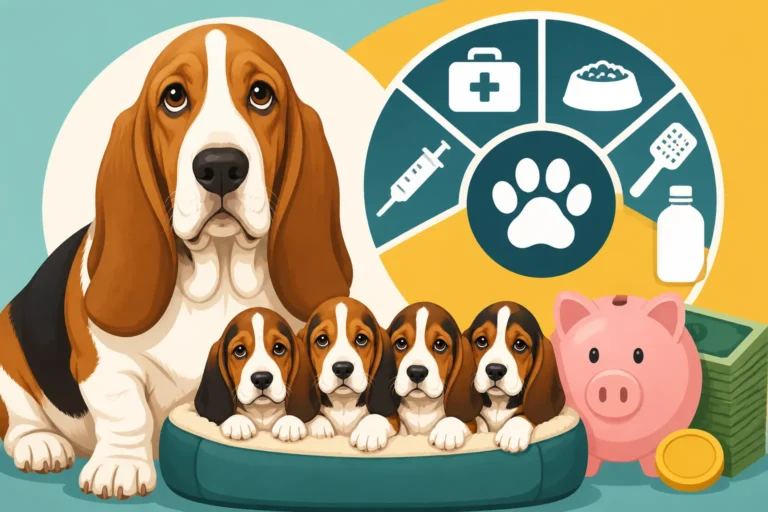
The dream of welcoming a Basset Hound into your home is a powerful one, often accompanied by the very real question of how to make it financially feasible. Many prospective owners wonder if choosing adoption over purchasing from a breeder is truly the more budget-friendly path. This guide dives deep into the financial realities of acquiring a Basset Hound, exploring the differences in upfront and ongoing costs between adopting from a rescue and buying from a breeder, so you can make an informed decision without sacrificing the well-being of your future floppy-eared companion.
The Upfront Costs of a Basset Hound Acquisition: Breeder vs. Rescue
When you're first considering bringing a Basset Hound home, the very first number you'll encounter is the acquisition cost. This initial outlay can look vastly different depending on whether you're going through a reputable breeder or a dedicated rescue organization. It’s not just about the sticker price; it’s about what that price actually covers, and what hidden costs might emerge right after you bring your new family member home.
Understanding Breeder Pricing and What It Includes
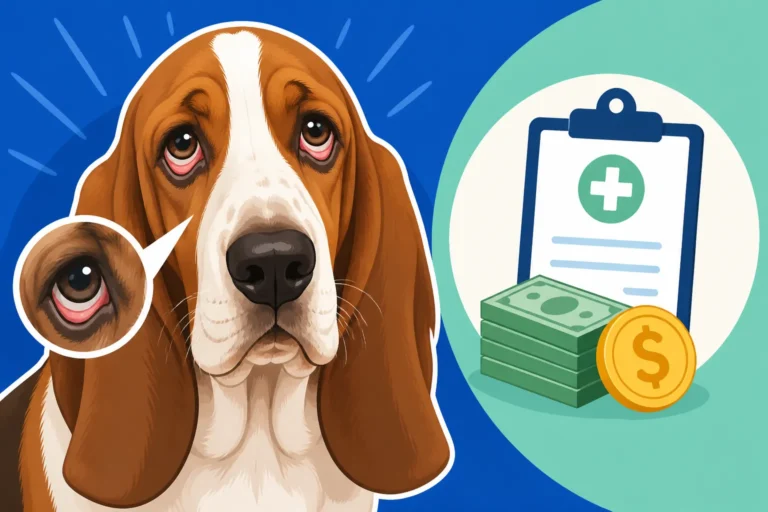
Buying a Basset Hound puppy from a responsible, ethical breeder often involves a significant upfront investment. These breeders aren't simply selling puppies; they're selling the culmination of years of dedication, careful genetic selection, and significant financial outlay on their part. The price reflects the quality of their breeding program. This means the parents have undergone extensive health screenings for common Basset Hound ailments like glaucoma, elbow dysplasia, and thrombopathia, ensuring they're not passing on preventable genetic conditions. You might want to read more about The Health Tests a Basset Hound Breeder Should Run to understand the investment involved.
Beyond the genetic health, a good breeder ensures their puppies receive top-notch veterinary care from birth. This typically includes multiple vet checks, initial vaccinations, deworming, and sometimes even microchipping before the puppy ever leaves for its new home. They also invest heavily in early socialization, exposing puppies to various sights, sounds, and experiences, which lays a crucial foundation for a well-adjusted adult dog. The higher cost from a reputable breeder is essentially an investment in a puppy that comes with a solid health background and a head start on socialization. While the number might seem steep initially, it's often an attempt to mitigate future, more costly health and behavioral issues down the line. It's a testament to the fact that you often get what you pay for when it comes to living creatures.
Unpacking Rescue and Shelter Adoption Fees
On the other side of the coin, adopting a Basset Hound from a rescue or shelter typically comes with a much lower upfront fee. This is often the primary draw for many people, especially when the perception is that rescue dogs are "free." However, it’s important to understand that these fees, while modest compared to breeder prices, are crucial to the rescue organization's ability to operate. These adoption fees generally cover a range of services that the dog received while in their care.
Most importantly, rescue dogs are almost always spayed or neutered before adoption, which is a major veterinary expense you won't have to shoulder yourself immediately. They also typically receive a thorough veterinary check-up, age-appropriate vaccinations, deworming, and often a microchip. Many rescues will even address minor health issues, like ear infections or dental cleanings, before the dog goes to its forever home. While the fee might not cover all the costs incurred by the rescue for that particular dog, it helps offset these expenses and allows them to continue rescuing other Basset Hounds in need. It's a way for adopters to contribute to the cycle of care and help future dogs. You can learn more about this in What Adopting a Basset Hound Costs. So, while it's less than a breeder, it's a value-packed investment in a dog that's already received essential medical attention.
Immediate Expenses Beyond the Initial Fee: Preparing for Your New Basset
No matter how your Basset Hound joins your family, the initial acquisition cost is just the beginning. There are immediate expenses that every new dog owner faces, and understanding these can help clarify if adopting truly costs less in the grand scheme of things.
Initial Vet Care and Health Checks
Bringing home any new dog, whether it's a bouncy puppy from a breeder or a seasoned rescue Basset, necessitates an immediate trip to the veterinarian. This initial health check is crucial for establishing a baseline for your new companion's health. For a puppy from a breeder, this visit confirms the breeder's vet records and allows your chosen vet to get acquainted with your new pup. They'll check for any congenital issues, discuss the vaccination schedule, and perhaps talk about preventative care.
With an adopted Basset Hound, this first vet visit can sometimes be a little more involved. While rescues do their best to provide comprehensive care, some dogs may have underlying issues that weren't immediately apparent or fully treatable within the rescue's budget and timeframe. For instance, a rescue Basset might have chronic ear issues that need specialized attention or may require extensive dental work, particularly if they're older. It's not uncommon for a rescue dog to come with a clean bill of health on paper, only for a deeper dive by your personal vet to uncover something that needs addressing. This isn't a knock on rescues, but a realistic acknowledgement that some dogs arrive with a history you might not fully know. Be prepared for potential diagnostics or treatments that could add to your initial outlay. To get an idea of what ongoing vet care might entail, you can explore What a Basset Hound's Yearly Vet Bill Looks Like.
Essential Supplies: Setting Up Your Basset Hound's Home
Beyond the vet, you'll need to outfit your home for your new Basset Hound. This includes a host of essential supplies, and the costs can add up quickly. Think about durable food and water bowls (perhaps a slow feeder if your Basset is prone to gobbling), a comfortable bed that supports their unique long back and joints, a leash, a sturdy harness (many Bassets pull hard!), and an assortment of toys. You'll also need grooming supplies like a brush, nail clippers, and ear cleaner – Basset Hounds are notorious for needing diligent ear care. For puppies, crate training supplies and enzymatic cleaners for accidents are often a must.
When adopting an adult Basset Hound, you might get lucky, and they might come with some of these essentials, especially if they were previously in a foster home. However, it’s more likely you'll be starting from scratch, just as you would with a puppy. The key is to invest in quality items from the start to avoid having to replace them frequently. For example, a durable, supportive orthopedic bed will serve an adult Basset better and longer than a flimsy pillow. Online retailers like Chewy offer a vast selection of dog supplies, often with competitive pricing and convenient delivery, making it easier to gather everything you need. Regardless of where your Basset comes from, you'll want to ensure you have all the necessities for their comfort and safety. You can get more insights on daily needs in What a Basset Hound Needs Every Day.
Ongoing Medical Expenses: The Long-Term Health Picture
The true cost of Basset Hound ownership, whether adopted or purchased, often reveals itself in the ongoing medical care. This breed, while charming, is prone to several hereditary and conformational health issues that can become significant financial burdens over their lifetime.
Addressing Common Basset Hound Ailments
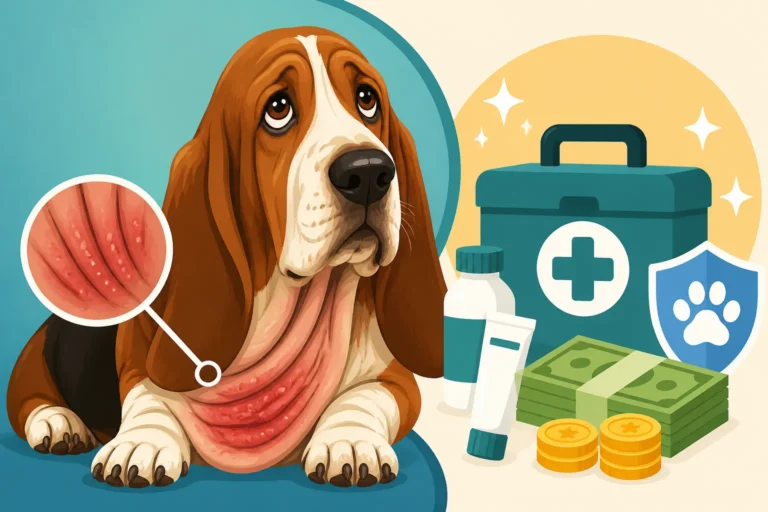
Basset Hounds, sadly, are predisposed to a range of health concerns due to their unique conformation. Chronic ear infections are almost a rite of passage for many owners, given their long, heavy ears and narrow ear canals. This can lead to frequent vet visits, specialized ear cleaners, and prescription medications, all of which add up. You'll find more information on this challenge in The Ear Infections That Never Really Leave a Basset Hound. Beyond their ears, their signature long backs make them susceptible to intervertebral disc disease (IVDD), which can range from mild discomfort to paralysis and require expensive surgery and rehabilitation. Explore The Back Trouble a Basset Hound Is Built Into to understand this risk better.
Joint issues like elbow dysplasia are also prevalent due to their heavy bone structure and bowed front legs. Regular vet check-ups are vital to catch these issues early. With an adopted Basset, especially an older one, you might be walking into a situation where some of these conditions are already present or even chronic. The rescue might have treated acute flare-ups, but managing a lifelong condition often falls to the adopter. This isn't a reason not to adopt, but it requires a realistic financial assessment of your ability to provide ongoing specialized care. Always ask for any available medical history from the rescue, as it can be invaluable in predicting future needs.
The Role of Pet Insurance and Proactive Care
Given the breed's proclivity for health issues, pet insurance becomes a critical financial tool for Basset Hound owners. It can make a significant difference in managing unexpected veterinary bills, especially for emergencies or chronic conditions. Policies typically cover accidents, illnesses, surgeries, and sometimes even hereditary conditions, though coverage limits and deductibles vary widely. Companies like Healthy Paws are popular choices among pet owners for their comprehensive coverage options.
However, there's a crucial caveat: pet insurance generally does not cover pre-existing conditions. This means if your adopted Basset Hound comes with a documented history of ear infections, back problems, or glaucoma, any future treatment for those specific issues might be excluded from coverage. This is a vital point to consider when comparing costs. A puppy from a responsible breeder, without any pre-existing conditions, might have all future issues covered (after waiting periods), whereas an adopted senior Basset with a known medical history could face exclusions. Regardless, proactive care, including regular veterinary check-ups, maintaining a healthy weight, and providing joint supplements (often recommended for Bassets), can go a long way in preventing or slowing the progression of many ailments, thereby potentially reducing long-term costs. For a deeper dive into protecting your Basset, consider Insuring a Basset Hound Against Eyes, Ears and Backs.
Training, Behavior, and Socialization Costs
The cost of owning a Basset Hound isn't solely about physical health; it also encompasses their mental well-being and integration into your home. Training and socialization are crucial for a happy, well-adjusted Basset, and these efforts can come with their own set of expenses.
Investing in Training for a Well-Adjusted Basset Hound
Basset Hounds, with their independent and scent-driven nature, can present unique training challenges. They are notoriously stubborn and can be quite selective about when they choose to obey. While some might interpret this as a lack of intelligence, it's more often a strong prey drive and a profound dedication to following their nose. This means that basic obedience classes, while beneficial for any dog, might require extra dedication and potentially more advanced training for a Basset. You might be interested in What Training Classes Cost a Basset Hound Owner.
If you adopt an adult Basset Hound, you might inherit some behavioral quirks or anxieties from their past. This could range from house-training accidents, separation anxiety, destructive chewing, or leash reactivity. Addressing these can sometimes require the assistance of a professional dog trainer or behaviorist, which represents an additional, often substantial, cost. Unlike puppies, where you build habits from the ground up, with a rescue, you might be working to undo ingrained behaviors, which can be more challenging and time-consuming. Understanding Why a Basset Hound Stops Hearing You When It Smells Something gives you a glimpse into their innate drives that need careful management.
Socialization and Day-to-Day Enrichment
Proper socialization is vital for any Basset Hound, ensuring they are comfortable and confident in various environments and around different people and other animals. For puppies, this means carefully exposing them to new experiences during their critical socialization window. For adopted Basset Hounds, especially those with an unknown past, this might involve rebuilding trust and slowly introducing them to new situations to help them overcome fears or past traumas.
Costs associated with socialization and enrichment can include doggy daycare if you work long hours, visits to well-supervised dog parks, durable puzzle toys to engage their powerful noses, and even participation in scent work classes or "Barn Hunt," which many Bassets absolutely adore. These activities provide mental stimulation and physical exercise, which are crucial for preventing boredom and potential destructive behaviors. These are ongoing costs that contribute to a Basset's overall quality of life, regardless of how they came into your home. They are an investment in their happiness and your peace of mind, fostering a strong bond between you and your unique hound.
Food and Nutrition: A Significant Ongoing Cost
Feeding your Basset Hound properly is one of the most consistent and substantial ongoing costs of ownership. Their unique build and propensity for certain health issues mean that nutrition plays a critical role in their overall well-being and can directly impact your vet bills down the line.
Tailoring Diet to Age and Health Needs
Just like humans, a Basset Hound's nutritional needs change throughout their life. Puppies require specific formulations to support their rapid growth without encouraging excessive weight gain, which can stress their developing joints. Adult Basset Hounds need a balanced diet appropriate for their activity level, while seniors often benefit from foods designed to support joint health, maintain muscle mass, and manage weight as their metabolism slows.
Beyond age, Basset Hounds may require specialized diets due to health conditions. For instance, if your Basset develops allergies, kidney disease, or requires a low-fat diet for pancreatitis, prescription foods will be necessary. These specialized diets can be significantly more expensive than standard kibble. If you adopt an older Basset, they might already be on a specific diet, or they may develop needs later on. While most rescues feed a standard, good-quality kibble, the long-term decision about your Basset's food choice will be yours. Some owners opt for fresh food diets, like those offered by Ollie, which can provide excellent nutrition but typically come at a higher price point. The key is to choose a high-quality food that meets their specific needs at each life stage. For a guide on managing their diet, see What Feeding a Basset Hound to the Right Weight Costs.
Managing Weight and Preventing Health Complications
One of the most critical aspects of Basset Hound nutrition is weight management. Basset Hounds are champions at looking perpetually hungry, and their soulful eyes can guilt even the strongest-willed owner into an extra treat. However, their unique build—long back, short legs, and heavy bone—makes them highly susceptible to complications from excess weight. Even a few extra pounds can exacerbate joint problems, worsen back issues like IVDD, and put strain on their heart and other organs. You might be surprised to learn about What Extra Weight Does to a Basset Hound.
Weight control isn't just about feeding less; it's about feeding the right amount of the right food. This might mean investing in specialized weight-management formulas, meticulously measuring food, and carefully controlling treats. The cost of weight-loss foods or prescription diets for obesity-related conditions can be higher, but it's a worthwhile investment compared to the potential veterinary bills for treating conditions aggravated by excess weight. An overweight Basset, whether adopted or a breeder-bought puppy that's been overfed, will inevitably cost more in vet care over their lifespan. Prevention through proper nutrition and portion control is always more cost-effective than treatment.
The Intangibles: Time, Effort, and Emotional Investment
While this article focuses on the monetary aspects, it’s crucial to acknowledge that the cost of a Basset Hound extends far beyond dollars and cents. The investments of time, effort, and emotional commitment are equally, if not more, significant, and they hold true regardless of whether you adopt or buy from a breeder.
The Value of Preparation and Research
Bringing any dog into your life requires preparation, but a Basset Hound's specific needs mean this preparation takes on extra importance. This isn't a breed to enter into lightly. Researching their health predispositions, understanding their stubborn yet charming temperament, and learning about their unique grooming and exercise requirements is paramount. This initial research phase, while not a direct monetary cost, is an investment of your time and effort. It helps you understand the commitment you're signing up for.
For instance, understanding the intense commitment required for The Twice Weekly Ear Ritual a Basset Hound Owner Signs Up For or the potential for The Bay a Basset Hound Uses and the Neighbors Hear are crucial insights that prevent future frustration and potential rehoming. The "cost" of not doing your homework often manifests in stress, unforeseen challenges, and a less harmonious household down the road. Whether you're sifting through breeder contracts and health clearances or delving into the history and potential behavioral quirks of a rescue Basset, the time spent preparing is an invaluable investment in a successful relationship with your new companion.
The Emotional Return on Investment
Ultimately, the decision to bring a Basset Hound into your life, whether through adoption or purchase, is an emotional one. These dogs, with their endearing expressions, comical antics, and deeply affectionate nature, steal hearts effortlessly. The emotional return on investment is immense and priceless. The companionship, the unconditional love, the laughter they bring – these are the true rewards of Basset Hound ownership, far outweighing any monetary cost.
However, it's also important to be realistic. While adopting might appear "cheaper" upfront, the emotional toll of dealing with an adopted dog's potential traumas, medical conditions, or behavioral issues can be significant. It requires patience, empathy, and a strong commitment to seeing them through challenges. Conversely, a breeder puppy might offer a "cleaner slate," but still requires extensive training and socialization. The reality is that both paths lead to a deeply rewarding experience, but each comes with its own set of demands. Choosing the path that aligns best with your financial capacity, lifestyle, and willingness to invest emotionally will ensure that your Basset Hound, regardless of their origin, thrives as a cherished member of your family.
Cost Comparison: Breeder vs. Rescue Basset Hound
To help visualize the financial implications, here's a general comparison of typical cost categories for bringing a Basset Hound into your life, noting that specific figures will always vary.
| Cost Category | Basset Hound from Breeder | Basset Hound from Rescue |
|---|---|---|
| Initial Acquisition | Higher upfront cost, reflecting breeder's investment in health testing, vet care, early socialization. | Lower upfront fee, covering spay/neuter, vaccinations, microchip, some initial vet care. |
| Initial Vet Visit | Routine check-up to establish care with your vet, confirm records, plan next steps. | Comprehensive check-up, potentially more diagnostics if history is unknown or issues are suspected. |
| Essential Supplies | Full set of new items needed (crate, bed, bowls, leash, toys). | Full set of new items, though some rescues might provide a few starter items. |
| Ongoing Medical Care | Potentially lower initial risk for pre-existing conditions, but still susceptible to breed-specific ailments. Pet insurance likely covers most new conditions. | Higher potential for pre-existing conditions or unknown history. Pet insurance may exclude these. Regular management of chronic issues. |
| Training & Behavior | Foundation obedience for puppies. May need specific training for Basset stubbornness. | Basic obedience, plus potential behavioral modification for past issues or anxieties. |
| Food & Nutrition | Puppy food, then adult formula. May switch to specialized food if conditions arise. | Adult/senior formula, potentially specialized diet immediately based on existing health. |
| Pet Insurance | Premiums might be initially lower; broader coverage for new conditions. | Premiums might be similar, but pre-existing conditions often excluded. More careful selection needed. |
Disclaimer
This article is for general informational purposes only and does not constitute professional advice. Laws, prices and regulations vary by location and change over time. Consult a qualified professional for guidance on your specific situation.