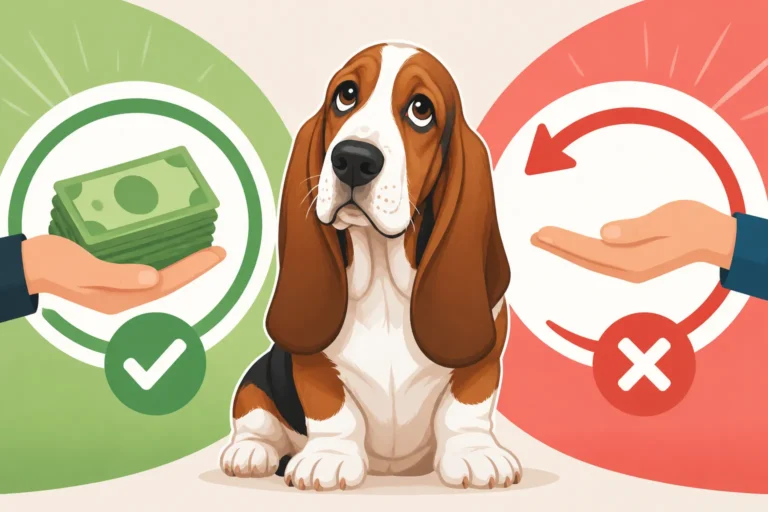
Whether a European Basset Hound Costs More
Bringing a new Basset Hound into your life is an exciting journey, but it often comes with a lot of questions, especially when you start looking beyond your immediate area. One common question that pops up is whether a Basset Hound from Europe might end up costing you more than one bred closer to home. It's a valid concern, because the initial price tag is just the beginning, and understanding the nuances of international acquisition can save you a lot of heartache and unexpected expenses down the road. This guide will walk you through the factors that influence the cost of a Basset Hound, particularly when considering a European lineage, so you can make an informed decision for your future floppy-eared companion.
Understanding "European Basset Hound"
When people talk about a "European Basset Hound," they're often referring to a specific look or lineage that might be more common in certain European countries compared to Basset Hounds bred in, say, the United States or Canada. It's not a different breed entirely, but rather a reflection of varying breed standards and breeding philosophies across continents.
What Defines a "European" Basset Hound?
The Basset Hound is a globally recognized breed, but different kennel clubs around the world might have slightly different interpretations of the breed standard. For instance, the Fédération Cynologique Internationale (FCI), which represents many European countries, might emphasize certain physical traits or characteristics more than the American Kennel Club (AKC). This can lead to subtle differences in appearance, such as head shape, eye set, or overall body conformation. Some enthusiasts feel that European lines tend to have a slightly less exaggerated appearance, perhaps with a bit less loose skin or a different bone structure, which some people prefer. It's not a hard-and-fast rule, and there's plenty of variation within both "European" and "American" lines, but it speaks to why the distinction is made by prospective owners. It really boils down to aesthetic preferences and what an individual breeder is aiming for.
Why the Perception of Higher Cost Exists
The idea that a "European Basset Hound" costs more often stems from several practical realities beyond just the puppy's inherent value. First, there's the element of rarity or perceived exclusivity. If you're specifically seeking out a Basset Hound from a particular European lineage or with a certain look not widely available domestically, you're naturally dealing with a smaller market, and specialized demand can drive up prices. Beyond that, the actual logistics of getting a puppy from one continent to another are complex and expensive. We're talking about air travel, import tariffs, veterinary inspections, and sometimes even quarantine requirements, all of which add significantly to the final cost. Plus, European breeders might have different pricing structures influenced by their local economies, breeding practices, and what their market dictates for a well-bred Basset Hound puppy. All these elements contribute to the overall perception—and often the reality—of a higher price tag for an internationally sourced puppy.
Factors Influencing Basset Hound Puppy Prices (Domestic vs. Imported)
Whether you're looking at a puppy down the street or one across the ocean, several key factors always play into the initial purchase price of a Basset Hound. When you add international travel to the mix, these factors become even more pronounced.
Breeder Reputation and Health Testing
An ethical, reputable breeder, regardless of their location, invests a significant amount of time, effort, and money into their breeding program. This includes things like health testing the parent dogs for genetic conditions common in Basset Hounds. For example, screening for Elbow Dysplasia in a Basset Hound or ensuring parents are clear of eye conditions like The Glaucoma a Basset Hound Inherits. They also provide excellent nutrition and veterinary care for the mother and puppies, proper socialization, and often a health guarantee. These are non-negotiable costs for responsible breeding, and they will be reflected in the puppy's price. When you're dealing with a breeder overseas, you should still expect the same level of transparency and health clearances. If a European breeder's prices seem suspiciously low, it might be a red flag that they are cutting corners on crucial aspects like health testing, which could lead to far more expensive vet bills down the line. Always ask about the health tests performed on the parents and grandparents.
Importation Logistics and Fees
This is where the bulk of the added cost for a "European Basset Hound" often lies. Transporting an animal internationally is a multi-step, often bureaucratic, and expensive process.
- Flight Costs: Shipping a puppy via air cargo can be substantial, varying based on the airline, destination, and the size/weight of the puppy and its crate. This isn't just a passenger ticket; it's specialized pet transport.
- Crate and Travel Preparations: The puppy needs an IATA-compliant travel crate, appropriate for its size, which adds to the expense. There are also specific airline requirements for feeding, watering, and documentation that the breeder must prepare.
- Veterinary Clearances and Documentation: Before a puppy can travel, it requires a series of veterinary checks, vaccinations, microchipping, and official health certificates signed by government-approved vets. These documents must often be endorsed by the relevant authorities in the country of origin, adding fees and administrative time. For example, making sure all necessary vaccinations are up to date and that the puppy is old enough to travel internationally (often at least 15 weeks due to rabies vaccine requirements).
- Customs and Brokerage Fees: Upon arrival in your home country, there might be customs fees, taxes, or the cost of hiring a customs broker to navigate the import process, especially if you're not personally picking up the puppy at the airport.
- Quarantine (if applicable): While less common for puppies directly from many European countries into the US, some regions or specific situations might require a quarantine period, which would incur boarding fees. Always check the latest regulations for your specific country and the country of origin.
When you add these layers of expense on top of the breeder's asking price, it becomes very clear why a European Basset Hound puppy can appear to cost significantly more upfront than a domestically bred one.
Ongoing Costs: Beyond the Initial Purchase Price
The initial cost of a Basset Hound, whether domestic or imported, is truly just the first drop in the bucket. The real financial commitment comes with the ongoing care throughout The Ten to Twelve Years a Basset Hound Lives.
Regular Care and Maintenance
Every Basset Hound needs consistent care, and these expenses are largely universal, regardless of where your hound originated.
- Food: Basset Hounds love to eat, and feeding them a high-quality diet is crucial for their health and maintaining a healthy weight. Brands like Ollie, which offers fresh, human-grade food, or the vast selection available on Chewy, which carries many premium kibbles, can be excellent choices. The cost will vary based on brand, type of food (kibble, wet, raw, fresh), and your dog's size and activity level. Remember that What Feeding a Basset Hound to the Right Weight Costs is an ongoing consideration to prevent health issues associated with What Extra Weight Does to a Basset Hound.
- Grooming: Those long, glorious ears and adorable wrinkles require regular attention. You'll need specific ear cleaners, cotton balls, and gentle wipes for their facial folds. While professional grooming isn't always essential for their short coat, regular bathing and The Twice Weekly Ear Ritual a Basset Hound Owner Signs Up For are critical. Don't forget nail trims, which might be a professional cost if you're not comfortable doing them yourself.
- Routine Veterinary Care: Annual check-ups, vaccinations, parasite prevention (flea, tick, heartworm), and dental care are fundamental. These costs are predictable but add up over a decade or more.
These routine costs can easily amount to a significant sum each year, and they are independent of your Basset Hound's country of origin.
Potential Health Expenses
Unfortunately, Basset Hounds are predisposed to certain health conditions due to their unique conformation. While reputable breeders try to minimize risks through health testing, no dog is immune to potential issues.
- Ear Infections: Basset Hounds are famous for their long, heavy ears, which create a warm, moist environment ripe for infections. The Ear Infections That Never Really Leave a Basset Hound can be a recurring and expensive problem, often requiring vet visits, cultures, and specific medications.
- Back Problems: Their long backs and short legs make them susceptible to intervertebral disc disease (IVDD), which can range from mild discomfort to paralysis. Treating The Back Trouble a Basset Hound Is Built Into can involve medication, physical therapy, or even costly surgeries and follow-up care.
- Eye Issues: Beyond glaucoma, Basset Hounds can experience issues like entropion or ectropion (inward or outward rolling eyelids) which may require surgical correction.
- Elbow Dysplasia: Another common structural issue is elbow dysplasia. While good breeders screen for it, it can still appear and require management or surgery. If you're wondering Why One Basset Hound in Seven Has Bad Elbows, it's often linked to genetics and the breed's unique skeletal structure.
These potential health expenses can be staggering, and this is where pet insurance can be a lifesaver. Providers like Healthy Paws offer coverage that can significantly ease the financial burden of unexpected illnesses or injuries, allowing you to focus on your dog's recovery without stressing over astronomical vet bills. While insurance has its own monthly premium, it's often a wise investment for a breed with known predispositions like the Basset Hound.
Making an Informed Decision
Deciding where to get your Basset Hound is a big choice. While the allure of a "European" line might be strong due to perceived differences in appearance or quality, it's essential to prioritize health, ethics, and long-term costs.
Prioritizing Health and Ethics Over Origin
The most beautiful Basset Hound, regardless of its country of origin, is one that is healthy and well-socialized. A truly responsible breeder, whether in your home country or abroad, prioritizes the health and temperament of their dogs above all else. This means they conduct appropriate genetic health screenings, breed only healthy adults, provide excellent care for their puppies, and are transparent about their practices. Focusing on a breeder's reputation, their commitment to health testing, and their support for their puppies throughout their lives is far more important than a geographical label. Be wary of any breeder, domestic or international, who cannot provide verifiable health clearances for the parent dogs or who seems unwilling to answer your questions thoroughly. The potential for future vet bills from a poorly bred dog will far outweigh any savings on the initial purchase price.
Where to Find a Reputable Breeder
Finding a reputable Basset Hound breeder, whether domestic or considering international options, requires diligence.
- Breed Clubs: Start with the national Basset Hound club in your country (e.g., the Basset Hound Club of America) or in Europe (e.g., national clubs affiliated with the FCI). These clubs often have breeder directories and codes of ethics that members must follow. They can also provide guidance on what health tests are recommended for the breed.
- Referrals: Ask for referrals from trusted veterinarians, dog trainers, or other Basset Hound owners. Personal recommendations can be invaluable.
- Visit in Person (if possible): If considering a domestic breeder, visit their facility to see the puppies, their parents, and their living conditions. For international breeders, a video call where you can see the puppies and ask questions is the next best thing.
- Thorough Questions: Prepare a list of questions about health testing, puppy socialization, vaccination schedules, return policies, and the breeder's experience. A good breeder will welcome your questions and ask many of their own to ensure their puppies go to good homes.
Remember that while a "European Basset Hound" might carry a certain cachet or appeal, the most important aspect is ensuring you are acquiring a healthy, well-adjusted puppy from a breeder who genuinely cares for the welfare of their dogs. The added cost of importing a puppy is significant, and those funds might be better allocated to a quality domestic puppy, comprehensive pet insurance like Healthy Paws, or high-quality food from a vendor like Chewy or Ollie.
Comparing Basset Hound Acquisition Methods
Here's a quick look at the typical factors that influence the overall cost and effort when acquiring a Basset Hound.
| Factor | Domestic Breeder (Local) | Domestic Breeder (Distant, within country) | European Breeder (Imported) |
|---|---|---|---|
| Initial Puppy Price | Moderate to High | Moderate to High | Moderate to High (often similar to domestic quality) |
| Travel/Transport Costs | Low (gas for driving) or Moderate (domestic flight) | Moderate (domestic flight or long drive) | Very High (international air cargo, specialized pet transport) |
| Veterinary Checks | Standard puppy vet checks (usually included in price) | Standard puppy vet checks | Extensive pre-travel vet checks, health certificates, endorsements |
| Documentation Fees | Minimal (registration paperwork) | Minimal | Significant (export permits, import declarations, customs fees) |
| Quarantine | None | None | Potentially applicable depending on country regulations |
| Communication | Easy, often in person | Easy (phone, video call) | Can be challenging (time zones, language barriers) |
| Follow-up Support | Often strong, easily accessible | Good, via phone/email | Can be challenging due to distance/time difference |
| Health Guarantee | Standard from reputable breeders | Standard from reputable breeders | Standard from reputable breeders, but harder to enforce |
| Overall Cost | Lowest to Moderate | Moderate | Highest |
Disclaimer
This article is for general informational purposes only and does not constitute professional advice. Laws, prices and regulations vary by location and change over time. Consult a qualified professional for guidance on your specific situation.