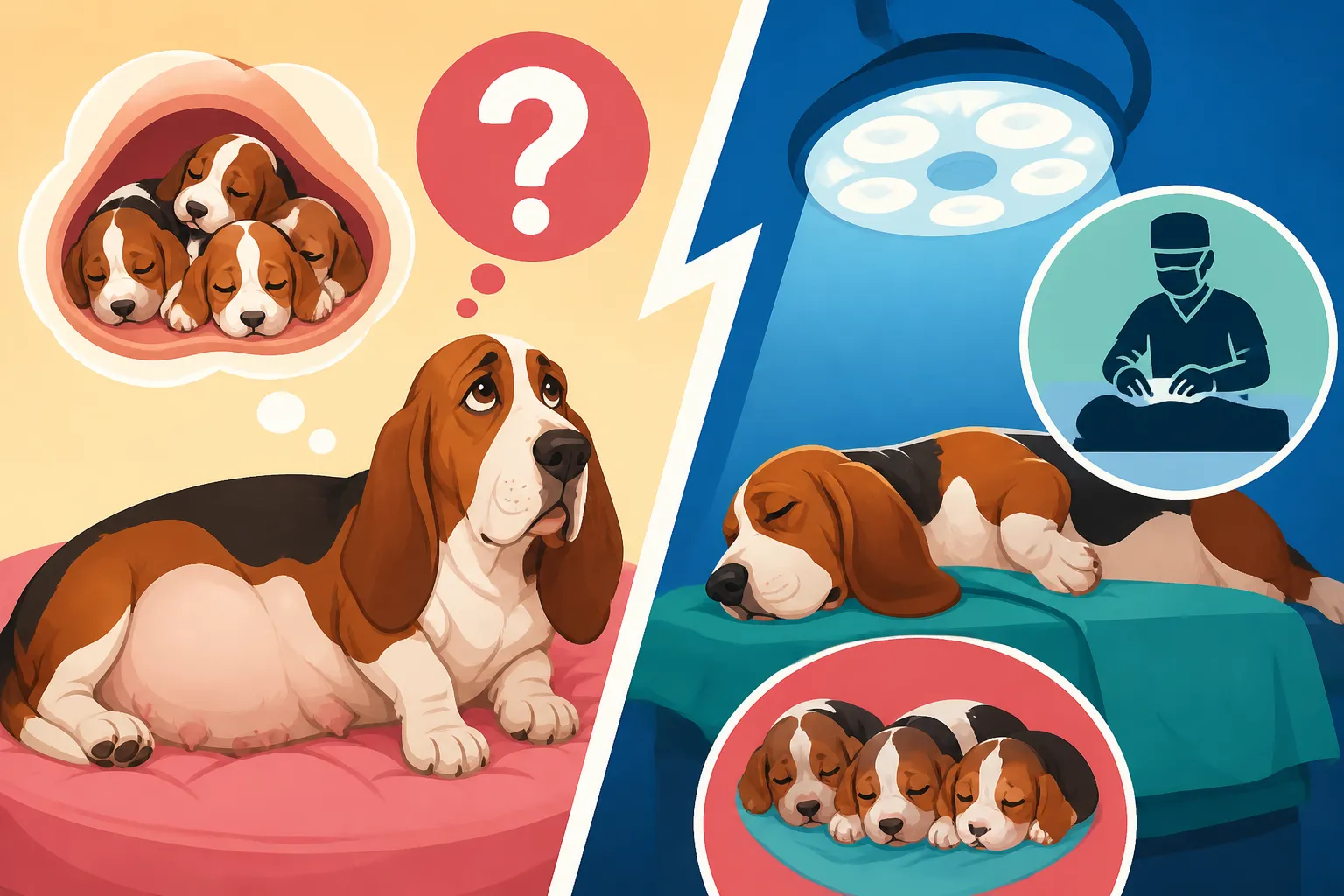
Whether a Basset Hound Litter Needs a Cesarean
Bringing new Basset Hound puppies into the world is an incredibly exciting time, but for many owners and breeders, it's also shadowed by a very real worry: the possibility of complications during birth. The unique build of our beloved Bassets, while adorable, can sometimes make natural delivery a serious challenge. This comprehensive guide will walk you through why Basset Hounds might need a C-section, how to recognize the signs of trouble, and what to expect if surgery becomes necessary, helping you feel more prepared for this critical moment.
Understanding the Basset Hound's Unique Physiology for Breeding
While it’s not an absolute guarantee that every Basset Hound litter will require a Cesarean section, the breed’s distinct physical characteristics do significantly increase the likelihood compared to many other breeds. It’s not about their willingness or mothering instinct, which are often strong, but rather the way their bodies are built. Understanding these anatomical realities is the first step in being a responsible and prepared Basset Hound breeder.
The Head and Pelvic Dimensions
One of the primary reasons Basset Hounds face birthing difficulties lies in the unfortunate mismatch between their puppies' head size and the mother's pelvic canal. Basset Hound puppies, even when born relatively small, tend to have quite substantial heads. These broad little noggins, combined with the often-narrow or awkwardly shaped pelvic structure of the dam, can create a physical bottleneck during delivery. Imagine trying to push a square peg through a slightly smaller round hole – it's just not going to happen easily, and sometimes, not at all.
This isn't an issue of the mother being "too small" in general, but rather a very specific structural challenge. The Basset Hound’s characteristic heavy bone and sturdy build mean that even a well-conditioned female can have a pelvis that isn't optimally shaped for passing those robust puppy heads. This can lead to prolonged labor, puppies getting stuck, and significant distress for the mother, making a C-section a critical intervention to save lives. It's a frustrating reality for breeders who strive for natural whelpings but must prioritize the health of their dogs.
The Role of Achondroplasia in Birthing
Basset Hounds are a chondrodystrophic breed, meaning they possess a form of dwarfism (achondroplasia) that gives them their distinctive short legs and long bodies. While adorable, this genetic trait also affects their skeletal development, including the pelvis. The structure of the pelvic canal can be narrower or less flexible than in breeds without this genetic predisposition. This isn't a defect in the sense of a weakness, but rather a characteristic that influences how easy or difficult natural birth might be.
This inherent skeletal characteristic can further complicate the passage of puppies. It’s not just about the size of the head, but also the overall rigidity and dimension of the birth canal itself. Breeders often look for females with slightly wider pelvic structures, but even then, the inherent conformation can present challenges. Being aware of this genetic predisposition helps in preparing for potential complications and making informed decisions with your veterinarian. Whether Achondroplasia Explains a Basset Hound's Shape delves deeper into this fascinating aspect of their build.
Recognizing When a Cesarean Might Be Necessary
Knowing when to act is paramount. The difference between a normal, albeit slow, labor and one that requires emergency intervention can be subtle at first, but paying close attention to the signs your Basset Hound is exhibiting is crucial. It’s about being observant, trusting your instincts, and knowing when to call in professional help without hesitation.
Signs of Dystocia or Difficult Labor
Dystocia, or difficult labor, can manifest in several ways. One of the most common red flags is prolonged active straining without the appearance of a puppy. If your Basset Hound has been having strong, regular contractions for 30-60 minutes or more, and no puppy has emerged, that’s a clear sign of trouble. Similarly, if more than 2-4 hours pass between puppies, especially if the mother is still having contractions, it's time to worry. Sometimes, she might just seem exhausted and give up pushing altogether.
Other warning signs include greenish or black discharge appearing before the first puppy, as this can indicate placental separation, meaning puppies are losing oxygen. Foul-smelling discharge, excessive bleeding, or the mother exhibiting extreme pain, lethargy, or weakness are also urgent indicators. You might see her shaking uncontrollably or continuously licking at her vulva without productive effort. Any of these symptoms warrant immediate veterinary consultation. Being prepared for these scenarios, perhaps by having a pet first-aid kit on hand from places like Chewy, can help you manage minor issues, but for true dystocia, veterinary care is non-negotiable.
Here’s a quick overview of what to watch for:
| Sign of Labor | Normal Progression | Cause for Concern (Dystocia) |
|---|---|---|
| Nesting Behavior | Begins 12-24 hours before labor | Not a direct sign of dystocia, but prolonged pre-labor could indicate an issue. |
| Rectal Temperature Drop | Drops to 99-100°F (37.2-37.8°C) within 24 hours of labor | Temperature returns to normal or stays elevated without labor starting. |
| Active Contractions | Visible straining for 10-30 minutes per pup | Visible, strong contractions for 30-60 minutes with no puppy produced. |
| Time Between Pups | 30 minutes to 2 hours is common | More than 2-4 hours between puppies, especially if mother is straining. |
| Greenish/Black Discharge | Can appear after first pup, indicating placental separation | Appears before any puppies, or prolonged discharge without pups. |
| Mother's Distress | Some discomfort, panting, digging | Extreme pain, lethargy, shaking, vomiting, weak or intermittent straining. |
When to Contact Your Veterinarian
The moment you observe any of the concerning signs listed above, or if you simply have a gut feeling that something isn't right, you need to contact your veterinarian immediately. It’s always better to err on the side of caution. Even if it turns out to be a false alarm, a quick check can prevent a tragedy. Many veterinary clinics have emergency numbers or after-hours services specifically for these situations, and it's wise to know these details well in advance of your Basset Hound's due date.
Don't wait until it's too late. Delays in seeking help can significantly reduce the chances of survival for both the mother and the puppies. Your vet will likely perform a physical examination, potentially an ultrasound to check fetal viability, and X-rays to assess the size and position of the puppies relative to the birth canal. These diagnostics are crucial in determining whether medical intervention, such as oxytocin to stimulate contractions, or surgical intervention, like a C-section, is needed. Breeders often conduct health screenings, and The Health Tests a Basset Hound Breeder Should Run can give you more insight into preparatory measures.
The Cesarean Procedure and Recovery for a Basset Hound
If a Cesarean section is deemed necessary, understanding the process and what comes next can help alleviate some of the stress. It’s a major surgery, but often a life-saving one, and your role in the recovery of both mom and pups is vital.
What to Expect During a C-Section
Once the decision for a C-section is made, your Basset Hound will be prepped for surgery. This involves a rapid abdominal shave, administration of anesthesia, and then the procedure itself. The veterinary team works quickly and efficiently to retrieve the puppies from the uterus. Each puppy will be handed off to veterinary technicians who will immediately begin to clear their airways, stimulate breathing, and dry them off. This is a critical moment, as newborn puppies are vulnerable, and quick action is essential for their survival.
You might even be able to witness this part of the process, depending on your vet's policy, which can be an incredibly emotional experience. Once all puppies are delivered, the veterinarian will carefully check the uterus for any remaining puppies or placental fragments, then proceed to stitch up the incision. The goal is to get your Basset Hound mother awake and reunited with her puppies as soon as safely possible, to encourage bonding and nursing. This swift and skilled process is why emergency veterinary services are so vital. What a Basset Hound's Emergency Surgeries Cost covers the financial implications of such critical procedures.
Post-Operative Care for Mom and Pups
The period immediately following a C-section is demanding for everyone involved. The mother will be recovering from anesthesia and surgery, while also trying to nurse a litter of hungry puppies. She will need a clean, quiet, and warm environment. Pain management prescribed by your vet is crucial to ensure she's comfortable enough to care for her newborns. You’ll need to monitor her incision site daily for any signs of infection, swelling, or excessive discharge. Restricting strenuous activity and preventing her from licking the incision are also key – a comfortable Elizabethan collar might be necessary, or a soft surgical recovery suit.
For the puppies, ensuring they are nursing effectively is paramount. You might need to gently guide them to a nipple, especially if the mother is still groggy. Monitoring their weight gain and ensuring they are warm is essential. Puppies are not able to regulate their own body temperature initially, so a safe heat source in the whelping box is a must. Proper nutrition for the mother is also vital; she's producing milk for a whole litter, and high-quality, calorie-dense food, perhaps even specialized lactation formulas or fresh food options like Ollie, will support her recovery and milk production. Regularly checking How Many Puppies a Basset Hound Litter Holds can help you prepare for the number of hungry mouths you might be looking after. Don't forget, careful handling of the mother, especially after surgery, is important, and learning Whether a Basset Hound Should Be Lifted Under the Chest correctly can prevent strain.
Financial Considerations of a Basset Hound Cesarean
Let's be real – veterinary care, especially emergency surgery, is not cheap. The financial strain of an unexpected C-section can be substantial, adding another layer of stress to an already anxious time. However, understanding the potential costs and planning for them can make a world of difference.
Understanding the Costs Involved
The cost of a Cesarean section for a Basset Hound can vary significantly depending on several factors. Emergency C-sections, performed outside of regular business hours, will almost always incur higher fees due to staffing and facility costs. The geographical location of the veterinary clinic, the complexity of the surgery, and any additional complications (like removing a deceased puppy or addressing excessive bleeding) will also influence the final bill. These costs typically include the surgical fees, anesthesia, medications, post-operative care, and potentially diagnostics like X-rays or ultrasounds that led to the C-section decision.
While I can't give you exact figures, it's safe to say you're looking at a significant investment, potentially running into thousands of dollars. This is why having a financial plan in place is so important for any responsible breeder or owner of a pregnant Basset Hound. Beyond the surgery itself, you'll also have the ongoing costs of What Raising a Basset Hound Litter Costs, including puppy food, vaccinations, and initial vet checks for all those adorable new arrivals.
The Value of Pet Insurance
This is where pet insurance can truly be a lifesaver. Many reputable pet insurance providers, such as Healthy Paws, offer plans that can cover a significant portion of unexpected emergency medical costs, including C-sections. However, it's crucial to understand the specifics of your policy. Most pet insurance plans have waiting periods, and pre-existing conditions are typically not covered. This means you need to have your breeding female insured well before she becomes pregnant, ideally from a young age.
When selecting a plan, look carefully at what's covered for emergency care, surgical procedures, and hospitalization. Understanding your deductible, reimbursement percentage, and annual limits will help you manage expectations. While no one wants to think about their beloved Basset Hound needing emergency surgery, having a robust pet insurance policy in place provides immense peace of mind. It allows you to make medical decisions based on what's best for your dog and her puppies, rather than being solely driven by financial constraints. For broader coverage, consider plans that protect against common Basset Hound ailments, as discussed in Insuring a Basset Hound Against Eyes, Ears and Backs. Even if insurance isn't an option, setting aside a dedicated emergency fund can be a wise alternative.
Disclaimer
This article is for general informational purposes only and does not constitute professional advice. Laws, prices and regulations vary by location and change over time. Consult a qualified professional for guidance on your specific situation.