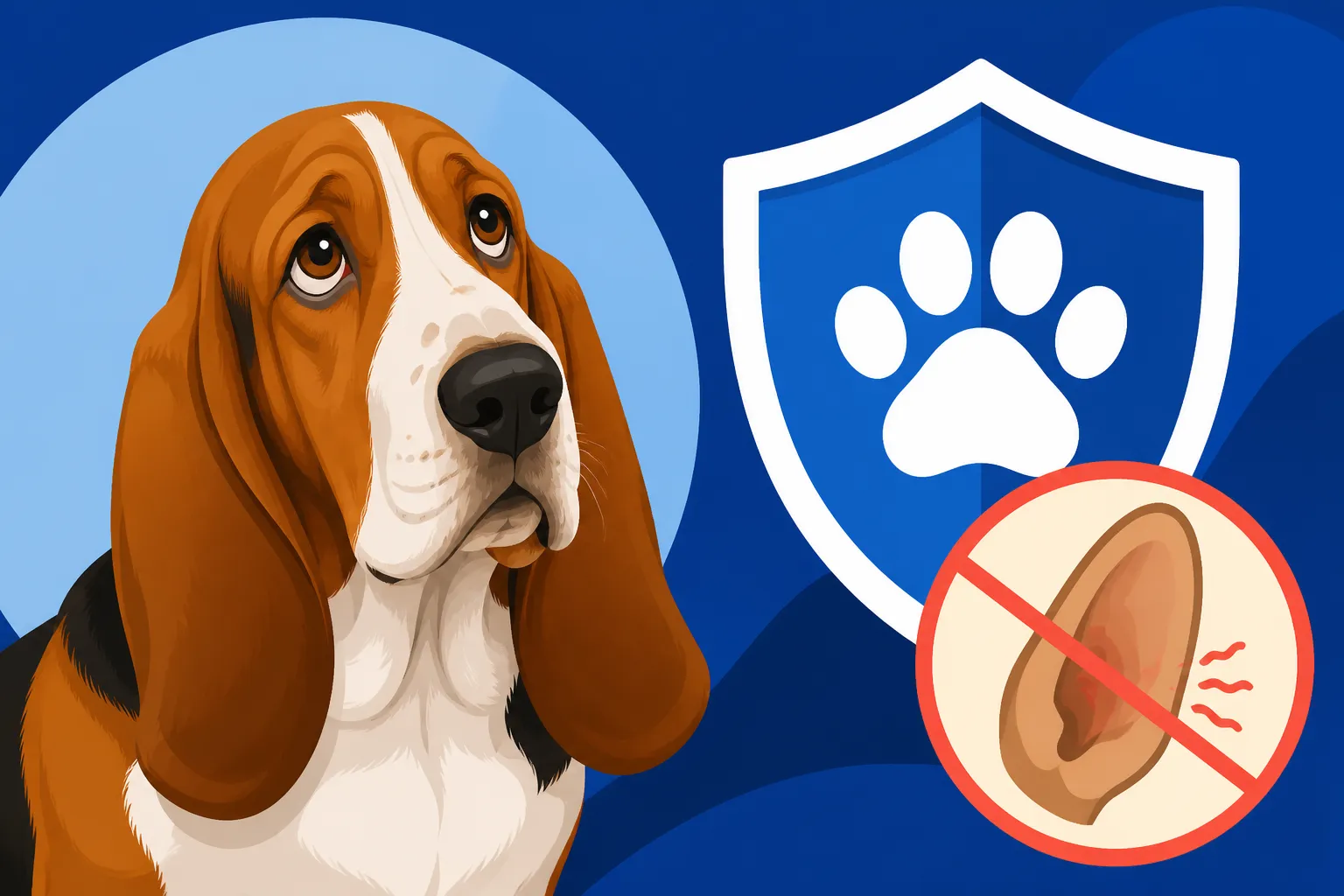
Whether Ear Disease Is Excluded on a Basset Hound Policy
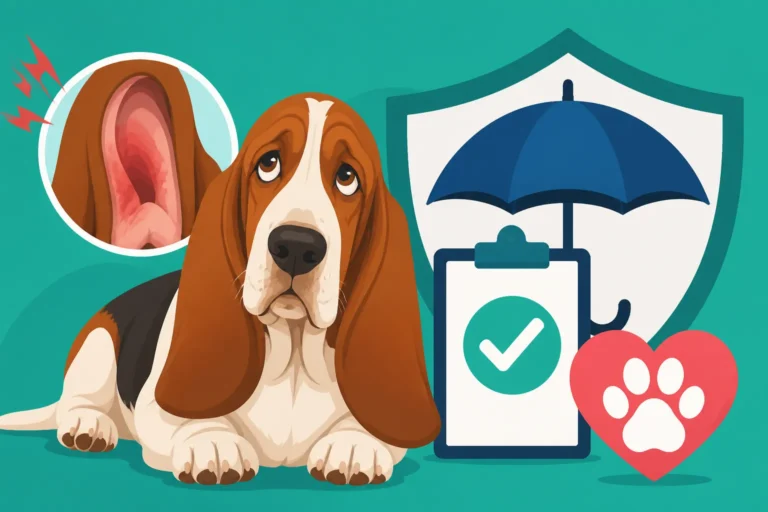
It’s a heart-wrenching moment when you realize your beloved Basset Hound is shaking their head, pawing at an ear, or an unpleasant odor starts wafting up from those magnificent, long folds. Ear infections are, unfortunately, a rite of passage for many Basset owners, leading to endless vet visits, expensive medications, and the nagging worry about covering these recurrent costs. This guide is here to shed some light on one of the most common and frustrating questions we hear: whether ear disease, especially the chronic kind, is actually excluded from pet insurance policies for Basset Hounds.
The Inevitable Battle: Why Basset Hounds are Prone to Ear Disease
Let's be real, those long, luxurious ears are part of what makes Basset Hounds so iconic and lovable. But they're also a design flaw, a constant invitation for trouble. If you've ever owned a Basset, you know the drill – the head shaking, the scratching, the seemingly endless rounds of ear drops. It’s not just bad luck; it’s largely due to their unique anatomy, and it puts them in a special category when it comes to pet health insurance.
The Anatomy of a Basset Hound's Ear
Imagine a long, narrow tunnel, perfectly designed to trap moisture, warmth, and debris. That's essentially your Basset Hound's ear canal. Unlike breeds with upright ears that allow for plenty of air circulation, the Basset's ears hang low and heavy, covering the opening to the ear canal like a thick curtain. This creates a dark, humid environment, which is the absolute ideal breeding ground for bacteria and yeast. Add in the sheer length of the ear flap itself, which often drags through food, water, and anything interesting on the ground, and you have a recipe for constant irritation and infection. It's a never-ending battle to keep them clean and dry. Why a Basset Hound's Ear Canal Never Dries is a common concern for many of us.
The Chronic Nature of Basset Hound Ear Infections
Many Basset owners discover that ear infections aren't usually a one-and-done deal. You treat it, it seems to clear up, and then a few weeks or months later, it's back with a vengeance. This chronic recurrence isn't just frustrating; it can lead to more serious complications like deep-seated infections, middle ear involvement, and even changes to the ear canal itself, such as narrowing or calcification. This makes subsequent treatments even harder and often more costly. The truth is, for many Basset Hounds, it’s not if they get an ear infection, but when and how often. This is why understanding The Ear Infections That Never Really Leave a Basset Hound is so important for owners.
The Financial Strain of Ongoing Ear Care
Let's not sugarcoat it: treating Basset Hound ear infections can be incredibly expensive. A single vet visit for an ear infection often involves an examination fee, ear cytology (looking at a sample under a microscope), ear cleaning, and then a prescription for ear drops or oral medication. If it's a stubborn infection, you might need a recheck, another culture, different medications, or even specialist referrals. These costs can quickly add up, turning a "minor" issue into a significant financial burden over the life of your dog. We all want the best for our Bassets, but the reality is, constant ear trouble means constant vet bills. If you've ever wondered What Chronic Ear Treatment Costs a Basset Hound Owner, you know this pain firsthand.
Unpacking the Pet Insurance Maze: Pre-Existing Conditions
When you're looking into pet insurance, the phrase "pre-existing condition" is likely to make your heart sink, especially if you have a Basset. This is where many policies can become tricky, and it's absolutely vital to understand what it means for your hound's ears.
What Qualifies as a Pre-Existing Condition
In simple terms, a pre-existing condition is any illness or injury that your pet showed signs of, or was diagnosed with, before your insurance policy's effective date or during its waiting period. This definition isn't always as straightforward as it sounds, which causes immense frustration for pet parents. For instance, if your Basset had an ear infection three years ago, it might be considered pre-existing if a new infection flares up, even if it seemed completely resolved. It's not just about a formal diagnosis; even symptoms observed by you or noted in vet records before your coverage starts can be enough for an insurer to label something as pre-existing.
How Insurance Companies Define "Pre-Existing"
Each insurance company will have its own specific language around pre-existing conditions, which is why reading the policy documents is so crucial, no matter how dry they seem. Some policies might consider a condition "curable" if your pet hasn't shown symptoms or required treatment for a specific period (e.g., 6 or 12 months). Others might define chronic conditions, like recurring ear infections, as always pre-existing once they've appeared, regardless of symptom-free periods. They'll almost certainly ask for your Basset's full veterinary history when you enroll, scrutinizing every sniffle, limp, and yes, every ear cleaning. This meticulous review helps them determine what's new and what's a continuation of a past issue.
The Frustration of Ambiguous Symptoms
This is where it gets particularly tricky for Basset Hounds. Maybe your dog had a single, minor ear infection as a puppy that cleared up quickly. Years later, a new, more severe infection develops. Was the first one truly "resolved," or was it an early indicator of a chronic predisposition? Insurers will often lean towards the latter. Or perhaps your Basset occasionally shakes their head or scratches an ear, but you don't take them to the vet because it seems minor. If you then sign up for insurance and later seek treatment for a full-blown infection, the insurer might look back at those un-diagnosed, un-treated symptoms and argue that the condition was already present during the waiting period or even before the policy began. The Signs a Basset Hound's Ear Has Gone Bad can be subtle at first, making this ambiguity even more frustrating.
Specifics: Ear Disease Exclusions in Basset Hound Policies
So, let's get down to the brass tacks: are Basset Hound ear diseases actually excluded? The short answer is: it depends. But you need to be very, very careful.
Common Exclusions for Basset Hounds
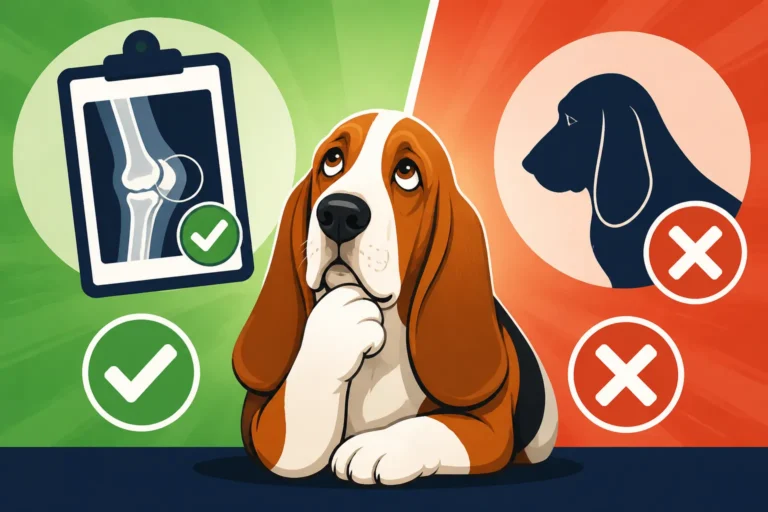
While most reputable pet insurance policies won't outright exclude "Basset Hound ear infections" as a blanket statement for all Bassets, they will almost certainly exclude any ear condition that is deemed pre-existing for your specific dog. This is particularly relevant given the breed's well-known struggles. If your Basset has a history of ear infections before you enroll or during the waiting period, those specific ears are likely to be flagged. This means any future treatment for those recurring infections could be denied coverage.
Some policies might also have breed-specific clauses, though these are less common with major providers. More often, it’s the chronic nature of Basset ear issues that triggers the pre-existing condition clause. For instance, if your Basset was diagnosed with bilateral otitis externa (ear inflammation in both ears) last year, any future treatment for otitis externa in either ear, even if it feels like a new episode, is highly likely to be considered pre-existing.
The Impact of Waiting Periods
Every pet insurance policy comes with waiting periods – a specific number of days, weeks, or even months after you purchase the policy before certain conditions become eligible for coverage. These periods are there to prevent people from buying insurance only after their pet gets sick. For Basset Hounds, this is a critical factor. If you enroll your Basset and a new ear infection flares up during the waiting period, even if it's the first time, it will likely be considered a pre-existing condition and excluded from coverage for the life of that policy. This is why it's so important to get insurance for your Basset as early as possible, ideally when they are a healthy puppy, before any such issues arise.
Strategies for Getting Coverage
If your Basset is young and has a clean bill of health, enrolling them in a pet insurance policy right away is your best bet to ensure ear issues are covered if they develop later. Don't wait until the first shake of the head or the first unpleasant smell. Look for providers like Healthy Paws or similar companies that offer robust coverage for chronic conditions, but always, always read their definition of "pre-existing" carefully.
If your Basset already has a history of ear infections, your options might be more limited. Some insurers might offer policies that do cover curable pre-existing conditions if there's been a long enough symptom-free period, but this is rare for chronic issues like Basset ears. You might also consider accident-only policies, which are generally cheaper but wouldn't cover illnesses like ear infections at all. For food and supplies, services like Chewy or Ollie often provide subscriptions that can save you money, but they won't help with vet bills.
What to Ask Pet Insurance Providers About Basset Hound Ear Health
When you're shopping for pet insurance, don't be shy about asking direct questions. Be specific.
| Question to Ask | Why It Matters for Basset Hounds |
|---|---|
| "How do you define a 'pre-existing condition' for chronic issues like ear infections?" | Clarifies if a past infection, even if resolved, will exclude future ones. |
| "Is there a 'curable' pre-existing condition clause for conditions like ear infections, and what is the required symptom-free period?" | Determines if a condition can become covered again after a period without symptoms or treatment. |
| "What are your waiting periods for illnesses, and specifically for orthopedic or chronic conditions?" | Ensures you know how long you have to wait before coverage begins for common Basset ailments. |
| "Will prior vet notes about ear redness or occasional scratching, even without a formal diagnosis, be considered pre-existing?" | Addresses the ambiguity of early or un-diagnosed symptoms. |
| "What is your process for reviewing veterinary records, and how far back do you go?" | Helps you understand how thorough their pre-existing condition assessment will be. |
Asking these questions directly can help you gauge whether a policy will truly offer the protection you need for your Basset's ears.
Navigating the Policy Fine Print: What to Look For
Signing up for pet insurance can feel like navigating a legal jungle. The documents are dense, and the language can be confusing. But for a Basset owner, understanding these details is paramount.
Reading the Terms and Conditions
This is the part everyone dreads, but it's where the critical information about your Basset's ear coverage lives. Don't just skim the brochure. Get a copy of the actual policy terms and conditions, and zero in on the sections about "Exclusions," "Pre-Existing Conditions," and "Waiting Periods." Look for specific mentions of chronic conditions or how recurrent issues are handled. Pay attention to whether the policy distinguishes between different ears or treats bilateral conditions (like infections in both ears) as a single, ongoing issue. Sometimes, an insurer might cover an infection in one ear but exclude it in the other if the first one was pre-existing. It's frustratingly detailed, but it's your money and your Basset's health at stake.
Asking Direct Questions to Providers
After you've done your best to understand the terms, pick up the phone and talk to a representative. Don't rely solely on online FAQs. Have your Basset's vet records handy and ask very specific, hypothetical questions. For example, "My Basset, Bartholomew, had an ear infection last year that was successfully treated. If he develops another infection in six months, will it be covered?" Or, "If Bartholomew had ear mites as a puppy, would future bacterial ear infections be considered pre-existing?" Document these conversations: the date, the name of the representative, and what they told you. This clarity can save you a lot of heartache (and money) down the line. Many pet insurance providers, like Healthy Paws, pride themselves on transparency, but it's still your responsibility to ask the hard questions.
Understanding Different Policy Types
Not all pet insurance policies are created equal, and understanding the differences is key for a Basset owner.
- Accident-Only Plans: These are the most basic and cheapest. They cover injuries from accidents (like getting hit by a car or breaking a bone), but they absolutely do not cover illnesses like ear infections. While tempting for the budget, they offer no protection for the most common Basset ailment.
- Accident & Illness Plans (Comprehensive): These are what most people think of as pet insurance. They cover a wide range of illnesses, accidents, and often emergency care. This is the type of policy you'd want for ear infections, provided they aren't deemed pre-existing. This is where the careful reading of the fine print truly matters.
- Wellness Plans/Riders: These are not insurance but rather add-ons or separate plans designed to cover routine care like annual exams, vaccinations, and sometimes even routine ear cleanings. While a wellness plan won't cover a treatment for an ear infection, it might help offset the cost of the regular preventive care your Basset's ears desperately need. This might be a separate offering from providers like Chewy, or an add-on to a comprehensive policy.
Choosing the right type of plan requires a realistic look at your Basset's potential health needs and your financial comfort level with unexpected vet bills.
Alternative Approaches and Management Strategies for Basset Hound Ear Health
Even with insurance, or if your Basset's ear issues are indeed excluded, there are still proactive steps you can take to manage their ear health and mitigate the financial impact.
Proactive Ear Care as a Financial Buffer
Regular, meticulous ear care is the absolute best defense against chronic infections. This means establishing The Twice Weekly Ear Ritual a Basset Hound Owner Signs Up For. Clean your Basset's ears regularly with a veterinarian-approved cleaner. You might need to clean them more often if they love to swim or are prone to getting dirty. Make it a positive experience from puppyhood, so they learn to tolerate it. Regularly check for signs of trouble, like redness, odor, discharge, or excessive scratching. The sooner you catch a problem, the easier and cheaper it is to treat. How Often a Basset Hound's Ears Must Be Cleaned truly makes a difference.
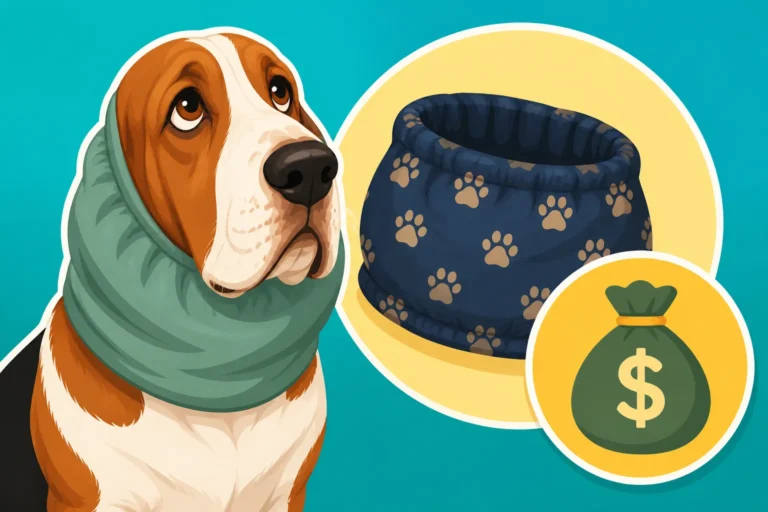
Preventive measures extend beyond cleaning. Consider a "snood" (a fabric ear cover) for meal times to keep those long ears out of food and water, which can contribute to moisture and bacterial growth. If your Basset struggles with allergies, addressing those underlying issues can also significantly reduce ear inflammation. Dietary changes, possibly with advice from your vet or nutritionists (some available through services like Ollie, focused on fresh foods), might help reduce inflammatory responses that contribute to ear issues.
Savings Accounts vs. Insurance for Chronic Conditions
If your Basset already has chronic ear infections that are excluded by insurance, you might find yourself in a position where self-funding is the only option. Many owners choose to set up a dedicated savings account specifically for their pet's medical expenses. Automate a transfer of a certain amount each month, just as you would for an insurance premium. This way, when those inevitable ear infections flare up, you have a fund ready to go.
Consider the long-term costs. If your Basset needs ear drops for life, for instance, factor that into your monthly budget. Whether a Basset Hound Needs Ear Drops for Life is a very real possibility for some of these hounds. Compare what you might pay in premiums for a policy that won't cover ears versus how much you could save directly. For many, a combination of accident/illness insurance (for unforeseen major issues) and a dedicated savings fund (for chronic, excluded conditions) offers the most peace of mind.
When to Consider a Wellness Plan
As mentioned, wellness plans or riders don't cover treatment for actual illnesses, but they can be a great complement to a comprehensive insurance policy, especially for a Basset. A good wellness plan might cover:
- Routine veterinary exams
- Vaccinations
- Flea and tick prevention
- Heartworm medication
- Routine ear cleanings or preventative ear flushes at the vet
- Sometimes even dental cleanings (which Bassets also often need!)
While it won't pay for the antibiotics for a raging infection, it will help with the regular check-ups and maintenance that can often prevent those infections from becoming severe or occurring as frequently. For a breed like the Basset Hound, whose health often revolves around maintenance and prevention, a wellness plan can be a smart addition to your overall financial strategy for their care. Remember, their long ears and wrinkled skin folds are constant areas of concern; The Skin Under a Basset Hound's Folds also needs regular attention and can incur costs.
Owning a Basset Hound is an incredible joy, but it comes with a commitment to understanding and managing their unique health challenges. By being informed about how pet insurance policies handle ear disease, and by taking proactive steps in their care, you can ensure your beloved hound lives as comfortably and healthily as possible. They truly are part of the family, and planning for their well-being is just part of the love we give them. Just like with What a Basset Hound Costs a Year to Keep, being prepared for the recurring ear issues is key to happy ownership. Remember, the Basset Hound's lineage, traced back to The Abbey Hounds a Basset Hound Descends From, has always been about their nose and ears, and while we cherish these traits, we also have to care for them diligently.
Disclaimer
This article is for general informational purposes only and does not constitute professional advice. Laws, prices and regulations vary by location and change over time. Consult a qualified professional for guidance on your specific situation.