Whether a Basset Hound Needs Joint Supplements
It's a familiar worry for many Basset Hound parents: those adorable, short, bowed legs and that long, heavy body are undeniably part of their charm, but they also scream "joint trouble" to any thoughtful owner. You see them lumbering around, stretching out after a nap, and you can't help but wonder if there's more you should be doing to keep those joints comfortable and healthy for years to come. This guide is here to walk you through the ins and outs of joint supplements for Basset Hounds, helping you understand when they might be beneficial and what to look for.
The Basset Hound's Built-In Joint Challenges
Let's be honest, our Basset Hounds are built like a low-slung tank, and while that distinctive shape is what makes them so unique and beloved, it also comes with a predisposition to certain orthopedic issues. Their genetic makeup, specifically a condition called chondrodysplasia (which is responsible for their short, bowed legs), means their bones and cartilage develop differently from many other breeds. This isn't a defect; it's part of the breed standard, but it does mean their joints are under different kinds of stress.
The Impact of Their Distinctive Physique
Imagine carrying a long, heavy suitcase with very short handles – that's a bit like what a Basset Hound's body is doing to its joints every single day. Their long spine and short limbs create leverage points that can put immense strain on the discs in their back, their elbows, and their hips. Every step, every climb up or down a stair, every awkward stretch, adds to the cumulative wear and tear. Their low center of gravity might make them stable, but it doesn't eliminate the forces acting on those critical joints. It's not just about age; even young Basset Hounds can experience discomfort simply due to their unique skeletal structure. We love them for their proportions, but those proportions demand our careful attention and proactive care. The Crooked Front a Basset Hound Is Built On is a great example of how their unique build can lead to specific concerns.
Common Joint Ailments in Basset Hounds
Because of this distinctive body type, Basset Hounds are, unfortunately, prone to several joint conditions that can significantly impact their quality of life. Owners frequently contend with issues like elbow dysplasia, where the elbow joint doesn't form correctly, leading to pain and arthritis. Hip dysplasia, though perhaps less prevalent than in some larger breeds, can still occur, especially if coupled with excessive weight. Then there's the ever-present concern of intervertebral disc disease (IVDD), where the cushions between their vertebrae can rupture or bulge, causing pain, nerve damage, or even paralysis. It’s enough to keep any Basset owner up at night, knowing these potential challenges lurk. Being aware of Why One Basset Hound in Seven Has Bad Elbows can help you understand the specific risks your Basset faces. Additionally, it’s worth learning more about Intervertebral Disc Disease in a Basset Hound, a very real concern for this breed.
What Are Joint Supplements and How Do They Work?
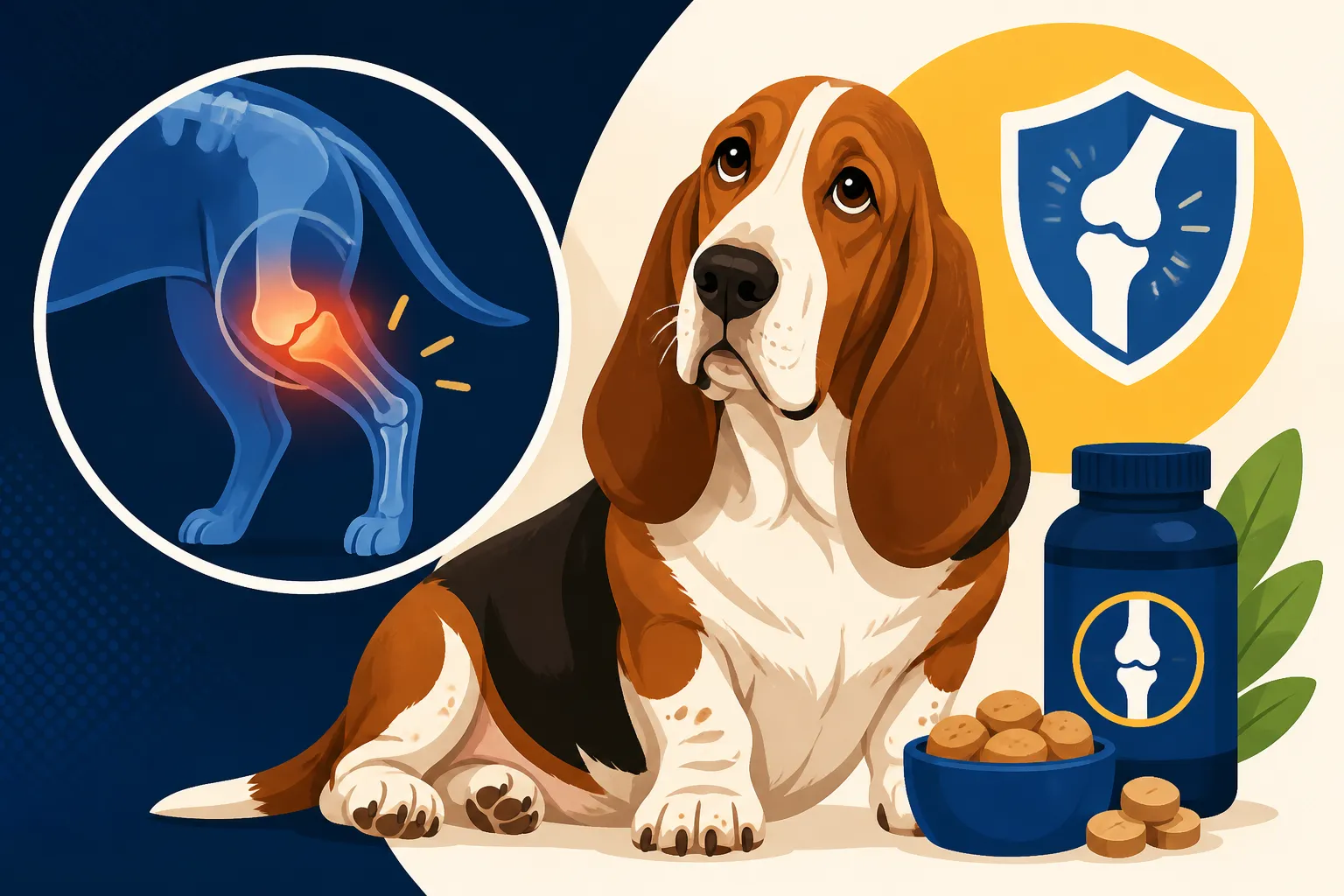
When we talk about joint supplements for dogs, we're generally referring to a category of nutraceuticals designed to support joint health, reduce inflammation, and, hopefully, slow the progression of degenerative joint diseases like arthritis. These aren't medications in the traditional sense; they're more like nutritional aids that aim to provide the building blocks or anti-inflammatory compounds that a dog's body might be lacking or could benefit from in higher concentrations.
Key Ingredients and Their Roles
Most joint supplements contain a combination of ingredients, each with a specific intended role in supporting cartilage and joint function. The "big three" you'll often see are:
- Glucosamine: This is an amino sugar that's a natural component of healthy cartilage. The theory is that supplementing with glucosamine provides the body with more of these building blocks, which can help repair damaged cartilage, stimulate its growth, and improve the viscosity of synovial fluid, the natural lubricant in joints.
- Chondroitin: Often paired with glucosamine, chondroitin sulfate is another natural component of cartilage. It's believed to help inhibit enzymes that destroy cartilage, improve cartilage elasticity, and enhance water retention in the cartilage, which is crucial for its shock-absorbing properties.
- Methylsulfonylmethane (MSM): A naturally occurring sulfur compound, MSM is often included for its anti-inflammatory and pain-relieving properties. Sulfur is important for connective tissue formation, and MSM can help reduce discomfort associated with joint stiffness.
Beyond these, you might also find Omega-3 Fatty Acids (like EPA and DHA from fish oil), which are powerful natural anti-inflammatories, or Hyaluronic Acid, another component of synovial fluid that helps with lubrication. Sometimes, ingredients like Vitamin C (an antioxidant) or Green-Lipped Mussel (a natural source of glucosamine, chondroitin, and omega-3s) are also added for their synergistic benefits. These ingredients don't work overnight, and their effectiveness can vary from dog to dog, but the idea is to provide sustained support for overworked joints.
The "When" and "Why" of Starting Supplements
This is often the million-dollar question for Basset Hound owners: should you wait for signs of trouble, or start proactively?
For Basset Hounds, given their genetic predisposition, many vets and experienced owners advocate for a proactive approach, starting joint supplements before overt signs of pain or stiffness appear. This might mean introducing them around middle age, say, between four and six years old, or even earlier if your vet detects early signs of joint laxity or a history of orthopedic issues in the dog's lineage. The rationale is to provide ongoing support for cartilage health and joint lubrication before significant degeneration sets in, potentially slowing the progression of arthritis. If your Basset Hound is starting to show signs of slowing down, struggling to get up, or limping after exercise, it's definitely time to have a conversation with your vet about joint supplements. These could be early indicators of conditions like The Old Basset Hound That Cannot Get Off the Floor or the onset of Arthritis in a Basset Hound at Seven.
| Basset Hound Age Stage | Typical Joint Concerns | When to Consider Supplements |
|---|---|---|
| Puppy (0-1 year) | Rapid growth, potential for developmental issues | Discuss with vet if breed-specific concerns or family history. |
| Young Adult (1-4 years) | Active, less overt signs, but underlying stress | Proactively consider if very active, heavy, or early lameness. |
| Middle Age (4-7 years) | Early signs of stiffness, reduced agility, weight gain | Often recommended proactively to support cartilage and comfort. |
| Senior (7+ years) | Arthritis progression, difficulty rising/moving | Almost always recommended to manage pain and improve mobility. |
The Importance of a Holistic Approach to Joint Health
While joint supplements can be a valuable tool in your Basset Hound's health regimen, they are not a standalone solution. Think of them as one piece of a much larger, more effective puzzle. A truly comprehensive approach to joint health involves several interconnected strategies that work together to support your dog's overall well-being and mobility. Ignoring these other factors would be like trying to fix a leaky faucet with a band-aid – it just won't cut it in the long run.
Diet and Weight Management as Cornerstones
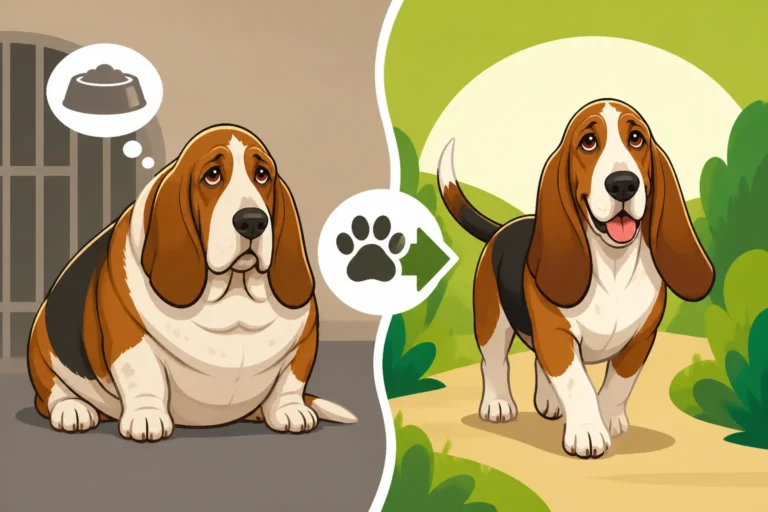
This cannot be stressed enough: maintaining a healthy weight is absolutely paramount for a Basset Hound's joint health. Every extra pound your Basset carries puts disproportionate stress on their already predisposed joints and spine. Imagine carrying a backpack filled with bricks all day, every day – that's what being overweight feels like to your dog. It exacerbates existing conditions like hip or elbow dysplasia and speeds up the onset and progression of arthritis. A balanced, high-quality diet, appropriate for their age and activity level, is essential. There are even prescription diets and over-the-counter foods formulated with joint support in mind, often containing ingredients like glucosamine and chondroitin. You can explore a wide range of these specialized foods and supplements on platforms like Chewy, making it easy to find options that align with your vet's recommendations. Focusing on What Extra Weight Does to a Basset Hound will underscore the severity of this issue, and learning about Keeping a Basset Hound at Its Correct Weight provides practical steps.
Exercise and Lifestyle Modifications
Your Basset Hound might love to lounge, but appropriate exercise is still crucial for maintaining muscle strength, flexibility, and a healthy weight. The key word here is "appropriate." High-impact activities like jumping off furniture, running up and down stairs repeatedly, or prolonged, strenuous play are generally discouraged for Basset Hounds. These activities can put sudden, intense strain on their delicate backs and joints. Instead, focus on low-impact activities like controlled, moderate walks on soft surfaces, gentle swimming (if they enjoy it and are safe), and short sessions of scent work in the yard. Modifying your home environment can also make a huge difference. Consider investing in ramps for accessing cars, beds, or sofas, reducing the need for jumping. Blocking access to stairs, especially if your Basset is older or has known back issues, is also a good idea. Whether a Basset Hound Should Use a Ramp can provide more detail on these essential home adjustments. It's also worth thinking about Whether a Basset Hound Should Jump Off Furniture to protect their spine.
The Role of Your Veterinarian
Before you even think about buying a joint supplement, your first and most important step should always be a consultation with your veterinarian. They can properly assess your Basset Hound's current joint health, diagnose any underlying conditions through physical examination and potentially X-rays, and recommend the most appropriate course of action. Not all joint pain is the same, and what works for one dog might not be right for another. Your vet can guide you on the best type of supplement, the correct dosage, and how it might interact with any other medications your dog is taking. They can also discuss a comprehensive treatment plan that might include pain management, physical therapy, or even surgical options if necessary. When your vet recommends diagnostics or prescriptions related to joint health, having a robust pet insurance like Healthy Paws can truly alleviate the financial strain, allowing you to prioritize your Basset's well-being without undue financial stress.
Choosing the Right Joint Supplement for Your Basset Hound
Once you've had that all-important conversation with your veterinarian, and you both agree that a joint supplement is a good step for your Basset Hound, the next hurdle is navigating the often-overwhelming world of available products. It seems like every pet store and online retailer has dozens of options, and it can be tough to know which one is truly beneficial. This isn't a decision to take lightly, as quality and efficacy can vary widely.
What to Look for in a Supplement
When you're sifting through the options, here are a few key things to keep in mind to ensure you're getting a quality product for your beloved Basset:
- Veterinarian Recommendation: Always start here. Your vet might have specific brands or formulations they trust based on their clinical experience and understanding of your dog's individual needs.
- Reputable Brands: Look for companies with a strong track record and good manufacturing practices. Brands that invest in research and quality control are generally more reliable. Be wary of generic, no-name brands that seem too good to be true in price.
- Active Ingredients and Dosage: Check the label for clearly listed active ingredients (glucosamine, chondroitin, MSM, omega-3s, etc.) and their concentrations. Make sure these dosages align with what your vet recommends for a dog of your Basset's weight. Some lower-cost supplements might contain minimal amounts, rendering them less effective.
- Third-Party Testing/Certifications: This is a big one. Look for seals or statements indicating that the product has undergone third-party testing for purity, potency, and safety. Organizations like the National Animal Supplement Council (NASC) offer seals of quality that can provide an extra layer of confidence.
- Formulation: Supplements come in various forms: chewable tablets, soft chews, powders, or liquids. Consider what will be easiest and most palatable for your Basset Hound. If they're picky, a highly palatable soft chew might be more successful than a powder you have to mix into food.
- Avoid Fillers and Artificial Additives: Just like with human supplements, some pet supplements can contain unnecessary fillers, artificial colors, or flavors. Opt for products with minimal, natural ingredients.
Potential Side Effects and Considerations
Generally, joint supplements are considered quite safe, especially when given at recommended dosages. However, no supplement is entirely without potential side effects, and it's important to monitor your Basset Hound closely when starting any new regimen. The most common side effects are mild gastrointestinal upset, such as diarrhea, vomiting, or gas. These often resolve on their own as your dog adjusts, or by reducing the dose, but it’s always best to check with your vet.
It's also crucial to remember that joint supplements are supplements, not magic bullets or pain relievers in the immediate sense. They work slowly and cumulatively, aiming to support long-term joint health. If your Basset Hound is already in significant pain, a supplement alone won't be enough, and your vet will likely prescribe pain medication or other interventions. Furthermore, always inform your vet about all supplements your dog is taking to avoid any potential interactions with other medications, especially if your Basset is also on anti-inflammatory drugs. It's also good to consider Whether a Basset Hound Needs Joint Support in Its Food as an integrated part of their diet.
Popular Options and Brands
There are many excellent joint supplements on the market, catering to different needs and preferences. While I can't recommend specific products, I can tell you that common formulations include highly palatable soft chews, often a favorite for Basset Hounds who love treats. Powders can be easily mixed into wet food, and liquids can be measured precisely and squirted onto food or directly into the mouth. When looking for products, platforms like Chewy offer a vast array of options, often with customer reviews that can give you insight into palatability and ease of use. If you're looking for a more holistic approach to your dog's diet, some personalized pet food services, such as Ollie, might even offer tailored meal plans that prioritize ingredients known to support joint health, beyond just offering a separate supplement. Always research and prioritize products with clear ingredient lists and positive veterinary backing.
Disclaimer
This article is for general informational purposes only and does not constitute professional advice. Laws, prices and regulations vary by location and change over time. Consult a qualified professional for guidance on your specific situation.