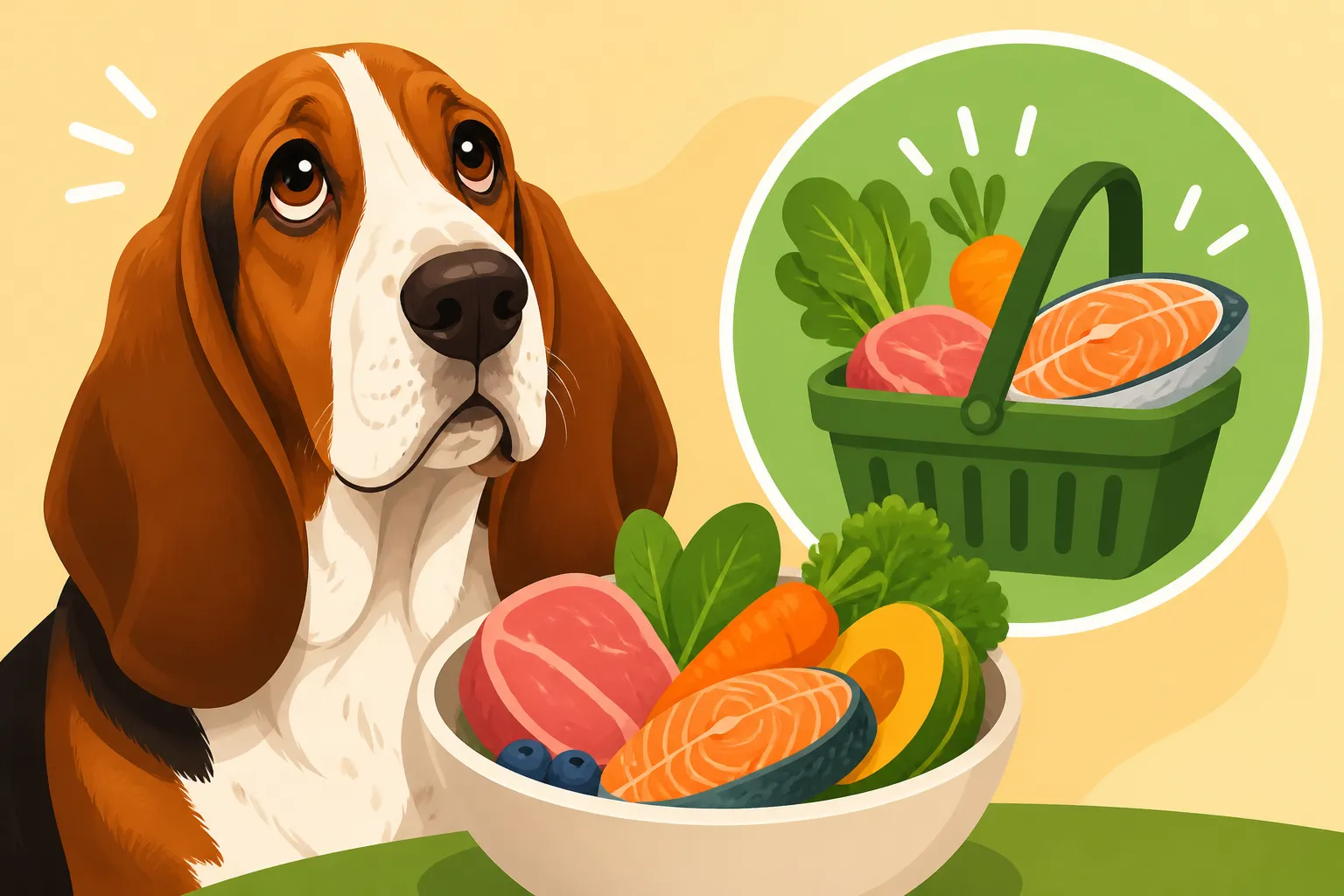
What Fresh Food Costs for a Basset Hound
Deciding to feed your beloved Basset Hound fresh food is a wonderful goal, often driven by wanting the absolute best for their health. But let's be honest, the thought of switching from kibble can feel like diving into a whole new world of questions, especially when it comes to your budget. Many of us worry if it's even feasible, or if it's just a luxury we can't afford. This guide is here to demystify what fresh food actually costs for a Basset Hound, exploring the different avenues available and offering practical ways to manage those expenses, so you can make an informed decision for your floppy-eared companion without feeling overwhelmed.
Understanding What "Fresh Food" Actually Means for Your Basset Hound
When people talk about "fresh food" for dogs, it's not a single, monolithic concept. It's a broad umbrella covering several approaches that all aim to move away from highly processed kibble and toward ingredients that are less altered, more natural, and often human-grade. For a Basset Hound, whose unique build and predispositions demand careful attention to diet, understanding these distinctions is key to choosing the right path.
Different Types of Fresh Food Diets
Each type of fresh food diet comes with its own set of considerations, from preparation time to nutritional balance and, of course, cost. It's not about one being inherently "better" than another across the board, but rather finding what best suits your Basset Hound's needs and your lifestyle.
Home-cooked meals for your Basset are perhaps the most hands-on approach. This involves preparing meals in your own kitchen using ingredients you select from the grocery store. The appeal is clear: you have complete control over every single ingredient, ensuring freshness and avoiding any allergens or additives your Basset Hound might react to. However, this method requires a significant time commitment, not just for cooking, but also for meticulous research to ensure nutritional completeness. Simply boiling some chicken and rice isn't a balanced, long-term diet for a dog. It needs to include a proper balance of proteins, fats, carbohydrates, vitamins, and minerals, often requiring supplements to prevent deficiencies that could lead to serious health issues down the line. It's easy to accidentally miss crucial nutrients or overdo others, which is why consulting with a veterinary nutritionist is highly recommended for any long-term home-cooked plan.
Pre-prepared fresh food services, like those offered by brands such as Ollie, have surged in popularity, and for good reason. These services deliver fresh, human-grade meals directly to your door, pre-portioned and often customized to your Basset Hound's specific caloric needs, age, and activity level. The convenience factor is huge – no cooking, no complex nutritional calculations, just open and serve. You still get the benefit of fresh ingredients without the heavy lifting of meal prep. Many of these companies use veterinary nutritionists to formulate their recipes, giving owners peace of mind that their Basset is getting a balanced diet. Whether a Basset Hound Needs Joint Support in Its Food is a common concern these services often address with added ingredients like glucosamine. The trade-off for this convenience is typically a higher cost compared to buying ingredients yourself, but it eliminates the "time cost" and the stress of getting the nutritional balance just right. Some pet retailers like Chewy also offer a range of fresh-prepared options from various brands, giving you more choices.
Raw food diets, often referred to as BARF (Biologically Appropriate Raw Food) or prey model diets, involve feeding uncooked meat, bones, and organs, sometimes with added fruits, vegetables, and supplements. Proponents believe this diet more closely mimics what a dog's ancestors would have eaten. For Basset Hounds, this approach can sometimes appeal to owners looking for a diet that supports their natural canine instincts and physical health. However, raw feeding comes with its own unique set of challenges, including the risk of bacterial contamination for both the dog and humans in the household, and the critical need for absolute nutritional balance. Just like home-cooked meals, formulating a raw diet requires deep knowledge and often professional guidance to ensure it provides all necessary nutrients and doesn't lead to deficiencies or excesses. The sourcing of high-quality, safe raw ingredients can also be a more complex and expensive undertaking.
Why Basset Hounds Can Benefit from Fresh Food
Basset Hounds are wonderful, unique dogs, but they do come with their own set of health considerations that a well-chosen fresh food diet can potentially help address. Their distinct physical characteristics – those long, pendulous ears, deep facial folds, and long, low bodies – mean they are predisposed to certain issues that can sometimes be exacerbated or alleviated by diet.
One of the biggest areas where Basset Hounds often see improvement with fresh food is in their digestion and overall gut health. Many Bassets, much like people, can struggle with sensitivities to common ingredients found in highly processed kibble, such as certain grains, artificial preservatives, or fillers. A diet rich in fresh, easily digestible ingredients can lead to fewer upset stomachs, more consistent stools, and a reduction in gas – a common complaint among Basset owners! Anecdotal evidence from many owners suggests that a switch to fresh food can drastically improve a Basset Hound's stool quality and reduce instances of Whether a Basset Hound Has a Sensitive Stomach. A healthy gut also plays a crucial role in overall immunity, which can be beneficial for a breed that often deals with chronic issues like The Ear Infections That Never Really Leave a Basset Hound.
Furthermore, the impact on coat health is often dramatic. Many Basset Hound owners observe a shinier, softer coat and a reduction in dry, flaky skin when their dogs switch to a fresh diet. The natural moisture content and bio-available nutrients in fresh food, particularly healthy fats, can significantly improve skin and coat condition, which is especially helpful for breeds like Bassets prone to The Skin Under a Basset Hound's Folds and other dermatological concerns. Beyond aesthetics, fresh food can also aid in weight management, which is absolutely critical for Basset Hounds. Their distinctive body shape means extra weight puts immense strain on their joints and spine, leading to conditions like The Back Trouble a Basset Hound Is Built Into or exacerbating Why One Basset Hound in Seven Has Bad Elbows. Fresh food, particularly pre-portioned options from services, makes it easier to control caloric intake and feed a nutritionally dense meal that keeps them feeling full without excessive calories. This precise control is invaluable for Keeping a Basset Hound at Its Correct Weight, directly impacting their lifespan and quality of life.
Breaking Down the Costs: What Influences Fresh Food Expenses
It's no secret that fresh food, in general, tends to cost more than your standard bag of kibble. However, the exact figures can vary wildly depending on the path you choose. It's not just about the raw price of the food itself, but also the hidden costs of time, effort, and ensuring proper nutrition. Understanding these influencing factors will help you budget effectively for your Basset Hound's dietary needs.
Ingredients and Sourcing for Home-Cooked Meals
If you decide to venture into the world of home-cooking for your Basset Hound, the primary cost will be the ingredients themselves. This is where you have the most control, but also the most responsibility. You'll be looking at human-grade proteins like chicken, beef, turkey, or fish, which are generally more expensive than the animal by-products often found in cheaper kibbles. Buying cuts meant for human consumption means you're paying for quality, which directly impacts the price.
Beyond protein, you'll need a variety of vegetables (carrots, green beans, sweet potatoes), healthy fats (like fish oil or olive oil), and potentially grains or other carbohydrates if they are part of your chosen recipe. The cost implications here are similar to your own grocery bill: organic produce will cost more than conventional, and specialty ingredients can add up quickly. Buying in bulk from warehouses or local farmers can sometimes bring down the per-pound cost, but it requires significant storage space and an upfront investment. Many Basset owners find themselves spending a considerable amount at the grocery store, perhaps even more than for their own meals, to ensure their Basset's diet is varied and complete. Don't forget the cost of essential supplements, too – things like calcium, vitamins, and minerals are crucial for balancing a home-cooked diet and preventing deficiencies that could lead to serious health problems. These aren't optional; they are a necessary part of the equation, adding another layer to your monthly expense.
Subscription Fresh Food Services and Their Pricing Models
For many Basset Hound owners, the allure of pre-prepared fresh food services is the convenience and guaranteed nutritional balance. Companies like Ollie tailor meal plans based on your dog's specific profile (breed, age, weight, activity level, and any dietary restrictions). This means the cost isn't a fixed price per bag, but rather a dynamic figure based on your Basset's individual needs, determining the portion sizes and frequency of deliveries.
The pricing for these services is typically a weekly or monthly subscription fee. While it might look high at first glance compared to a large bag of kibble, it includes the cost of high-quality ingredients, professional formulation by veterinary nutritionists, preparation, packaging, and often insulated shipping right to your doorstep. You're paying for premium ingredients and the immense convenience. These services might offer different plan tiers or introductory discounts for new customers. For example, a larger, more active Basset Hound will require more food, and therefore a higher weekly cost, than a smaller, less active one. The beauty is that the portions are usually precise, which helps tremendously in Getting Weight Off a Basset Hound That Will Not Exercise or simply maintaining an ideal body condition, which can translate into fewer vet visits for weight-related issues in the long run. When comparing brands, always look at the ingredient list, the nutritional guarantees, and what a full subscription for your specific Basset would entail.
Raw Food: Specific Cost Factors
Raw feeding can be another significant investment, often comparable to, or even exceeding, the cost of subscription fresh food services, especially if you're committed to high-quality, human-grade ingredients. The primary cost here is the meat itself – muscle meat, organs (like liver and kidney), and appropriate raw meaty bones. Sourcing these components can be tricky; not all butchers or grocery stores carry a wide enough variety, and specific cuts suitable for raw feeding might be more expensive.
Many raw feeders buy in bulk from specialized suppliers, co-ops, or online raw food retailers, which can reduce the per-pound cost but requires substantial upfront spending and dedicated freezer space. Imagine needing an entire chest freezer just for your Basset's food! Beyond the meat, you'll need to account for supplements to ensure a balanced diet. This might include specific vitamins, minerals, or even digestive enzymes, as raw feeding requires careful attention to nutrient ratios. The potential risks associated with bacterial contamination also mean you might invest in extra sanitation supplies and diligent cleaning protocols for your kitchen, adding a minor but continuous cost. Whether a Basset Hound Eats Things Off the Ground is something to consider; while not a cost factor directly, it highlights the importance of safe food handling with raw diets.
| Fresh Food Option | Pros | Cons | General Cost Shape (Relative to Kibble) |
|---|---|---|---|
| Home-cooked | Full control over ingredients, customizable | High time commitment, requires nutritional expertise | Moderate to High |
| Subscription Service | Convenient, nutritionally balanced, portioned | Higher upfront cost, less control over ingredient source | High |
| Raw Diet | Mimics ancestral diet, perceived health benefits | High risk of contamination, requires expertise, storage | High to Very High |
Managing the Investment: Tips for Making Fresh Food Affordable
It's easy to look at the cost of fresh food and think it's out of reach, especially with a breed like the Basset Hound who always seems to be hungry. But with a bit of savvy planning and a realistic approach, you can often make fresh feeding a sustainable option. It’s about being smart with your choices and recognizing where you can find value without compromising your Basset’s health.
Smart Shopping and Meal Prep Strategies
If you’re leaning towards a home-cooked diet for your Basset Hound, smart shopping is your best friend. Just like you plan your family's meals to save money, apply the same principles to your dog’s food. This means keeping an eye out for sales on human-grade meats at your local grocery store or butcher. Buying larger cuts when they’re discounted and then portioning and freezing them yourself can lead to significant savings. Similarly, purchasing seasonal produce or vegetables in bulk when they’re inexpensive, then steaming or blanching and freezing them, can cut down costs. Farmers' markets can also be a great source for fresh, local ingredients that might be more affordable than supermarket prices, particularly for produce.
Batch cooking is another game-changer. Dedicate a couple of hours once a week or bi-weekly to prepare a large quantity of your Basset’s meals. Cook the proteins, chop the vegetables, and mix in the necessary supplements. Then, portion everything out into individual servings and freeze them. This not only saves you time during busy weekdays but also makes it easier to track portions and ensures consistency in their diet. For a Basset Hound who would [Eat Forever], portion control is absolutely vital. While pure fresh food is ideal, a hybrid approach can also be very cost-effective. Consider feeding a high-quality fresh food for one meal a day and a premium kibble for the other. This significantly reduces the overall cost while still providing many of the benefits of fresh ingredients. Remember, even a partial switch to fresh can be a huge step up from a full kibble diet.
Utilizing Fresh Food Delivery Services Wisely
For those who value convenience and guaranteed nutritional balance, fresh food delivery services are a fantastic option. To make them more affordable, start by taking advantage of introductory offers and trial periods. Many companies, including those you might find on Chewy or direct from brands like Ollie, provide discounts for your first few orders. This is a great way to try different recipes and see how your Basset Hound responds without a full financial commitment. Pay close attention to how much food your Basset actually needs. These services often calculate portions based on ideal weight and activity levels. If your Basset is a couch potato, as many are, they might need fewer calories than a more active dog, which can reduce your order size and thus the cost.
Don't be afraid to adjust your delivery frequency. If you find your Basset isn't finishing all their food or you're supplementing with other treats, you might be able to stretch out deliveries, saving money over time. Also, take the time to compare different brands. While the base idea of fresh food delivery is similar, the ingredient sourcing, recipe complexity, and pricing structures can vary. Some might be slightly more budget-friendly while still maintaining high quality. Remember, a Basset Hound's digestive system can be sensitive, so any changes, even between fresh food brands, should be done gradually to avoid Whether a Basset Hound Tolerates a Food Change.
Considering the Long-Term Health Benefits vs. Upfront Costs
When you look at the monthly expenditure for fresh food, it's natural to compare it directly to the cheaper cost of kibble. However, it’s important to adopt a long-term perspective. Investing in a high-quality, fresh diet can potentially lead to fewer health issues down the road, which in turn can mean lower veterinary bills over your Basset Hound's lifetime. For a breed known for its predispositions to chronic conditions, this is a significant consideration.
Think about common Basset Hound ailments. Their long backs are prone to intervertebral disc disease (IVDD), their low-slung bodies and heavy bone structure can lead to Arthritis in a Basset Hound at Seven or worsen Elbow Dysplasia in a Basset Hound, and their long ears are a magnet for infections. While diet isn't a magic bullet, a healthy weight, strong immune system, and reduced systemic inflammation – all of which can be supported by a fresh, nutrient-dense diet – can contribute to better overall health. This might mean fewer expensive ear treatments, fewer medications for chronic pain, and potentially even delaying or reducing the severity of orthopedic issues. What Actually Kills Most Basset Hounds often includes age-related illnesses that a lifetime of good nutrition can help mitigate. Consider also the emotional cost of dealing with a sick dog; a healthier Basset is a happier Basset, and a happier owner. Insurance, such as Healthy Paws, can also play a role here. While pet insurance doesn't make fresh food cheaper, it can significantly offset the costs of unexpected illnesses or injuries that might be less frequent if your Basset is thriving on a superior diet, allowing you to prioritize the best care without financial stress. Insuring a Basset Hound Against Eyes, Ears and Backs is a smart move regardless of diet, but a healthy diet can potentially reduce claims for diet-related issues.
Practical Considerations and the Basset Hound Reality
Beyond the dollars and cents, integrating fresh food into your Basset Hound's life brings a few practical considerations that are worth thinking through. Their unique personality and physical traits sometimes mean slight adjustments compared to other breeds, but with a little forethought, it’s entirely manageable.
Storage and Logistics for Fresh Food
One of the most immediate practical differences when switching to fresh food is storage. Unlike a large bag of dry kibble that can sit in the pantry, fresh food requires refrigeration or freezing. If you're home-cooking or using a raw diet, you'll need ample freezer space. For a medium-sized dog like a Basset Hound, who weighs quite a bit more than they look, feeding them fresh can mean dedicating a significant portion of your freezer, or even investing in a small chest freezer just for their meals. This needs to be factored into your budget and living space.
Thawing schedules become part of your daily routine. Meals need to be moved from the freezer to the fridge well in advance, usually 24 hours before feeding. Forgetting to thaw can lead to a very unhappy (and vocal) Basset at mealtime! Packaging also matters; ensure individual portions are sealed well to prevent freezer burn and cross-contamination, especially with raw diets. Travel can also become a bit more complex. Long road trips or stays at pet-friendly hotels will require planning for coolers and access to refrigeration, which isn't always as straightforward as grabbing a scoop of kibble.
Transitioning Your Basset Hound to a Fresh Food Diet
Switching your Basset Hound to a new diet, whether it's from kibble to fresh-cooked, or from one fresh food brand to another, needs to be done gradually and thoughtfully. Basset Hounds can have surprisingly sensitive digestive systems, and a sudden change can lead to an upset stomach, diarrhea, or vomiting – definitely not what you want!
The general rule of thumb is to introduce the new food slowly, over a period of 7-10 days. Start by replacing about 25% of their old food with the new fresh food for a few days. If your Basset handles it well, increase the new food to 50% for a few more days, then 75%, until they are fully on the new diet. Watch your Basset closely during this transition. Monitor their stool for any changes in consistency, color, or frequency. Keep an eye on their energy levels and appetite. Some Basset Hounds might be hesitant with new textures or smells, so patience is key. If you notice any signs of digestive upset, slow down the transition or consult your veterinarian. Whether a Basset Hound Has a Sensitive Stomach means this gradual approach is paramount. Many Basset owners find that their dogs absolutely adore the taste of fresh food, which can make the transition a joy, but don't rush it. Consulting with your veterinarian or a canine nutritionist throughout this process is always a good idea, as they can offer tailored advice for your Basset Hound's specific health profile.
Disclaimer
This article is for general informational purposes only and does not constitute professional advice. Laws, prices and regulations vary by location and change over time. Consult a qualified professional for guidance on your specific situation.