Whether a Basset Hound Is Cheap to Feed
It's a common thought: a Basset Hound isn't a giant breed, so feeding them must be relatively inexpensive, right? You picture those short little legs and assume a smaller stomach. But many Basset owners quickly discover that their adorable, low-slung companion has an appetite that can rival a much larger dog, and their specific needs often lead to a food bill that's anything but cheap. This guide will delve into the realities of feeding a Basset Hound, exploring the factors that influence costs and offering strategies to manage your budget without compromising your hound's health.
The Basset Hound Appetite: A Bottomless Pit?
Let's be honest, most Basset Hound owners have, at some point, looked at their dog and wondered if it ever feels full. That soulful gaze, the dramatic sigh, the way they seem to materialize the moment food is even thought about – it’s a masterclass in canine persuasion. The perception that a Basset Hound is a "small" dog in terms of food needs is often far from the truth, leading to initial cost surprises for new owners.
Their Unique Build and Caloric Needs
Despite their short stature, Basset Hounds are surprisingly dense. They pack a lot of muscle and bone into that compact frame. When you try to guess What an Adult Basset Hound Weighs, you'll often find they're heavier than you'd expect for their height. This means they require a substantial amount of calories to maintain their weight and energy levels, especially if they're active. An active Basset exploring scents in the yard or on a long walk burns more calories than one whose primary activity is napping on the sofa. Their metabolism, combined with their inherent drive to seek out food (thanks to that incredible nose!), makes managing their intake a constant challenge.
It's not just about keeping them full; it's about keeping them healthy. An underfed Basset, though rare, wouldn't thrive. More commonly, the issue is overfeeding, which can exacerbate the breed's predispositions to joint and back problems. The endless quest for more food can be frustrating, especially when you feel like you're constantly refilling the bowl, or worse, dealing with a crafty counter-surfer. You might even find yourself asking Whether a Basset Hound Ever Feels Full, and most owners would probably answer with a resounding "no!"
The Constant Battle Against Begging
Basset Hounds are masters of the mournful look, the sigh, the slow lean into your leg as you eat. They are persistent, and that persistence often pays off in extra treats or table scraps, which quickly add up both in calories and in your grocery bill. It's a tough habit to break once it starts. Their powerful sense of smell means they know exactly when food is around, even if it's just a crumb. This constant presence around meal times or snack times can make it feel like you're feeding them much more than you actually are, or should be.
This isn't just a quirky trait; it's a deeply ingrained part of their hound nature. Their ancestors were bred to follow a scent trail for miles, and that drive translates into a persistent focus on anything that smells edible. If you’re not careful, those extra bites can quickly lead to weight gain, which is detrimental to their health and can mean bigger expenses down the line. It truly is a daily negotiation, and your Basset will test your resolve at every turn.
Beyond Basic Kibble: Factors Driving Up Feeding Costs
Thinking a Basset Hound is cheap to feed based solely on the price of a bag of generic kibble is a bit like assuming a fancy car is cheap to own because you only look at the sticker price. There are so many layers that go into the actual cost of feeding these wonderful dogs, from the quality of food you choose to any special dietary needs they might develop over their lifetime.
Food Quality and Type: Making the Right Choices
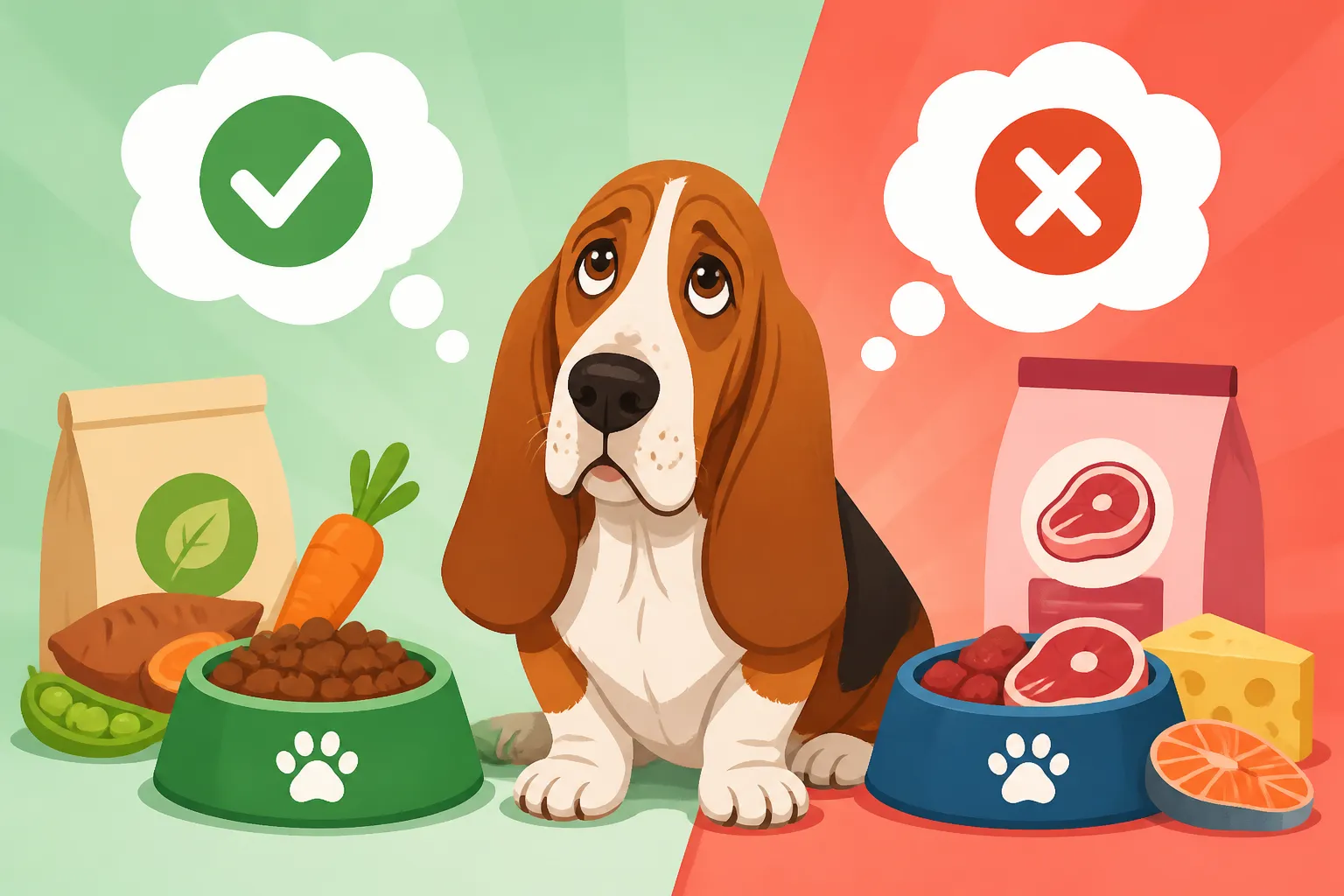
The market for dog food is vast and can be overwhelming. You have everything from budget-friendly kibbles to premium dry foods, canned wet food, freeze-dried options, and even fresh, human-grade meals. Each comes with its own price tag and a passionate debate about its benefits.
- Dry Kibble: This is often the most economical choice. However, even within kibble, there's a huge range. Higher-quality kibbles often feature better ingredients, fewer fillers, and more digestible protein sources. These typically cost more per bag but can sometimes mean you feed slightly less because the nutritional density is higher. Brands widely available through retailers like Chewy offer a massive selection, from entry-level options to those formulated with specific breed sizes or sensitivities in mind.
- Wet Food: Canned food is generally more expensive than kibble per serving. It's often more palatable for picky eaters and can increase water intake. Some owners mix wet food with kibble to make meals more appealing without breaking the bank.
- Fresh or Raw Food Diets: Companies like Ollie specialize in fresh, human-grade food delivered right to your door. While these diets are often lauded for their natural ingredients and potential health benefits, they come at a significantly higher cost. For a Basset Hound, who already needs a decent volume of food, a full fresh food diet can become a considerable monthly expense. Raw feeding, while popular with some, also requires careful planning, storage, and can be quite costly depending on your protein sources.
The choice you make profoundly impacts your monthly food budget. While a budget kibble might seem cheap upfront, a Basset Hound on a poor-quality diet might face more health issues over time, leading to higher vet bills. It’s a delicate balance.
Life Stage and Special Dietary Needs
A Basset Hound's dietary needs change as they age, and sometimes, unexpected health issues can necessitate a complete overhaul of their diet, adding to the expense.
- Puppy Food: Basset Hound puppies need specialized diets to support their rapid growth without encouraging them to grow too quickly, which can stress their developing joints. Puppy foods are often richer in calories and specific nutrients.
- Adult Food: Once your Basset is fully grown, usually around 12-18 months, they transition to adult formulas. The amount they eat will depend on their activity level and individual metabolism.
- Senior Food: As Bassets enter their golden years, often around The Age a Basset Hound Counts as Senior, their metabolism slows, and they might become less active. Senior formulas are typically lower in calories and sometimes fortified with joint-supporting ingredients.
- Prescription Diets: This is where costs can really climb. If your Basset Hound develops allergies, a sensitive stomach, kidney issues, or requires specific calorie control, your vet might recommend a prescription diet. These specialized foods are formulated to address particular health conditions and are almost always more expensive than over-the-counter options. For instance, if your Basset develops a chronic condition that requires specific management, you might find yourself needing Whether Prescription Food Is Needed for a Basset Hound, which can significantly impact your budget.
Treats and Supplements: The Hidden Costs
Beyond the main meals, there's the inevitable expense of treats and supplements.
- Treats: From training treats to dental chews, these little extras add up. Many Basset Hounds are highly food-motivated, making treats essential for training and enrichment. However, giving too many treats can quickly contribute to weight gain, making it a double-edged sword. If you’re not careful, the cost of treats can easily rival a portion of their regular food bill.
- Supplements: Basset Hounds, due to their unique conformation, are prone to certain musculoskeletal issues like elbow and back problems. Many owners opt to give joint supplements from a relatively young age to support cartilage health. You might wonder Whether a Basset Hound Needs Joint Supplements – and for many, the answer is a resounding yes, especially as they age. Other common supplements include fish oil for skin and coat health or probiotics for digestive issues. While these can contribute to overall well-being and potentially prevent more costly vet visits down the line, they are an additional monthly expense.
Here’s a quick overview of how different food types generally compare in terms of general cost, though actual prices vary widely:
| Food Type | Typical Cost Per Serving (Relative) | Common Benefits | Considerations |
|---|---|---|---|
| Standard Dry Kibble | Low | Economical, easy to store, nutritionally complete. | Quality varies, can contain fillers. |
| Premium Dry Kibble | Medium | Better ingredients, more digestible, targeted formulas. | Higher upfront cost, still requires careful ingredient checking. |
| Wet (Canned) Food | Medium-High | Highly palatable, good for hydration, often fewer fillers. | More expensive, shorter shelf life once opened, bulky storage. |
| Fresh Food (e.g., Ollie) | High | Human-grade ingredients, highly digestible, personalized plans. | Most expensive, requires refrigeration, subscription commitment. |
| Raw Food Diet | High | Biologically appropriate, perceived health benefits. | Requires careful handling, storage, and nutritional balancing. |
| Prescription Diet | High | Formulated for specific health issues, vet-recommended. | Often the only option for certain conditions, very expensive. |
Managing the Basset Hound Food Budget: Practical Strategies
It's clear that feeding a Basset Hound isn't necessarily "cheap," but that doesn't mean it has to break the bank. There are plenty of smart, realistic strategies you can employ to ensure your hound gets the nutrition they need without constantly feeling the pinch. It’s all about informed choices and consistent management.
Portion Control and Weight Management: Your Best Cost Saver
This is, hands down, the most crucial aspect of managing your Basset Hound's food expenses and overall health. An overweight Basset is not just less mobile; they are prone to a host of serious health problems that lead to exorbitant vet bills. What Extra Weight Does to a Basset Hound cannot be overstated – it exacerbates joint issues, puts strain on their long backs leading to conditions like The Back Trouble a Basset Hound Is Built Into, increases the risk of bloat, and can even shorten their lifespan.
By diligently Keeping a Basset Hound at Its Correct Weight, you're investing in their long-term health and saving money on potential future medical treatments. This means accurate portion control – measuring their food rather than guessing – and being firm about treats and table scraps. Discuss with your vet how much your Basset should weigh and what their ideal body condition score is. If you're struggling with a Basset who's a little too chunky, read up on Getting Weight Off a Basset Hound That Will Not Exercise to find practical tips. Remember, every extra pound they carry increases the likelihood of costly health complications down the line, potentially leading to emergency surgeries that can be incredibly expensive.
Smart Shopping: Bulk, Sales, and Subscriptions
Just like with human groceries, savvy shopping can make a big difference.
- Buy in Bulk: If you have storage space, buying larger bags of kibble can often result in a lower price per pound. Just make sure you can use it before it goes stale, especially if you have only one Basset.
- Look for Sales and Loyalty Programs: Keep an eye out for sales, manufacturer coupons, and loyalty programs from your preferred pet supply stores or online retailers. Websites like Chewy often have recurring discounts or subscription services that can save you a percentage on regular deliveries.
- Consider Subscription Services for Fresh Food: If you opt for a fresh food diet from a provider like Ollie, evaluate their subscription plans. They often offer discounts for regular, automated deliveries, and it saves you time too. Just make sure to adjust the portion sizes carefully to prevent overfeeding, as fresh food can be calorie-dense.
Comparing Brands and Ingredients
Don't assume that the most expensive food is always the best, or that the cheapest is always inadequate. Do your research.
- Read Ingredient Lists: Look for whole meat proteins as the first few ingredients, and be wary of excessive fillers. Different Basset Hounds react differently to various ingredients, so what works for one might not work for another.
- Check Nutritional Guarantees: Ensure the food meets AAFCO (Association of American Feed Control Officials) standards for your dog's life stage.
- Consult Your Vet: Your veterinarian is an excellent resource for discussing food choices, especially if your Basset has specific health concerns or a Whether a Basset Hound Has a Sensitive Stomach. They can help you decipher ingredient lists and recommend appropriate options within your budget.
Choosing the right food for your Basset can feel like a big decision. While the monthly cost of What Feeding a Basset Hound Costs Monthly can fluctuate wildly depending on your choices, remember that it's a direct investment in their health. And when it comes to health, having good pet insurance from providers like Healthy Paws can provide immense peace of mind, covering a significant portion of unexpected veterinary costs, especially if a diet-related issue or other common Basset ailment arises.
Feeding a Basset Hound might not be as cheap as you initially imagine, given their hearty appetites and potential need for specialized care. However, with careful planning, smart shopping, and a firm hand against those pleading eyes, you can provide them with excellent nutrition without feeling overwhelmed by the expense. It's a journey, but one well worth taking for the health and happiness of your beloved hound.
Disclaimer
This article is for general informational purposes only and does not constitute professional advice. Laws, prices and regulations vary by location and change over time. Consult a qualified professional for guidance on your specific situation.