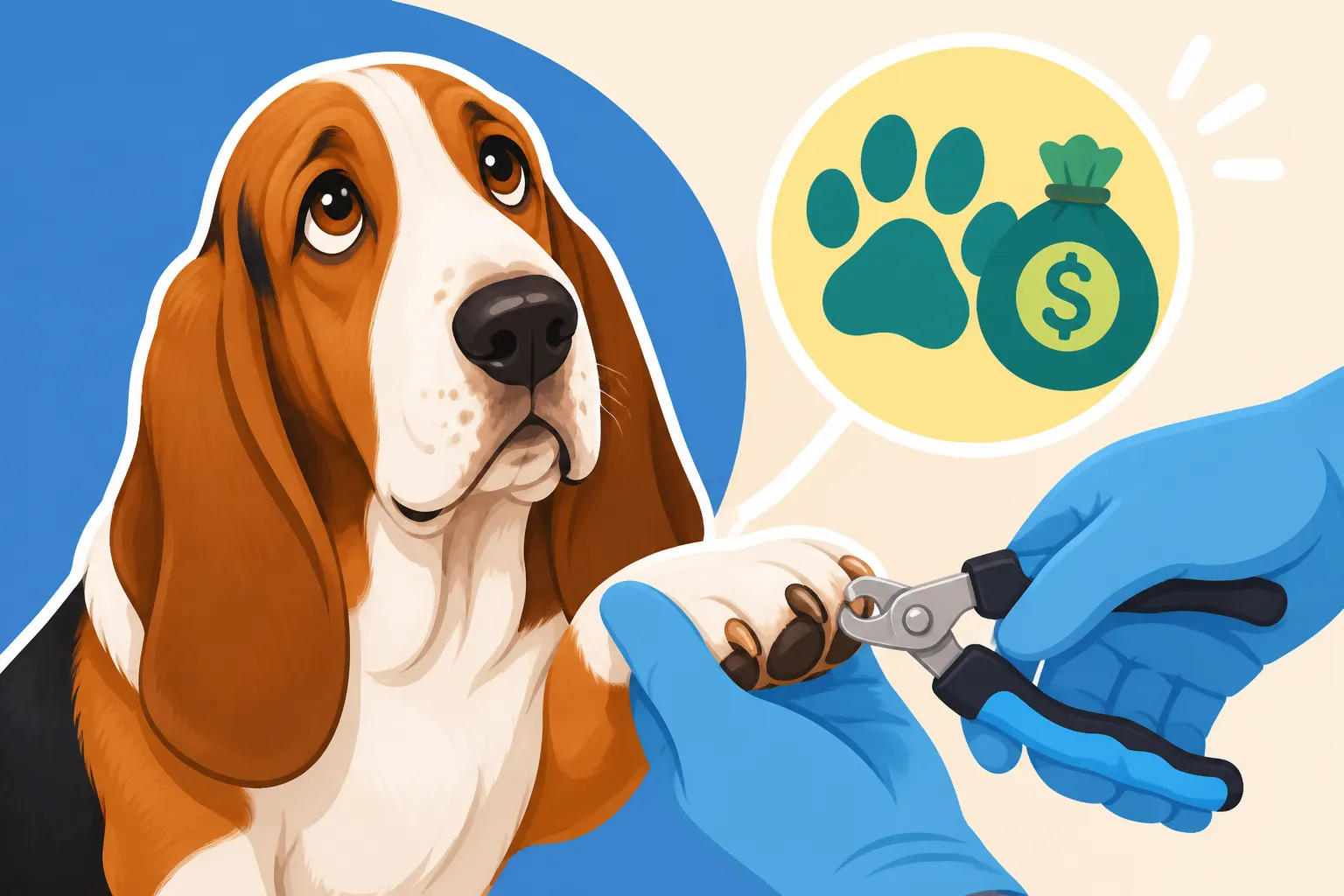
What a Basset Hound’s Nail Trim Costs
Oh, the joy of a Basset Hound! Their long, floppy ears, soulful eyes, and that unmistakable low-slung body. But let's be real, beneath that adorable exterior lies a breed with some very specific care needs that can catch new owners by surprise. One of those often-overlooked aspects is nail care, and the question of what a Basset Hound's nail trim costs is a practical concern many of us face as we try to keep our beloved hounds comfortable and healthy. This guide is all about helping you understand the financial and practical realities of keeping your Basset's paws in tip-top shape.
Why Nail Trims Are Non-Negotiable for Basset Hounds
It's easy to think a nail trim is just a cosmetic thing, something to do when your Basset's nails start clicking on the kitchen floor. But for a Basset Hound, with their unique body structure and weight distribution, proper nail length isn't just about aesthetics; it's fundamental to their well-being. Ignoring those nails can lead to discomfort, pain, and even long-term health issues that are far more costly and heartbreaking to fix.
The Impact of Long Nails on Basset Hounds' Gait
Imagine trying to walk comfortably when your shoes are constantly pushing your toes backward, distorting your natural stride. That's a bit like what happens to a Basset Hound with overgrown nails. Their nails hit the ground before their paw pads do, forcing their toes upwards and causing their foot to splay. Over time, this unnatural posture can lead to significant changes in their gait. Instead of walking with their weight evenly distributed, they might shift their balance, putting undue stress on their joints, particularly in their elbows and shoulders, which are already predisposed to issues.
This constant, subtle shift can contribute to or worsen conditions like Elbow Dysplasia in a Basset Hound or even Arthritis in a Basset Hound at Seven. You might notice your Basset taking shorter, more hesitant steps, or even developing a strange, almost shuffling walk. This isn't just a sign of aging; it could very well be a direct consequence of neglected nails forcing their entire body out of alignment. Ensuring regular trims helps maintain their natural foot structure and allows them to move more freely and comfortably.
Potential for Pain and Injury
Beyond altering their gait, long nails are a direct source of pain and potential injury. Those long quicks, the sensitive blood and nerve supply within the nail, grow longer with the nail, making it harder to trim them back without causing bleeding and discomfort. If a nail snags on carpet, furniture, or rough terrain, it can tear or break, often causing intense pain, bleeding, and requiring a costly vet visit to treat. These tears can sometimes be so severe they expose the quick, leading to infections that require antibiotics.
Consider your Basset's active nose, often leading them on adventures through tall grass or uneven ground. A long nail can easily catch on something, ripping itself from the nail bed. This is not only incredibly painful for your hound but also can be quite traumatic for you to witness and treat. Even without a major tear, persistently long nails can curve and grow into the paw pad, creating deep, painful sores that are prone to infection. This is a common, yet entirely preventable, issue that many Basset owners encounter, underscoring just how vital consistent nail care is for preventing unnecessary suffering. It's truly part of Looking After a Basset Hound's Feet and Nails.
Understanding the Cost Factors for Professional Nail Trims
So, you've decided that keeping those nails pristine is a must, but maybe the idea of tackling them yourself feels a bit daunting, especially with a Basset's thick, often dark nails. That's perfectly understandable! Many owners opt for professional help, and the costs can vary quite a bit depending on where you go and what services are involved.
Vet Clinics vs. Grooming Salons
Generally, you have two primary options for professional nail trims: your local veterinary clinic or a dedicated dog grooming salon. The cost difference can be noticeable. Vet clinics often charge a bit more, sometimes because they factor in a brief health check or because their staff are medically trained and equipped to handle more challenging cases, such as a dog that is particularly anxious or has an underlying health condition that needs consideration. They also have the resources to deal with a quicking accident immediately and sterilely.
Grooming salons, on the other hand, typically offer more competitive pricing for a standalone nail trim. Their primary focus is on aesthetics and routine care, so they might be quicker and more efficient if your Basset is cooperative. However, if your Basset becomes difficult or aggressive, a groomer might refuse the service or charge an additional "difficult dog" fee. Some larger pet store chains with grooming services, like those you might find through a search for Chewy's in-store services (though they primarily operate online, some have partnerships or physical locations), can offer a middle ground with standardized pricing. It's really about weighing the cost against the level of expertise and backup care you might need for your specific hound.
Geographic Location and Service Provider Experience
Just like with most services, where you live plays a huge role in pricing. Nail trim costs in a bustling metropolitan area, say, New York City or Los Angeles, are almost certainly going to be higher than in a small rural town in the Midwest. Higher overheads like rent and wages directly translate to higher service fees for consumers. It's simply the reality of living in different economic zones.
The experience and reputation of the service provider also impact the price tag. A highly sought-after groomer with decades of experience, known for their gentle touch and ability to handle even the most nervous dogs, will naturally charge more than a newer, less experienced groomer. Similarly, a specialized veterinary practice might charge more than a general neighborhood clinic. You're often paying for that peace of mind, knowing your Basset is in capable, patient hands, especially if your hound is known to put up a fuss. Sometimes that extra investment is worth it to avoid a stressful experience for both you and your Basset.
Behavioral Challenges and Sedation Costs
This is where the cost can truly escalate, and it's a frustration many Basset owners understand. Basset Hounds, bless their stubborn hearts, aren't always thrilled about having their paws handled. If your Basset is prone to fear, anxiety, or aggression during nail trims, a standard quick trim might be impossible. This might lead to additional fees for extra staff to hold your dog or specialized handling techniques.
In more severe cases, your vet might recommend sedation to safely perform the trim, which can add a significant amount to the bill. Sedation requires a veterinary examination, the cost of the sedative drugs, and monitoring your dog during the process. While it's a necessary step for some dogs to prevent injury to themselves or the staff, it turns a relatively inexpensive routine procedure into a much more substantial expense. This highlights why early training to get your Basset comfortable with paw handling is so crucial, similar to Getting a Basset Hound Used to Ear Handling as a Puppy. If your Basset struggles, this could impact What a Basset Hound's Yearly Vet Bill Looks Like considerably.
DIY Nail Trims: Saving Money (and Your Sanity)
For many Basset Hound owners, the idea of doing nail trims at home is tempting for both cost savings and the potential to make it a less stressful experience for their dog. It definitely can be done, but it's not without its own set of challenges and learning curves.
Initial Investment in Tools
Going the DIY route means you'll need to invest in the right equipment. This isn't just about buying any old pair of clippers. You'll need sturdy, sharp clippers designed for large, thick nails – guillotine or scissor-style, whichever you prefer. A Dremel or other rotary tool with a sanding drum is also a popular choice, as it grinds the nail down gradually, reducing the risk of cutting into the quick. Don't forget styptic powder, just in case you accidentally cut too short (it happens to the best of us!). Good treats are also a must; positive reinforcement is your best friend here.
You can find all these essentials at most pet supply stores or online retailers like Chewy. The upfront cost for a good quality clipper might be around what a single professional trim costs, but a Dremel can be a bit more. However, these tools are a one-time purchase that will last for years, quickly making them more economical than repeated professional visits. It's a small investment for long-term savings and the convenience of being able to trim whenever needed, which, for a Basset, is often more frequently than you might think – sometimes weekly or bi-weekly. This is part of How Often a Basset Hound's Nails Need Cutting.
The Learning Curve and Potential Pitfalls
Let's be honest: trimming dog nails can feel intimidating. There's the fear of "quicking" them – cutting into the quick, which causes pain and bleeding. This fear can lead to owners trimming too little, leaving the nails still too long, or worse, avoiding trims altogether. Basset Hounds often have thick, dark nails, making it even harder to see where the quick ends. It takes practice, a steady hand, and often, a lot of patience, especially with a wiggly or resistant Basset.
Many owners opt to watch instructional videos, consult their vet for a demonstration, or even take a brief pet first aid course to build confidence. Learning to handle the clippers or grinder safely and effectively is crucial. It’s also about learning your individual Basset’s nail anatomy. Over time, as you trim consistently, the quick will recede, allowing you to gradually trim the nails shorter and shorter, ultimately achieving that ideal, ground-clearing length. But be prepared for a learning curve, and don't get discouraged by initial struggles.
The Importance of Early Training for Basset Hounds
This really cannot be emphasized enough, especially for a Basset Hound. Their often-stubborn nature means that introducing paw handling and nail trims from a young age is absolutely vital. Start when your Basset is a puppy, long before their nails even need trimming. Gently touch their paws, play with their toes, and press on their nail beds. Pair these experiences with high-value treats (perhaps some delicious options from Ollie if you're exploring fresh food options for overall health) and calm praise.
The goal is to desensitize them to the process, making it a positive or at least neutral experience. If you wait until their nails are overgrown and they're older, you're fighting an uphill battle against established fear or discomfort. Even if you plan on professional trims, a Basset that is calm and cooperative during nail care will have a much better experience at the groomer or vet, potentially saving you money on "difficult dog" fees or sedation down the line. Consistent, positive reinforcement training can make all the difference in turning a dreaded chore into a manageable routine for both of you.
Long-Term Cost Considerations and Budgeting
When you bring a Basset Hound into your life, you're signing up for a commitment that goes far beyond the initial puppy price. Nail care, though seemingly small, is one of those ongoing costs that needs to be factored into your long-term budget. Understanding the frequency and potential avenues for saving can make a big difference over their lifespan of The Ten to Twelve Years a Basset Hound Lives.
Frequency of Trims and Annual Costs
The frequency of nail trims for a Basset Hound isn't a "one-and-done" affair. For most Bassets, especially those who don't spend a lot of time on abrasive surfaces like pavement, nails need attention every 2-4 weeks. If you let them go longer, the quick grows out, making it harder to get them to a healthy length without causing pain. This means if you're opting for professional trims, you could be looking at 12-26 appointments per year.
Let's do some rough math (without specific prices, of course). If a professional trim costs "X" amount, doing it twice a month means you're multiplying that "X" by 24. Over a year, this can quickly add up to a significant sum. For instance, if you visit a groomer every three weeks, that's roughly 17-18 trims a year. These regular expenses are important to consider when thinking about What a Basset Hound Costs a Year to Keep. Even if you choose the DIY route, you're still investing time and consumable supplies like replacement Dremel bits or styptic powder.
Bundled Services and Membership Plans
Many grooming salons and some veterinary clinics offer ways to reduce the per-visit cost if you're a frequent customer. You might find "nail trim punch cards" where you get a free trim after a certain number of paid ones, or discounts if you combine a nail trim with another service like a bath or a full groom. These bundled services can be particularly appealing if your Basset also needs regular baths to manage their sometimes oily skin or if you struggle with keeping their The Skin Under a Basset Hound's Folds clean.
Some pet care facilities also offer membership plans, often for a monthly fee, which include unlimited nail trims along with other perks like discounted vet visits or grooming services. This can be a fantastic value if you're committed to professional trims and have a Basset that needs frequent attention. It allows you to budget a consistent amount each month and ensures your hound's nails never get out of hand. Always ask about these options when you're inquiring about pricing, as they aren't always advertised upfront.
Considering Pet Insurance
While pet insurance typically covers unexpected illnesses, accidents, and sometimes chronic conditions, routine care add-ons can sometimes include benefits for services like nail trims or even wellness packages that help offset these costs. It's less common for a basic insurance policy to cover just a nail trim, but if you have a dog that struggles and might need sedation at the vet, or if complications arise from an improperly trimmed nail (like an infection from a torn quick), those treatment costs could potentially be covered.
Companies like Healthy Paws focus on accident and illness plans, meaning a routine nail trim itself wouldn't be covered, but issues arising from long nails (like an infected quick requiring antibiotics or a torn nail needing veterinary attention) might be. It's always crucial to read the fine print of any pet insurance policy. Understand what is considered "routine" versus "medical necessity" to see how it aligns with your Basset's specific needs and potential nail-related issues. For a breed prone to so many health considerations, Insuring a Basset Hound Against Eyes, Ears and Backs is a wise consideration for many owners, and it's worth checking if any wellness rider could assist with those persistent routine costs.
Nail Trim Cost Comparison: DIY vs. Professional Services
To give you a clearer picture, here's a general comparison of what you might encounter when deciding between trimming your Basset's nails yourself or taking them to a professional. Remember, specific numbers vary widely, so these are conceptual cost shapes.
| Aspect | DIY Nail Trim | Professional Nail Trim (Groomer/Vet) |
|---|---|---|
| Initial Outlay | Moderate (clippers/grinder, styptic powder, treats) | Low (no tools needed for owner) |
| Per-Trim Cost | Very Low (cost of replacement blades/sanding bands) | Moderate to High (flat fee per service) |
| Frequency | As needed (often 1-2 times per week for maintenance) | Varies (typically every 2-4 weeks) |
| Total Annual Cost | Low (after initial tool purchase) | Moderate to High (multiplies by number of visits) |
| Time Commitment | High (learning, consistent handling, actual trimming) | Low for owner (drop-off/pick-up) |
| Skill Required | Moderate to High (learning proper technique, patience) | None for owner (rely on professional's skill) |
| Risk of Injury | Moderate (higher if inexperienced, lower with practice) | Low (professional expertise, but still a small risk) |
| Behavioral Impact | Can be less stressful for dog if done calmly at home | Can be stressful for dog; sedation may add costs |
| Convenience | High (can do anytime, at home) | Moderate (requires scheduling appointments, travel) |
| Potential Savings | Significant over your Basset's lifetime | Less, but peace of mind and expertise are valuable |
This table helps illustrate that while DIY requires an initial investment and a commitment to learning, it can significantly reduce ongoing costs and stress for your Basset in the long run. However, for those who truly can't bring themselves to do it, or whose Basset is simply too challenging, the professional route, despite its higher cost, is a necessary and valuable service.
Disclaimer
This article is for general informational purposes only and does not constitute professional advice. Laws, prices and regulations vary by location and change over time. Consult a qualified professional for guidance on your specific situation.