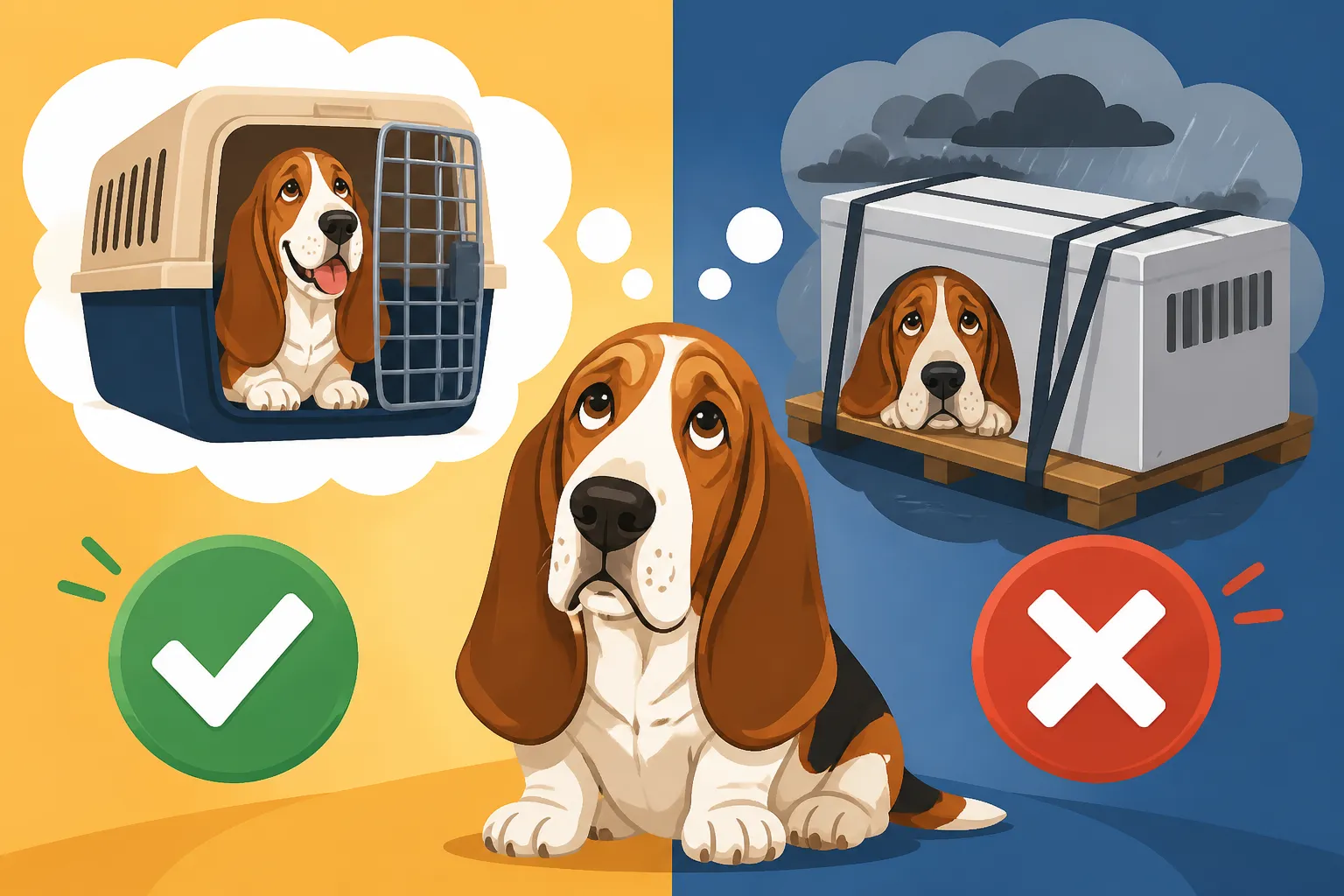
Whether a Basset Hound Should Be Shipped
Bringing a new Basset Hound into your family is an incredibly exciting time, but what happens when the perfect pup or rescue dog is hundreds or even thousands of miles away? The thought of shipping your furry new family member can be fraught with worry, leaving many prospective owners grappling with anxiety over their dog's well-being. This guide aims to thoroughly explore the complexities, risks, and responsible alternatives associated with shipping a Basset Hound, helping you make the most informed and compassionate decision for your future companion.
The Realities and Risks of Shipping a Basset Hound
When you consider shipping a dog, it's easy to focus on the logistics – the crate, the flight, the pickup. But beneath that surface lies a whole world of physical and emotional strain that our beloved Basset Hounds, with their unique physiology and sensitive natures, can experience profoundly. It's not just a package delivery; it's a living, breathing creature undergoing a significant ordeal.
Physical Stress and Basset Hound Vulnerabilities
Imagine being confined to a noisy, unfamiliar space for hours, unable to understand what's happening or where you're going. That's often the reality for a dog in cargo. The physical toll on a Basset Hound can be considerable. Their distinctive long bodies and short legs mean they are inherently predisposed to back issues like Intervertebral Disc Disease in a Basset Hound. The bumps, jostles, and awkward positioning during transport can put immense strain on their delicate spines, potentially exacerbating existing conditions or even causing new ones.
Furthermore, stress itself can trigger or worsen various health problems. Basset Hounds, like many deep-chested breeds, have a higher risk of conditions such as bloat, formally known as Gastric Dilatation-Volvulus (GDV). While not every stressed Basset Hound will experience bloat, the anxiety, changes in routine, and potential for irregular feeding during transit can increase the risk of Whether a Basset Hound Gets Bloat. This condition is a medical emergency that can be fatal if not treated immediately.
Their beautiful, long ears – The Twelve Inch Ears a Basset Hound Was Given on Purpose – while charming, are also a major vulnerability. In a confined, potentially unclean environment, these ears can become more prone to infection. Without regular cleaning and air circulation, the warm, moist environment inside their ear canals can become a breeding ground for bacteria or yeast, leading to painful and persistent ear infections. The stress of travel can suppress their immune system, making them even more susceptible.
Overheating is another critical concern, especially for Basset Hounds. While not truly brachycephalic, their deep chests and somewhat stocky build can make them sensitive to extreme temperatures. Cargo holds, even when temperature-controlled, can fluctuate, and delays on tarmacs during hot or cold weather can be dangerous. Airlines often have strict temperature restrictions for shipping animals for good reason, but these are not always fail-safe.
Emotional and Behavioral Impact
Beyond the physical, the emotional and behavioral impact of shipping can be profound and lasting. A Basset Hound, especially a young puppy, is being separated from its littermates and familiar environment and plunged into a bewildering, frightening journey. This can lead to significant fear, anxiety, and loneliness.
For a puppy, early experiences are crucial for shaping its future temperament and its ability to bond with humans. A traumatic shipping experience can hinder the crucial early bonding process with their new family. They might arrive withdrawn, fearful, or even aggressive due to the stress. They could develop negative associations with crates, making future crate training or travel incredibly challenging. Some dogs may even develop separation anxiety or generalized anxiety as a result of such an intense, isolating experience. Rebuilding trust and helping them feel safe in their new home can take weeks or months, delaying the joyous integration you envisioned.
Critical Factors to Evaluate Before Opting for Shipping
Deciding whether to ship your Basset Hound isn't a simple yes or no; it requires a deep dive into several critical factors. Each dog, each situation, and each journey is unique, and what might be acceptable for one might be catastrophic for another. It's about weighing the risks against the necessity and ensuring every possible safeguard is in place.
Age, Health, and Temperament of Your Basset Hound
The age of your Basset Hound plays a significant role in their suitability for shipping. Very young puppies, typically under 16 weeks, are generally considered too fragile for air cargo. Their immune systems are still developing, they're more susceptible to stress-related illness, and they haven't had all their vaccinations. Many reputable breeders and airlines will not ship puppies this young. Older dogs might have existing health conditions that could be exacerbated by the stress of travel. For instance, if a Basset Hound already shows signs of joint issues, such as those related to Whether a Basset Hound Gets Hip Dysplasia or is being managed for conditions like The Glaucoma a Basset Hound Inherits, the added strain of shipping could trigger a flare-up or worsen their condition.
A thorough health clearance from a veterinarian is an absolute must. This isn't just a quick check; it should be a comprehensive examination to ensure the dog is fit for travel, including confirmation of up-to-date vaccinations and a clean bill of health. Ensure your vet provides a health certificate within the required timeframe specified by the airline or transport company.
Temperament is equally crucial. A naturally anxious or fearful Basset Hound will undoubtedly fare much worse during shipping than a calm, confident one. If the dog is prone to stress, loud noises, or separation anxiety, forcing them into a cargo environment could be severely detrimental. Be honest about the dog's personality and consider if they are truly equipped to handle such a stressful journey.
Carrier Policies, Weather Restrictions, and Route Considerations
Airline policies for pet travel are complex and vary significantly. It's not a "one size fits all" situation, and these policies are often subject to change without much notice. You need to investigate the specific airline's requirements for pet travel in cargo, including crate specifications, required documentation, and booking procedures. Direct flights are always preferable to those with layovers, as each transfer adds stress, delays, and additional handling risks. Long layovers in unfamiliar airports can be incredibly distressing for an animal.
Weather restrictions are non-negotiable for animal safety. Airlines have strict guidelines regarding temperature at both the departure and arrival airports, and sometimes even at connecting cities. If temperatures are too high or too low, your dog's flight may be canceled or delayed, often last minute. This isn't just an inconvenience; it can mean frantic scrambling to make new arrangements or prolonged uncertainty for your Basset Hound. Never try to push through dangerous weather conditions; your pet's life isn't worth the risk.
Consider the type of aircraft and the conditions of the cargo hold. While airlines generally strive for safe conditions, the cargo area is still a noisy, isolated environment. If you're using a professional pet transport company, research their reputation, safety records, and what measures they take to ensure animal comfort and safety. Are they IPATA (International Pet and Animal Transportation Association) certified? Do they provide updates during transit? Choosing a reputable, experienced company is paramount.
Crating and Preparation
If shipping by air is deemed absolutely necessary and safe by all involved, meticulous preparation of the crate and the dog is essential. The crate itself must be IATA (International Air Transport Association) compliant, meaning it meets specific standards for size, ventilation, construction, and labeling. It must be large enough for your Basset Hound to stand up, turn around, and lie down comfortably, but not so large that they can be jostled excessively. Online retailers like Chewy offer a wide range of IATA-compliant travel crates and accessories that can be delivered right to your door, allowing you to choose the perfect fit for your Basset.
Familiarizing your Basset Hound with the crate long before travel is critical. This should be a positive experience, not something they associate with fear. Feed them meals in the crate, offer high-value treats inside, and gradually increase the time they spend in it. The goal is for the crate to be a safe, den-like space, not a punishment.
On the day of travel, avoid feeding a large meal close to departure to minimize the risk of nausea or accidents. However, ensure they have access to water right up until check-in. Attach a water bowl that can be refilled from the outside of the crate. Clearly label the crate with "LIVE ANIMAL," your contact information, and "THIS END UP." Include a soft, familiar blanket or toy with your scent to provide comfort.
Safer Alternatives and Responsible Practices
While shipping can sometimes seem like the only option, especially when a great distance separates you from your chosen Basset Hound, it's vital to explore alternatives that prioritize your dog's welfare. The goal is to minimize stress and risk, ensuring your new family member arrives happy and healthy.
Prioritizing Personal Pick-up or Ground Transport
Without a doubt, the absolute ideal scenario is to pick up your Basset Hound yourself. This allows for a continuous, low-stress transition from their previous home to yours. You control the environment, the breaks, and the comfort. Driving means your Basset Hound can ride in the passenger cabin with you, or in a well-ventilated, temperature-controlled crate in your car or an SUV, allowing for frequent stops for potty breaks, water, and comforting reassurance. This direct interaction fosters early bonding and helps them acclimate to your presence and scent, making the initial days in their new home much smoother.
If personal pickup isn't feasible due to distance or time constraints, professional ground transport services are often a far safer and less stressful alternative to air cargo. These services specialize in animal transport, typically using climate-controlled vehicles and providing regular stops for exercise, food, and water. Unlike air cargo, where your Basset Hound is alone for hours, ground transport often includes dedicated handlers who can monitor their well-being and provide comfort. When researching, look for companies that are licensed, insured, and have excellent reviews. Ask about their protocols for emergencies, how frequently they stop, and their vehicle setup. While potentially more expensive than basic air cargo, the peace of mind and reduced risk to your Basset Hound's health and happiness can be invaluable. This option also completely bypasses the unpredictable nature of airline temperature restrictions.
The Ethical Dilemma of Distance
Sometimes, the most responsible decision might be to reconsider the purchase or adoption if truly safe and humane transport isn't possible. It's a hard truth, but putting a Basset Hound through unnecessary stress or risk, no matter how much you want them, isn't fair to the animal. It's worth exploring local options first. Many wonderful Basset Hounds are available through local breeders or breed-specific rescues. For example, understanding What Adopting a Basset Hound Costs from a local rescue could reveal a viable and equally rewarding path to Basset ownership, without the need for long-distance travel.
Before committing to a Basset Hound far away, have an honest conversation with the breeder or rescue about their transport preferences and policies. A truly responsible breeder or rescue will prioritize the dog's welfare above all else and will be transparent about the risks involved with shipping, or even refuse to ship if they believe it's unsafe.
Here's a quick comparison of transport methods:
| Method | Pros | Cons |
|---|---|---|
| Personal Pick-up | Least stressful for dog, immediate bonding, owner control over environment, breaks, and care. | Requires significant owner time and travel expense, potentially long drive. |
| Professional Ground | Climate-controlled, frequent breaks, human supervision, less stressful than air cargo, often door-to-door. | Can be costly, travel time is longer than flying, requires research to find reputable transporter. |
| Air Cargo | Fastest way to cover long distances. | Most stressful for dog (noise, isolation), temperature restrictions, potential for delays/cancellations, minimal human interaction. |
What to Expect and How to Support Your Basset Hound Post-Travel
Even with the most careful planning, travel is inherently stressful for animals. Once your Basset Hound finally arrives, whether by air or ground, their journey isn't truly over until they've settled comfortably into their new home and routine. Your actions in the immediate aftermath can significantly influence their recovery and long-term adjustment.
Immediate Post-Arrival Care
When your Basset Hound first arrives, their initial reaction might range from overwhelming excitement to fear and withdrawal. Whatever their response, the most important thing is to provide a calm, quiet environment. Avoid immediately introducing them to a flurry of new people or other pets. Take them directly to a pre-prepared quiet space – perhaps a designated room or a crated area – with fresh water and a comfy bed. Offer a small, easily digestible meal. Many Basset Hound owners find that a fresh food diet, like those offered by Ollie, can be gentle on a stressed stomach and highly palatable, encouraging them to eat after a long journey.
A veterinary check-up within a day or two of arrival is highly recommended. This allows your vet to assess their overall health, check for any travel-related issues (like dehydration or respiratory problems), and ensure they are settling in well. This is also a good time to discuss pet insurance. Companies like Healthy Paws offer comprehensive coverage that can provide immense peace of mind, especially with a breed prone to specific health issues. Having a policy in place early can help cover unexpected vet bills from travel stress or pre-existing conditions that might manifest more prominently under duress.
Observe your Basset Hound closely for any signs of illness or prolonged stress in the days following their arrival. Watch for changes in appetite or thirst, lethargy, coughing, diarrhea, or any unusual behavior. If you notice anything concerning, don't hesitate to contact your veterinarian.
Settling In and Long-Term Well-being
Settling a Basset Hound into a new home takes time and patience. It's not a race. Provide a consistent routine for feeding, potty breaks, and playtime. Gradually introduce them to new family members, other pets, and different areas of the house. If they've had a traumatic shipping experience, positive reinforcement-based crate training will be vital to help them re-associate their crate with safety and comfort.
Remember that a Basset Hound's unique physical structure means special care. For instance, their propensity for The Back Trouble a Basset Hound Is Built Into means you'll want to ensure they aren't jumping on and off furniture right away, and that their sleeping arrangements are supportive. Similarly, their skin folds, particularly on their face and neck, can be prone to irritation, especially under stress, so understanding The Skin Under a Basset Hound's Folds and keeping them clean and dry will be important.
For puppies, this period is especially crucial as it forms the foundation of their understanding of their new world. Resources like guides on The First Year With a Basset Hound Puppy can be invaluable in navigating this exciting, yet challenging, time. Pay attention to their appetite; knowing How Much an Adult Basset Hound Eats Daily will help you monitor their food intake and ensure they are recovering well. With love, understanding, and consistent care, your Basset Hound will eventually settle in and thrive, turning the memory of their journey into a distant past.
Disclaimer
This article is for general informational purposes only and does not constitute professional advice. Laws, prices and regulations vary by location and change over time. Consult a qualified professional for guidance on your specific situation.