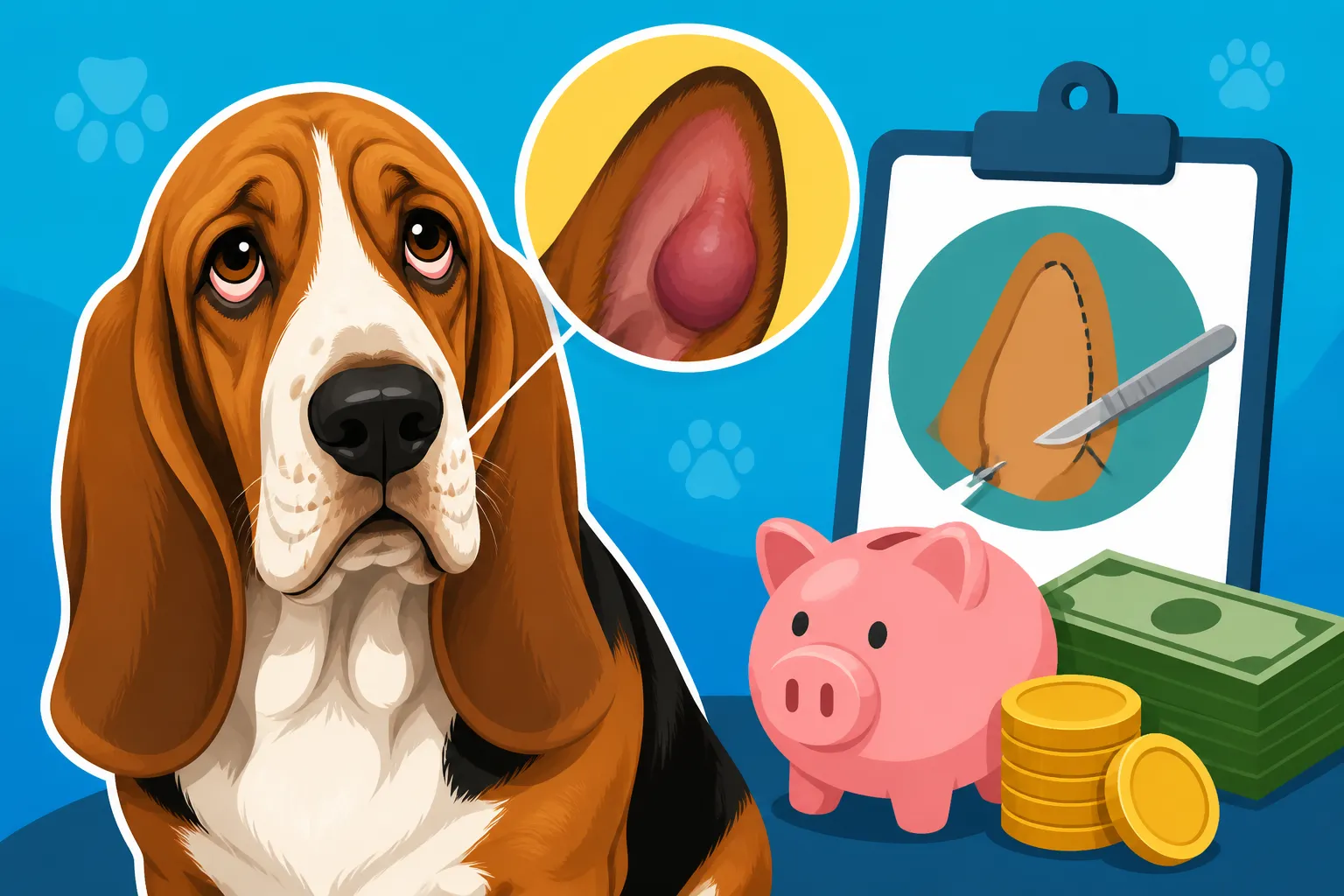
What an Aural Hematoma Repair Costs on a Basset Hound
One of the most disheartening things to discover on your beloved Basset Hound is a swollen, painful ear flap. That soft, floppy ear, usually so endearing, can suddenly puff up like a pillow, causing your dog immense discomfort and you a whole lot of worry. This bulging, fluid-filled pocket is almost certainly an aural hematoma, and if you're like most Basset owners, your immediate thoughts race to two things: "Is my dog in pain?" and "How much is this going to cost to fix?" This guide is here to walk you through what an aural hematoma is, why Basset Hounds are so susceptible, and give you a realistic idea of the expenses involved in getting your furry friend back to comfort.
What Exactly Is an Aural Hematoma in a Basset Hound?
An aural hematoma is, quite simply, a blood blister that forms within your dog's ear flap. It's essentially a pocket of blood that collects between the cartilage and the skin of the pinna (the floppy part of the ear). When a small blood vessel within the ear flap ruptures, perhaps from trauma, the blood has nowhere to go but to pool in this space. The result is a soft, swollen, often warm, and very painful lump on the ear. For us Basset owners, this can be particularly alarming because their ears are already so prominent.
The Inner Workings of a Swollen Ear
Imagine the structure of your Basset's ear. It's not just a flap of skin; it has cartilage running through it to give it shape, covered by skin on both sides. Tiny blood vessels weave through this structure. When one of these fragile vessels breaks, often due to violent shaking or scratching, the blood begins to fill the space. The pressure builds, causing the ear flap to swell dramatically. This isn't just a cosmetic issue; the pressure can be incredibly uncomfortable, even agonizing, for your dog. They might hold their head tilted, resist having their ear touched, or constantly try to shake it.
Why Basset Hounds Are Especially Prone
Our Basset Hounds, with their magnificent, long, heavy ears, are practically poster children for aural hematomas. Their ears are designed to sweep scent towards their incredible noses, but this design comes with a significant drawback when it comes to ear health. The sheer size and weight of their ear flaps mean they can generate a lot of force when shaking their heads. Think about a wet towel being snapped – that's the kind of force those heavy ears can produce. This violent snapping action is often enough to cause those delicate blood vessels within the ear to burst. You might be surprised to learn that it's often an underlying ear issue that kicks off the head shaking in the first place, leading to the hematoma. If you've ever dealt with Whether a Basset Hound's Ear Infection Ever Clears, you know the struggle is real.
Why Basset Hounds Are Prone to Aural Hematomas
It’s a cruel irony that one of the most distinctive and beloved features of a Basset Hound – those long, pendulous ears – also puts them at a higher risk for health problems like aural hematomas. It’s not just the length; it’s a combination of factors that make them more susceptible than many other breeds.
The Role of Ear Anatomy and Head Shaking
As mentioned, a Basset's ears are heavy and extensive. When they shake their heads, those ear flaps literally smack against their skull and neck with considerable force. This repeated trauma, especially when a dog is shaking its head vigorously and frequently, is the primary mechanical cause of aural hematomas. It's not usually a single, huge impact, but rather the cumulative stress from many head shakes. It's like repeatedly hitting a delicate structure with a heavy object; eventually, something gives. This is why addressing the root cause of the head shaking is so crucial.
Underlying Causes of Excessive Head Shaking
No dog just shakes their head violently for no reason. In Basset Hounds, this behavior is almost always a symptom of an underlying issue that's making their ears itchy, painful, or otherwise uncomfortable. The most common culprits are ear infections. Given the Basset's ear canal structure, they are incredibly prone to these. Their long, floppy ears trap moisture, warmth, and dirt, creating a perfect breeding ground for bacteria and yeast.
Parasites, like ear mites, can also cause intense itching, leading to frantic scratching and head shaking. Allergies, whether environmental or food-related, can manifest as itchy skin and ears, prompting your Basset to try to relieve the irritation by shaking or scratching. Even foreign bodies, like a grass awn, can get lodged deep in the ear canal and cause sudden, severe discomfort. It’s a bit of a vicious cycle: an itchy ear leads to shaking, shaking leads to a hematoma, and then you have two problems to deal with! This is why regular ear checks and understanding What to Look For Inside a Basset Hound's Ear are so important.
The Veterinary Consultation and Diagnosis
When you first notice that swollen ear on your Basset, your first call should be to your veterinarian. Early intervention can sometimes make a difference, but more importantly, your vet needs to confirm it's a hematoma and rule out other, less common but serious, conditions. This initial visit will involve a thorough examination and will come with its own set of costs.
Initial Examination and Confirmation
During the initial vet visit, the veterinarian will carefully examine your Basset Hound, paying close attention to the affected ear. They'll likely palpate (feel) the swollen area to assess its size, consistency, and tenderness. They’ll also look inside the ear canal using an otoscope to check for any signs of infection, parasites, or foreign bodies that might have caused the head shaking in the first place. This internal examination is vital because simply treating the hematoma without addressing the underlying cause means it’s likely to recur. It's a bit like fixing a leaky roof without understanding why it started leaking – you might get a temporary reprieve, but the problem will come back.
They'll also need to consider your Basset's general health, temperament, and any history of allergies or ear issues. This comprehensive approach helps them formulate the best treatment plan. This diagnostic stage typically involves a consultation fee, and potentially fees for ear swabs or otoscopic exams.
Tests to Identify the Root Cause
To truly get to the bottom of why your Basset developed the hematoma, your vet might recommend a few diagnostic tests. An ear cytology, where a swab of the ear canal is examined under a microscope, is very common. This helps identify whether bacteria or yeast are present, and in what quantities, guiding the choice of medication. If parasites are suspected, a microscopic examination for mites might be performed. In some cases, if the issue is chronic or resistant to treatment, a culture and sensitivity test might be recommended. This involves sending a sample to a lab to identify the specific type of bacteria or yeast and determine which antibiotics or antifungals will be most effective. These tests are additional costs on top of the consultation fee, but they are incredibly important for long-term success and preventing future issues, which we all want to avoid given Why a Basset Hound's Ears Cost More Than the Puppy Did.
Aural Hematoma Repair Options and Their Costs
Once an aural hematoma is diagnosed, your vet will discuss treatment options. There are generally two main approaches: surgical and non-surgical. The choice often depends on the size and age of the hematoma, your dog's overall health, and, of course, your budget. It's important to understand that while non-surgical options might seem cheaper upfront, they can sometimes lead to recurrence or less aesthetically pleasing results.
Surgical Intervention: The Most Common Approach
Surgery is widely considered the most effective and definitive treatment for aural hematomas, especially larger ones or those that have been present for a while. The goal of surgery is to drain the blood, remove any clots, and then permanently close the space where the blood collected, preventing it from refilling. There are several surgical techniques, but they generally involve making an incision on the inside of the ear flap, draining the hematoma, and then placing sutures through the ear flap in a specific pattern. These sutures essentially "tack down" the skin to the cartilage, eliminating the pocket and allowing the tissues to reattach. The sutures usually remain in place for several weeks.
The surgical cost includes pre-operative blood work (to ensure your Basset is healthy enough for anesthesia), anesthesia itself, the surgeon's fees, surgical supplies, pain medication, and post-operative care. This is typically the most expensive part of the treatment, but it often provides the best long-term outcome, significantly reducing the chance of recurrence and minimizing ear disfigurement. You'll likely send your Basset home wearing an Elizabethan collar (the "cone of shame") to prevent them from scratching at the sutures or reinjuring the ear.
Non-Surgical and Less Invasive Methods
For very small hematomas, or in cases where surgery isn't an option due to a dog's health or owner preference, non-surgical methods might be considered. The most common non-surgical approach is needle aspiration. This involves using a needle and syringe to drain the fluid from the hematoma. While this might seem simple, it often provides only temporary relief, as the fluid frequently reaccumulates, sometimes within hours or days. Repeated aspirations can be needed, and each time carries the risk of infection.
Another non-surgical option involves placing a drain, like a penrose drain, into the ear flap to allow continuous drainage. This is less common but can be effective for some hematomas. Steroid injections into the ear flap may also be tried, sometimes in conjunction with aspiration, to reduce inflammation and scarring. While these methods are generally less expensive initially, they can be a false economy if the hematoma keeps coming back, leading to multiple vet visits and potentially more discomfort for your Basset in the long run. If your Basset Hound already needs ear drops for life, adding repeat hematoma aspirations can really add up.
Here’s a general comparison of the repair approaches:
| Feature | Surgical Repair | Needle Aspiration/Drainage |
|---|---|---|
| Effectiveness | High, often curative | Often temporary, recurrence common |
| Cost (Initial) | Higher (includes anesthesia, surgery, meds) | Lower (consultation, aspiration fee) |
| Recurrence Rate | Low if underlying cause is managed | High, often requires multiple attempts |
| Anesthesia Required? | Yes | Sometimes for anxious dogs, generally not for aspiration |
| Recovery Time | Longer (suture care, cone for weeks) | Shorter, but re-swelling possible |
| Risk of Disfigurement | Minimal if done well | Higher, can lead to "cauliflower ear" |
| Comfort for Dog | Immediate relief after recovery, then healing | Temporary relief, discomfort if it refills |
| Address Root Cause | Requires parallel treatment of underlying ear issue | Requires parallel treatment of underlying ear issue |
Factors Influencing the Cost of Aural Hematoma Repair
The cost of getting your Basset Hound's aural hematoma repaired isn't a fixed number you can just pluck from a list. It's a dynamic figure that can fluctuate significantly based on a number of factors. Understanding these can help you better prepare for the financial aspect of this common Basset ailment.
Geographic Location and Veterinary Practice
Just like human healthcare, veterinary costs vary significantly depending on where you live. Veterinary practices in large metropolitan areas or regions with a higher cost of living generally have higher overheads, which translate into higher fees for their services. A clinic in, say, a bustling city center will likely charge more for the same procedure than a clinic in a rural town. Similarly, the type of veterinary practice can influence costs. A small, independent general practice might have different pricing than a large, multi-doctor hospital or a specialty surgical center. The level of equipment, staffing, and specialized expertise available at a facility can all factor into their pricing structure.
Severity of the Hematoma and Complications
The size and duration of the aural hematoma play a huge role in determining the complexity and, therefore, the cost of treatment. A small, fresh hematoma might be simpler to drain and repair than a large, chronic one with extensive clotting or fibrous tissue buildup. Larger hematomas require more surgical time, more materials, and potentially more extensive aftercare. If the ear tissue is severely damaged or infected from prolonged irritation, that can also add to the complexity and cost. Sometimes, hematomas can become infected, requiring additional antibiotics or more intensive wound care, which naturally increases the overall expense.
Pre-operative and Post-operative Care
The actual surgical or drainage procedure is just one piece of the puzzle. There are several other components that contribute to the total cost. Pre-operative blood work is essential to ensure your Basset is a good candidate for anesthesia and to detect any underlying health issues. This usually involves a CBC (complete blood count) and a chemistry panel. Anesthesia itself has costs, which vary based on the duration of the procedure and the medications used. Post-operative care is also critical. This includes pain medication, anti-inflammatories, and potentially antibiotics to prevent infection. Follow-up appointments to check the incision, remove sutures, and re-evaluate the underlying ear condition are also part of the process. If your Basset already struggles with The Ear Infections That Never Really Leave a Basset Hound, the cost of managing the underlying issue will continue beyond the hematoma repair.
Post-Operative Care and Potential Follow-Up Costs
Bringing your Basset Hound home after an aural hematoma repair is not the end of the journey; it's the beginning of the recovery phase. Proper post-operative care is crucial for healing, preventing complications, and ensuring the best possible outcome. This phase also comes with its own set of costs, which you should factor into your overall budget.
Medications and Elizabethan Collar Use
Your veterinarian will likely send your Basset home with a course of medications. These typically include pain relievers to keep your dog comfortable during recovery, anti-inflammatory drugs to reduce swelling and aid healing, and sometimes antibiotics, especially if there was an underlying infection or a risk of post-surgical infection. It's vital to administer all medications exactly as prescribed, even if your Basset seems to be feeling better.
The dreaded Elizabethan collar, often affectionately called the "cone of shame," is an absolute necessity after aural hematoma surgery. Its purpose is to prevent your Basset from scratching, rubbing, or shaking their head, which could dislodge sutures, reopen the incision, or even cause a new hematoma to form. Keeping the cone on for the entire recommended period, typically several weeks, is paramount. While the cost of the cone itself is usually minor, it's the lifestyle adjustment and potential bumps into furniture that are the real 'cost' here! Many owners opt for a softer cone or a neck donut for comfort, which might be an additional small expense.
Follow-Up Appointments and Long-Term Management
Several follow-up appointments will be necessary. These usually involve checking the incision site, ensuring the sutures are holding properly, and removing them when the time is right. Your vet will also want to re-examine the ear canal to ensure the underlying cause of the head shaking (like an ear infection) is being adequately treated and resolved. These recheck appointments are crucial for monitoring healing and preventing recurrence.
Beyond the immediate post-op period, the long-term management of your Basset’s ear health becomes even more important. This means diligent and regular ear cleaning, as detailed in guides like How Often a Basset Hound's Ears Must Be Cleaned and How to Clean a Basset Hound's Ears Properly. You might also need ongoing medication if your Basset is prone to chronic ear infections or allergies. These long-term costs, while often lower than the initial surgery, are a continuous part of Basset Hound ownership and are vital for preventing another painful hematoma in the future.
Managing Costs: Pet Insurance and Prevention
Faced with unexpected veterinary bills, many Basset Hound owners find themselves scrambling. An aural hematoma repair can be a significant expense, making it clear why planning for potential health issues is so important. This is where pet insurance and proactive prevention really shine.
The Role of Pet Insurance in Unexpected Veterinary Bills
Pet insurance can be a real lifesaver when unexpected health issues like an aural hematoma strike. Many reputable pet insurance providers, like Healthy Paws, offer plans that can cover a significant portion of veterinary costs for accidents and illnesses. If you have a policy in place before your Basset develops an aural hematoma, it can help cushion the financial blow. Typically, you pay a monthly premium, and if your dog needs treatment, you pay your deductible and the insurance company reimburses you for a percentage of the covered costs.
It's important to understand that pet insurance usually doesn't cover pre-existing conditions. So, if your Basset already has chronic ear infections and then develops a hematoma, the insurance might not cover the initial hematoma treatment if the ear condition was already present and diagnosed. This is why getting pet insurance when your Basset is young and healthy is often the smartest move. When considering pet insurance, always read the fine print, understand what's covered (and what isn't), and compare different providers to find a plan that suits your budget and your Basset's specific needs. Insuring a Basset Hound can be complex, especially with common breed-specific issues, so understanding Insuring a Basset Hound Against Eyes, Ears and Backs is very helpful.
Preventative Measures to Protect Your Basset's Ears
While pet insurance helps manage the cost after a problem arises, prevention is always the best medicine. For Basset Hounds, this means a consistent and proactive approach to ear care. Regular, thorough ear cleaning with a vet-approved cleaner is paramount. You might need to clean their ears two to three times a week, depending on their individual needs and activity level. Learning Which Ear Cleaner Suits a Basset Hound is a good first step.
Regular veterinary check-ups are also crucial. Your vet can spot early signs of ear infections or other issues before they escalate. If your Basset is prone to allergies, working with your vet to identify and manage them can reduce ear irritation and subsequent head shaking. Additionally, being mindful of activities that might lead to ear trauma, such as vigorous play that could lead to head injuries, can help. Keeping their ears out of their food and water bowls, perhaps with a snood or a specially designed bowl available from retailers like Chewy or Chewy, can also help prevent moisture buildup and potential infections. Feeding a good quality diet, possibly from brands like Ollie, can also contribute to overall health and immune function, which in turn supports healthy skin and ears. Taking these steps can reduce the likelihood of costly and painful aural hematomas and keep those magnificent ears in tip-top shape.
Disclaimer
This article is for general informational purposes only and does not constitute professional advice. Laws, prices and regulations vary by location and change over time. Consult a qualified professional for guidance on your specific situation.