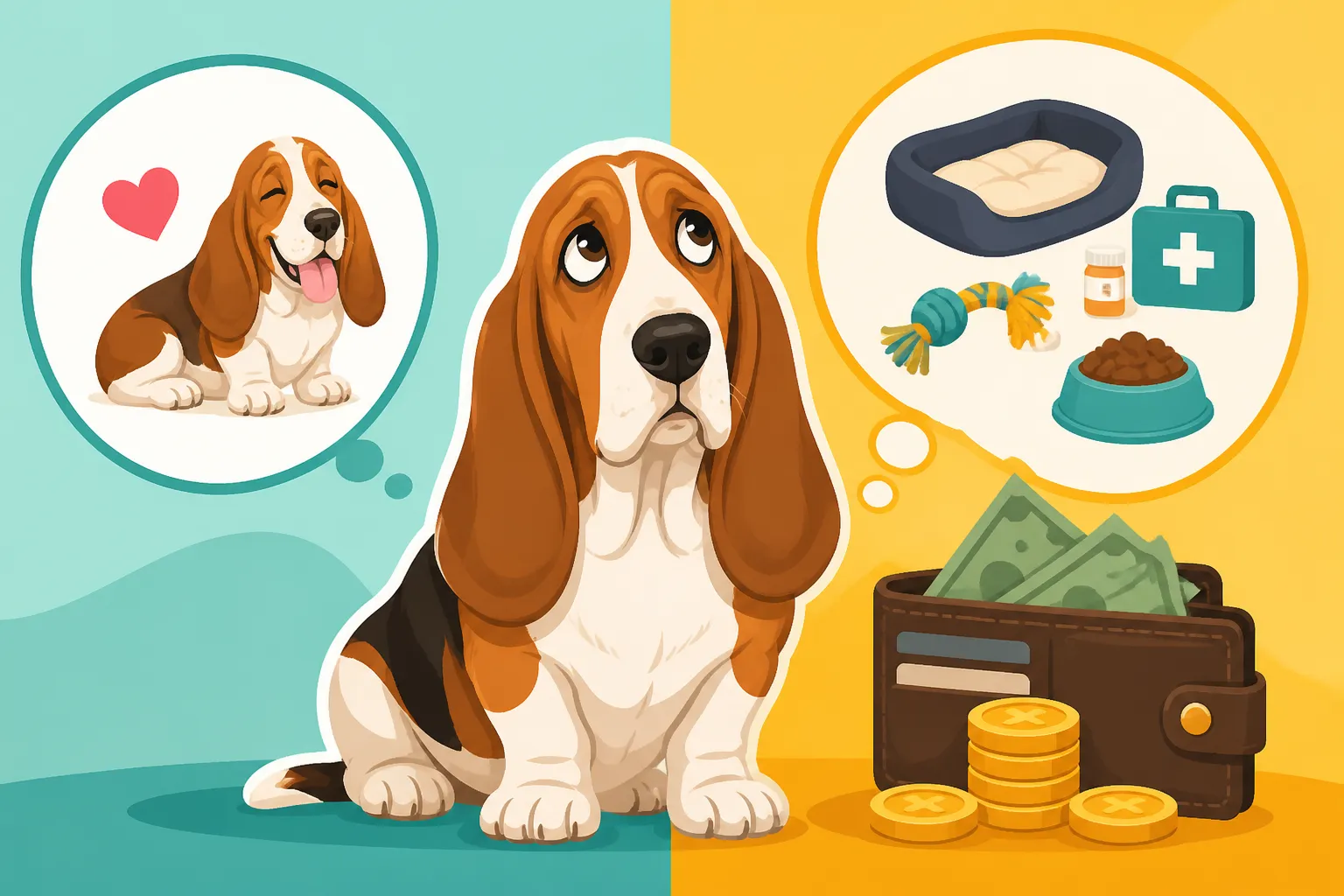
Whether a Basset Hound Costs More Than People Expect
Many prospective Basset Hound owners find themselves charmed by those long ears and soulful eyes, dreaming of a calm, leisurely companion. What often goes unsaid, or perhaps isn't fully grasped until you're living it, is the significant financial commitment these wonderful dogs require. This guide aims to pull back the curtain on the actual costs of Basset Hound ownership, from initial acquisition to the ongoing care and unexpected expenses that often catch people by surprise, helping you prepare for a truly rewarding, albeit sometimes pricey, companionship.
The Sticker Shock of Basset Hound Acquisition
When you first start looking into bringing a Basset Hound into your life, the immediate cost you see is often just the tip of the iceberg. There's the price of the puppy or the adoption fee, of course, but that's far from the total investment required to properly welcome your new family member home. Many first-time owners are surprised by how quickly these initial expenses accumulate.
Puppy Price vs. The True Cost of Bringing Them Home
The price tag from a responsible breeder for a Basset Hound puppy is one thing. You're typically looking at a figure that reflects the breeder's investment in health testing, quality care for the dam and litter, and early socialization. However, that’s just the first check you write. Before your puppy even sets a paw in your home, you'll need to purchase a whole host of essential supplies. Think about a sturdy crate – something large enough for a grown Basset, as they're stockier than they look! You might find excellent options on sites like Chewy that offer a wide range of sizes and styles. Then there's the dog bed for inside the crate, bowls for food and water, a leash and collar, initial toys, and puppy-specific food.
Beyond these tangible items, there are immediate veterinary expenses that pile up right after bringing your puppy home. Most puppies will have had their first round of vaccinations and a basic health check from the breeder, but you'll need to schedule follow-up vaccinations, deworming, and a full vet examination within the first few days. Microchipping is also a crucial expense, ensuring your Basset can be identified if they ever get lost following their incredible nose. These critical early health interventions are non-negotiable and add hundreds to the initial cost, completely separate from the price paid to the breeder. This is why it’s so important to factor in all these incidentals when you're budgeting for a new puppy, not just the initial purchase price. For more on this, you might find What a Basset Hound Puppy Costs From a Real Breeder helpful.
Adoption Fees and the Unknowns of Rescue
If you're considering adopting a Basset Hound from a rescue organization, the upfront adoption fee might seem more palatable than a breeder's price. Rescue fees are generally lower and often include an incredible amount of value, such as spaying or neutering, up-to-date vaccinations, microchipping, and sometimes even dental work or other necessary medical treatments. These organizations often pour significant resources into ensuring their dogs are healthy and ready for their forever homes before placement. You can get a sense of these initial costs by looking at What a Basset Hound Rescue Charges.
However, even with the comprehensive care provided by rescues, there can be unknowns. A rescue Basset, especially an adult, might come with a history of neglect or undiagnosed health conditions that weren't immediately apparent. While reputable rescues do their best to disclose all known issues, some conditions, like the beginnings of arthritis or a chronic ear problem, might not fully manifest until they've settled into your home for a few months. This isn't to deter you from rescue – it's a wonderful path to take – but it's important to be prepared for potential follow-up veterinary visits or specialized care that could arise. The emotional reward is immense, but the financial commitment is still real, sometimes just shifted from the initial purchase to ongoing medical management.
Ongoing Daily and Monthly Expenses That Add Up
Once your Basset Hound is settled, the initial costs transition into a steady stream of recurring expenses. These are the day-to-day items and services that keep your Basset healthy and happy, and they can certainly add up to more than many people anticipate.
Food Bills: More Than Just Kibble
Basset Hounds are known for their love of food – and their tendency to gain weight if given the chance. This means that while quality kibble is a foundational expense, you might find yourself needing to invest in specific dietary solutions. A good quality kibble can be a significant monthly cost, especially as you often need to feed specific formulas to maintain a healthy weight and support joint health. For Bassets with sensitive stomachs or those needing a stricter weight management plan, a fresh food diet might be considered. Companies like Ollie offer personalized meal plans that, while potentially pricier than standard kibble, can be excellent for managing weight and providing tailored nutrition. This can make a big difference in preventing issues like What Extra Weight Does to a Basset Hound.
Beyond their regular meals, treats become a part of daily life, whether for training, enrichment, or just a little something special. Choosing healthy, low-calorie treats is important to avoid contributing to weight gain. Many Basset owners also opt for joint supplements early on, given the breed's predisposition to orthopedic issues, further adding to the monthly food budget. These supplements, while preventative, represent an ongoing cost that proactive owners choose to bear. It's truly an investment in their long-term comfort and mobility. What Feeding a Basset Hound to the Right Weight Costs delves deeper into managing their diet.
Grooming and Maintenance: It's Not Just a Bath
The Basset Hound's iconic long, pendulous ears are a defining feature, but they are also a significant source of ongoing expense and time commitment. These ears are notorious for trapping moisture and debris, making them a breeding ground for infections. Regular, often weekly, cleaning is absolutely essential. This means purchasing specialized ear cleaners, cotton balls, and potentially medicated drops if an infection flares up. Many owners find themselves at the vet multiple times a year for ear-related issues, and these visits, plus prescriptions, quickly become a major line item in the budget. Why a Basset Hound's Ear Canal Never Dries explains this unfortunate reality.
Beyond their ears, Basset Hounds have loose skin and wrinkles, particularly around their face and neck, that also require attention to prevent skin fold infections. Regular wiping and drying of these areas are necessary. While their short coat doesn't demand extensive brushing, they do shed, and occasional baths are needed. Nail trims are another crucial, regular grooming task. Basset Hounds often have thick, fast-growing nails that, if neglected, can cause pain and affect their gait. Whether you do these tasks yourself or pay a professional groomer, they are recurring costs. Many owners opt for a professional nail trim to ensure it's done correctly and safely, especially if their Basset is less than thrilled about the process.
Essential Gear and Home Modifications
Living with a Basset Hound often necessitates specific gear and even some home modifications to ensure their safety and comfort. Given their long backs and short legs, they are prone to back injuries, such as intervertebral disc disease (IVDD). To mitigate this risk, many owners invest in ramps or steps to allow their Basset to safely get onto and off furniture, or in and out of the car. The Ramps, Beds and Gates a Basset Hound Needs covers some of these helpful modifications. This isn't just about convenience; it's a preventative health measure that can save you significant vet bills down the line.
A high-quality, orthopedic dog bed is also a wise investment, providing essential support for their joints and spine. Since Bassets are scent hounds with a strong drive to follow their nose, a secure, escape-proof yard is paramount. This may mean investing in robust fencing or regularly checking for weak spots. For walks, a well-fitting harness is preferred over a collar to avoid putting pressure on their neck and throat, especially if they pull hard when on a scent. These items, from ramps to beds to fencing, represent initial outlays and potential replacements over the years, all contributing to the overall cost of ownership.
The Unavoidable Veterinary and Healthcare Costs
This is often where the true financial reality of Basset Hound ownership hits home for many people. While all dogs need veterinary care, Basset Hounds have a genetic predisposition to several conditions that can lead to substantial medical bills throughout their lives.
Routine Care and Preventative Measures
Even if your Basset Hound is perfectly healthy, routine veterinary care is a consistent expense. Annual check-ups are vital for monitoring their overall health, including their weight, dental hygiene, and general condition. Vaccinations, often given on a triennial schedule after the initial puppy series, are necessary to protect against common diseases. Heartworm and flea/tick prevention are monthly or quarterly expenses that are non-negotiable for their health. These preventative measures, while seemingly small individually, accumulate over a year.
Beyond the basics, many vets recommend routine blood work as Bassets age, to catch any underlying issues like hypothyroidism early. Regular eye exams might also be suggested, given some Bassets' susceptibility to eye conditions. These proactive steps are crucial for maintaining their quality of life, but they do come with a price tag. It’s an investment in catching potential problems before they become critical, which can ultimately save you from far more expensive emergency treatments.
Dealing with Breed-Specific Health Issues
This is perhaps the biggest financial curveball for Basset Hound owners. Their unique conformation makes them prone to specific health challenges. Ear infections are incredibly common and often chronic. It’s not unusual for a Basset owner to spend hundreds, if not thousands, over their dog's lifetime on diagnostics (like ear cultures), medicated drops, and even advanced treatments or surgeries for persistent infections. Whether Every Basset Hound Gets Ear Infections is a stark reminder of this reality.
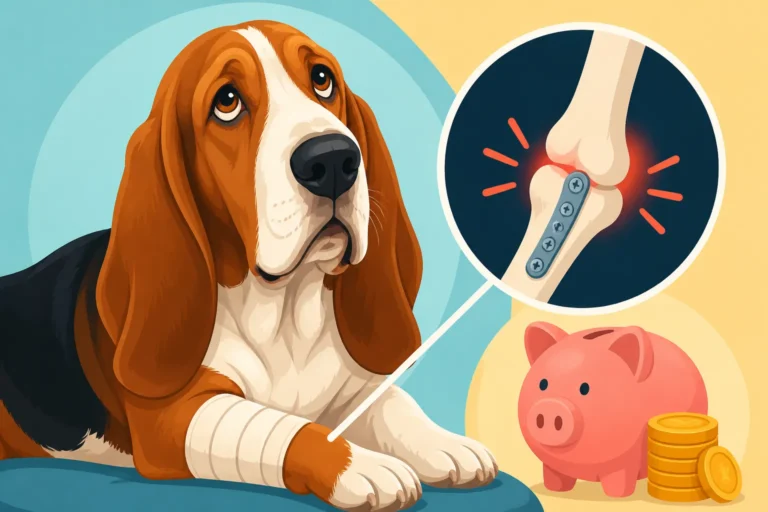
Then there's the back. Their long, heavy bodies on short legs make them highly susceptible to Intervertebral Disc Disease in a Basset Hound. A "slipped disc" can lead to excruciating pain, paralysis, and requires immediate, often expensive, veterinary intervention. Diagnosis alone can involve MRIs, and surgery can run into the thousands, followed by weeks or months of rehabilitation. Joint issues, like elbow dysplasia, are also seen. These breed-specific ailments are not just possibilities; they are probabilities that responsible owners must factor into their financial planning. This is precisely why pet insurance, from providers like Healthy Paws, can be an absolute lifesaver. It won't cover pre-existing conditions, but if you get it while your Basset is young and healthy, it can dramatically offset the cost of unexpected illnesses and injuries.
Emergency Situations and Senior Care
No matter how careful you are, emergencies can happen. A Basset might ingest something they shouldn't, suffer an accidental injury, or develop a sudden illness. Emergency vet visits are always more expensive than regular appointments, and immediate diagnostics, medications, or even surgery can quickly escalate costs into the thousands. These are the "worst-case scenarios" you hope to avoid but must be financially prepared for.
As Basset Hounds enter their senior years, typically around age 7 or 8, their veterinary needs often increase. Just like people, older dogs face a higher risk of developing conditions like arthritis, heart disease, kidney issues, or even cancer. They may require more frequent vet check-ups, specialized medications, joint supplements, or even palliative care to manage pain and improve comfort. An older Basset might also struggle with mobility, requiring aids like mobility harnesses or special ramps. The Age a Basset Hound Counts as Senior is a good time to start thinking about these evolving needs. These factors mean that the cost of ownership tends to rise significantly in their later years, demanding a deeper financial commitment.
The Hidden Costs: Time, Training, and Property
Beyond the tangible costs of food, vet bills, and gear, there are other, often overlooked, investments that make Basset Hound ownership truly enriching but also more demanding than anticipated. These are the "hidden" costs that can take a toll on your wallet and your lifestyle if you're not prepared.
Time as an Investment: Training and Socialization
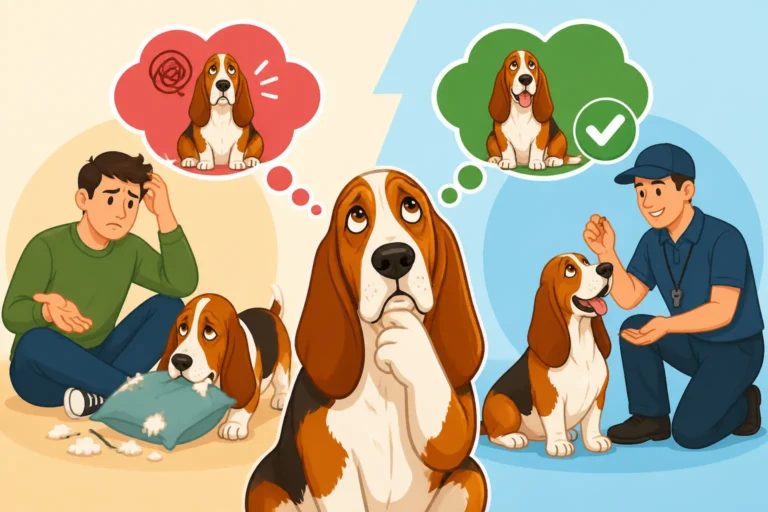
Training a Basset Hound is an exercise in patience and consistency. While intelligent, they are notoriously independent and easily distracted by scents, making traditional obedience training a unique challenge. You might find yourself investing in professional dog training classes, which can range from basic obedience to specialized scent work, all adding to the overall cost. These classes aren't just about teaching commands; they're about building a bond and understanding how to communicate effectively with your Basset. The alternative, a poorly trained Basset, can lead to frustration, potential safety risks (like running off on a scent), and even property damage.
More importantly, the time investment in training and socialization is immense. Daily training sessions, even short ones, are crucial, as is consistent exposure to different people, places, and other friendly dogs. Without proper socialization, a Basset can become shy or reactive. Their strong scent drive means they need consistent management on walks, often requiring a long line in safe, open areas to satisfy their sniffing instincts without risking them bolting. This dedicated time commitment, while not a direct financial cost, is a significant part of "paying" for a well-adjusted and well-behaved Basset Hound. For ideas on engaging their natural talents, check out Giving a Basset Hound's Nose Something to Do.
Property Modifications and Damage
A Basset Hound's incredible nose isn't just for fun; it's a powerful tool that can lead them astray if given the chance. An adequately fenced yard is not just a suggestion; it's a necessity for this breed. They are not dogs you can trust off-leash in an unfenced area, as a captivating scent will override any recall command, no matter how well-trained. The cost of installing or reinforcing secure fencing can be substantial, especially if you need to ensure there are no gaps for them to squeeze through or digging deterrents to prevent tunneling.
Furthermore, boredom or separation anxiety in a Basset can lead to destructive behaviors indoors. This could manifest as chewing furniture, digging at carpets, or raiding the trash. While good training and enrichment can minimize these issues, unexpected damage to your home is always a possibility, leading to repair or replacement costs for household items. Providing plenty of appropriate chew toys, interactive feeders, and mental stimulation can help, but it's an ongoing effort.
Here's a quick overview of how the costs can stack up:
| Category | Initial Costs (Estimate) | Ongoing Annual Costs (Estimate) | Key Factors |
|---|---|---|---|
| Acquisition | Puppy Price/Adoption Fee | N/A | Breeder reputation, rescue organization, age of dog |
| Initial Vet Care | Vaccinations, Microchip, Exam | N/A | Location, vet clinic fees, specific puppy needs |
| Setup & Supplies | Crate, Bed, Bowls, Leash, Toys | Replacements, New Items | Quality of items, potential for damage, growth of puppy |
| Food & Treats | Initial Bag of Food | Quality food, treats, supplements | Brand, type of food (kibble, fresh), special dietary needs (e.g., Ollie), weight management |
| Grooming & Hygiene | Ear cleaner, Wipes, Nail Clippers | Ear care, dental care, baths, nail trims | Frequency of ear infections, professional grooming vs. DIY |
| Health & Wellness | N/A | Annual exams, preventatives, insurance | Age, breed-specific issues (e.g., ears, back), pet insurance (e.g., Healthy Paws), emergency fund |
| Training & Enrichment | Initial puppy classes | Advanced classes, enrichment toys | Behavior issues, desired skill level, professional trainer fees |
| Home/Yard Adaptation | Ramps, Gates, Fencing | Maintenance, repairs | Size of yard, existing fencing, need for mobility aids |
Please note: These are general estimates. Actual costs will vary significantly based on your location, chosen products, veterinary fees, and your Basset Hound's individual health needs and behaviors.
Ultimately, owning a Basset Hound is an incredibly rewarding experience. Their gentle nature, comical expressions, and unwavering loyalty make them truly beloved companions. However, the notion that they are a "low-maintenance" or "cheap" breed is far from the truth. From the unique demands of their physical structure and health predispositions to their independent nature requiring dedicated training and management, the financial commitment often exceeds initial expectations. Preparing for these costs, whether through careful budgeting, a robust emergency fund, or investing in pet insurance like Healthy Paws, is key to ensuring you can provide your Basset Hound with the happy, healthy, and comfortable life they deserve.
Disclaimer
This article is for general informational purposes only and does not constitute professional advice. Laws, prices and regulations vary by location and change over time. Consult a qualified professional for guidance on your specific situation.