Whether a Basset Hound Tracks Better Than a Beagle
It’s a tale as old as time for hound enthusiasts: who truly reigns supreme in the world of scent, the dignified Basset Hound or the energetic Beagle? Owners often wonder if their beloved Basset can keep up, or if the Beagle's reputation is genuinely unmatchable. This comprehensive guide will dive deep into the incredible olfactory prowess of both breeds, comparing their unique tracking styles, physical adaptations, and what makes each a champion in its own right when it comes to following a trail.
Understanding the Scent Hound Advantage
When we talk about scent hounds, we're talking about dogs purpose-bred over centuries to find and follow a scent trail. These aren't just dogs with "good noses"; they are living, breathing scent-detecting machines, and their entire physiology, from their snouts to their tails, is geared towards this singular task. The world through a scent hound's nose is a complex tapestry of information, far beyond what our human senses can even begin to comprehend.
The Biology of an Exceptional Nose
Imagine being able to differentiate between thousands of individual smells, remembering them, and following a specific one through a cacophony of others. That's the daily reality for a Basset Hound or a Beagle. Their nasal passages are vastly different from ours, housing hundreds of millions more olfactory receptors. While humans have about 5 million, dogs can have anywhere from 125 million to 300 million or more. This incredible density of receptors means they process scent data at an unparalleled level.
Beyond the sheer number of receptors, it's also about the structure. Dogs can breathe in and out simultaneously, thanks to a clever fold of tissue inside their nostrils. This allows them to process incoming scents without diluting them with exhaled air. When a Basset Hound is truly focused, its nose will often be glued to the ground, taking in continuous samples. Their brain is also uniquely wired, dedicating a significantly larger portion of its real estate to interpreting scent information compared to our own. This isn't just a physical advantage; it's a neurological superpower that allows them to deconstruct and reconstruct trails with astonishing accuracy. How Good a Basset Hound's Nose Actually Is delves further into this fascinating capability.
Why Scent Hounds are Built for Tracking
It's not just the nose; the entire physical design of a scent hound contributes to its tracking prowess. Think about the Basset Hound's long, pendulous ears. They don't just look charming; they actually serve a functional purpose. As the Basset moves, these long ears sweep the ground, stirring up scent particles and wafting them towards its nose. It's like a built-in scent amplifier, ensuring no trace goes unnoticed. The loose skin and dewlap around their neck also play a role, creating a "scent trap" that helps hold odors close to the nose, allowing for more thorough processing.
For a Beagle, while their ears aren't quite as dramatic as a Basset's, they still perform a similar function, framing the face and helping to funnel scents. Both breeds also typically have powerful, low-set bodies, perfect for staying close to the ground. This close proximity to the scent source is critical. When a dog's nose is literally inches from the ground, it can pick up the minutest particles that would dissipate rapidly at a higher elevation. This design is no accident; it's the result of centuries of selective breeding by hunters who needed dogs capable of finding and following quarry, often for long periods, across varied terrain.
The Basset Hound's Unique Tracking Style
The Basset Hound is often described as the "nose on legs," and for good reason. Their entire being seems dedicated to the art of tracking. Their low-slung body, incredibly long ears, and solemn expression are all part of a package designed for one purpose: to follow a scent, no matter how faint or old, with unwavering dedication. If you've ever watched a Basset Hound working a trail, you'll notice their methodical, almost meditative approach.
Ground-Scent Specialists and Their Physical Adaptations
Basset Hounds are the quintessential ground-scent specialists. Their short legs mean their noses are perpetually close to the ground, minimizing the distance scent particles have to travel before detection. This physical attribute, combined with their incredible olfactory capabilities, makes them experts at unraveling complex scent puzzles. Their heavy bone structure and deep chest contribute to their endurance, allowing them to stay on a trail for extended periods without tiring easily.
Their characteristic long, velvety ears aren't just for show. As mentioned, they act as natural dusters, sweeping scents from the ground towards their large, moist noses. This creates a miniature scent vortex, enhancing their ability to pick up even the most minute traces of odor. Furthermore, the extensive loose skin, particularly the dewlap around their neck, helps trap and hold scent particles. This means that as they move, they are constantly surrounded by the very scent they are following, allowing for continuous and highly accurate processing. Whether a Basset Hound's Ears Sweep Scent Upward explains this fascinating phenomenon in more detail. They are truly masters of low-to-the-ground, detailed scent work.
Endurance and Methodical Trailing
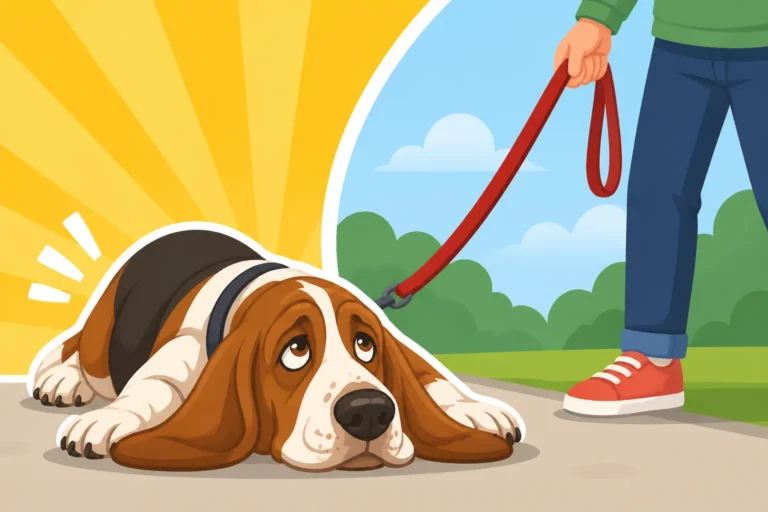
What sets a Basset Hound apart in its tracking style is its sheer endurance and methodical nature. They are not known for their speed, but rather for their unwavering determination. Once a Basset Hound latches onto a scent, it becomes its entire world. They will follow it slowly, deliberately, often ignoring anything else around them. This singular focus can be both a blessing and a curse for owners, as it means their recall can often disappear the moment a compelling scent is discovered. Whether a Basset Hound ignores you on a scent is a common frustration for many Basset owners!
This methodical approach allows them to meticulously dissect a trail, even one that is hours or even a day old. Their deep chests provide ample lung capacity, supporting long stints of sniffing and trailing without needing frequent breaks. Hunters historically valued this trait, as it allowed them to follow on foot, keeping pace with the Bassets while the hounds unraveled intricate trails of rabbits or other small game through dense undergrowth. A Basset Hound will stick to a trail until it finds its end, showing an incredible work ethic and persistence that belies their sometimes sleepy demeanor. Whether a Basset Hound Can Follow a Day Old Trail speaks volumes about their incredible ability.
The Beagle's Energetic Tracking Approach
Now, let's turn our attention to the Beagle, another beloved scent hound. While also a formidable tracker, the Beagle approaches scent work with a different kind of energy and style. They are lively, enthusiastic, and often work with a quicker pace, making them excellent choices for certain types of scenting tasks. Their smaller size and boundless energy contribute to a tracking method that is distinct from their Basset cousins.
Agility and Speed in Scent Work
Beagles, with their more athletic build and shorter coats, tend to be quicker and more agile trackers than Basset Hounds. They possess a remarkable blend of speed and stamina, allowing them to cover ground more rapidly while still maintaining an intense focus on the scent. This agility makes them incredibly effective in situations where a faster pursuit or wider coverage is beneficial, such as flushing game from a field or quickly searching an area. Their moderate size means they can navigate various terrains, from open fields to light brush, with relative ease and without getting bogged down.
The Beagle's ears, while not as long as a Basset's, are still pendulous and serve a similar purpose in gathering scent, though perhaps less dramatically. Their relatively compact and sturdy build allows for quick turns and bursts of speed when a scent demands it, making them quite dynamic in their pursuit. They are often seen with their noses down, actively working the ground, but with a more energetic, sometimes almost bouncy, gait compared to the Basset's low-to-the-ground shuffle. This difference in physical mechanics directly translates into their distinct tracking styles.
Pack Dynamics and Drive
Historically, Beagles were often hunted in packs, and this inherent pack drive contributes to their energetic and cooperative tracking approach. When working together, a pack of Beagles can cover a large area efficiently, their individual efforts combining to solve a scent puzzle much faster than a single dog might. This communal aspect of their heritage means they are often highly motivated by the excitement of the chase and the presence of other dogs, further fueling their tracking enthusiasm.
Their strong prey drive, particularly for small game like rabbits, is a huge motivator. Once a Beagle picks up a scent, they are driven by an instinctual desire to follow it, often emitting their characteristic bay or howl to alert their handlers and pack mates. This vocalization is an integral part of their tracking, communicating their progress and excitement. What a Basset Hound's Bay Sounds Like gives insight into similar vocalizations from Basset Hounds. This combination of agility, inherent drive, and a strong pack mentality makes the Beagle a highly effective and often vocal tracker, bringing a different kind of zest to scent work.
Direct Comparison: Basset Hound vs. Beagle
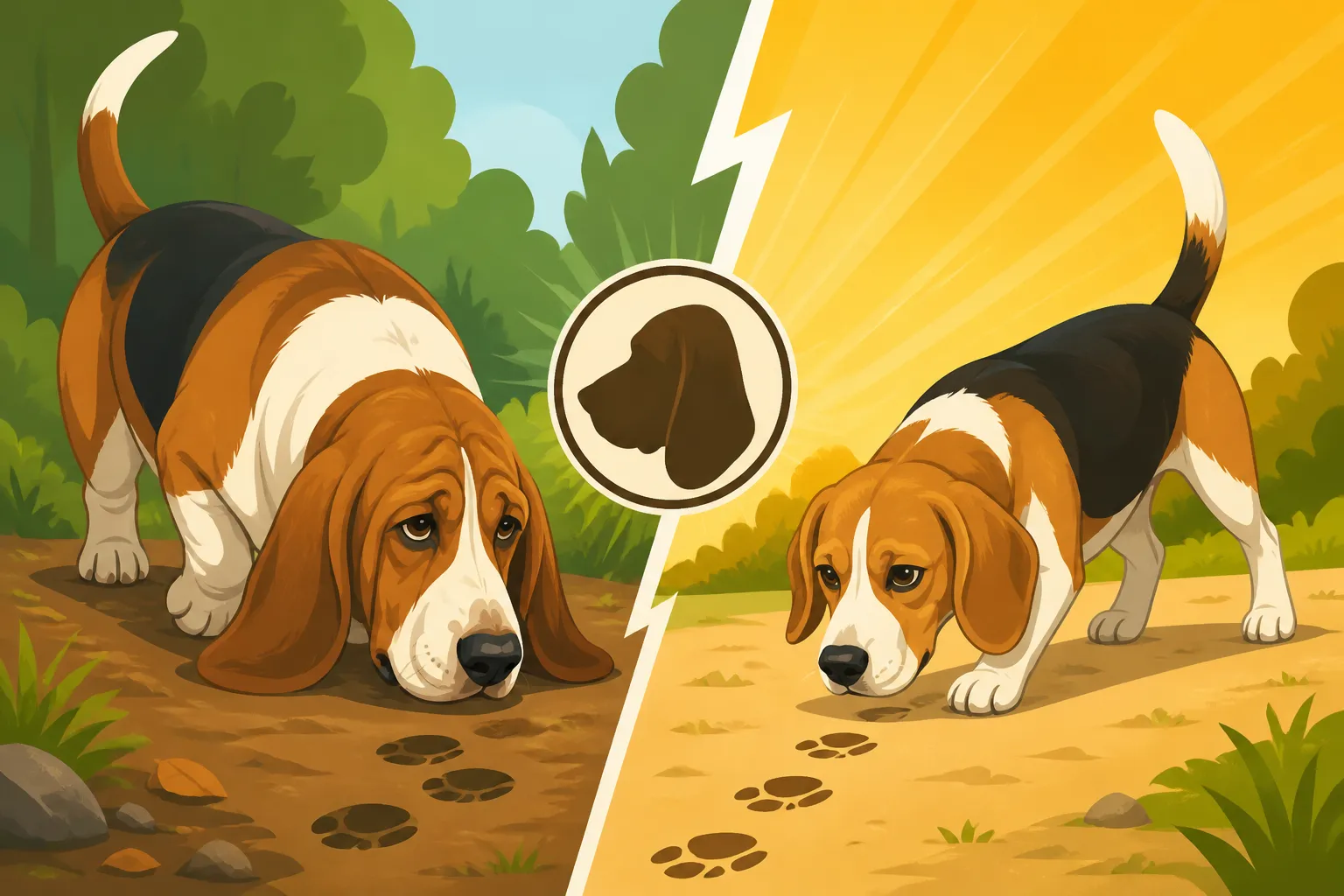
So, when it comes down to it, who is the better tracker? The truth is, it's not a simple "better or worse" scenario. Both breeds are incredibly gifted scent hounds, but they excel in different aspects of tracking. It's more about understanding their strengths and choosing the right tool for the job, or simply appreciating the unique qualities each brings to the world of scent.
| Feature | Basset Hound | Beagle |
|---|---|---|
| Nose Capability | Among the best, rivaling Bloodhounds | Excellent, highly sensitive |
| Tracking Speed | Slow, methodical, persistent | Moderate to fast, agile |
| Endurance | Extremely high, can track for hours | High, capable of covering large areas |
| Physical Build | Heavy bone, low-slung, very long ears, loose skin | Athletic, sturdy, medium-length ears |
| Scent Focus | Ground-scent specialist, meticulous | Ground and air scent, quick to adapt |
| Vocalization | Deep, mournful bay, often persistent on trail | Energetic bay/howl, often communicates progress |
| Ideal for | Old, cold trails, dense cover, detailed work | Fresh trails, open areas, faster coverage |
| Distraction Level | Highly focused on scent, can ignore commands | Strong prey drive, can be distracted by sight |
Depth vs. Speed: A Matter of Preference
The core difference between a Basset Hound's tracking ability and a Beagle's often boils down to depth versus speed. A Basset Hound is like a meticulous detective, slowly and painstakingly gathering every single clue, no matter how tiny. They are built for persistence and detailed analysis of a scent trail, particularly those that are older or fainter. Their low profile ensures maximum contact with the ground, allowing them to follow a scent line even when environmental factors have scattered or degraded it. Whether a Basset Hound Trails With Its Nose on the Ground is key to their success in this area. If you need a dog to pick apart an ancient, cold trail, a Basset Hound's deliberate approach might be exactly what's required.
On the other hand, a Beagle is more like a quick, efficient search and rescue team. They cover ground faster, with an eagerness to find the freshest scent and follow it with gusto. While their nose is undeniably fantastic, their tracking often involves a more dynamic engagement with the environment. They might pick up air scent more readily or work a broader pattern. For newer trails where speed of recovery is important, or when working in open areas, the Beagle's energetic style can be incredibly effective. Neither is inherently "better"; they simply have different specialties within the vast field of scent work.
Practical Applications in Hunting and Sport
Historically, both breeds were utilized for hunting, but their roles often differed. Basset Hounds were prized for hunting small game like rabbits and hares, allowing hunters on foot to keep pace. Their ability to unravel a trail through thick brush and over varied terrain, all while baying to keep the hunter informed of their progress, was invaluable. Even today, some Bassets still work in the field, demonstrating their innate talent. Whether a Basset Hound Still Hunts Rabbits confirms this continuing tradition. Their precise, unhurried tracking ensures that the quarry is eventually located, even if it takes time.
Beagles, also popular for hunting rabbits and hares, were often used in larger packs, their combined speed and enthusiasm creating a formidable force. Their quicker pace and agility allowed them to drive game more efficiently, and their distinct bay helped hunters locate them in dense cover. In modern scent sports, both breeds excel, but again, in different ways. Basset Hounds shine in rigorous tracking tests that emphasize accuracy and persistence over speed, such as AKC tracking trials, where they have to follow a specific human scent over a long, often aged, track. Beagles, with their zest for life and quicker working style, are often fantastic in nose work or barn hunt competitions, which can involve quicker searches and finding hidden targets. Whether a Basset Hound Can Do Tracking Trials shows how adaptable these hounds are to competitive scent work.
Training and Nurturing Natural Tracking Abilities
Regardless of whether you have a Basset Hound or a Beagle, their incredible noses are a gift, and providing them with opportunities to use them is crucial for their well-being and mental stimulation. These breeds thrive when their natural instincts are engaged, and scent work offers a fantastic outlet for their innate abilities. It's not just about turning them into working dogs; it's about enriching their lives and building a stronger bond with them.
Harnessing the Instinct in Your Own Home
You don't need acres of wilderness to tap into your hound's tracking instincts. Simple scent games at home can be incredibly fulfilling. Start by hiding treats or favorite toys around the house while your dog watches, then progress to hiding them while they're out of the room. Encourage them to "find it!" and praise them enthusiastically when they succeed. This teaches them a fun game and reinforces the joy of using their nose. Snuffle mats, puzzle toys, and slow feeders, many readily available on platforms like Amazon, are fantastic for engaging their olfactory senses at meal times. Instead of just eating from a bowl, they have to sniff and work for their food, turning mealtime into a mental exercise. Giving a Basset Hound's Nose Something to Do is one of the best things you can do for your hound.
For a slightly more advanced home game, try creating a simple "track" in your yard. Drag a piece of hot dog or a strong-smelling treat along the grass for a short distance, then place the treat at the end. Let your dog sniff the starting point and encourage them to follow the trail. Keep it short and easy at first, gradually increasing the length and complexity as they get better. Remember, for a Basset Hound especially, food is often a powerful motivator, so choose high-value treats to keep them engaged. What Actually Motivates a Basset Hound explores their drives. Consistency and positive reinforcement are key; you want them to associate using their nose with a rewarding experience.
Advanced Scent Work and Challenges
Once your Basset Hound or Beagle has mastered the basics, you can explore more advanced scent work activities. Many communities offer classes in Nose Work, Scent Detection, or Tracking, specifically designed to teach dogs to find target odors in various environments. These classes provide structured training, teaching your dog to discriminate specific scents and work through increasingly complex search scenarios. Programs like BAXTER & Bella offer online resources and courses that can provide a great foundation for basic obedience and even introduce early scent games, preparing your puppy or dog for more advanced training.
Consider joining a local tracking club or a group that practices for AKC Tracking Dog (TD) or Tracking Dog Excellent (TDX) titles. These trials involve following human scent trails, often laid hours before, over diverse terrains and through different weather conditions. This is where the Basset Hound's methodical nature truly shines, as accuracy and persistence are paramount. For Beagles, Barn Hunt or Scentwork competitions can be a blast, playing into their prey drive and agility to find hidden "rats" (safely enclosed) or target odors. Always remember to use appropriate safety gear, such as a sturdy harness and a long line, especially with a Basset Hound who might follow a compelling scent right into traffic. Whether a Basset Hound Needs a Long Line is a critical consideration for any Basset owner. Engaging your hound in these activities not only provides mental and physical exercise but also strengthens your bond as you work together to solve scent puzzles. Whether Nose Work Tires a Basset Hound Out is a testament to how stimulating these activities are for them.
Disclaimer
This article is for general informational purposes only and does not constitute professional advice. Laws, prices and regulations vary by location and change over time. Consult a qualified professional for guidance on your specific situation.