Whether a Basset Hound Can Do Tracking Trials
Many Basset Hound owners wonder if their beloved, low-slung companions, famous for their laid-back demeanor, could ever excel in something as structured as a tracking trial. It's a valid question when you consider their reputation for stubbornness and their tendency to follow their nose wherever it leads, often ignoring calls. This guide will dive deep into the unique characteristics of a Basset Hound that make them surprisingly adept at tracking, the challenges you might face, and how you can prepare your furry friend for success in the exciting world of scent work.
Understanding the Basset Hound's Incredible Nose for Tracking
When we talk about tracking, we're really talking about a dog's most profound and ancient skill: its sense of smell. And when it comes to noses, the Basset Hound is truly in a league of its own. They aren't just cute faces; they are highly specialized scenting machines, bred for centuries to follow a trail.
The Anatomy of a Scent Machine
It's no accident that the Basset Hound's physical appearance seems perfectly designed for scent work. Their long, pendulous ears, those famously droopy folds of skin, and their low-to-the-ground stature all play a crucial role in amplifying their already extraordinary sense of smell. These features aren't just for show; they actively contribute to their ability to pick up and process scent.
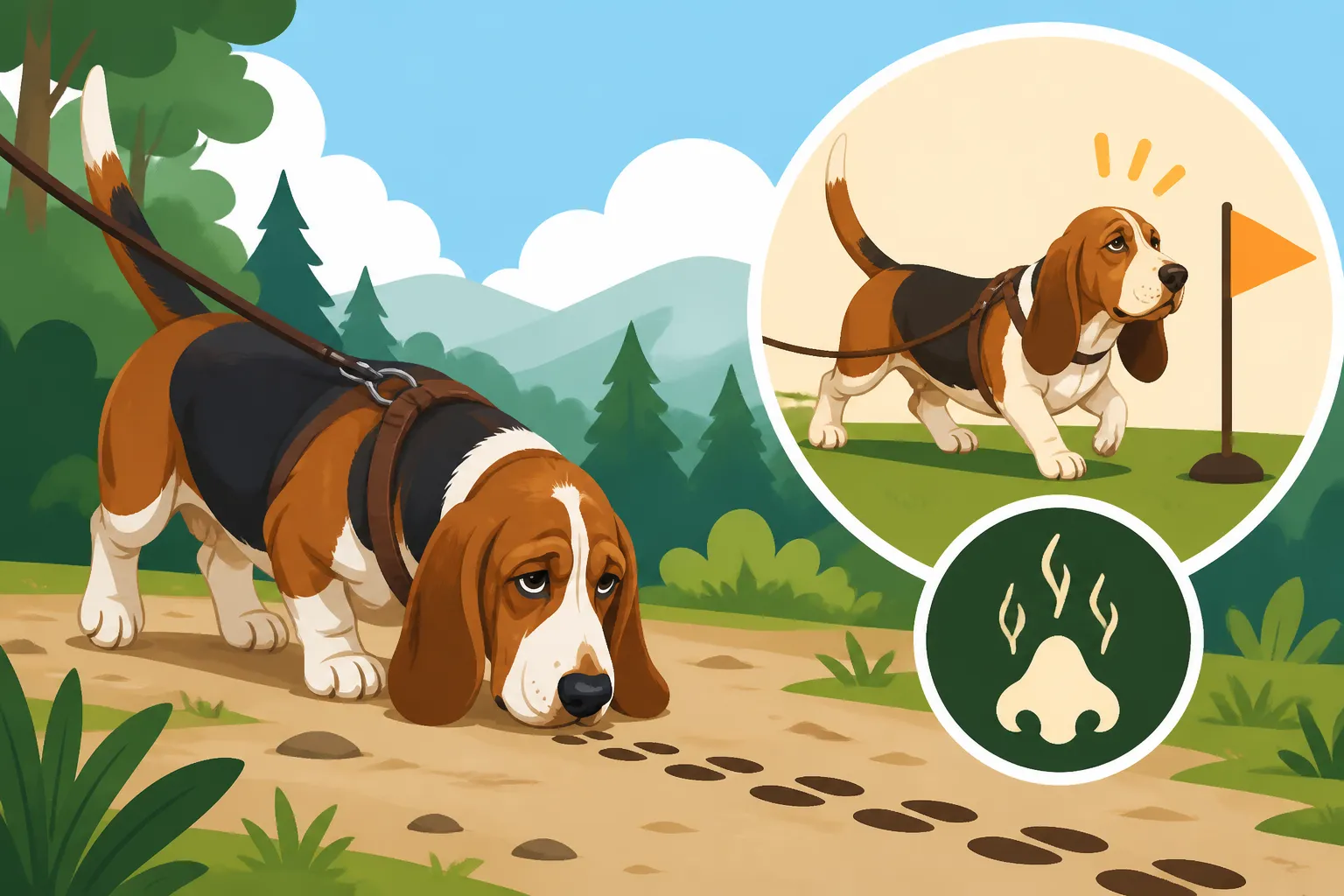
Imagine your Basset, nose to the ground. Those long ears, often described as sweeping the ground, actually help to funnel scent particles upwards towards their nostrils, concentrating the aroma and preventing it from dissipating too quickly. Their loose skin, especially the dewlap around their neck and the folds on their face, acts like a scent trap, holding odors close to their nose as they move. This combination ensures they get a continuous, rich scent picture, making them incredibly efficient at deciphering even faint or old trails. They truly put their whole being into the task, making them a formidable tracker. In fact, many believe Whether a Basset Hound's Nose Is Second Only to a Bloodhound for its sheer capability.
Instinct and Drive: A Deep-Rooted Trait
While Basset Hounds might seem lazy lounging on the sofa, a hidden instinct awakens when their nose hits a compelling trail. They were originally bred to hunt small game like rabbits and pheasants, following trails with unwavering focus, often outsmarting their human hunting companions in the process. This isn't just a casual interest; it's an intrinsic part of who they are, a deep-seated drive that has been honed over generations.
This instinct means that, unlike some other breeds that might need to be taught how to track from scratch, a Basset Hound often just needs to be given the opportunity and a little guidance to tap into their innate abilities. They don't track to please you; they track because it is profoundly satisfying to their hound soul. This powerful internal motivation is a huge advantage when it comes to tracking trials. It's not about obedience; it's about channeling a natural behavior into a structured activity that they genuinely enjoy. Giving a Basset Hound's Nose Something to Do like tracking can be incredibly enriching for them.
The Realities of Training a Basset Hound for Tracking
Alright, so Bassets have the nose and the drive. Fantastic! But let's be realistic. Training a Basset Hound, especially for something as disciplined as a tracking trial, isn't always a walk in the park. Their independent nature can definitely throw a wrench in the works if you're not prepared.
The "Selective Hearing" Challenge
Any Basset owner knows that the moment a truly captivating scent hits their dog's nose, the rest of the world — including your voice — simply ceases to exist. This isn't stubbornness in the malicious sense; it's just their single-minded focus taking over. In a tracking trial, this means they might get so engrossed in the trail that they completely tune you out, making it challenging to guide them or offer subtle cues. This is a common frustration, and many people struggle with The Recall a Basset Hound Will Never Reliably Give You when a good scent is involved.
Successful tracking training with a Basset means understanding and embracing this trait rather than fighting it. You'll learn to read their body language, anticipate their moves, and offer guidance that works with their nose, not against it. It means finding ways to keep their focus on the task at hand without constantly nagging them. Patience, a good sense of humor, and a willingness to let your Basset be a Basset are your best friends here.
Motivation Beyond the Traditional
While some dogs live to please their owners, a Basset Hound often works for a different kind of currency. Food, glorious food, is usually the ultimate motivator. Forget effusive praise or a quick pat; a delicious, high-value treat is often the key to keeping their attention and reinforcing correct behaviors during tracking. This isn't to say they don't appreciate your encouragement, but when their nose is working overtime, a tasty reward can cut through the distraction like nothing else.
You'll quickly learn What Actually Motivates a Basset Hound. For tracking, this often translates to using small, pungent treats that they can quickly gobble down without breaking their stride. Some owners even use a liquid treat in a squeeze tube to reward on the go. Experiment to find what truly makes your Basset's ears perk up (when they're not sweeping the ground, that is!). Consistency is vital, and those short training sessions where success is guaranteed, often fueled by treats, will be far more productive. Whether Short Sessions Suit a Basset Hound is a resounding yes for this breed, especially for mentally demanding tasks like tracking.
Essential Equipment for Tracking
Before you even step paw on a trial field, having the right gear is crucial for both your Basset's comfort and your control. A proper harness is non-negotiable; never attach a tracking line to a collar, as it can injure your dog's neck. Look for a comfortable, Y-front harness that allows for full range of motion without restricting their shoulders or chest. A specialized tracking harness distributes pressure evenly and prevents injury.
Next, you'll need a long line. We're talking 20 to 30 feet, maybe even 40 feet, of sturdy, lightweight line. This allows your Basset to work a trail freely while still giving you control and ensuring their safety. You can find excellent options for harnesses and long lines on platforms like Amazon, making it easy to gear up. Don't forget treats, plenty of them, and a treat pouch that you can easily access. Hydration is also important, especially if you're tracking in warmer weather, so a portable water bottle and bowl are good additions to your kit.
Navigating Tracking Trials with a Basset Hound
So, you've embraced the independent spirit, mastered the art of treat motivation, and your Basset is showing real promise on practice trails. What's next? Entering a tracking trial can feel a bit daunting, but understanding the structure and what's expected can make it a much smoother experience.
Types of Tracking Trials
Tracking trials are typically divided into different levels, increasing in difficulty. They're designed to test a dog's ability to follow a human scent trail, often across varied terrain and with increasing age of the track.
| Trial Level | Description | Basset Hound Suitability |
|---|---|---|
| Tracking Dog (TD) | The entry-level title. Dog follows a track approximately 440-500 yards long, laid 30 minutes to 2 hours prior, with 3-5 turns. Trail ends with a "find" article. | Highly suitable. The relatively fresh scent and shorter track play to a Basset's strengths. Their methodical pace is an asset, as they're less likely to overrun the scent. This is where most Bassets will start and can easily achieve success with consistent training. |
| Scent is everything to a Basset Hound. They're built for it, they live for it, and frankly, they love it more than almost anything else. So, it's not a matter of if a Basset Hound can do tracking trials, but rather how successfully and with what approach. Their phenomenal noses and unwavering focus on a scent trail make them inherently excellent candidates for tracking. |
Understanding the Basset Hound's Natural Scenting Prowess
It’s easy to look at a Basset Hound, with their famously droopy eyes and ponderous gait, and underestimate their capabilities. But beneath that charmingly melancholic exterior lies one of the most sophisticated scent detection systems in the canine world. These aren't just dogs with big noses; they are true scenting specialists, bred for generations to follow a trail with unparalleled precision and determination.
The Biology Behind the Brilliant Nose
The Basset Hound’s nose is nothing short of a masterpiece of evolution and selective breeding. Their olfactory epithelium, the tissue responsible for detecting odors, is vast, packed with millions more scent receptors than most other breeds. This dense concentration allows them to detect and differentiate between an incredible array of smells, even at very low concentrations. It’s like having a super-sensitive, high-definition scent detector built right into their face.
Beyond the internal mechanics, their external features further enhance their tracking abilities. Those long, heavy ears, often dragging on the ground, don't just look endearing; they serve a crucial purpose. As the Basset moves, their ears sweep the ground, stirring up scent particles and directing them towards their nose, effectively concentrating the scent funnel. Similarly, the abundant loose skin and dewlaps around their neck and face help to trap scent, keeping it close to their nostrils and preventing it from scattering in the wind. This unique combination of internal and external adaptations gives them a distinct advantage in tracking, allowing them to remain on a faint trail where other breeds might falter. You might wonder if Whether a Basset Hound's Ears Sweep Scent Upward truly helps, and the answer is a resounding yes!
Instinctual Drive to Track
More than just physical endowment, Basset Hounds possess an unshakeable instinct to follow a trail. This isn't a learned trick; it's a hardwired part of their being, a legacy from their hunting ancestors. For centuries, these hounds were invaluable to hunters on foot, who relied on the Basset's slow, methodical, and incredibly accurate tracking to find game. They didn't chase; they trailed.
When a Basset Hound locks onto a scent, they enter a state of profound focus. It's as if the rest of the world fades away, and only the invisible ribbon of scent matters. This intense concentration, often perceived as stubbornness or selective hearing by owners, is actually a tremendous asset in tracking trials. It means they are less likely to be distracted by visual stimuli or ambient noises, dedicating their entire sensory world to the task at hand. This inherent drive makes them natural born trackers, eager to engage in an activity that fulfills their deepest canine purpose. It truly highlights How Good a Basset Hound's Nose Actually Is.
Training Your Basset Hound for Tracking Trials
While the natural aptitude is there, channeling that instinct into a structured tracking trial requires patience, understanding, and a tailored training approach that respects the Basset Hound's unique temperament. It's less about breaking their will and more about guiding their immense talent.
Embracing the Basset's Learning Style
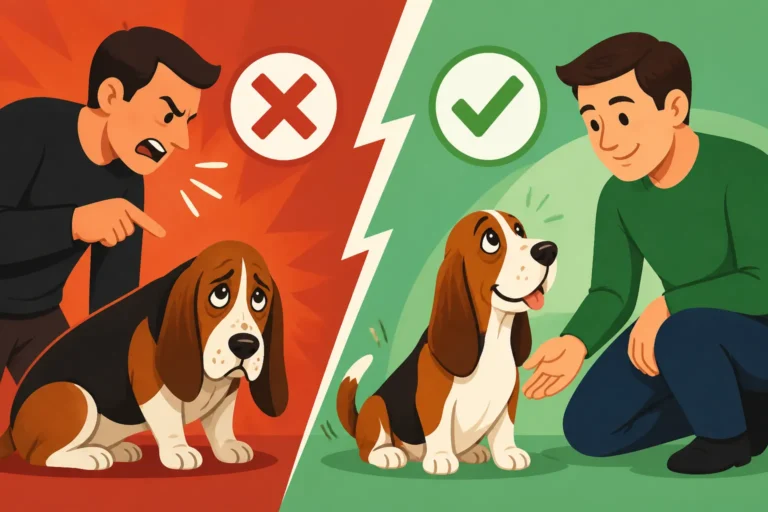
Basset Hounds are often described as stubborn, but it's more accurate to say they are independent thinkers who need a compelling reason to comply. They learn best through positive reinforcement, especially when high-value food rewards are involved. Short, fun, and highly rewarding training sessions are far more effective than long, repetitive drills. If a Basset isn't enjoying it, they will simply "turn off."
Start with very short, simple tracks in an area with minimal distractions. Let your Basset succeed often, building their confidence and reinforcing the idea that tracking is a fun and rewarding activity. Avoid harsh corrections or forcing them, as this can quickly make a Basset shut down. Instead, make it a game, an invitation to use their amazing nose. Tools like clicker training can be very effective in marking the exact moment they are doing something right, followed immediately by a treat. For a deeper dive into how your Basset learns, consider resources like online training platforms. Programs from organizations like BAXTER & Bella can offer structured approaches that cater to different dog personalities, including the independent hound.
Essential Equipment and Basic Skills
Beyond the inherent nose, some practicalities are key. A comfortable, well-fitting harness is paramount. This should be a Y-front style that doesn't restrict shoulder movement or put pressure on their windpipe. Never use a collar for tracking, as it can cause injury if they pull hard on the line. Paired with the harness, a long line (typically 20-30 feet) is essential. This allows your Basset the freedom to work the track without feeling restricted, while still giving you a connection and safety net. You can find robust and comfortable long lines and harnesses on Amazon, ensuring you have quality gear that stands up to the demands of scent work.
Before you even lay your first track, teach your Basset to wear their harness and long line comfortably. Practice walking on the line, letting them explore freely while you maintain a loose grip. Introduce the concept of a "tracking command" – a specific word or phrase that tells them it's time to put their nose to work. This helps them transition into their tracking mindset. Also, ensure they are comfortable with basic handling, as judges will observe your interaction. Teaching a Basset Hound to Have Its Ears Handled and their feet checked are good foundational skills.
The World of Tracking Trials for Basset Hounds
So, your Basset is happily trailing in practice, finding those articles, and looking proud as punch. What does a real tracking trial involve, and what are the specific considerations for a Basset Hound?
What to Expect at a Tracking Trial
Tracking trials, sanctioned by organizations like the American Kennel Club (AKC) in the US, are designed to test a dog's ability to follow an unknown human track. The track layer walks a specific pattern, leaving behind a small article (like a glove or wallet) at the end. The dog, starting at a designated "start flag," must follow this scent trail to locate the article. Trials are often held in varied terrain—fields, woods, sometimes even urban environments—to test the dog's adaptability.
For a Basset Hound, the methodical pace required in tracking trials is often an advantage. They aren't sprinters; they are deliberate, nose-to-the-ground workers. This slower, more careful approach actually serves them well, as they are less likely to overshoot or lose a faint scent. Judges appreciate a dog that works accurately and consistently, and a Basset's natural style often embodies this perfectly.
Overcoming Specific Basset Challenges in Trials
While their nose is a superpower, their physical build can present minor challenges. Their low stature means their belly and chest can drag in deep grass, snow, or mud, potentially making them uncomfortable or slowing them down. Choosing appropriate trial locations or being prepared with cleaning supplies afterward is a good idea. Similarly, ensuring they are at a healthy weight is vital; What Extra Weight Does to a Basset Hound includes making physical activities like tracking more strenuous.
Another consideration is their stamina. While they might be slow, following a 500-yard track is still a significant mental and physical exertion. Ensuring your Basset is in good physical condition and well-hydrated is important. Also, remember that famed Basset "voice." While barking or baying isn't usually penalized unless excessive or disruptive, a Basset that bays enthusiastically upon finding the article might be a common sight! This is part of their charm and their heritage; The Bay a Basset Hound Uses and the Neighbors Hear can be a familiar sound during exciting moments.
Beyond the Ribbon: The Benefits of Tracking for Your Basset Hound
Even if winning ribbons isn't your primary goal, engaging your Basset Hound in tracking or scent work offers a wealth of benefits that enhance their well-being and strengthen your bond.
Mental Stimulation and Enrichment
A bored Basset Hound is often a mischievous Basset Hound. Their incredible brains, hardwired for complex scent discrimination, need an outlet. Tracking provides unparalleled mental stimulation, tapping into their most primal instincts and offering a deeply satisfying "job" for their nose and mind. It tires them out in a way that physical exercise alone often cannot, leading to a calmer, more content dog at home.
Watching your Basset work a trail, utterly engrossed and confident in their abilities, is a truly rewarding experience for an owner. It builds their confidence and allows them to express their natural behaviors in a constructive way. This kind of activity is crucial for a breed with such a powerful olfactory drive, helping to prevent behavioral issues that can arise from under-stimulation. Whether a Basset Hound Takes to Scent Work is generally a resounding yes, because it speaks to their very nature.
Strengthening the Bond and Building Confidence
Working together as a team on a tracking trail, even if your Basset often seems to be ignoring you, builds a unique kind of bond. You learn to trust their nose, and they learn to trust your presence and guidance, even if it's just in setting up the conditions for their success. It's a partnership where their extraordinary talent takes center stage.
For Basset Hounds, who can sometimes be sensitive or cautious, the success they experience in tracking can be a huge confidence booster. Each found article reinforces their self-assurance and reminds them just how capable they are. This increased confidence often translates to other areas of their lives, making them more resilient and happy companions. And let's be honest, seeing the pure joy and focus on your Basset's face as they follow a trail is a reward in itself! For those considering the long-term journey, understanding What Scent Work Classes Cost a Basset Hound Owner can help with planning.
Disclaimer
This article is for general informational purposes only and does not constitute professional advice. Laws, prices and regulations vary by location and change over time. Consult a qualified professional for guidance on your specific situation.