Whether a Long Line Is Enough for a Basset Hound
One of the most common dilemmas Basset Hound owners face is wanting to give their beloved floppy-eared companions the joy of exploring scents freely, yet constantly fearing they'll follow their powerful noses straight into trouble. That deep-seated instinct to trail often makes off-leash adventures a pipe dream, leaving many of us wondering how to strike a balance between safety and enrichment. This guide dives deep into whether a long line can be that crucial bridge, offering both freedom and control for your Basset Hound's boundless curiosity.
The Irresistible Call of the Scent: Why Basset Hounds Roam
Basset Hounds are, at their very core, scent hounds. This isn't just a charming quirk; it's a fundamental part of their genetic makeup and historical purpose. Understanding this powerful drive is the first step to truly managing their urge to explore.
The Basset Hound's Olfactory Prowess
It's no exaggeration to say that a Basset Hound's nose is a marvel of nature. They possess an extraordinary number of olfactory receptors, far surpassing many other breeds. When they put their nose to the ground, they're not just sniffing casually; they're dissecting a rich tapestry of odors that most of us can barely comprehend. Each discarded food wrapper, every leaf, every patch of grass tells a story, and their brain is hardwired to follow that narrative wherever it leads. This incredible ability is why they were bred, initially in France, to tirelessly track game. For them, a captivating scent isn't just interesting; it's a command. We often joke about their "nose-blindness" to our calls, but it's genuinely a case of their primary sense overpowering all others. You can learn more about this incredible ability in How Good a Basset Hound's Nose Actually Is.
The Instinct to Follow a Trail
Imagine a detective hot on a case, totally absorbed in solving a mystery. That's your Basset Hound when they catch a compelling scent. Their long, pendulous ears, dewlap, and loose skin aren't just for looks; they actually work in conjunction with their nose, sweeping scents upwards and trapping them, creating a kind of scent-bubble around their face. This design enhances their ability to stay on a trail, making it incredibly difficult for them to disengage once they've committed. This deep-seated instinct means that when they pick up a track, their world narrows to that single, compelling thread. Everything else, including your desperate pleas, fades into the background. It's not defiance; it's pure, unadulterated instinct taking over.
The "Selective Hearing" Phenomenon
Ah, the infamous "Basset Hound selective hearing." It's a phrase often uttered with exasperation, but it stems directly from their powerful scent drive. When your Basset Hound's nose is engaged, their ears might as well be glued shut. The neurological pathway activated by scent is so dominant that it effectively overrides auditory input, at least from our perspective. Trying to call them back when they're locked onto a trail can feel like talking to a brick wall. This isn't because they don't love you or aren't trained; it's simply that their genetic programming for tracking is incredibly strong. This makes reliable recall a significant challenge for the breed, prompting many owners to wonder The Recall a Basset Hound Will Never Reliably Give You. They truly don't mean to ignore you, but the call of the wild, or rather, the call of that fascinating squirrel scent, is simply too potent to resist.
Understanding Long Lines: More Than Just a Longer Leash
When you're dealing with a dog whose nose can lead them miles away, a regular six-foot leash often feels like a cruel joke. A long line, however, offers a fantastic compromise, but it's crucial to understand what it is and how it differs from your everyday walking gear.
What Exactly Is a Long Line?
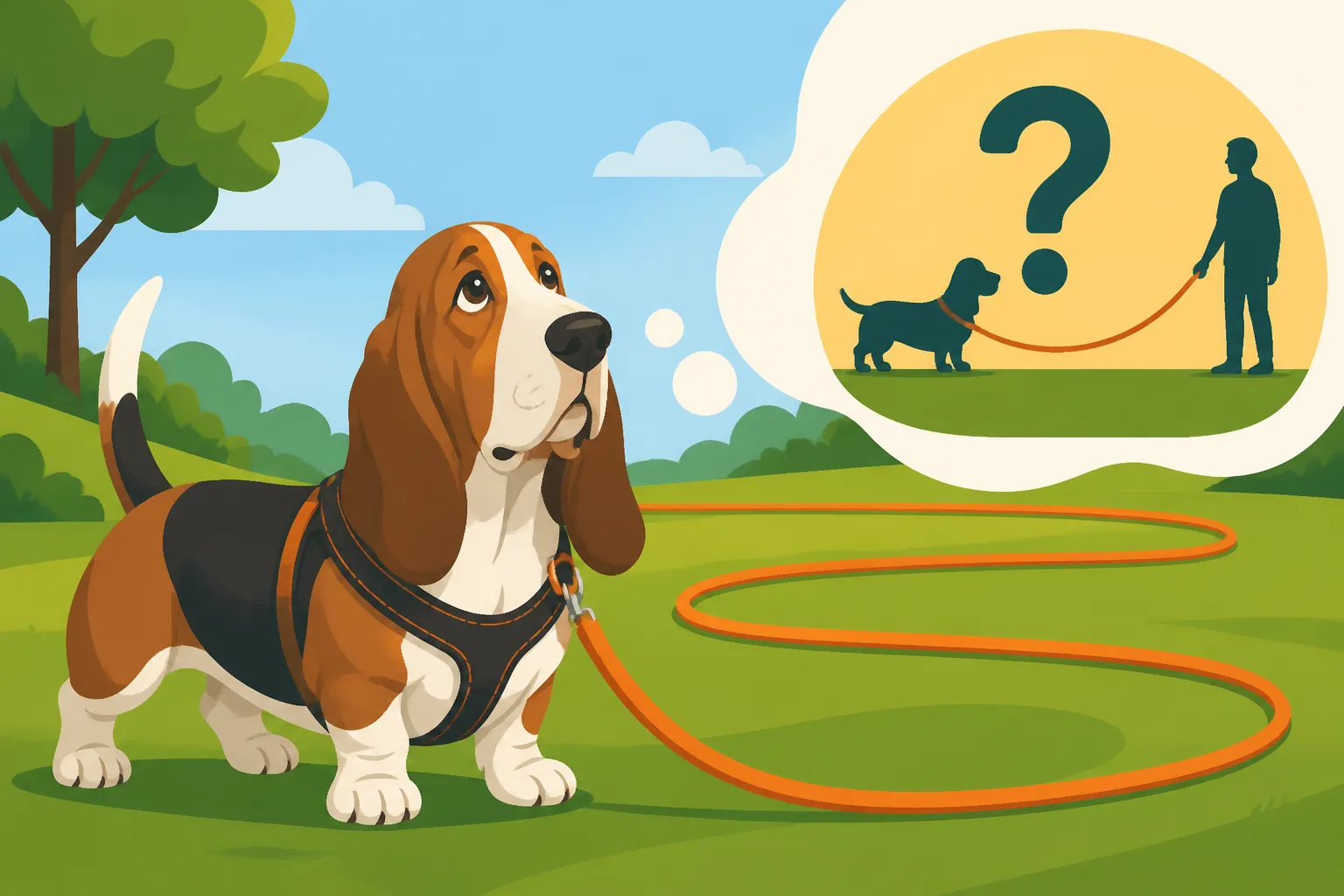
At its most basic, a long line is simply an extended leash, typically ranging from 15 to 50 feet, or even longer for advanced training. It's designed to give your dog a much greater radius of movement and exploration than a standard leash, without sacrificing your control or their safety. Unlike an extendable or retractable leash, a long line does not have an internal mechanism that keeps it taut or allows for instant retraction. Instead, it's a fixed length of material that you manage by hand, allowing the dog to roam while you hold the other end, either letting slack out or reeling it in as needed. This hands-on management is key; it means you're always connected and can intervene if your Basset Hound's nose leads them towards potential danger.
Materials and Lengths: Choosing the Right Tool
Long lines come in a variety of materials, each with its own benefits and drawbacks. Nylon or biothane are common choices. Nylon is generally affordable and comes in many colors, but it can absorb water, get tangled easily, and might cause rope burn if it slides through your hands quickly. Biothane, on the other hand, is a coated webbing that feels much like leather but is waterproof, easy to clean, and less prone to tangling. It's often a favorite for Basset Hound owners due to its durability and resistance to mud and moisture, which their low-slung bodies tend to collect.
When it comes to length, 15 to 30 feet is a good starting point for most Basset Hounds, especially if you're new to using a long line. A 50-foot line offers even more freedom but can be more challenging to manage, especially in areas with trees or other obstacles. Consider the environment where you'll be using it; a vast open field might accommodate a longer line, while a more wooded park would necessitate something shorter to prevent snags and tangles. You can find a wide range of options on platforms like Amazon, making it easy to compare materials and lengths.
Equipment Considerations: Harnesses and Collars
When using a long line with a Basset Hound, attaching it to a sturdy, well-fitting harness is almost always the best choice. Basset Hounds are known for their strong pull when they catch a scent, and attaching a long line to a collar can put immense pressure on their neck and throat, potentially causing injury. Their thick, loose neck skin can also make it easier for them to slip out of a collar if they pull hard enough. A front-clip or dual-clip harness can help distribute pressure evenly across their chest and shoulders, reducing pulling and providing better control without discomfort or risk of escape. Look for a harness that fits snugly but comfortably, allowing full range of motion without chafing their delicate underarms. Given their unique body shape, finding Which Harness Suits a Basset Hound is vital for their safety and comfort.
| Feature | Nylon Long Line | Biothane Long Line |
|---|---|---|
| Material Feel | Softer, more fabric-like | Smooth, rubbery, leather-like |
| Water Resistance | Absorbs water, gets heavy when wet | Fully waterproof |
| Ease of Cleaning | Can get dirty, takes time to dry | Wipes clean easily with a damp cloth |
| Tangle Tendency | More prone to knotting and tangling | Less prone to tangling, slides smoothly |
| Durability | Good, but can fray over time | Excellent, highly durable and tear-resistant |
| Cost | Generally more affordable | Typically a higher upfront cost |
| Grip in Hand | Can cause rope burn if pulled quickly | Smoother, less friction, but can be slippery if wet |
The Benefits of Using a Long Line for Your Basset Hound
A long line isn't just a piece of equipment; it's a tool that can transform your walks and deepen your relationship with your Basset Hound by safely expanding their world.
Providing Freedom in a Controlled Environment
One of the biggest struggles for Basset Hound owners is balancing their dog's need to sniff and explore with the very real danger of them bolting after a scent. A long line offers an incredible solution, creating a "safe zone" of extended freedom. Instead of being confined to a short leash that limits their natural instincts, your Basset Hound can stretch their legs, trot ahead, and investigate that fascinating patch of grass or pile of leaves without you having to constantly yank them back. This freedom is vital for their mental and physical well-being. It allows them to engage their powerful nose, which is their primary way of interacting with the world, without putting them in harm's way. They get to be a Basset Hound, following their instincts, while you maintain the ultimate control to ensure they don't wander too far or into traffic.
Safely Exploring New Scents and Territories
Think about the joy your Basset Hound experiences when they find a really good scent trail. Their tail starts wagging, their nose is glued to the ground, and they are in their absolute element. A long line facilitates this natural behavior in places where off-leash exploration would be irresponsible or dangerous. You can take them to larger, open parks, quiet fields, or even secure hiking trails, allowing them to thoroughly investigate new territories and the myriad of smells within them. This sensory enrichment is incredibly important for their mental stimulation and can lead to a much more content and tired dog at the end of the day. Without a long line, many Basset Hounds would be restricted to short, frustrating walks, never truly getting to satisfy their inherent drive. It helps them engage their incredible nose, which is a major part of Giving a Basset Hound's Nose Something to Do.
Strengthening Your Bond and Training Opportunities
Using a long line isn't just about managing your Basset Hound; it's also a fantastic opportunity for positive reinforcement and relationship building. While they're exploring, you can practice calling them back (even if it's just a check-in before letting them go again) and rewarding them heavily when they respond. This helps build a positive association with coming when called, even if it's on a line. It teaches them that checking in with you means good things happen, without the high stakes of a truly off-leash environment. You can also use the long line to teach boundaries, prevent unwanted behaviors from escalating, and reinforce polite walking skills over a longer distance. Companies like BAXTER & Bella offer online training resources that can guide you through these types of exercises, making the most of your long line sessions and building a more responsive, engaged partner. This consistent, low-pressure training strengthens the understanding and trust between you and your Basset, making them feel more secure and you more confident.
Challenges and Limitations of Long Lines
While long lines are incredibly useful tools, they aren't a magical fix and come with their own set of challenges that owners need to be aware of and actively manage.
Potential for Tangles and Snags
Let's be realistic: a Basset Hound on a 30-foot line in a field with tall grass, bushes, or trees is a recipe for tangles. Their short legs and low-slung bodies are perfect for getting themselves entwined, and their long ears don't help matters. The line can easily wrap around their legs, neck, or even other objects, creating a trip hazard for both you and your dog. You'll spend a fair amount of time untangling, especially if your Basset decides to zig-zag wildly after a scent. It requires constant vigilance and active management of the line to prevent it from snagging or becoming a safety risk. This is where choosing a material like biothane can make a big difference, as it's less prone to knotting than traditional nylon.
Environmental Hazards to Consider
A long line extends your Basset Hound's reach, which means they can get into more trouble if you're not paying attention. They might reach a busy road, encounter wildlife, or find something truly disgusting (and potentially dangerous) to eat before you can react. It's easy to get distracted, especially in a beautiful park, but with a Basset, vigilance is paramount. You need to be constantly scanning the environment ahead of your dog, anticipating where their nose might lead them, and being ready to reel them in or change direction. Simply letting them drag a long line without active supervision is irresponsible and negates the safety benefits of the tool. It's also worth remembering that a long line does not protect them from other off-leash dogs whose owners might not have the same level of control.
It's Not a Substitute for Reliable Recall
This is perhaps the most crucial limitation to understand: a long line is a management tool, not a substitute for training a reliable recall. While it allows you to practice recall in a controlled way, it doesn't instantly imbue your Basset Hound with the desire to ignore a potent scent trail and come running back to you. Whether a Basset Hound Can Be Called Off a Trail is a tough question, and a long line only provides the physical means to bring them back when their instincts take over. The goal should always be to build up their intrinsic motivation to return, even when presented with distractions. If you're relying solely on the long line to retrieve your dog, you're missing out on the opportunity to develop that crucial communication and trust that defines a truly reliable recall. It's a stepping stone, not the destination itself, and consistent training is still essential.
Best Practices for Training with a Long Line
To get the most out of a long line and keep your Basset Hound safe and happy, it's essential to approach its use with a strategic mindset and consistent training.
Introducing the Long Line Safely
The first step is to get your Basset Hound accustomed to the feeling of the long line. Start in a quiet, distraction-free environment, like your backyard, with a shorter line (15-20 feet). Attach it to their well-fitting harness, not their collar, to prevent neck strain. Let them drag it around for a few minutes, supervised, so they get used to the weight and the feel of it trailing behind them. You don't want the first experience to be overwhelming or frightening. Gradually, introduce it on walks in low-distraction areas. Hold the end loosely, allowing them to explore, but keep an eye on how it moves and where your Basset is heading. The goal is for them to see it as an extension of their freedom, not a restraint. Keep your commands positive and your rewards high-value. What Actually Motivates a Basset Hound usually involves delicious treats!
Practicing Recall and Check-ins
The long line is an invaluable tool for practicing recall without the fear of your Basset Hound running off. Start by letting your Basset Hound wander to the end of the line, sniffing to their heart's content. Then, in a happy, encouraging tone, call their name and your recall cue (e.g., "Buddy, come!"). As you say it, gently gather the line, encouraging them back towards you. The moment they start moving your way, heap on the praise and offer a truly high-value treat when they reach you. Make it a party! Repeat this many times, gradually increasing distractions. The physical backup of the long line ensures success, which builds a strong positive association with coming when called. Even if they don't always choose to come, you can still guide them in, reward them, and make the experience positive. This helps in overcoming the challenge of Whether a Basset Hound Ever Comes When Called.
Graduating to Greater Freedom (Cautiously!)
Once your Basset Hound is comfortable with the long line and shows some responsiveness to recall in low-distraction environments, you can gradually increase the level of freedom and challenge. Move to larger, more stimulating parks or fields. Consider using a longer line (30-50 feet) if the space allows, but remember that longer lines require more careful handling. Always be aware of your surroundings and any potential hazards. The key here is caution. A Basset Hound's nose can be a powerful force, and it's easy to overestimate their recall ability. The long line remains your safety net, allowing them to enjoy the thrill of the chase (of a scent, that is) while you still have the means to intervene. Always maintain an active connection to the line, even if it's just letting it trail through your hand.
When a Long Line Isn't Enough: Other Safety Measures
While a long line is an excellent tool, it's part of a broader safety strategy. For true peace of mind with a Basset Hound, you'll want to consider several other layers of protection.
Secure Fencing and Enclosures
For many Basset Hound owners, a securely fenced yard is non-negotiable. No matter how well-trained your Basset is on a long line, there will be times when you want them to simply potter around the garden, soaking up the sun and sniffing the daisies, without constant direct supervision. Basset Hounds, with their low stature and determined nature, are surprisingly good at finding weaknesses in fences. They can dig under them with impressive speed if a captivating scent is on the other side, or squeeze through gaps you thought were too small. A fence should ideally be solid, without large gaps, and extend below ground level or have a deterrent such as L-footing to prevent digging. Understanding How High a Fence a Basset Hound Needs and the importance of its security is paramount for preventing escapes. An invisible fence is generally not recommended for Basset Hounds, as their drive to follow a scent can easily override the discomfort of the correction.
GPS Trackers and Identification
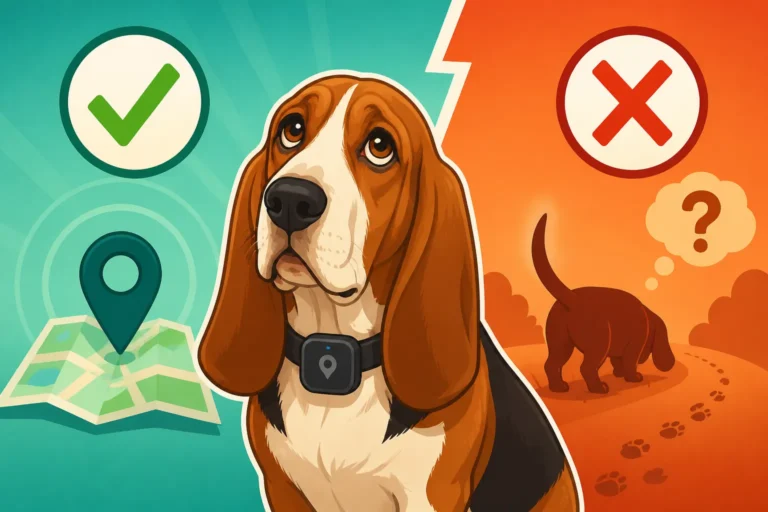
Even with the most vigilant long line use and secure fencing, accidents can happen. A gate might be left ajar, or a particularly strong gust of wind might rip the line from your hand. This is where modern technology can provide an invaluable layer of protection. A GPS tracker, attached securely to your Basset Hound's collar or harness, can be a literal lifesaver. These devices allow you to track your dog's location in real-time via a smartphone app, dramatically increasing your chances of finding them quickly if they ever do get loose. Brands like Tractive and Fi offer excellent options specifically designed for dogs.
Beyond a tracker, always ensure your Basset Hound has up-to-date identification on their collar, including your name and phone number. Microchipping is also essential and legally required in many places. While it won't help you actively track them, it provides permanent identification that can be scanned by any vet or shelter, helping to reunite you if they're found by a good Samaritan. Thinking about Whether a Basset Hound Should Wear a Tracker is a smart move for any owner.
Continued Recall Training and Emergency Stops
A long line provides the means to physically prevent your Basset Hound from running off, but the ultimate goal should always be to foster a strong, reliable recall without physical intervention. This means ongoing, positive reinforcement-based training, even if you rarely let them off-leash. Practice "come" in various environments, gradually increasing distractions. Make coming to you the most rewarding thing they can do.
Beyond standard recall, an "emergency stop" or "down" cue is invaluable. This is a command, taught with high-value rewards, that means "drop everything and lie down, no matter what." It can be a last resort to prevent your Basset from stepping into the road or engaging with something dangerous if your long line isn't quite long enough, or you momentarily lose your grip. It's about building a robust communication system, ensuring that even in moments of high distraction, your Basset Hound has been conditioned to respond to your voice as a source of safety and reward. Remember, the journey of The First Year With a Basset Hound Puppy sets the foundation for a lifetime of training and good habits.
Disclaimer
This article is for general informational purposes only and does not constitute professional advice. Laws, prices and regulations vary by location and change over time. Consult a qualified professional for guidance on your specific situation.