Whether a Basset Hound Gets Its Owner a Noise Complaint
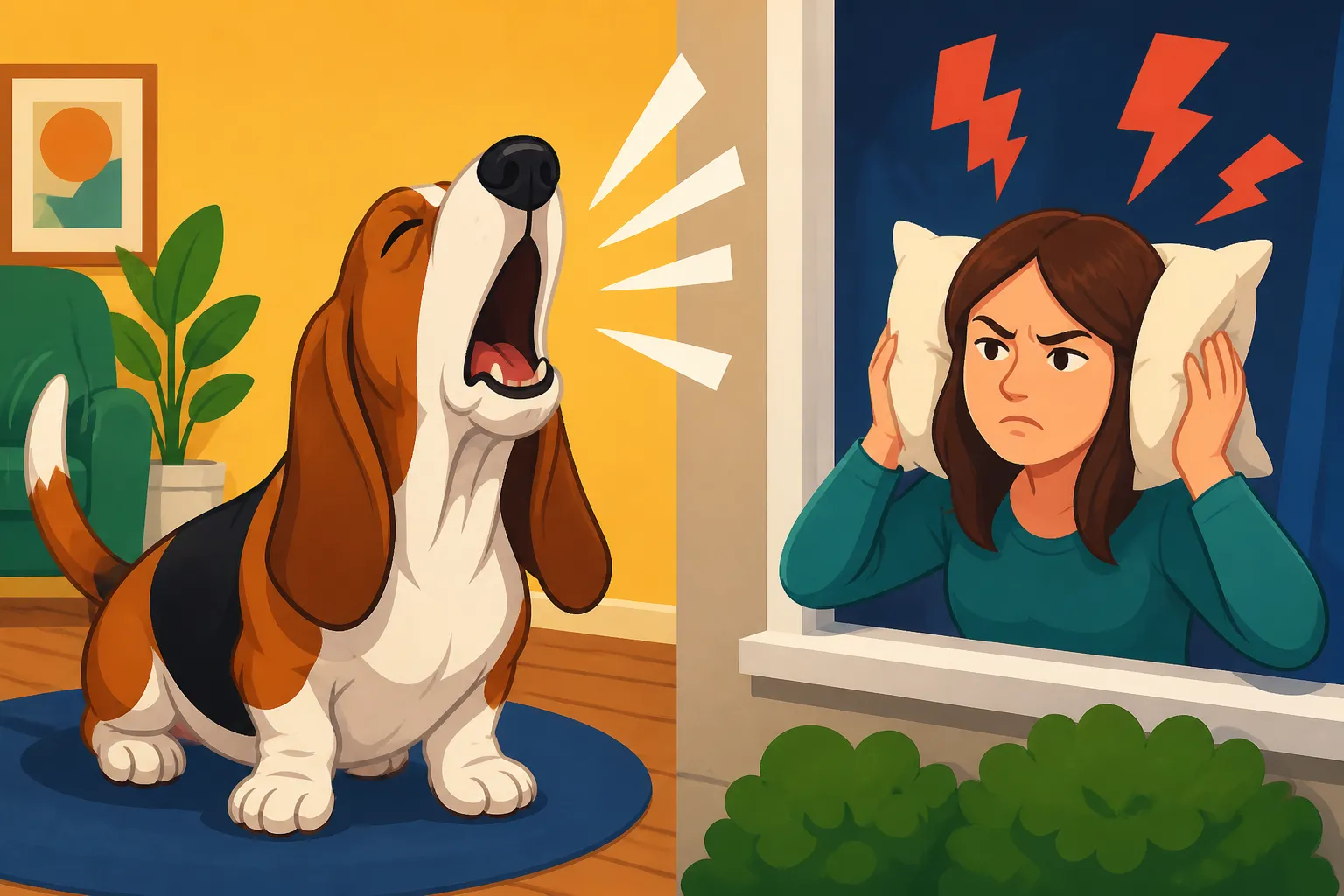
One of the biggest worries for any potential Basset Hound owner, or even those already living with one, is the distinct possibility of noise complaints from neighbors. Their famous bay, those deep, resonant 'woo-woos,' can certainly carry, and the last thing anyone wants is to disrupt the peace and quiet of their community. This comprehensive guide will delve into the vocal world of Basset Hounds, explore why they make the sounds they do, and offer practical strategies to manage their expressions for a more harmonious home life.
The Basset Hound's Natural Symphony: Understanding Their Vocalizations
Basset Hounds are, at their core, scent hounds, and a huge part of their heritage involves vocalizing to communicate during a hunt. When you bring a Basset into your home, you're not just getting a dog; you're adopting a living, breathing piece of history with a voice to match. Understanding why they make noise is the first step in learning to manage it.
The Iconic Bay: What it Means and Why They Do It
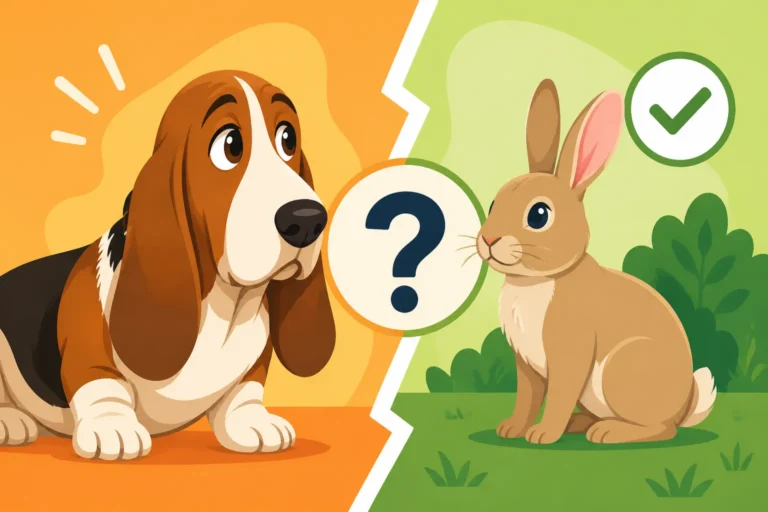
Ah, the bay. There's truly nothing else quite like it in the dog world. It's that long, drawn-out, deep, melodic howl that rolls off their tongue, often ending in a wavering crescendo. What a Basset Hound's Bay Sounds Like is instantly recognizable and entirely unique to the hound breeds. This isn't just a random noise; it's a centuries-old communication tool. Historically, the bay served a crucial purpose: to alert hunters to the location of prey and to the progress of the hunt. Imagine a thick forest, dense undergrowth, and a pack of hounds hot on a rabbit's trail. The bay was their way of saying, "Here I am! Follow this scent! I've found something!"
In a domestic setting, that instinct doesn't just disappear. Your Basset Hound might bay for many reasons. A strong, interesting scent – a squirrel running across the yard, a deer that passed by hours ago, or even just the lingering aroma of the neighbor's barbecue – can trigger that primal urge to announce a discovery. Excitement, boredom, or a desperate plea for attention can also lead to a hearty bay. It’s their equivalent of a siren, a big, bold announcement to the world. And believe me, it carries.
Beyond the Bay: Other Basset Hound Sounds
While the bay is their signature tune, Basset Hounds have a surprisingly varied vocal repertoire. They're expressive creatures, and their sounds reflect a range of emotions and needs. It's not always a full-throated bay, sometimes it's more nuanced, though equally impactful on your neighbors.
One common sound is whining. This isn't the mournful cry of some breeds; often, a Basset's whine is a low, persistent grumble, a soft complaint, or a direct request. They might whine for food, for a walk, to go outside, or simply for a cuddle on the sofa. If you're ignoring them and they really want something, that whine can escalate into a more insistent, higher-pitched plea. Then there's the howl, which is distinct from a bay. While a bay is often about scent, a howl can be a response to environmental sounds like sirens or other distant dogs. It’s also a classic sign of loneliness or separation anxiety, a lament to the pack they feel separated from. Whether a Basset Hound Howls When Left is a common concern for owners leaving their dogs home alone.
Barks are less common in Basset Hounds compared to some other breeds, but they do happen. A sharp, quick bark is usually an alert: someone's at the door, a package arrived, or a strange cat is strutting through the garden. It can also be a frustration bark if they're trying to get to something they can't reach, or a greeting bark when someone they love arrives. Finally, Basset Hounds are famous for their grumbles and "talking back." These are often softer, guttural noises, almost conversational. My old Gus used to grumble and sigh dramatically every time I asked him to move from his favorite spot. It wasn't a complaint in an angry way, more like a long-suffering, "Oh, fine, if I must." It's incredibly endearing to their owners, but if done loudly, it can still register as 'noise' to an uninitiated ear. Whether a Basset Hound Talks Back is a real phenomenon!
Common Triggers for Excessive Basset Hound Noise
Understanding the types of sounds your Basset makes is important, but equally crucial is identifying what sets them off. If you can pinpoint the triggers, you're halfway to managing the volume. Bassets are creatures of habit and instinct, and their vocalizations are often a direct response to their environment or internal state.
Scent-Driven Vocalizations
This is probably the number one reason Basset Hounds use their voice, especially the bay. Their noses are truly exceptional, often ranked second only to the Bloodhound. Imagine living in a world where every single scent tells a story, and you're hardwired to announce those stories to your pack. That's a Basset's reality. When they latch onto a compelling scent, everything else fades away. Why a Basset Hound Stops Hearing You When It Smells Something isn't stubbornness; it's pure, unadulterated instinct taking over.
Outdoors, the culprits are obvious: rabbits, squirrels, deer, neighborhood cats, or even the faint trail of another dog that passed hours ago. A Basset on a walk might suddenly stop, nose to the ground, and let out a deep bay as they pick up an exciting new trail. This is particularly noticeable in rural or suburban areas with more wildlife. Indoors, while less common, scent can still be a trigger. A forgotten snack on the counter, a bag of groceries just brought in, or even lingering food smells from dinner can sometimes prompt a soft whine or grumble as they try to get to the source of the delicious aroma.
Loneliness, Boredom, and Separation Anxiety
Basset Hounds are incredibly social dogs. They thrive on companionship and being part of the family "pack." Leaving them alone for extended periods without adequate mental or physical stimulation is a recipe for vocal complaints. This isn't them being spiteful; it's genuine distress or profound boredom manifesting in the loudest way they know how.
Separation anxiety is a real and debilitating issue for many dogs, and Bassets are certainly susceptible. If your Basset starts howling or baying as soon as you leave, or within minutes of your departure, and it continues until you return, that's a strong indicator of separation anxiety. It's heartbreaking for them, and it’s certainly not conducive to good neighborly relations. Beyond anxiety, plain old boredom can also lead to noise. A Basset with nothing to do, no puzzle to solve, no interesting smells to process, and no one to interact with might just decide to entertain themselves by broadcasting their feelings to the entire street. This is especially true for young, energetic Bassets who still have a lot of puppy energy to burn, even if they look like lazy lumps.
Environmental and External Stimuli
Our homes and neighborhoods are full of sounds, and Basset Hounds, with their exceptional hearing and protective instincts, are often keen observers. They'll react to things that many other dogs, or even humans, might ignore.
One of the most common external triggers is other dogs. If your neighbor's dog barks, your Basset might feel compelled to join the chorus, seeing it as a pack communication or a territorial alert. Sirens are another classic trigger; the high-pitched wail of an ambulance or police car often prompts a Basset to howl along. It's a primal response to a sound that resonates with their own vocalizations. Whether a Basset Hound Bays at Sirens is a pretty common occurrence. Delivery people, mail carriers, and even people simply walking by your house can also trigger alert barking or baying. For a Basset, a stranger approaching their territory warrants an announcement. The gentle giants they may be, they are still protective of their family and home.
The Reality of Noise Complaints with a Basset Hound
Let's be real: living with a Basset Hound means living with some noise. It's part of their charm, their heritage, and their personality. However, there's a fine line between characteristic Basset vocalizations and truly excessive noise that can genuinely impact your neighbors. Navigating this means understanding local regulations and being honest about your dog's volume.
Local Ordinances and Neighborly Relations
Every community has rules about noise, and dog barking often falls under these ordinances. These laws vary wildly from place to place, but typically they dictate time limits (e.g., no excessive noise before 7 AM or after 10 PM) and duration (e.g., a dog cannot bark continuously for more than 15-20 minutes). Ignoring these can lead to fines, or in extreme cases, even legal action or demands that you rehome your beloved pet. It's worth looking up your local animal control or municipal codes to understand what constitutes a "nuisance barking" in your area.
Beyond the legalities, there's the much more important aspect of neighborly relations. Most people are understanding of occasional dog sounds. A few barks when the mailman comes, or a brief bay when a squirrel darts up a tree, might be tolerated. But prolonged, continuous, or very frequent vocalizations, especially at inconvenient times, can quickly fray nerves. It's about respect and compromise. Even if your Basset isn't breaking a specific noise ordinance, a strained relationship with your neighbors makes home life much more stressful for everyone.
Is Your Basset Hound's Baying Excessive?
This is where honest self-assessment comes in. What sounds "normal" or even endearing to you, as a Basset owner deeply in love with their unique quirks, might be perceived very differently by someone next door who isn't a fan of canine opera. To you, it's a happy "woo-woo" announcing a leaf; to them, it's an incessant bellow.
Consider the following:
- Frequency: How often does your Basset vocalize throughout the day? Is it a few times, or is it almost constant when left alone?
- Duration: When they do make noise, how long does it last? A quick bay is different from twenty minutes of continuous howling.
- Intensity: Is it a soft grumble, or a full-volume, chest-rattling bay?
- Timing: Is the noise happening during reasonable hours, or early in the morning, late at night, or during typical nap times for children?
It's also worth noting that the Basset's body shape and deep chest naturally give them a resonant, far-carrying voice. They don't have a yappy bark; they have a powerful bay that travels. What might be acceptable from a small, less vocal breed might be considered excessive from a Basset simply due to the sheer auditory impact. If you're unsure, try recording your dog while you're out, or ask a trusted neighbor for their honest opinion.
Strategies to Manage and Reduce Basset Hound Vocalizations
Okay, so your Basset loves to use their voice. It's in their DNA. But that doesn't mean you're powerless. There are many proactive steps you can take to manage and reduce excessive vocalizations, creating a happier, quieter home for everyone involved. It’s all about meeting their needs and teaching them appropriate outlets.
Enriching Their Environment and Engaging Their Nose
A bored Basset is a noisy Basset. Remember, these dogs were bred to work with their noses for hours on end. When they don't have that outlet, their energy and intelligence can manifest in destructive or noisy ways. Providing mental stimulation, especially nose work, can be incredibly tiring and satisfying for them. Whether Nose Work Tires a Basset Hound Out is a definite yes!
Here are some ideas:
- Scent Work Activities: Invest in a snuffle mat, where you can hide treats for them to find. Whether a Basset Hound Enjoys a Snuffle Mat. This engages their incredible sense of smell and makes them "work" for their food. Puzzle toys, where they have to manipulate parts to get a reward, are also fantastic. You can find a huge variety of these on Amazon, ranging from simple treat-dispensing balls to multi-stage challenges. These activities burn mental energy far more effectively than a quick trot around the block.
- Longer, Sniff-Heavy Walks: Don't just walk your Basset for exercise; let them sniff. Give them plenty of time to explore interesting scents. A 30-minute walk where they get to follow their nose is often more fulfilling than a 60-minute walk where you're constantly pulling them along. This taps into their natural instincts and can dramatically reduce their urge to bay when a new scent comes along later. Giving a Basset Hound's Nose Something to Do is essential for their well-being.
- Interactive Toys: Even when you're home, engage them with toys. Tug-of-war, fetch (if they're into it), or even just tossing a squeaky toy can provide positive interaction and mental engagement.
Training for Quiet: Techniques and Consistency
While you can't silence a Basset completely, you can absolutely teach them when it's appropriate to be quiet. This requires patience, consistency, and positive reinforcement. Bassets might have a reputation for being stubborn, but they are highly food-motivated and capable of learning. Whether a Basset Hound Is Stubborn or Just Not Interested often comes down to your motivation!
- Teaching a "Quiet" Cue: This is perhaps the most crucial training. When your Basset starts to vocalize, let them bark/bay two or three times, then gently interrupt them with a word like "Quiet" or "Enough." As soon as they stop, even for a second, immediately reward them with a high-value treat and praise. The key is to reward the absence of noise. Gradually increase the duration they need to be quiet before getting the reward. Teaching a Basset Hound a Quiet Cue can take time, but it's incredibly effective.
- Rewarding Silence: Don't just reward when they stop making noise; actively reward them for being quiet at times when they could be vocalizing. If they're lying calmly while the mailman passes, offer a treat. This helps them understand that silence, not noise, earns good things.
- Consistency is Key: Everyone in the household needs to use the same cues and follow the same rules. If one person lets the Basset bay indefinitely, it undermines all the training efforts.
- Professional Help: If you're struggling, don't hesitate to seek out a professional dog trainer. They can offer personalized strategies and help you implement them effectively. Online platforms like BAXTER & Bella offer virtual training programs and resources that can be very helpful for busy owners.
Addressing Separation Anxiety and Loneliness
If your Basset's vocalizations are primarily tied to being left alone, you're likely dealing with some level of separation distress. This needs a sensitive, structured approach.
- Gradual Desensitization: Start with very short absences. Leave for a minute, come back, no big fuss. Gradually increase the time. Practice "mock departures" where you go through all your leaving rituals (grab keys, put on shoes) but then just sit back down. The goal is to make your departure less of a trigger.
- Crate Training: A well-crate-trained Basset can feel secure in their den. It provides a safe, quiet space where they feel protected. Ensure the crate is comfortable and associated with positive experiences.
- Calming Aids: Talk to your vet about options like calming pheromone diffusers, thunder shirts, or even supplements that can help reduce anxiety.
- Exercise Before You Leave: A tired Basset is a quieter Basset. Before you head out, ensure they've had a good walk (with plenty of sniffing!) or a vigorous play session.
- Consider Dog Walkers or Daycare: If your work schedule means long hours away, a midday dog walker can break up their day, provide a potty break, and some much-needed interaction. Reputable doggy daycares can also be a godsend, offering supervision and socialization.
- The Second Dog Question: Sometimes, owners think a second dog will solve loneliness. While it can work for some, Whether a Second Dog Makes a Basset Hound Louder is a real possibility. They might egg each other on, or the second dog could develop its own separation anxiety. This is a decision that requires careful thought.
Tools and Resources for a Quieter Home
Beyond training and enrichment, there are practical tools and environmental adjustments that can help reduce the impact of your Basset Hound's vocalizations, both for your peace of mind and your neighbors'.
Soundproofing and Environmental Adjustments
Sometimes, the simplest changes to your home environment can make a surprising difference in managing dog noise.
- Close Windows and Doors: This might seem obvious, but sealing up your home limits how much sound escapes to the outside and how much external sound comes in to trigger your Basset.
- Background Noise: Leaving on a radio, TV, or a white noise machine can help mask external sounds that might trigger your dog. It also provides a comforting presence when you're away. Classical music or talk radio can work wonders.
- Thicker Curtains and Rugs: These soft furnishings absorb sound, reducing echoes inside your home and somewhat dampening sound transmission through windows. While not full soundproofing, every little bit helps.
- Strategic Placement: Consider where your Basset spends most of their time. If they're prone to baying at passersby, restricting access to front windows or areas with high foot traffic might be beneficial.
Technology and Aids (with caution)
The market is full of gadgets designed to curb barking, but it's crucial to approach these with a critical eye, prioritizing humane and effective methods.
-
Bark Collars: These devices deliver a deterrent when your dog barks. They come in various forms:
- Ultrasonic: Emits a high-frequency sound, often inaudible to humans, but unpleasant to dogs.
- Vibration: Delivers a mild vibration around the neck.
- Spray: Releases a burst of citronella spray, which dogs typically dislike.
- Static/Shock: Delivers a mild electric static correction.
While some owners find success with non-static bark collars, they should always be used with extreme caution, and ideally, under the guidance of a professional trainer. They address the symptom (barking) without addressing the root cause (anxiety, boredom, instinct). Whether a Bark Collar Belongs on a Basset Hound is a contentious topic among dog professionals. Many believe they can cause fear, anxiety, and stress, potentially exacerbating behavioral issues rather than solving them. If you consider one, always choose the mildest, most humane option, and combine it with positive reinforcement training to teach an alternative behavior. Never use a static correction collar without professional guidance.
-
Monitoring Cameras: While not a deterrent, a pet camera (many popular brands are on Amazon) with two-way audio can be invaluable. It allows you to observe your Basset's behavior when you're not home, helping you pinpoint triggers. Some even allow you to speak to your dog or dispense treats, which can be a temporary distraction. This data can then inform your training strategies.
Proactive Measures and Living Harmoniously
Ultimately, coexisting peacefully with your vocal Basset Hound and your neighbors comes down to a blend of understanding, effort, and communication. It's about being a responsible pet owner and a considerate community member.
Communicating with Your Neighbors
This is perhaps the most undervalued tool in preventing and resolving noise complaints. Open, polite communication can diffuse tension before it escalates.
- Be Proactive: If you know your Basset is vocal, especially when you're away, consider speaking to your immediate neighbors before they have a reason to complain. Introduce yourself and your Basset, explain their breed's tendency to be vocal, and let them know you're actively working on training.
- Apologize When Necessary: If your Basset has had a particularly noisy spell, a sincere apology can go a long way. Acknowledge their concern and reiterate your efforts to manage the situation.
- Offer Solutions or Compromises: Perhaps you can adjust your dog's schedule to avoid early morning barking. Maybe you can provide your number so they can text you if the noise is genuinely problematic, rather than going straight to a complaint. Offering a small gift, like baked goods, as a gesture of goodwill can also help foster a positive relationship. Most people are more understanding if they know you're aware of the issue and trying to fix it.
Accepting the Basset Hound's Nature
While all the strategies above are crucial, it's also important to embrace the unique qualities of your Basset Hound. They are not a quiet breed by nature. Their bay is part of their identity, a legacy of their hunting ancestry. Expecting absolute silence from a Basset Hound is unrealistic and can lead to frustration for both you and your dog.
Instead, strive for a balance. Aim to reduce excessive noise and manage triggers, but accept that some vocalizations are just part of their charm. Many Basset owners find immense joy in their dogs' expressive sounds, the grumbles, the sighs, and yes, even the occasional bay that echoes through the neighborhood. It's part of what makes them Bassets! With patience, consistent training, and a good relationship with your neighbors, you can absolutely live a harmonious life with your talkative, lovable hound.
Basset Hound Vocalizations & Management Strategies
| Vocalization Type | Common Triggers | Management Strategies |
|---|---|---|
| Bay | Strong scents (wildlife, other dogs), excitement, boredom | Scent work, long sniffy walks, "Quiet" cue, enrichment |
| Howl | Sirens, other dogs howling, loneliness, separation anxiety | Desensitization to triggers, increased companionship, calming aids, crate training |
| Whine | Seeking attention, hunger, discomfort, wanting something | Ignoring attention-seeking whining, addressing needs, teaching polite requests |
| Bark | Alerting (doorbell, strangers), frustration, greeting | "Quiet" cue, desensitization to triggers, positive reinforcement for calm behavior |
| Grumble/Talk | Expressing opinion, mild protest, conversation, contentment | Generally acceptable, manage volume if excessive, focus on other vocalizations |
Disclaimer
This article is for general informational purposes only and does not constitute professional advice. Laws, prices and regulations vary by location and change over time. Consult a qualified professional for guidance on your specific situation.