Whether Short Sessions Suit a Basset Hound
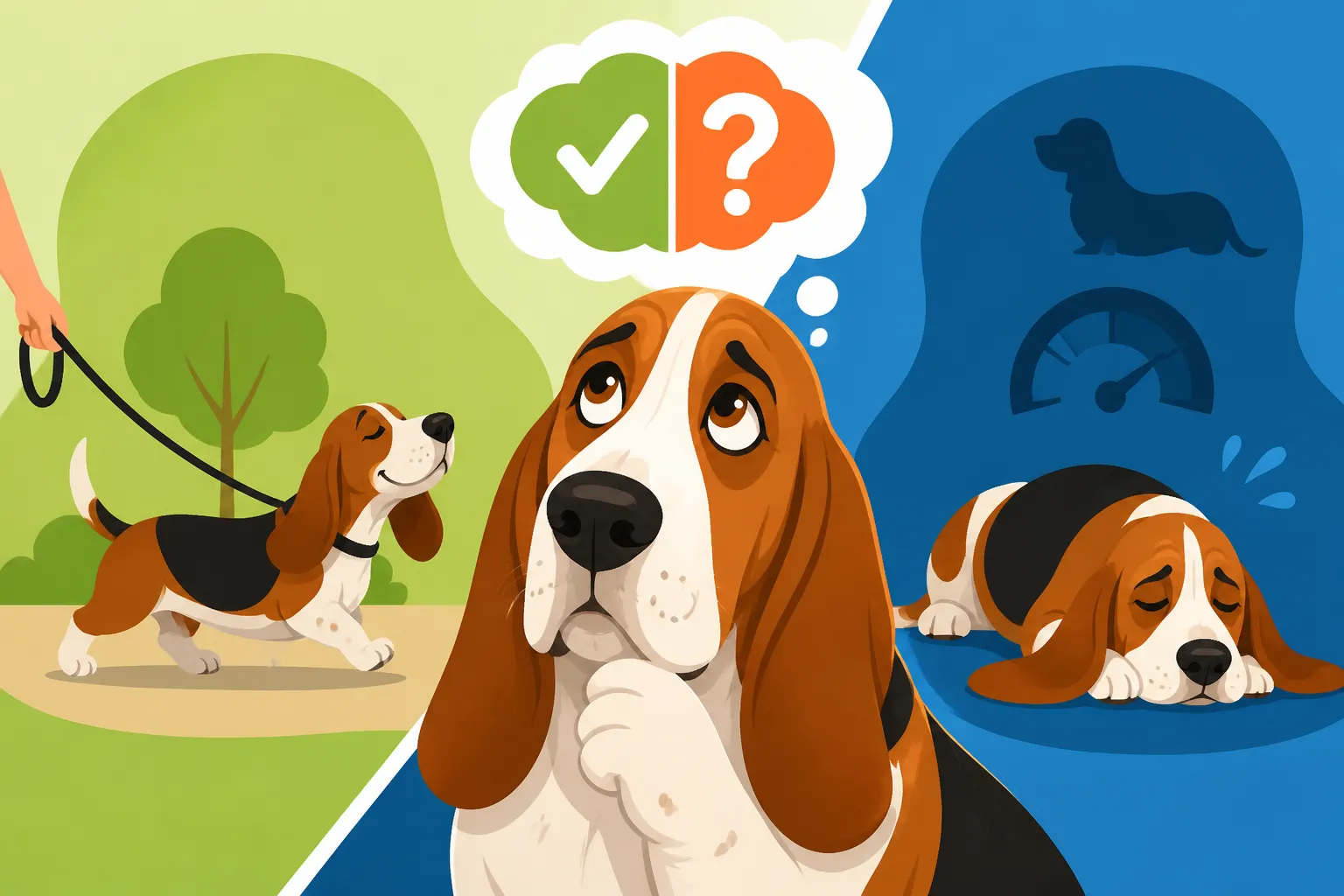
Many Basset Hound owners quickly discover that their charming, independent companions aren't always keen on lengthy, structured training sessions. It’s incredibly frustrating when you’re trying to teach a new command, and after just a few minutes, your beloved hound gives you that classic Basset side-eye, yawns, and decides a particularly interesting dust bunny is far more deserving of their attention. This guide will explore precisely why short, focused training sessions are not just suitable for a Basset Hound, but are often the most effective and enjoyable way to engage their unique personality and achieve lasting training success.
Understanding the Basset Hound's Unique Learning Style
Basset Hounds possess a distinctive blend of charm, independence, and an utterly dominant sense of smell that profoundly influences their approach to learning. Often misinterpreted as "stubbornness," their training challenges are usually rooted in these inherent breed traits, rather than a lack of intelligence or desire to please. They process the world through their nose first, and sometimes, human requests come a distant second.
The Overwhelming Influence of Scent
To truly understand a Basset Hound, you must first appreciate the world they inhabit – a world defined by an extraordinary tapestry of smells. Their powerful olfactory system, second only to that of a Bloodhound, means they are constantly processing an avalanche of scent information. Every blade of grass, every gust of wind, every passing creature leaves a story written in smells, and a Basset Hound is biologically wired to read it. When you're trying to teach them to "stay," and a faint scent of rabbit wafts by from yesterday morning, their brain is literally screaming "FOLLOW THAT SCENT!"
This isn't them being rude or defiant; it’s their deepest instinct taking over. They were bred for this, to track game persistently and methodically, ignoring all other distractions. Asking a Basset Hound to ignore a compelling scent trail for an extended period is like asking a human to ignore a screaming fire alarm in their living room. It's incredibly difficult, if not impossible. If you’ve ever wondered whether a Basset Hound ignores you on a scent, you now know why. Their world is simply richer and more distracting than ours. Acknowledging this fundamental aspect of their nature is key to developing training methods that actually work for them.
Why Prolonged Sessions Lead to Disengagement
Given their strong drives and independent nature, it’s no surprise that traditional, lengthy training sessions often fall flat with a Basset Hound. A typical 15-20 minute session, common for many breeds, can quickly become monotonous for a Basset. They might start out enthusiastic, especially if high-value treats are involved, but their interest wanes rapidly. You’ll notice signs of disengagement: slow responses, sniffing the floor, sitting with their back to you, or even lying down completely and just staring off into space.
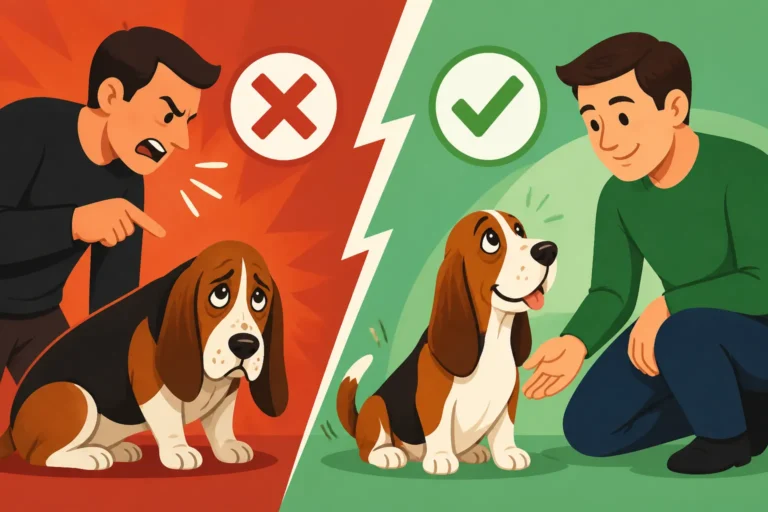
Once a Basset Hound decides they are no longer interested, continuing the session becomes counterproductive. You’re no longer teaching; you’re simply creating negative associations with the training process. This can lead to them becoming truly "stubborn" or refusing to participate in future sessions. Many owners lament, Whether a Basset Hound Learns Slowly, but often it's not a matter of speed, but rather sustained attention. They can learn, but the delivery of the lesson needs to be perfectly calibrated to their temperament. Pushing them past their attention threshold will only lead to frustration for both of you and erode the positive bond you share.
Designing Effective Short Training Sessions
The secret weapon for training a Basset Hound lies in embracing the concept of "micro-sessions" – brief, impactful bursts of training that capitalize on their fleeting focus and desire for immediate reward. This approach works with their natural tendencies, rather than trying to fight them.
The Magic of Brief, Focused Bursts
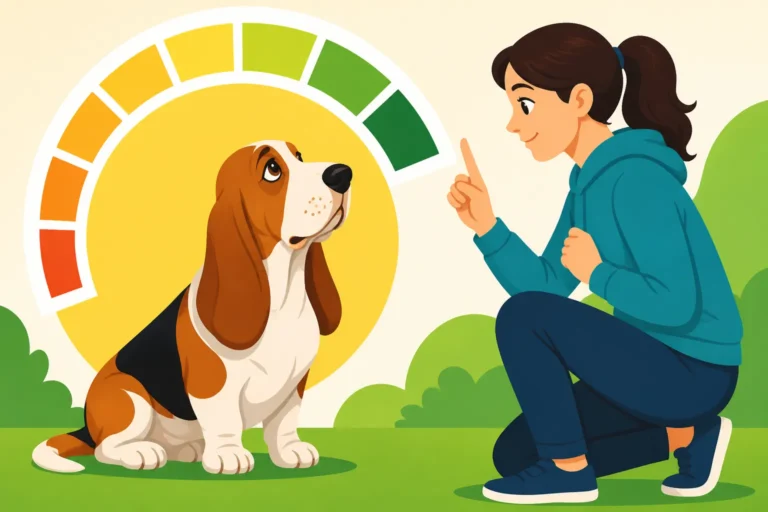
For a Basset Hound, a training session might be as short as two to five minutes, or even less for a young puppy or during a difficult learning phase. The critical rule is to always end the session before your Basset loses interest. This leaves them feeling successful, happy, and eager for the next session. Think of it like a cliffhanger in a good book – you want them excited for what’s next, not bored to tears by a drawn-out plot.
During these short bursts, focus on one or two commands at most. If you're working on "sit," do a few successful repetitions, reward heavily, and then call it a day, even if you feel they could do more. Over time, these consistent, positive, short engagements will build a robust understanding of commands. You'll find that How Long a Basset Hound Will Train For is directly proportional to how much fun and how brief you make the experience. Multiple short sessions spread throughout the day are far more effective than one long, drawn-out battle of wills.
Harnessing High-Value Motivation
When your Basset Hound does grace you with their full attention, you need to make it absolutely worth their while. This means using high-value rewards that can compete with the enthralling world of scents. Dry kibble often won't cut it. Instead, arm yourself with irresistible treats: small pieces of cooked chicken, cheese, hot dogs, or commercially prepared soft, smelly training treats. The smellier and tastier, the better! These aren’t bribes; they are fair compensation for asking your hound to override their powerful instincts.
Varying your rewards can also keep things exciting. Sometimes it's food, other times it might be a quick tug game with a favorite toy, or even enthusiastic verbal praise and a good ear rub if that's what your Basset enjoys. Understanding What Actually Motivates a Basset Hound is paramount. For many, it’s food, and lots of it. Websites like Amazon are a treasure trove for finding a variety of high-quality, palatable training treats that can keep your Basset guessing and engaged. Having a rotation ensures novelty and maintains their enthusiasm for future sessions.
Practical Strategies for Keeping Your Basset Engaged
Beyond the structure of short sessions, there are several practical tips to enhance your Basset Hound's focus and make training a positive, ongoing part of their life.
Dynamic Environments and Gradual Distractions
Training in the same spot, day after day, can lead to your Basset Hound only performing commands in that specific location. To truly generalize their learning, you need to vary the training environment. Start in a quiet room, but once they consistently perform a command, gradually introduce low-level distractions. Practice in the living room, then the backyard, then a quiet park. This teaches your Basset that "sit" means "sit" wherever they are, not just in the kitchen.
Introducing distractions should always be a slow, controlled process. Since their nose is their biggest distraction, start by training near a familiar toy, then maybe with a family member moving quietly nearby. Avoid throwing them into a busy dog park for a training session right away, as this will likely lead to failure and frustration. The goal is to set your Basset Hound up for success. If you often find yourself wondering Whether a Basset Hound Chooses Not to Obey, it's worth considering if the environment is simply too overwhelming for them to focus effectively.
Here's a comparison of session types:
| Aspect | Long, Traditional Training Sessions | Short, Focused Basset-Specific Sessions |
|---|---|---|
| Duration | 15-30 minutes, or longer | 2-5 minutes, ending before attention wanes |
| Primary Goal | Achieve multiple repetitions, master complex chains | Reinforce 1-2 commands, build positive association, end on high |
| Basset Engagement | Often starts high, rapidly declines into boredom/distraction | High throughout due to brevity and immediate reward |
| Risk of Frustration | High for both dog and owner | Low, promotes enjoyment and eagerness |
| Reward Strategy | Can become less impactful over time | Consistent use of high-value, immediate rewards |
| Long-term Impact | Can lead to learned disinterest or avoidance | Builds a strong foundation of positive learning and bond |
Integrating Play and Nose Work
One of the most powerful tools in a Basset Hound owner's arsenal is to make training feel like a game, especially one that involves their incredible nose. Bassets love to use their sniffing abilities, and channeling this natural drive into training can be incredibly motivating. Instead of just drilling commands, try hide-and-seek with treats in the house or yard. This can be a fantastic way to practice recall in a fun, low-pressure way.
Snuffle mats, puzzle toys, and treat-dispensing toys are excellent for mental stimulation and can be found readily on sites like Amazon. Using these before or after a short training burst can help tire out their brains and make them more receptive. Giving a Basset Hound's Nose Something to Do not only satisfies a primal need but also builds confidence and can improve overall focus. For structured guidance on integrating these kinds of engaging activities, online training platforms like BAXTER & Bella offer programs specifically designed to make training fun and effective for owners and dogs alike, using positive reinforcement methods that suit the Basset Hound's temperament perfectly.
Weaving Training into Everyday Life
Formal short sessions are a cornerstone, but for a Basset Hound, true learning often happens seamlessly through consistent expectations and reinforcement woven into the fabric of daily life. This continuous, low-pressure learning environment helps solidify behaviors.
Capitalizing on Incidental Learning Moments
Every single interaction you have with your Basset Hound is a potential training opportunity, even if it's just for a few seconds. Ask them to "sit" before you open the door to go outside, "wait" before you put their food bowl down, or offer a "down" before they get a well-deserved belly rub. These aren't big, formal sessions, but small, consistent moments that reinforce good manners and solidify their understanding of commands.
These incidental training moments are incredibly powerful because they make learning a natural part of your routine. Your Basset learns that listening to you often leads to something good – whether it’s food, a walk, or affection. This constant, gentle reinforcement is often far more effective for a Basset Hound than intense, sporadic drills. It taps into their desire for predictability and helps them generalize commands to real-life situations. Especially during The First Year With a Basset Hound Puppy, these small, consistent engagements lay a crucial foundation for a well-behaved adult.
The Cornerstone of Consistency and Patience
Training a Basset Hound demands an extra dollop of patience and unwavering consistency. You might feel like you're endlessly repeating yourself, and frankly, you often will be! But each time you gently guide them, ask for a behavior, and reward it, you're reinforcing the desired response. Don't fall into the trap of thinking they're being purposefully defiant if they're slow to respond.
The key is to follow through. If you give a command like "sit," and they don't respond immediately, gently lure or guide them into position, and then reward them. Avoid endlessly repeating the command, as this teaches them that the word is optional or that they don't have to respond the first time. Your consistency in expectations, delivered with patience and positive reinforcement, is your most potent training tool. Remember, a Basset Hound's brain works differently, and your consistent kindness will eventually shine through their independent spirit.
Advanced Engagement and Lifelong Learning
While short, positive sessions form the core, the Basset Hound's intelligence and formidable nose mean they are capable of and benefit greatly from ongoing mental stimulation and more advanced activities, as long as these are tailored to their unique needs.
Embracing Scent Work and Tracking
Given their extraordinary sense of smell, Basset Hounds truly excel and find immense joy in activities that engage their primary sense. Activities like formal scent work, tracking, or even competitive barn hunt allow them to put their incredible noses to good use. These activities are not only incredibly enriching and mentally tiring but also tap directly into their genetic heritage, providing an outlet that few other breeds can match. A Basset Hound focused intently on a scent trail is a profoundly happy and fulfilled hound.
Consider exploring local scent work classes or investing in books and kits from Amazon to start at home. These engagements build confidence, reduce boredom, and can even make them more amenable to obedience training because their mental needs are being met. It’s an effective way to bond while allowing your Basset to be their authentic, nose-driven self.
Continued Mental Enrichment Throughout Life
Learning isn't just for puppies; it's a lifelong journey for all dogs, especially Basset Hounds. Continuing to engage their minds as they age can help maintain cognitive function, prevent boredom, and keep them connected with you. Even an older Basset Hound can learn new tricks or revisit old commands in novel ways. Keeping training positive, short, and rewarding ensures that the learning process remains enjoyable for them.
The notion of Whether a Basset Hound Can Do Obedience is really about how we approach their training. With the right methods, which prioritize their attention span and natural motivations, Basset Hounds can absolutely be well-behaved and responsive companions. Ongoing engagement, whether through short training bursts, puzzle toys, or scent games, prevents stagnation and ensures your Basset Hound remains a mentally stimulated and happy member of your family for all their The Ten to Twelve Years a Basset Hound Lives.
The Profound Benefits of Tailored Training
Ultimately, opting for short, focused training sessions with your Basset Hound isn't a shortcut or a concession; it's a smart, effective strategy that respects their unique nature and maximizes their potential.
Cultivating a Joyful Learning Environment
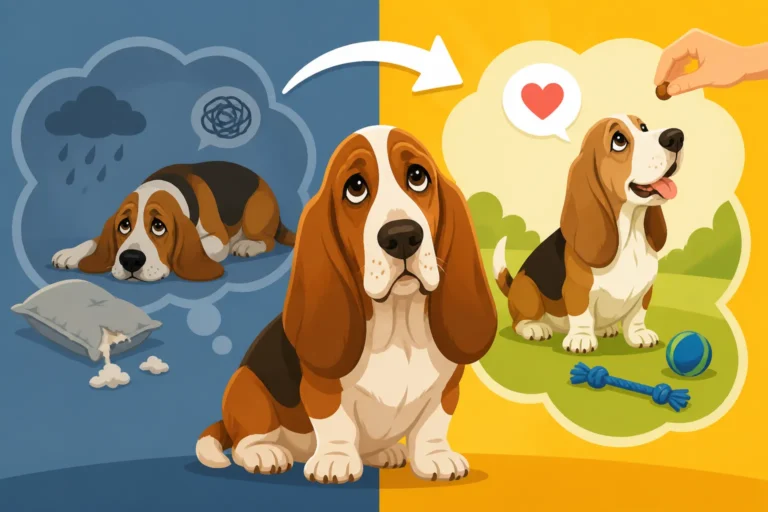
By adopting short, highly rewarding training methods, you transform the entire learning experience from a potential struggle into a joyful, bonding activity. Gone are the days of endless repetition met with bored sighs. Instead, you'll witness enthusiastic engagement and a genuine eagerness from your Basset Hound, knowing that these brief interactions are consistently positive and fruitful. This shift in approach drastically reduces frustration for both of you, making you more likely to train consistently and your Basset more likely to participate with gusto.
This positive feedback loop strengthens your relationship, building trust and mutual understanding. A dog that feels successful and understood is a more confident and harmonious companion. You're not just teaching commands; you're nurturing a happy, engaged dog who truly enjoys spending time and working with you. This profound connection is one of the greatest rewards of Basset Hound ownership, often overshadowing the monetary investment, which can include What a Basset Hound Costs a Year to Keep.
Deepening the Bond and Enhancing Cooperation
Training done right, by tuning into your specific dog's needs, significantly deepens the bond you share. When your Basset Hound associates you with fun, exciting games, and incredibly delicious rewards, they are naturally more inclined to look to you for guidance and interaction. These frequent, positive, short bursts of engagement become powerful moments of connection, reinforcing that you are their benevolent leader and their most trusted friend.
It's not about achieving robotic obedience, which rarely suits a Basset Hound anyway. Instead, it's about fostering a relationship where they choose to cooperate with you because they enjoy the interaction and the rewards it brings. This respectful approach leads to a more harmonious household and a Basset Hound who is a true pleasure to live with, even with all their unique quirks. Their willingness to engage, even if only for a few minutes at a time, is a testament to the strength of this bond.
Disclaimer
This article is for general informational purposes only and does not constitute professional advice. Laws, prices and regulations vary by location and change over time. Consult a qualified professional for guidance on your specific situation.