Whether a Basset Hound’s Nose Is Second Only to a Bloodhound
It’s a question many Basset Hound owners, or those just admiring their distinct profile, often ponder: just how powerful is that incredible nose? You see your Basset with its nose glued to the ground, pulling you along a scent trail unseen to your human eyes, and you can’t help but wonder if their sense of smell truly is second only to the legendary Bloodhound. This guide is here to unravel the mysteries of the Basset Hound’s extraordinary olfactory system, exploring its capabilities, how its unique anatomy plays a crucial role, and what this all means for you as an owner.
The Legendary Olfactory Prowess of the Basset Hound
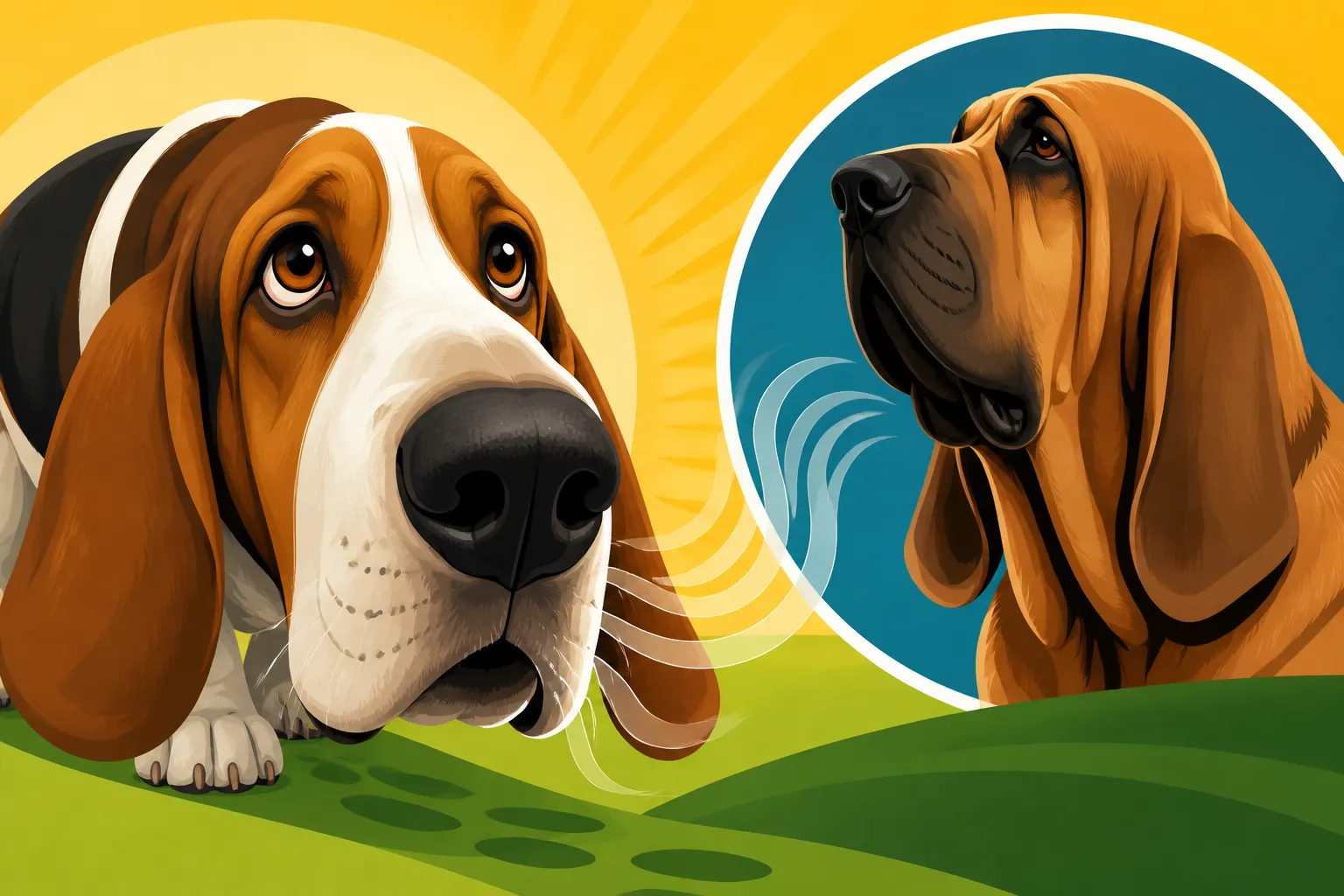
Let's cut right to the chase: the Basset Hound's nose is a marvel of nature, truly one of the most remarkable scenting machines in the canine world. When people ask if it's "second only to a Bloodhound," they're tapping into a very real truth about this breed. While it's always tricky to definitively rank breeds by scenting ability (there are so many variables!), the Basset Hound consistently ranks at the very top, right alongside its longer-legged cousins. Their noses are not just good; they're designed for trailing, built for the singular purpose of following a scent, no matter how faint or old.
Just How Good Is That Nose, Really?
Imagine a world where every single molecule of scent tells a story. That's the world your Basset Hound lives in. Their nasal cavity is packed with an astonishing number of olfactory receptor cells – far more than most other breeds, though perhaps not quite as many as a Bloodhound. These specialized cells allow them to detect, differentiate, and follow incredibly subtle scent trails that would be completely invisible to other dogs, let alone us humans. They can even discern individual human scent, animal scent, and the nuanced layers of odor left by anything that has passed.
What truly sets a Basset's nose apart, beyond just the sheer number of receptors, is their persistence. They are bred to trail, not just to detect. This means they are designed to follow a cold trail for long distances, sometimes over difficult terrain, never giving up. Think of it like a detective meticulously gathering every tiny piece of evidence to piece together a complex puzzle. Your Basset isn't just sniffing; they are processing, analyzing, and committing to memory every twist and turn of a scent journey. This intense focus on scent is why they might seem to "go deaf" when they catch a really good whiff – their entire being becomes dedicated to that one sensory input. They're not being stubborn, they're simply performing the task they were bred for with unparalleled dedication. It's a fundamental part of How Good a Basset Hound's Nose Actually Is.
Anatomy's Role in Scent Detection
It's not just the internal workings of their nose that make the Basset Hound such a scenting superstar; their entire physical conformation is a testament to natural selection optimizing for olfactory brilliance. Every droop, wrinkle, and short leg serves a purpose in enhancing their ability to trail.
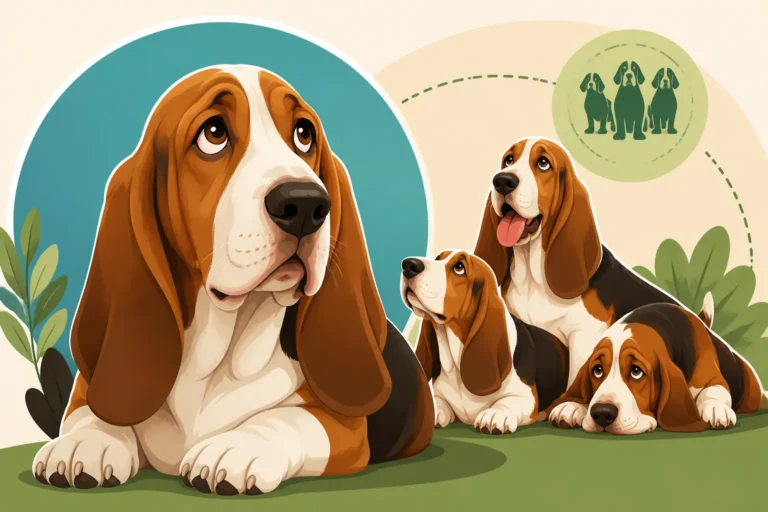
First, let's talk about those magnificent ears. You know, the ones that nearly drag on the ground? Those aren't just for show. Whether a Basset Hound's Ears Sweep Scent Upward is a common and insightful observation. As a Basset Hounds ambles along, head down, those long, heavy ears actually sweep the ground, stirring up scent molecules from the disturbed earth or foliage and directing them directly towards their nose. It's like having built-in scent locators, ensuring that no potential trace goes undetected. This unique feature helps create a small, concentrated pocket of scent around their face, maximizing their detection capabilities.
Then there's the dewlap, that impressive fold of loose skin under their chin. This isn't just for looking regal; it too plays a vital role. Whether a Basset Hound's Dewlap Holds Scent is another excellent question. Just like their ears, the dewlap can trap scent particles, holding them closer to the nose and creating a sustained scent picture. This allows the Basset to continuously sample the air around its muzzle, building a richer, more detailed map of the trail. Coupled with the general loose skin around their face and neck, which can also Whether a Basset Hound's Loose Skin Traps Scent, they essentially become a mobile scent collection device.
And of course, their most defining feature: those short, stout legs. They are literally built to keep their noses as close to the ground as possible. A Basset Hound naturally trails with its nose almost perpetually on the ground, minimizing the dissipation of scent particles into the higher air currents. This low-to-the-ground posture ensures they are always in the optimal position to Whether a Basset Hound Trails With Its Nose on the Ground, giving them direct access to the freshest and most concentrated scent available. It's an elegant design, perfectly adapted for their original purpose as slow, methodical trailing hounds.
Navigating the World with a Scent-Driven Hound
Living with a Basset Hound means understanding that their world is primarily experienced through their nose. This isn't a fault; it's their superpower, but it does come with a few unique challenges and incredible opportunities for enrichment. You can't simply ignore this fundamental aspect of their being; you have to learn to work with it.
The "Deaf on Scent" Phenomenon
Every Basset owner knows the feeling. One moment your hound is plodding along, seemingly attentive, and the next, their nose hits a jackpot scent, and they transform. Their head goes down, tail begins to wag, and they become utterly oblivious to your existence. This isn't deliberate defiance; it's a deep-seated instinct taking over. Why a Basset Hound Stops Hearing You When It Smells Something isn't because they're being stubborn, but because their brain has shifted into "trailing mode." The allure of the scent trail, the ancient call of the hunt, is so overwhelmingly powerful that all other sensory input fades into the background.
This profound focus on scent is a double-edged sword. It's what makes them incredible trackers, but it also means that a reliable recall, especially when a compelling scent is present, can be a monumental challenge. I've heard countless stories of Bassets disappearing into the undergrowth, following an invisible trail, completely ignoring frantic calls. This is why the advice Whether a Basset Hound Should Ever Be Off Leash often leans towards a firm "no" unless you're in a secure, fenced area. Their instinct to follow a scent is stronger than almost any training command, especially if they haven't been meticulously proofed in highly distracting environments. Even a long line, while helpful, can be a major challenge to manage when they're truly on a hot scent.
Channeling the Scent Drive Positively
Instead of fighting their natural inclination, smart Basset owners learn to embrace and channel it. This powerful scent drive can be a fantastic source of mental and physical enrichment, turning a potential nuisance into a joyful activity for both of you. Scent work, tracking, and nose games are not just "fun extras" for a Basset; they are fundamental to their well-being and happiness.
Consider investing in tools and training that harness this instinct. Companies like BAXTER & Bella offer online puppy and dog training programs that include guidance on engaging a dog's natural instincts, which can be adapted for scent work. They emphasize positive reinforcement methods that work wonders with hounds. Think about joining a local tracking club or exploring K9 Nose Work classes. These activities allow your Basset to use their incredible nose in a structured, safe, and immensely rewarding way. Seeing their joy as they successfully "find" a hidden treat or follow a laid trail is truly something special.
Even at home, you can incorporate simple scent games. Snuffle mats, puzzle toys that require sniffing out hidden treats, or simply scattering their kibble around the yard (a practice sometimes called "scatter feeding") can provide immense mental stimulation. These types of activities allow your Basset to engage their primary sense, tire their brain, and fulfill that deep-seated need to work their nose. Many excellent snuffle mats and puzzle toys can be found on Amazon, offering a convenient way to bring scent enrichment right into your home. This approach to Giving a Basset Hound's Nose Something to Do is crucial for a well-adjusted, content Basset.
Practical Considerations for Basset Hound Owners
Understanding your Basset Hound's extraordinary sense of smell isn't just academic; it has very real, practical implications for their daily care, training, and safety. Ignoring this fundamental aspect of their breed can lead to frustration for both you and your hound.
Safety Measures for the Wandering Nose
Because a Basset Hound's nose is so dominant, safety measures are paramount. An open gate or a loose leash is an invitation for your Basset to embark on an epic scent adventure, often with little regard for cars, property lines, or your desperate pleas.
Secure Fencing is Non-Negotiable: If you have a yard, it absolutely needs to be securely fenced. We’re not talking about a decorative picket fence here. Bassets are surprisingly agile when motivated by scent, and they can be persistent diggers if they believe there’s something exciting on the other side. A solid fence that’s at least four to five feet high, and ideally has a deterrent along the bottom to prevent digging, is essential. Remember, How High a Fence a Basset Hound Needs is often higher than you might initially think, and they can be crafty escapists.
Leash Discipline is Critical: On walks, a leash isn't optional; it's a lifeline. Even if you've done extensive recall training, the primal urge to follow a scent can override everything. A well-fitting harness (rather than just a collar, which they can sometimes slip out of, especially if they pull hard) and a sturdy leash are your best friends. Consider using a longer training lead in very safe, open areas, but never assume you can trust a Basset off-leash in an unfenced environment.
Tracking Devices for Peace of Mind: Given their tendency to follow their nose to distant lands, many Basset owners find immense value in GPS tracking collars. These devices can give you incredible peace of mind, allowing you to locate your hound quickly if they manage to slip away. There are numerous reputable brands available on Amazon that integrate GPS tracking with collar attachments, making it easier to keep tabs on your curious canine. While it's no substitute for proper containment and training, it's a valuable layer of security. Whether a Basset Hound Needs a Tracking Collar is a question many owners answer with a resounding yes, especially those who live near busy roads or open spaces.
Training for a Nose-First Dog
Training a Basset Hound requires patience, understanding, and a willingness to work with their instincts rather than against them. It’s not about breaking their spirit or suppressing their scent drive, but about redirecting it and teaching them appropriate behaviors within a human household.
Motivation is Key (and it’s usually food!): Basset Hounds are often described as stubborn, but it's more accurate to say they are highly motivated by what they find interesting. And what they find most interesting, besides a good scent trail, is usually food! High-value treats are your secret weapon when training a Basset. While praise is nice, a tasty morsel often speaks volumes louder. What Actually Motivates a Basset Hound is almost universally a high-value food reward, especially when competing with fascinating outdoor scents. This isn't a sign of unintelligence; it's simply their hierarchy of rewards.
Embrace Scent Work in Training: Integrate scent work into your daily training routine. Instead of just drilling "sit" and "stay," turn it into a game. Hide treats around the house and give them a "find it" cue. This reinforces their natural abilities while teaching them to listen to you. You can even use this during walks. If they get too engrossed in a scent, try tossing a high-value treat a few feet ahead of you and giving a "find it" command. This can sometimes break their focus on the old trail and re-engage them with you.
Start Early and Be Consistent: Like all dogs, early socialization and consistent training from puppyhood are crucial. While their scent drive will always be powerful, teaching them basic commands and good manners from a young age can make a huge difference. Using online resources, such as the comprehensive guides and support offered by BAXTER & Bella, can provide structure and help you navigate the unique challenges of training a scent hound. They can help you understand how to build a strong foundation of positive reinforcement that respects your Basset’s unique personality. It’s about building a partnership, understanding that you have a dog with extraordinary gifts, and learning how to live harmoniously with those gifts. If you find yourself wondering Whether a Basset Hound Is Stubborn or Just Not Interested, remember it’s usually the latter – they simply haven’t found your offer as compelling as the scent they’re working on!
Disclaimer
This article is for general informational purposes only and does not constitute professional advice. Laws, prices and regulations vary by location and change over time. Consult a qualified professional for guidance on your specific situation.