Whether a Basset Hound Should Jump in Sport
It’s a common misconception that all dogs are built for every kind of sport, especially as we see so many active breeds tearing through agility courses or leaping for Frisbees. If you've ever watched a Basset Hound waddle by, though, a little voice in the back of your head probably questions whether they should be launching themselves over hurdles. The truth is, while we all want our furry companions to be active and engaged, a Basset Hound's unique physique makes high-impact activities, particularly jumping in sport, a significant risk. This guide will delve into why certain sports are unsuitable for Basset Hounds and explore safe, enjoyable alternatives to keep them happy and healthy.
Understanding the Basset Hound's Unique Anatomy
Let's be honest, a Basset Hound isn't exactly built like a gazelle. Their charm lies in their low-slung, substantial bodies, those magnificent long ears, and their deeply soulful eyes. But these very characteristics, especially their distinctive skeletal structure, are precisely what make certain physical endeavors, like competitive jumping, potentially dangerous. Understanding their build is the first step in ensuring their long-term well-being.
The Long Back and Short Legs
Imagine a sleek, athletic dog like a Border Collie, designed for speed and agile turns. Now, picture your Basset Hound. The contrast is stark. Basset Hounds possess a remarkably long spine in relation to their short, stout legs. This distinctive, almost disproportionate, body length is a hallmark of the breed, but it's also their Achilles' heel when it comes to activities involving vertical impact. Every time a Basset Hound jumps, lands, or even takes a hard bump, that long spine acts like a lever, creating considerable stress points.
This anatomical configuration means their back isn't designed to absorb the shock and torsion that comes with repeated jumping. Think about it: if you take a long, flexible stick and try to bend it repeatedly or snap it, you'll find it's far more prone to breaking than a shorter, thicker one. Their vertebrae, the individual bones making up the spine, are under constant strain just by supporting their own body weight, let alone the added forces of jumping. This natural predisposition to spinal stress is a major reason why jumping sports are simply not aligned with their physical blueprint.
Heavy Bone Structure
Beyond the length of their backs, Basset Hounds also possess an incredibly dense and heavy bone structure. While this contributes to their sturdy, grounded presence, it also means they carry a lot of weight low to the ground. This isn't a breed built for lightness or quick, springy movements. Their weight, combined with those short legs, significantly increases the impact forces on their joints and spine every time they leave the ground and land.
Consider the physics for a moment: a heavier object falling from even a modest height generates more force upon impact than a lighter object. For a Basset Hound, this means that even a small jump can exert considerable pressure on their elbows, shoulders, and, critically, their spine. Their strong, thick bones are excellent for enduring long treks across varied terrain, following a scent trail with unwavering determination – the purpose they were originally bred for. They are designed for endurance, not explosive vertical movement. Forcing them into activities that demand repetitive jumping would be akin to asking a powerlifter to compete in a high-jump event; it's simply not what their body is optimized for, and it carries substantial risk of injury.
The Risks of High-Impact Activities for Basset Hounds
The unique physical traits of a Basset Hound aren't just cosmetic; they carry significant implications for their health, particularly when it comes to activities that involve high impact or excessive strain on their joints and spine. Ignoring these anatomical realities can lead to painful, chronic, and often expensive health issues that severely impact their quality of life.
Intervertebral Disc Disease IVDD
This is, without a doubt, one of the most significant concerns for Basset Hound owners when discussing jumping or high-impact activities. Intervertebral Disc Disease (IVDD) is a degenerative condition where the cushioning discs between the vertebrae of the spine harden and bulge or rupture, pressing on the spinal cord. This can cause immense pain, nerve damage, and in severe cases, partial or complete paralysis. The long, heavy back of a Basset Hound makes them inherently predisposed to IVDD.
Every jump, every sudden twist, every hard landing puts stress on these vulnerable discs. Imagine slamming your hand in a door repeatedly; eventually, something is going to give. For a Basset Hound, that "slam" can be a seemingly innocent leap off the sofa or a misjudged jump over a low obstacle. The cumulative effect of these small impacts over time, or even a single traumatic jump, can trigger an IVDD episode. Recovery can range from strict crate rest and medication to complex, expensive surgery, and even then, full recovery is not always guaranteed. Many dogs require extensive physical therapy or live with permanent neurological deficits. It's a truly heartbreaking condition to witness, and for a breed already at risk, actively participating in jumping sports is essentially inviting trouble. Intervertebral Disc Disease in a Basset Hound is a deep dive into this challenging condition.
Joint Stress and Arthritis
Beyond the spine, a Basset Hound's joints are also highly susceptible to damage from repetitive impact. Their short, heavy legs bear a substantial load, and the angles of their joints—particularly their elbows, shoulders, and hips—are not designed for the repeated shock absorption required by jumping. Over time, this constant stress can accelerate the wear and tear on cartilage, leading to conditions like osteoarthritis.
Arthritis in a Basset Hound, especially at a relatively young age, can manifest as stiffness, lameness, reluctance to move, or visible pain after activity. Every time they land after a jump, the force of their body weight reverberates through their leg bones and into these critical joints. This can inflame existing conditions or create new ones, turning even simple daily movements into painful endeavors. While some joint problems are genetic, such as Elbow Dysplasia in a Basset Hound, external stressors like inappropriate exercise can significantly worsen or hasten their onset. By the time a Basset Hound reaches seven years old, Arthritis in a Basset Hound at Seven becomes a very real concern for many owners, and minimizing joint stress from a young age is key to mitigating its severity. It's far better to prevent this kind of wear and tear than to try and manage chronic pain later in life.
What 'Jumping in Sport' Even Means for a Basset Hound
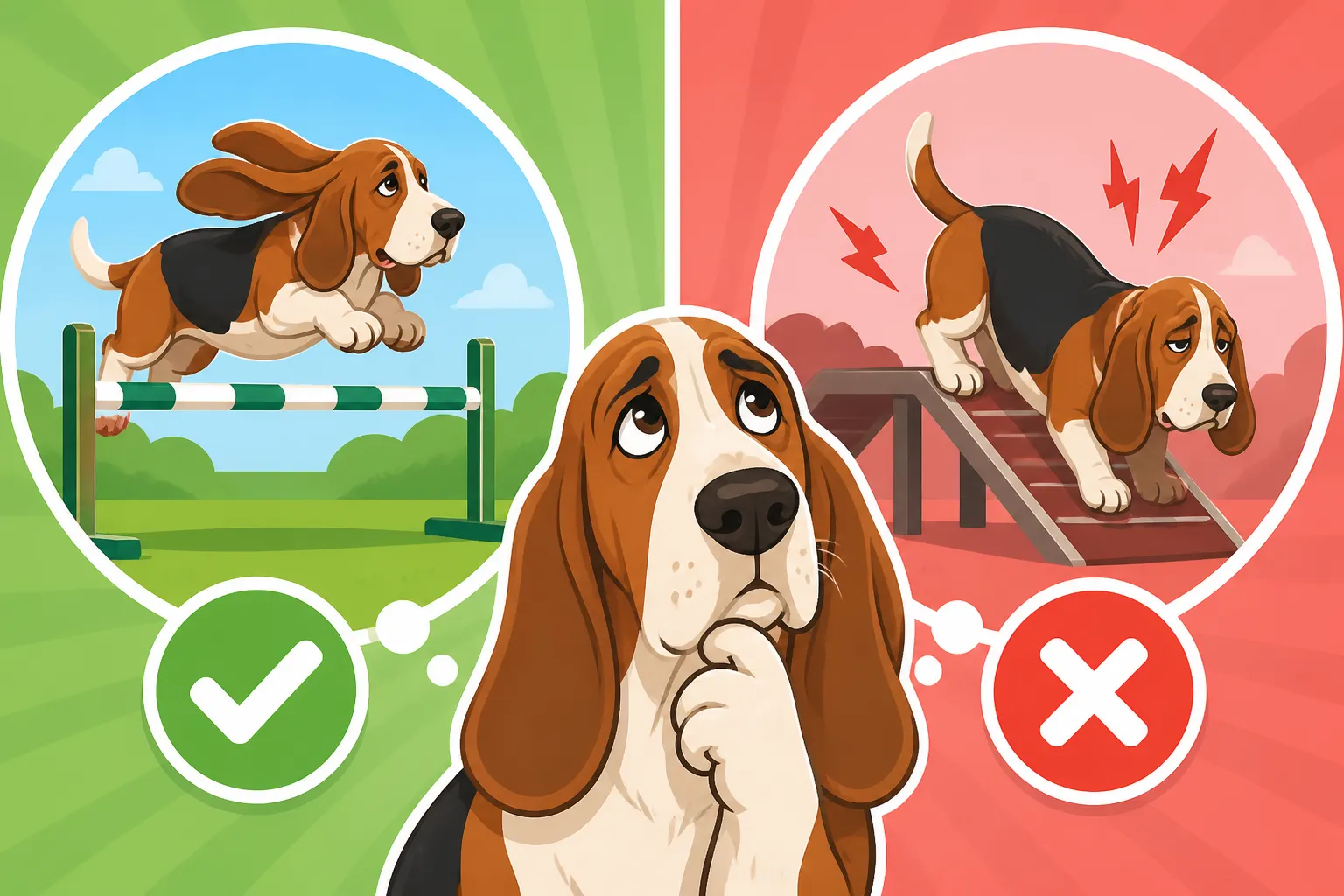
When we talk about "jumping in sport," it's easy to picture the high hurdles of an agility course or the vertical leaps of flyball. For a Basset Hound, however, these images should immediately trigger alarm bells. Their conformation is simply not suited for such activities without significant risk of injury. But that doesn't mean they can't participate in any sporting endeavors. It’s all about finding the right fit and making smart modifications.
Low-Impact Activities and Modifications
The good news is that "sport" encompasses a vast range of activities, many of which are perfectly safe and incredibly enjoyable for a Basset Hound. Their primary athletic gift is their phenomenal nose, and any sport that taps into this strength is a win-win. Nose work, for example, is an absolute triumph for Basset Hounds. This sport involves dogs using their sense of smell to locate specific target scents hidden in various environments. It's mentally stimulating, physically low-impact, and incredibly satisfying for a hound. There's no jumping, no high speeds, just pure, focused sniffing power. Whether a Basset Hound Takes to Scent Work is an excellent resource if you're curious about getting started.
Even traditional agility can be modified for Basset Hounds. Instead of high jumps, they can navigate tunnel runs, weave poles set low to the ground, or use contact obstacles (like A-frames or dog walks) that are set at the lowest possible height, or even replaced with ramps. The focus shifts from speed and verticality to thoughtful problem-solving and navigating a course. You might not be aiming for a national championship in traditional agility, but you can certainly enjoy a version of it that keeps your Basset Hound moving and mentally sharp. Some dog training platforms, like BAXTER & Bella, offer online guidance for foundation skills that can be adapted for low-impact versions of many dog sports, focusing on positive reinforcement and safety. Remember, the goal is enrichment, not injury.
Prioritizing Safety and Enjoyment
Ultimately, the decision of whether a Basset Hound should participate in any specific activity, especially those that might involve even minimal jumping, must always put their safety and long-term enjoyment first. Before embarking on any new sport, it's crucial to have a thorough discussion with your veterinarian. They can assess your individual dog's health, discuss any predispositions, and offer tailored advice. What might be okay for one Basset Hound with excellent muscle tone and no underlying joint issues, might be entirely unsuitable for another.
Observe your dog closely during and after any activity. Are they showing signs of discomfort, stiffness, or reluctance to move? Are they happy and engaged, or are they pushing themselves because they want to please you? A happy Basset Hound is often a food-motivated Basset Hound, so they might try to do things that aren't good for them if there's a tasty reward involved. Always be the responsible advocate for their physical limits. Training methods that prioritize positive reinforcement and gradual progression, which you can often learn from resources found on platforms like BAXTER & Bella, are essential to ensure your dog understands the activity without feeling pressured to overexert themselves. We want our Basset Hounds to live long, comfortable lives, and that means making wise choices about their physical exertion. Whether a Basset Hound Should Jump in Sport is a clear 'no' for traditional high-impact activities, but a resounding 'yes' for modified, low-impact fun!
Supporting Your Basset Hound's Mobility and Health
Given their unique build and susceptibility to certain health issues, actively supporting your Basset Hound's mobility and overall health isn't just a good idea—it's absolutely essential. It involves a holistic approach, from what they eat to how they navigate their home. These proactive steps can make a world of difference in preventing injury and ensuring a comfortable, active life.
Weight Management
One of the single most impactful things you can do for your Basset Hound's long-term joint and spinal health is to maintain them at a healthy weight. Every extra pound your Basset Hound carries places additional strain on their already vulnerable back and joints. Imagine wearing a heavy backpack all day, every day; it takes a toll. For a Basset Hound, even a few extra pounds can dramatically increase the risk of IVDD and accelerate the onset and severity of arthritis. What Extra Weight Does to a Basset Hound is a critical read for any Basset owner concerned about their dog's well-being.
Establishing a consistent feeding schedule with high-quality, appropriate portions is vital. Avoid free-feeding, as Basset Hounds are notorious for their love of food and will often overeat if given the opportunity. Regular weigh-ins and body condition scoring can help you stay on track. If you're struggling to get weight off a Basset Hound that seems to live for food and isn't keen on vigorous exercise, talk to your vet about specific dietary needs and how to incorporate gentle, consistent activity without overdoing it. Sometimes, simply swapping out high-calorie treats for crunchy vegetables or investing in a slow-feeder bowl (easily found on Amazon) can make a huge difference in managing calorie intake and promoting satiety.
Environmental Modifications
Your home environment plays a massive role in protecting your Basset Hound's delicate spine and joints. One of the biggest culprits for Basset Hound injuries is jumping on and off furniture. That leap from the sofa or bed, which might seem small to us, is a significant impact event for their long back. This is where strategic environmental modifications become invaluable.
Ramps and pet steps are absolute game-changers. Place ramps or sturdy steps leading up to beds, sofas, and even into cars. This allows your Basset Hound to easily access their favorite spots without any dangerous jumping. You can find a wide variety of durable and well-designed ramps and steps on platforms like Amazon, offering different heights and materials to suit your home and your dog's size. The Ramps, Beds and Gates a Basset Hound Needs covers this topic in detail. Think about preventing access to stairs if your Basset Hound is prone to rushing up or down them, especially as they get older; baby gates can be very effective here. Also, consider orthopedic beds. These provide superior support for their heavy bodies and help cushion their joints while they rest, further reducing strain. Making these small adjustments now can prevent huge vet bills and immense pain down the line.
Regular Veterinary Care
A proactive approach to veterinary care is indispensable for Basset Hounds. Regular check-ups are not just about vaccinations; they are an opportunity for your vet to monitor your dog's weight, assess their gait, palpate their spine and joints, and catch any potential issues early. Early detection of conditions like IVDD or arthritis can mean less invasive and more effective treatment options.
Don't hesitate to discuss your Basset Hound's activity levels and any concerns you have about their mobility with your vet. They can provide guidance on appropriate exercise, recommend joint supplements if necessary, and help you recognize the subtle signs of pain or discomfort your Basset Hound might be trying to hide. For instance, sometimes a reluctance to walk as far as usual or a slight change in how they get up after a nap could be early indicators of a problem. Your vet is your best partner in ensuring your Basset Hound enjoys a long, healthy, and pain-free life, especially given the breed's predispositions.
Comparing Suitable and Unsuitable Activities for Basset Hounds
To summarize, not all activities are created equal for our beloved Basset Hounds. It's about working with their unique physical attributes, not against them. Here's a quick overview of what to embrace and what to approach with extreme caution or avoid entirely:
| Activity Type | Description | Suitability for Basset Hounds | Reason |
|---|---|---|---|
| Scent Work/Nose Work | Dogs use their superior sense of smell to locate hidden scents. | Highly Suitable | Low impact, mentally stimulating, harnesses natural instinct, no jumping required. |
| Tracking | Following a ground-laid scent trail. | Highly Suitable | Low impact, slow pace, perfect for their nose, promotes focus and endurance. |
| Walks (Leashed) | Regular, moderate-length walks on varied terrain (grass, dirt paths). | Highly Suitable | Good exercise, mental stimulation, builds stamina without excessive impact. |
| Swimming | Gentle swimming in a controlled environment (with life vest). | Suitable (with caution) | Excellent low-impact cardio, but ensure safe entry/exit and monitor for ear infections. Whether a Basset Hound Sinks |
| Modified Agility | Agility courses with all jumps removed or replaced with ramps/low obstacles. | Suitable (with caution) | Mentally engaging, can be fun if adapted; absolute avoidance of height is crucial. |
| Hiking (Gentle) | Short, easy hikes on relatively flat trails. | Suitable (with caution) | Can be enjoyable, but avoid steep inclines, rocky terrain, or long distances that could strain joints. |
| Flyball | Relay race involving jumping hurdles to retrieve a ball from a box. | Highly Unsuitable | High-speed, repetitive jumping and sudden stops are extremely dangerous for their spine and joints. |
| Competitive Agility | Standard agility courses with hurdles, dog walks, A-frames. | Highly Unsuitable | Involves significant jumping and high-impact maneuvers, posing severe risk of IVDD and joint injury. |
| High Jumping/Dock Diving | Activities focused purely on vertical or horizontal leaps. | Highly Unsuitable | Explicitly involves high-impact jumping, which is devastating to their spinal and joint health. |
| Rough Play (with other dogs/children) | Uncontrolled running, jumping, twisting with high impact. | Unsuitable (with caution) | Can lead to accidental injury; supervise closely and ensure play is gentle. |
This table serves as a general guide. Always consult with your veterinarian for advice tailored to your individual Basset Hound's health status and capabilities.
Disclaimer
This article is for general informational purposes only and does not constitute professional advice. Laws, prices and regulations vary by location and change over time. Consult a qualified professional for guidance on your specific situation.