Whether a Basset Hound Makes a Therapy Dog
It’s a common dream for many Basset Hound owners: you look at your sweet, gentle, laid-back hound snoozing on the sofa and think, "Surely, you’d make an amazing therapy dog!" You envision them bringing smiles to hospital patients, comfort to stressed students, or joy to nursing home residents. While the Basset Hound's inherently calm and affectionate nature makes them seem like a natural fit, the path to becoming a certified therapy dog is more nuanced than simply having a friendly pup. This guide will explore whether a Basset Hound has what it takes, what specific traits make them suitable (or not), and the dedicated training and commitment required to achieve this rewarding goal.
Understanding What a Therapy Dog Actually Does (and Doesn't Do)
Before we even begin to assess our long-eared companions, it's crucial to understand what the role of a therapy dog truly entails. It's much more than just being cute and cuddly. Therapy dogs work in a variety of settings, interacting with people of all ages and conditions, often in unfamiliar and sometimes stressful environments. They provide comfort, affection, and emotional support to individuals, helping to reduce anxiety, improve mood, and facilitate rehabilitation.
More Than Just a Friendly Face: The Core Requirements
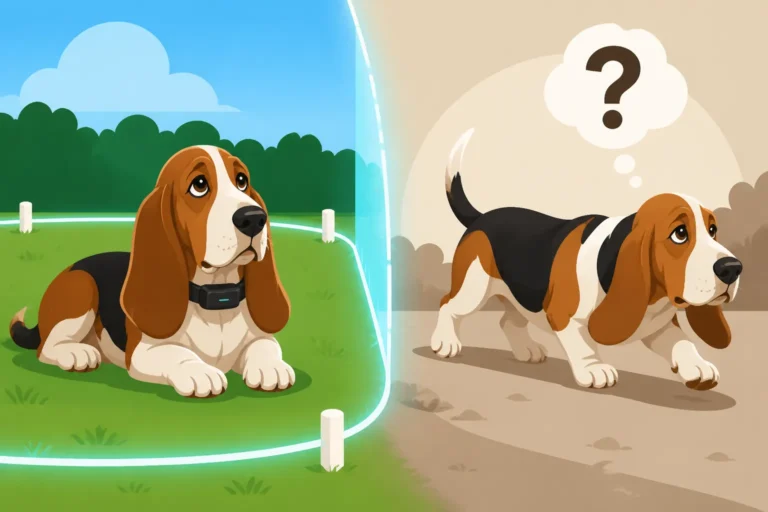
A successful therapy dog needs a very specific set of skills and a robust temperament. They must be incredibly stable, predictable, and resilient. Imagine your Basset in a bustling hospital corridor with alarms sounding, strange equipment rolling by, and different smells competing for attention. Could they maintain their composure, or would their powerful nose take over, or their typical Basset stubbornness kick in? Therapy dogs need to ignore distractions, remain focused on their handler, and be willing to engage with strangers in a gentle, appropriate manner. They must tolerate awkward petting, sudden movements, loud noises, and even tears, all without showing any signs of stress, fear, or aggression. They are ambassadors, and their behavior directly impacts the perception of all therapy animals.
The Difference Between Therapy, Service, and Emotional Support Dogs
This is a really important distinction that often gets muddled, and it's essential for anyone considering therapy work. A therapy dog is a pet that, with its owner, volunteers in settings like hospitals, schools, and nursing homes to provide comfort and affection. They do not have public access rights beyond the specific facilities they are invited into. They must pass a certification test, typically through organizations like Therapy Dogs International or Pet Partners, which assesses their temperament, obedience, and handler control.
Service dogs, on the other hand, are highly trained to perform specific tasks directly related to an individual's disability. Think guide dogs for the blind, hearing dogs for the deaf, or mobility assistance dogs. They have extensive public access rights under the Americans with Disabilities Act (ADA) and are legally permitted to accompany their handler almost anywhere.
Lastly, emotional support dogs (ESAs) provide comfort simply through their presence to individuals with a mental health disability, as prescribed by a licensed mental health professional. ESAs do not require specialized training beyond being well-behaved house pets and do not have public access rights, though they may have housing and travel accommodations under different laws. Your Basset Hound's natural comforting presence might make them an excellent ESA for you, but that's a different role entirely from a therapy dog working with many different people.
The Basset Hound Temperament: A Deep Dive into Suitability
Now that we know what a therapy dog does, let's look at the classic Basset Hound personality. There are definitely traits that lend themselves well to therapy work, but also some unique challenges to consider. It’s not about whether your Basset can be trained, but whether their inherent nature aligns with the demands of the role.
Basset Charm: Affectionate and Gentle Nature
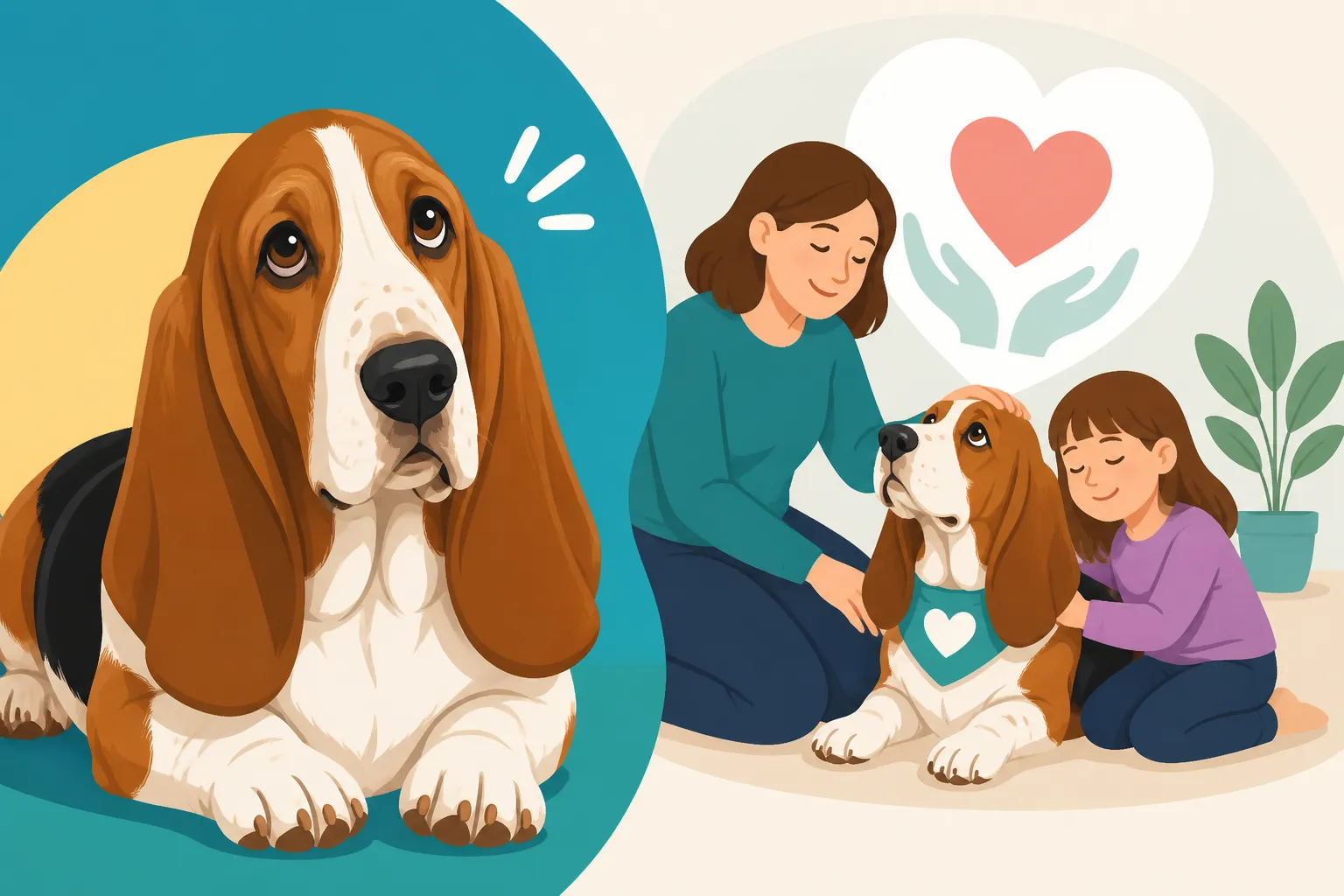
Without a doubt, one of the Basset Hound's most endearing qualities is their sweet, gentle, and utterly affectionate disposition. They tend to be incredibly patient, especially with children and the elderly, which is a massive plus for therapy work. Their low-slung bodies and soulful eyes are instantly disarming, and their soft, floppy ears practically beg for a gentle stroke. A well-socialized Basset will often greet strangers with a happy, rumbling tail wag and a lean into their legs, which can be incredibly comforting. They are generally not prone to aggression, making them a safe choice for interactions with vulnerable populations. Their calm demeanor, even in the face of unfamiliar sounds or smells, is often a huge asset. Think of a patient feeling anxious and your Basset simply resting their head on their lap, radiating quiet warmth. A Basset Hound in a House With Children demonstrates this gentle nature beautifully.
The Basset's Independent Streak and Scent Drive
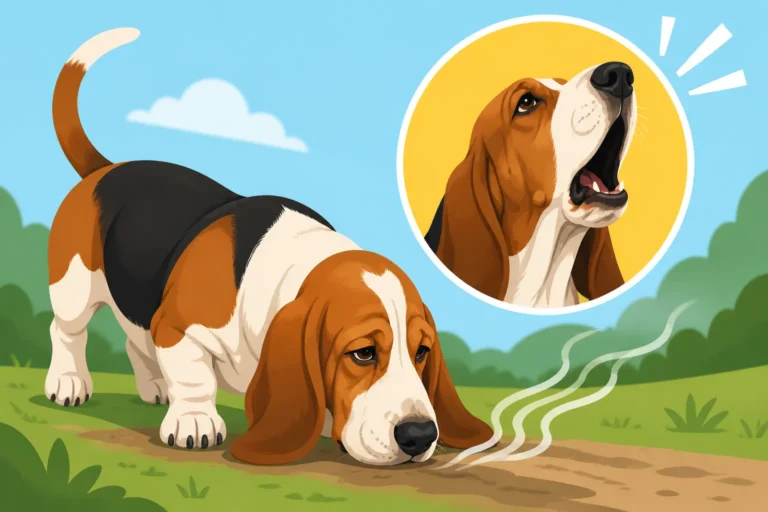
Here's where things get a bit more challenging. Basset Hounds are scent hounds, through and through. Their entire being is wired to follow a trail, and once that magnificent nose hits a scent, the rest of the world often ceases to exist. This intense Why a Basset Hound Stops Hearing You When It Smells Something can be a significant hurdle in a therapy environment. Imagine visiting a nursing home, and your Basset suddenly catches an intriguing whiff from the kitchen, or perhaps an interesting scent left by another animal. That focused determination to follow the trail can override even the most diligent training, leading to your Basset becoming "selectively deaf" and difficult to redirect. This isn't stubbornness in a malicious way, but rather an instinctual drive that is incredibly powerful. You might find yourself wondering Whether a Basset Hound Is Stubborn or Just Not Interested when they become fixated on a smell rather than the person they're meant to be comforting. Training must be incredibly strong to manage this.
Patience, Noise, and Unpredictable Environments
Therapy settings are rarely perfectly quiet or predictable. Hospitals have beeping machines, sudden announcements, and staff rushing by. Schools have excited children, dropped books, and playground noise filtering in. Nursing homes might have residents with dementia who make unexpected sounds or movements. A therapy dog must be able to take all of this in stride. While Bassets are generally calm, their deep bays can be startling if they feel compelled to vocalize, for instance, if they hear another dog outside or a distant siren. The Bay a Basset Hound Uses and the Neighbors Hear can be a significant issue if not managed. While a Basset might be unfazed by a fire alarm in the home, reacting with a full-throated bay in a quiet hospital ward would be highly disruptive. They also need to be patient with long periods of sitting or lying down, sometimes with multiple people petting them at once, which can be tiring even for a calm dog.
Training and Preparation for Therapy Work with a Basset Hound
If you're still feeling that spark of hope for your Basset to be a therapy dog, excellent! It means you're willing to put in the work. The good news is that while Bassets have their quirks, they are highly trainable with the right approach and motivation. It just takes more consistency and patience than with some other breeds.
Foundation Obedience and Socialization are Key
The absolute bedrock of any therapy dog candidacy is impeccable basic obedience and extensive socialization. Your Basset needs to reliably respond to commands like sit, stay, down, come, and leave it, even with distractions. This isn't just about showing off; it's about safety and control in diverse environments. A "leave it" command is paramount for ignoring dropped medication, appealing food scraps, or even a curious sniff of a stranger's belongings. Socialization needs to go far beyond simply meeting other dogs. Your Basset needs to be comfortable with people of all ages, sizes, ethnicities, and with different gaits, voices, and assistive devices (wheelchairs, walkers, oxygen tanks). Consider enrolling in group classes that expose your dog to novel situations and sounds. Online training platforms like BAXTER & Bella can be a great starting point for foundational obedience, allowing you to work at your own pace and build a strong relationship with positive reinforcement.
Desensitization to Novelty and Distractions
This is where you simulate the therapy environment. Walk your Basset past wheelchairs, have friends wear hats or use crutches, play recordings of hospital sounds quietly at first, then louder. Practice ignoring food on the ground. Teach your Basset to settle calmly on a mat or bed amidst mild chaos. Use high-value treats and praise to reinforce desired behavior. Remember, What Actually Motivates a Basset Hound is often food, so leverage that to your advantage! Consistency is key. Every walk, every interaction, is an opportunity to reinforce calm, attentive behavior. A long line, available on Amazon, can be an excellent tool for practicing recall and "leave it" in a safe, controlled outdoor environment where distractions are plentiful but you still maintain control.
Finding the Right Therapy Dog Program
Once you feel your Basset has a solid foundation, research therapy dog organizations in your area. They will have specific requirements for temperament tests, obedience skills, and handler education. Most programs require your dog to be at least one year old and up-to-date on vaccinations. The testing process typically involves evaluating your dog's reaction to strangers, loud noises, unexpected objects, and how well they respond to your commands. They'll also assess your ability to control and advocate for your dog. Don't be discouraged if you don't pass on the first try; it simply highlights areas for more practice. It's an important step in ensuring both your dog's safety and the safety and comfort of the people they will visit.
Real-World Scenarios and Considerations
So, you've decided to pursue therapy dog certification with your Basset. What can you expect, and what unique challenges might you encounter with this wonderful breed? It's about being prepared for the realities of the job.
Visits to Hospitals, Nursing Homes, and Schools
Imagine walking into a hospital. The floors are often shiny and can be slippery for a Basset's short legs, potentially making them uncomfortable or unsteady. Whether a Basset Hound Should Use a Ramp at home and in the car is good preparation for careful movement in such environments. Your Basset’s long ears, while endearing, can easily drag in dirty areas or get stepped on, so Whether a Basset Hound Needs a Snood at Dinner is often a practical question for clean eating, and the same principle applies in therapy settings where maintaining hygiene is crucial. You'll need to be hyper-aware of your Basset's ears and body language to ensure they aren't stressed or in discomfort. During visits, you'll be constantly monitoring both your dog and the people they interact with. Their incredible sense of smell will be working overtime, and you’ll need to redirect their focus to the people, perhaps with a gentle touch or a quiet, positive cue, rather than allowing them to investigate every interesting new scent.
Managing the Basset Hound's Unique Physical Traits
Beyond the scent drive and ears, Bassets have other physical considerations. They are surprisingly heavy for their height, and their long backs can be susceptible to issues like Intervertebral Disc Disease (IVDD). This means you need to be very careful about how they interact with people, especially those who might accidentally pull on them or try to lift them incorrectly. Always supervise closely. Their tendency to The Basset Hound That Will Not Walk Any Further or sit down mid-walk needs to be considered for longer visits. If your Basset decides they're done, you might be carrying a hefty dog back to the car. Investing in a comfortable, supportive harness from Amazon is essential to prevent strain on their neck and back during walks to and from facilities, and for providing a good handle if you need to guide them gently.
The Emotional Toll on Your Basset Hound
This is perhaps the most overlooked aspect. While your Basset might seem perfectly happy, therapy work can be emotionally and physically draining for any dog, even the most calm and well-adjusted. They are constantly "on," performing, and interacting. It's your job to advocate for them. Watch for subtle signs of stress: lip licking, yawning, turning away, stiffness, or excessive panting. Know when to take a break or end a visit early. Your Basset isn't a robot. They need downtime, quiet, and positive reinforcement for their hard work. Ensure they have a comfortable, quiet space to decompress after visits, perhaps an orthopedic bed available on Amazon, where they can truly relax. Don't push them past their limits, as this can lead to burnout or a negative association with the work, making them less effective and less happy in the long run.
Ultimately, a Basset Hound can absolutely make a wonderful therapy dog, but it requires a dedicated owner who understands the breed's unique traits and is committed to rigorous, consistent training and ongoing advocacy for their dog. Their gentle nature and soulful eyes are a huge advantage, but their powerful nose and occasional independent streak mean you'll need to be extra diligent in managing distractions and ensuring their comfort and well-being. If you're willing to embrace the journey with patience and understanding, your Basset could bring immense joy and comfort to countless people.
| Basset Hound Trait | Therapy Dog Suitability | Considerations & Mitigation |
|---|---|---|
| Affectionate/Gentle | High | Excellent for comfort, rarely aggressive. |
| Patient/Calm | High | Good with diverse populations, tolerates handling. |
| Strong Scent Drive | Low/Moderate | Can be highly distracting; requires intense "leave it" training and handler focus. Whether a Basset Hound Can Be Called Off a Trail is crucial. |
| Independent Streak | Low/Moderate | May appear "stubborn" if not motivated; consistent, positive reinforcement is vital. Whether a Basset Hound Works for Food Only is often true. |
| Loud Bay | Low | Can startle in quiet settings; requires training for a "quiet" cue. |
| Short Stature | High | Less intimidating for some, easier for seated individuals to pet. |
| Long, Droopy Ears | Low | Prone to being stepped on or dragging; requires constant vigilance and hygiene. Whether a Basset Hound's Ears Drag Through Its Food applies to general dirt too. |
| Heavy Body/Long Back | Moderate | Risk of back injury; requires careful handling, no jumping, and awareness of physical limits. How to Lift a Basset Hound Safely is important for handlers. |
| Moderate Stamina | Moderate | Shorter visits might be preferable; may tire or "plant" if overworked. How Many Miles a Basset Hound Can Walk impacts visit length. |
Disclaimer
This article is for general informational purposes only and does not constitute professional advice. Laws, prices and regulations vary by location and change over time. Consult a qualified professional for guidance on your specific situation.