The Twice Weekly Ear Ritual a Basset Hound Owner Signs Up For
Oh, the joys and challenges of owning a Basset Hound! If you're new to the breed, or even if you're a seasoned Basset parent, you've probably already realized that those magnificent, soulful eyes and ridiculously long ears come with a very specific set of responsibilities. One of the biggest, and often most overlooked, is the commitment to a twice-weekly ear cleaning ritual. This isn't just a suggestion; it's a necessary part of keeping your beloved hound happy, healthy, and free from the discomfort of chronic ear infections. This guide is here to walk you through why it's so important, what you need, and how to make this routine a stress-free experience for both of you.
Understanding the Basset Hound Ear Challenge
When you first meet a Basset Hound, it's those long, velvety ears that often capture your heart. They hang so low, sometimes even dragging on the ground, and they add so much character to that famously mournful expression. But for all their charm, these ears are also the breed's Achilles' heel when it comes to health. Owners quickly learn that what makes them unique also makes them prone to persistent problems.
The Unique Basset Hound Anatomy
A Basset Hound's ears aren't just long; they're incredibly thick and heavy, often referred to as "leather." This unique structure creates a perfect storm for ear issues. Unlike dogs with prick or semi-prick ears that allow for good airflow, the Basset's pendulous ears seal off the ear canal, creating a warm, dark, and often moist environment. Think of it like a tiny, humid greenhouse right next to your dog's brain.
Furthermore, the actual ear canal inside is often narrower and more convoluted than in other breeds, making it difficult for natural debris and moisture to escape. This deep, winding path, coupled with the heavy ear flap, means that even a little bit of moisture or wax can quickly become a breeding ground for bacteria and yeast. It's a design that's fantastic for trapping scent to aid their incredible nose, but terrible for promoting ear hygiene.
The Environmental Factors at Play
It's not just genetics and anatomy; a Basset Hound's lifestyle also contributes to their ear woes. Their natural instinct is to keep their nose to the ground, sniffing out every interesting scent. This means their long ears are constantly sweeping the ground, picking up dirt, dust, pollen, seeds, and all sorts of other environmental debris. Imagine sweeping the floor with your ears!
This accumulated grime then gets pushed further into that already compromised ear canal, exacerbating the trapped moisture and lack of ventilation. A Basset who loves to explore muddy fields or has a penchant for splashing in puddles is particularly vulnerable. Even simply getting water in their ears during a bath can set off a chain reaction if not properly addressed, turning a minor inconvenience into a full-blown infection rapidly.
Why the "Twice Weekly" Ritual is Non-Negotiable
For many Basset Hound owners, the idea of cleaning ears twice a week might sound excessive, or even daunting. Other breeds might get away with monthly checks, but not our Basset pals. This isn't about being overly fastidious; it's about essential preventative medicine and maintaining your dog's comfort and quality of life. Skipping these crucial steps can lead to painful, chronic, and expensive health issues that no one wants for their furry family member.
Preventing the Onset of Infections
The primary reason for a rigorous ear cleaning schedule is prevention. Basset Hounds are predisposed to ear infections because their unique ear structure traps moisture and heat, creating an ideal breeding ground for bacteria and yeast. Regularly cleaning with an appropriate ear solution helps to flush out debris, dry the ear canal, and maintain a healthy pH balance, making it much harder for these opportunistic pathogens to take hold.
Think of it like brushing your teeth – you do it regularly to prevent cavities, not just when you have a toothache. The same principle applies here. Without consistent cleaning, the subtle accumulation of wax and moisture can quickly transform into a full-blown infection, characterized by redness, swelling, foul odor, and intense pain for your dog. For more on this, you might find our guide The Ear Infections That Never Really Leave a Basset Hound helpful.
Early Detection of Emerging Issues
Beyond preventing infections, the twice-weekly ritual offers an invaluable opportunity for early detection. By regularly handling and examining your Basset's ears, you become intimately familiar with what their healthy ears look, feel, and smell like. This familiarity allows you to spot subtle changes – a hint of redness, a slightly stronger odor than usual, a tiny bit more discharge, or even a slight sensitivity when you touch them – before they escalate into something serious.
Catching these issues early can save your Basset a great deal of discomfort and you a significant amount of money and stress. An infection caught at its earliest stage might only require a few days of medicated drops, whereas a chronic, untreated infection can lead to profound pain, hearing loss, and potentially require costly surgical interventions down the line. To understand the financial implications, you might want to read What Chronic Ear Treatment Costs a Basset Hound Owner.
Gathering Your Arsenal: Essential Tools for Ear Care
Before you embark on your twice-weekly ear cleaning journey, it's crucial to have all your supplies organized and within easy reach. This isn't a task you want to scramble for supplies in the middle of, especially if your Basset isn't thrilled about the process. Having the right tools makes the experience more efficient, effective, and less stressful for everyone involved.
Choosing the Right Ear Cleaner
Selecting the proper ear cleaner is paramount. You can't just use water or any old solution; you need something formulated specifically for canine ears. A good ear cleaner for Basset Hounds should typically be a multi-purpose solution that cleans, dries, and helps to acidify the ear canal, making it an inhospitable environment for yeast and bacteria. Your veterinarian is always the best resource for recommending a specific brand or type, especially if your Basset has a history of certain types of infections.
Some popular options might contain ingredients like salicylic acid, boric acid, or witch hazel for their drying and antiseptic properties, or gentler, pH-balanced formulas for sensitive ears. Avoid cleaners with alcohol, as they can be irritating and dry out the delicate skin. Many owners find a wide selection of ear cleaning solutions, specialized wipes, and even soft cotton balls on sites like Chewy, making it easy to stock up on vet-approved products from the comfort of your home. Always read the labels and follow instructions carefully, or consult your vet for personalized advice.
Beyond the Cleaner: Cotton Balls, Wipes, and More
While the ear cleaner is the star, it needs a supporting cast of accessories. You'll want a generous supply of large, soft cotton balls. These are ideal for gently wiping away debris and excess solution from the outer ear and the visible parts of the ear canal. Resist the urge to use cotton swabs (Q-tips) deep inside the ear canal, as this can push debris further in, potentially damage the eardrum, or compact wax, exacerbating problems rather than solving them. Cotton swabs are generally only safe for cleaning the very outermost folds and crevices of the ear.
Disposable ear wipes are another handy tool for quick clean-ups of the outer ear flap and facial folds around the ear, particularly useful between full cleaning sessions or after meals where those long ears might dip into food. Finally, consider a snood! If you haven't discovered the magic of a snood yet, you're missing out. This simple fabric tube fits over your Basset's head, keeping those long ears safely out of their food and water bowls, which can significantly reduce moisture accumulation and food debris in their ears. From gentle, pH-balanced ear cleaners to handy snoods that keep those long ears out of dinner, you can find almost everything you need on platforms like Amazon. Our article Whether a Basset Hound Needs a Snood at Dinner has more information on this helpful accessory.
The Step-by-Step Basset Hound Ear Cleaning Routine
Now that you understand the "why" and have your toolkit ready, it's time to dive into the "how." The actual cleaning process doesn't have to be a wrestling match. With preparation, patience, and a positive attitude, you can make this twice-weekly ritual a relatively calm and even bonding experience for you and your Basset. Remember, consistency and a gentle touch are your best friends here.
Preparing for the Ritual
Before you even touch an ear, set the stage for success. Choose a calm, quiet time when both you and your Basset are relaxed. Avoid rushed moments or times when there's a lot of household commotion. Pick a comfortable spot, perhaps on the floor with a towel beneath you, or on a sturdy table if your dog is accustomed to being groomed there. Make sure all your supplies – cleaner, cotton balls, wipes, and plenty of high-value treats – are laid out and easily accessible.
Your demeanor is crucial. Approach the task with a calm, confident, and positive attitude. Dogs are incredibly attuned to our emotions, and if you're stressed or anxious, your Basset will pick up on it, making them more likely to resist. Speak in a soothing voice, offer gentle praise, and maintain a reassuring presence throughout. If you've been working on getting your puppy used to handling, this foundation will pay dividends. For tips on starting early, check out Getting a Basset Hound Used to Ear Handling as a Puppy.
The Cleaning Technique
With your Basset settled and supplies ready, you can begin. First, gently lift your Basset's ear flap to expose the inner ear. You'll likely see some wax and possibly a bit of dirt. Apply the ear cleaning solution directly into the ear canal, following the product's instructions. Usually, this means filling the canal until it's visibly full, but your vet's guidance is key here.
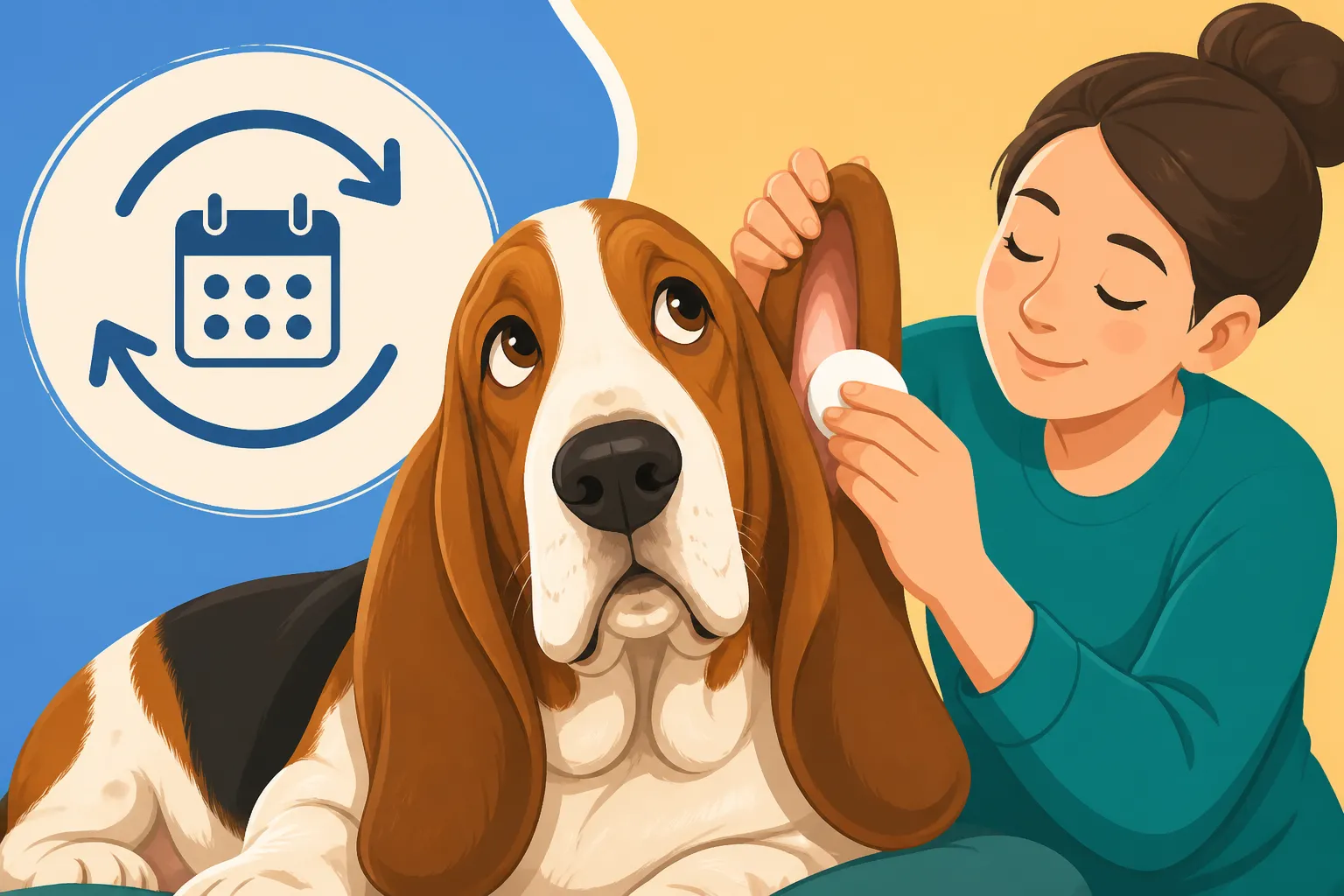
Once the solution is in, gently massage the base of the ear for about 30 seconds. You should hear a squishing sound, which indicates the solution is working its way down into the canal and breaking up debris. This massaging action is vital. After massaging, allow your Basset to shake their head. This helps to dislodge and bring up much of the dissolved wax and debris. Be ready – it can get messy! Finally, take a fresh cotton ball and gently wipe out the accessible parts of the ear, including the visible ear canal and the folds of the outer ear flap. Repeat with clean cotton balls until no more debris or discoloration comes out. Do not try to go deep into the canal with the cotton ball; only clean what you can easily see and reach. You can find more detailed steps in How to Clean a Basset Hound's Ears Properly.
Post-Cleaning Care and Rewards
After you've finished cleaning both ears, give them a final check to ensure they appear clean and aren't excessively wet. If your Basset is prone to moisture issues, you can gently dab the outer ear with a dry cotton ball or a soft cloth. The drying properties of most good ear cleaners should take care of the rest within the canal.
The most important step, often overlooked, is to reward your Basset profusely! Offer enthusiastic praise, belly rubs, and a generous, high-value treat. You want them to associate this routine with positive reinforcement, not just an uncomfortable procedure. Making it a positive experience will make future cleanings much easier. Over time, your Basset will learn to tolerate, or even enjoy, their ear ritual, understanding that good things happen when it's over. This positive association is key to maintaining a good relationship with your dog and ensuring their ongoing ear health. For more on positive reinforcement, our article Teaching a Basset Hound to Tolerate Ear Cleaning is a great resource.
Identifying and Addressing Common Ear Issues
Even with a diligent cleaning schedule, Basset Hounds can still develop ear problems. Their unique anatomy is a constant challenge, and sometimes underlying issues like allergies can make them particularly prone to infections. Knowing what to look for and when to escalate your concerns to a veterinarian is critical for your Basset's health and comfort.
Recognizing the Signs of Trouble
The twice-weekly cleaning ritual isn't just about applying cleaner; it's a dedicated inspection time. During this routine, you should be acutely aware of any changes in your Basset's ears. Healthy Basset ears should have a mild, clean, slightly waxy smell – nothing pungent or sweet. The skin should be a healthy pink, not red or inflamed. You should see minimal discharge, perhaps a light brown wax.
Signs that something is amiss include a strong, foul, or sweet odor (often indicating yeast), excessive dark brown, black, or yellowish discharge, redness or swelling of the ear flap or canal, constant scratching, rubbing their head on furniture, tilting their head to one side, or yelping when you touch their ears. Any of these symptoms are red flags that warrant more than just a routine cleaning. If you're concerned about what you're seeing, our guide The Signs a Basset Hound's Ear Has Gone Bad offers more detailed descriptions of these warning signs.
Understanding Different Types of Infections
Ear infections in Basset Hounds typically fall into two main categories: yeast infections and bacterial infections, though often they occur together. Yeast infections commonly produce a distinct sweet, musty, or "corny" odor (some describe it as smelling like Fritos or old bread), often accompanied by a dark, waxy discharge. Bacterial infections can smell foul or putrid and might present with yellowish or greenish pus-like discharge. Both cause significant discomfort, itching, and inflammation.
Sometimes, ear issues are a secondary symptom of a larger problem. Many Bassets with chronic ear infections are actually suffering from underlying allergies – either environmental (like pollen or dust mites) or food-related. These allergies cause inflammation in the body, including the skin lining the ear canal, making it more susceptible to yeast and bacteria. It's vital for your vet to determine whether the infection is yeast, bacterial, or both, as well as to investigate any potential root causes like allergies. If left untreated, chronic inflammation can lead to irreversible changes, such as the ear canal thickening or narrowing, potentially requiring surgery. This is why addressing issues early is so important, as outlined in Whether a Basset Hound's Ear Canal Closes Up. You can also learn more about the specific types of infection in Whether Yeast or Bacteria Is in a Basset Hound's Ear.
When to Seek Veterinary Intervention
Knowing when to clean versus when to call the vet is crucial. If you notice any of the concerning signs mentioned above – persistent odor, excessive discharge, redness, swelling, or clear signs of pain or discomfort – it's time to contact your veterinarian. Do not attempt to treat a suspected infection with over-the-counter remedies without veterinary guidance. Many ear medications are specific to the type of infection (yeast vs. bacteria), and using the wrong one can be ineffective or even harmful.
Your vet will likely perform an otoscopic examination to look deep into the ear canal, possibly take a swab for cytology (to identify yeast or bacteria under a microscope), and then prescribe appropriate medicated ear drops or oral medications. They may also discuss allergy management if that's suspected as an underlying cause. Follow their instructions diligently, including finishing the full course of medication, even if the ears appear better. Often, a follow-up visit is necessary to ensure the infection has completely cleared, preventing a swift recurrence.
Long-Term Strategies for Optimal Ear Health
The twice-weekly ear cleaning is foundational, but true optimal ear health for a Basset Hound extends beyond just routine cleaning. It involves a holistic approach that considers diet, environment, and ongoing veterinary partnership. By integrating these strategies, you can minimize flare-ups, reduce discomfort, and support your Basset's overall well-being for years to come.
Diet and Allergy Management
It's easy to think of ear problems as purely local issues, but often, they're a symptom of systemic inflammation, frequently triggered by allergies. Many Basset Hounds with recurrent ear infections benefit greatly from careful diet management. Food sensitivities can manifest as itchy skin and inflamed ears, making them more prone to secondary infections. If your vet suspects food allergies, they might recommend an elimination diet using a novel protein or hydrolyzed protein food. This involves feeding a strictly controlled diet for several weeks to see if symptoms improve, then reintroducing ingredients one by one to identify the culprit.
Beyond specific allergies, ensuring your Basset is on a high-quality, balanced diet supports overall immune function and skin health, which in turn can help their ears. Omega-3 fatty acid supplements can also be beneficial for reducing inflammation. Discuss any dietary changes or supplements with your vet to ensure they're appropriate for your individual dog's needs. Environmental allergies, too, can play a significant role. If your Basset is reactive to pollen, dust mites, or other environmental factors, managing these through medication, immunotherapy, or reducing exposure can drastically improve their ear health.
Environmental Controls and Lifestyle Choices
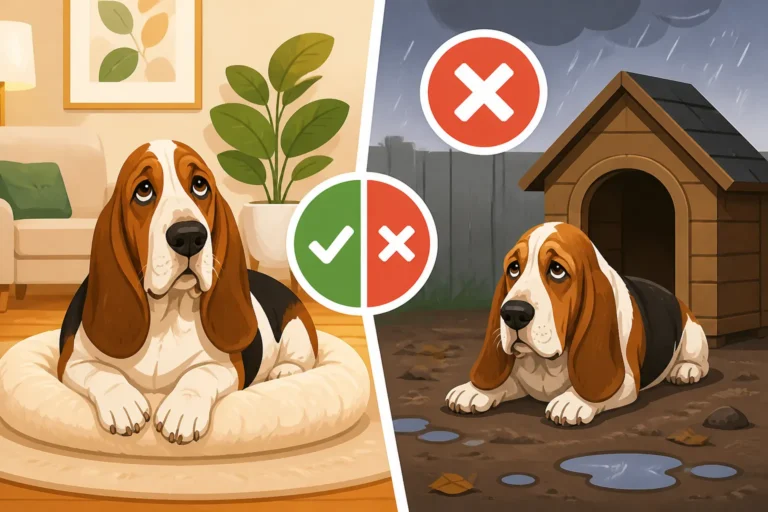
While you can't change your Basset's ear anatomy, you can control aspects of their environment to reduce risk factors. Regularly washing their bedding helps to reduce dust mites and allergens that can irritate sensitive skin, including inside their ears. Be mindful of moisture: while Bassets aren't typically avid swimmers, if yours does enjoy a dip, ensure their ears are thoroughly, yet gently, dried afterward. Even during baths, be cautious not to get water deep into their ear canals. Our article Whether a Basset Hound's Ears Should Be Dried After Swimming delves deeper into this.
Consider where your Basset spends its time. If they're constantly trailing through tall, damp grass or muddy areas, they're more likely to introduce foreign bodies and excess moisture into their ears. While you don't want to limit their natural instincts, being aware and performing an extra ear check or wipe after such adventures can be beneficial. Regular grooming beyond just ear cleaning, such as trimming hair around the ear canal if recommended by your vet or groomer, can also improve airflow.
Regular Veterinary Check-ups
Even with the most diligent home care, regular veterinary check-ups are an indispensable part of a Basset Hound's long-term ear health strategy. Your veterinarian can spot subtle issues you might miss and is equipped to perform thorough examinations that include inspecting the ear canals with an otoscope. These routine visits provide an opportunity to discuss any persistent concerns, adjust cleaning protocols, or initiate diagnostics for underlying issues like allergies or hypothyroidism, which can also contribute to chronic ear problems.
If your Basset is particularly prone to ear infections, your vet might recommend more frequent check-ups, especially after a course of treatment, to ensure the infection is completely cleared. They can also advise on prophylactic treatments or special medicated rinses to use between active infections. Establishing a strong partnership with your vet means your Basset benefits from professional expertise and early intervention, saving them from unnecessary pain and you from costly, drawn-out treatments in the future. For breeders, understanding genetic predispositions can be key, as explored in Whether Every Basset Hound Gets Ear Infections.
Overcoming Challenges and Building a Positive Ear Care Experience
Let's be real: not every Basset Hound is going to line up eagerly for their ear cleaning session, especially at first. Some are wigglers, some are dramatic, and some will try to make you believe their ears are falling off with every gentle touch. But overcoming this resistance is key to making the "twice-weekly ear ritual" sustainable and less stressful for everyone involved. It's about building trust, consistency, and making the experience as positive as possible.
Handling Resistance and Fear
If your Basset Hound resists ear cleaning, it's important to understand why. It could be a previous negative experience, discomfort from an underlying infection you haven't detected yet, or simply a lack of early conditioning. Never force the issue to the point of fear or aggression. Instead, break down the process into smaller, manageable steps and desensitize them gradually. Start with simply touching their ears gently, offering a treat, and praising them. Progress to lifting the ear flap, then briefly holding it, then introducing the cleaner bottle (without actually applying it), and so on.
Positive reinforcement is paramount. Every cooperative moment, no matter how small, should be rewarded with high-value treats and enthusiastic praise. Keep sessions short and positive, ending on a good note. If your Basset puppy is still young, start handling their ears from day one, making it a regular, positive part of their daily routine. Our article Getting a Basset Hound Used to Ear Handling as a Puppy offers excellent tips for this crucial early training. With patience and consistency, even the most dramatic Basset can learn to tolerate, if not enjoy, their ear cleaning.
Consistency is Key
The biggest factor in making the twice-weekly ear ritual a success is consistency. It's not a task you can do haphazardly; it needs to be integrated into your routine, like feeding or walking. If you skip sessions, debris builds up, infections have a chance to take hold, and your Basset's ears will inevitably become more problematic. Regularity also helps your Basset anticipate the routine, making them less anxious about it. When they know what to expect, and that positive reinforcement follows, they're more likely to cooperate.
Consider setting a reminder on your phone or marking it on your calendar. Make it a fixed part of your week, perhaps after their evening meal on specific days. Involving other household members can also ensure consistency, provided everyone uses the same gentle technique and positive reinforcement. The cumulative effect of consistent, preventative care is far more effective than trying to play catch-up when an infection has already taken hold. Regular maintenance prevents the snowball effect of neglected ear care, where a minor issue quickly spirals into a painful, chronic condition.
Comparing Common Ear Issues
To help you quickly identify potential problems and decide on the best course of action, here's a table summarizing common Basset Hound ear issues:
| Issue | Common Signs | Typical Odor | Immediate Action | When to Vet? |
|---|---|---|---|---|
| Normal Ear | Clean, healthy pink, minimal light brown wax | Mild, clean, slightly waxy | Routine twice-weekly cleaning | Annual check-ups, any new concerns |
| Yeast Infection | Dark brown/black waxy discharge, redness, itching | Sweet, musty, "corny" | Continue gentle cleaning, observe closely | If symptoms worsen, persist after 2-3 cleanings, or if pain/discomfort is present. |
| Bacterial Infection | Yellow/green pus-like discharge, redness, swelling, intense pain, often foul odor | Foul, putrid | Do NOT use regular cleaner if pain is severe | Immediately. Requires veterinary diagnosis and specific antibiotics. |
| Ear Mites | Dark, crumbly "coffee ground" discharge, intense itching, head shaking | No specific odor | Over-the-counter mite treatment (caution) | If unsure, if treatment doesn't work, or if ears are very inflamed. Mites need specific medication. |
| Foreign Body | Sudden head shaking, pawing at ear, pain, redness, sudden onset of symptoms in one ear | Variable, often none | Do NOT try to remove it yourself | Immediately. Requires veterinary removal to prevent further damage. |
| Aural Hematoma | Swollen, soft, fluid-filled flap on the ear leather, often results from head shaking/scratching | None | Keep dog from shaking head/scratching | Immediately. Requires veterinary intervention, often surgical, to drain and prevent recurrence. |
Disclaimer
This article is for general informational purposes only and does not constitute professional advice. Laws, prices and regulations vary by location and change over time. Consult a qualified professional for guidance on your specific situation.