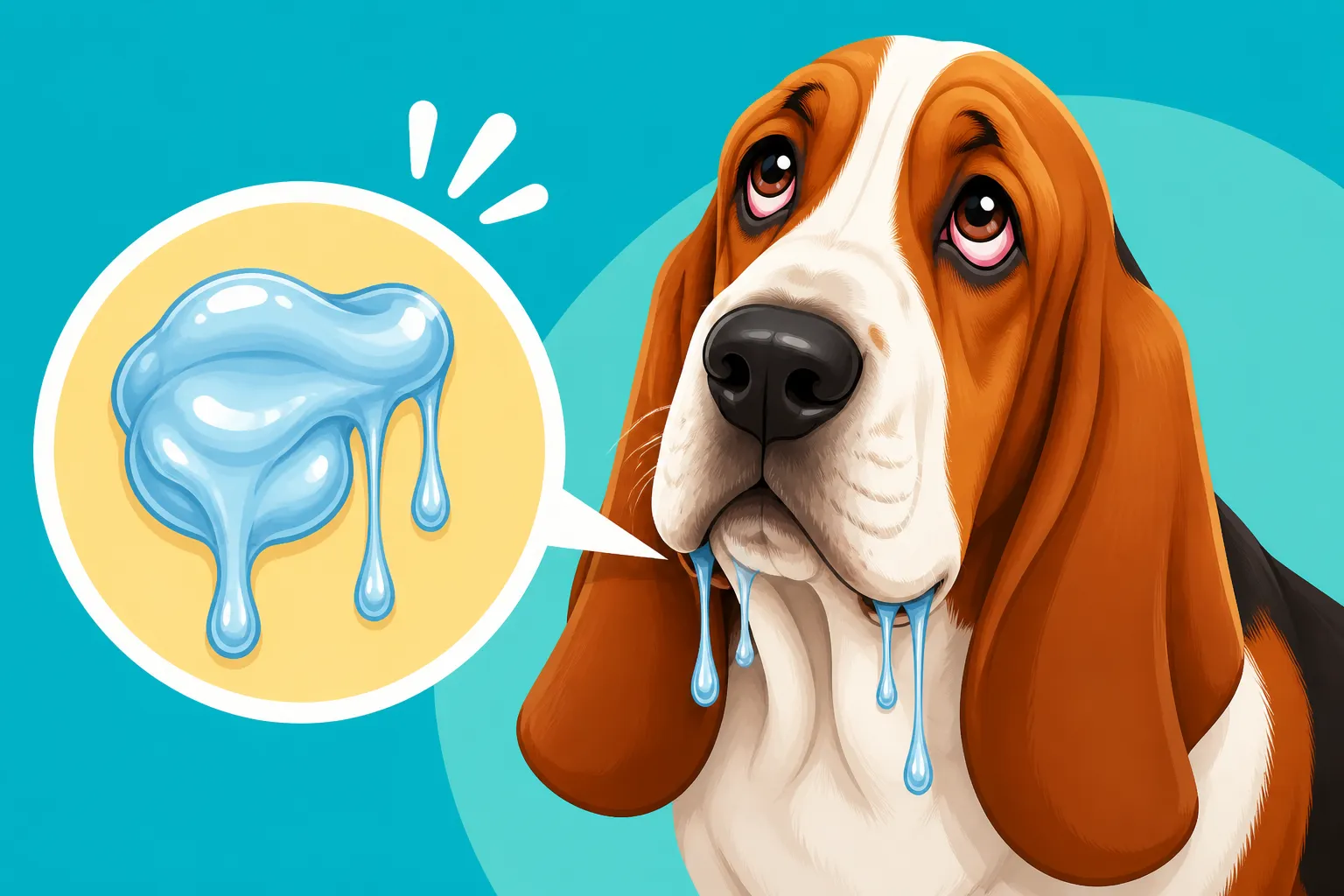
The Drool a Basset Hound Produces and Cannot Swallow
Ah, the Basset Hound. If you've ever shared your home with one of these wonderfully long-eared, soulful-eyed hounds, you know that loving a Basset often means learning to live with a certain… dampness. You're constantly wiping up little puddles from the floor, finding damp spots on your clothes, and maybe even noticing a distinct aroma around their chin. It's not just a quirk; the copious drool a Basset Hound produces, and often can't quite manage to swallow, is a fundamental part of their unique anatomy and a common frustration for many owners. This comprehensive guide will delve deep into why Basset Hounds drool so much, how to manage it, and when that slobber might be telling you something more serious about their health.
Understanding the Basset Hound's Anatomy and Drool
Let's face it, Basset Hounds are built for scent work, and their distinct physical characteristics, while adorable, contribute significantly to their slobbery reputation. It's not just about a leaky faucet; it's about a combination of features that make them champions of sniffing and, by extension, drooling. Many owners feel like they're fighting a losing battle against the moisture, but understanding the root causes can help you manage it more effectively.
The Purpose of Loose Skin and Droopy Lips
Have you ever looked at your Basset's face and just wanted to gather up all that wonderful, wrinkly skin? Those endearing folds, particularly around their mouth and jowls, are actually a critical part of their scent-tracking prowess. As they trail, their loose skin and long ears Whether a Basset Hound's Ears Stir Scent Toward Its Nose work in tandem to funnel scents directly to their incredibly sensitive noses. This design, however, comes with a trade-off.
Think of it like a natural catchment system. When a Basset drinks, eats, or even just gets excited, saliva production increases. Instead of being neatly contained within a tight lip line like many other breeds, those wonderful, saggy jowls act like reservoirs, holding onto excess moisture. Gravity, being the relentless force it is, then takes over, leading to drips and trails. It’s not that they can't swallow; it’s that the sheer volume of saliva, combined with the way their facial structure holds it, makes it incredibly difficult for them to keep it all in. It’s a design feature for tracking, not for tidy eating!
Saliva Production and Scenting Abilities
Beyond the physical containment issue, Basset Hounds are, at their core, scent hounds. Their entire physiology is geared towards detecting and processing odors. This incredible sense of smell The Nose That Puts a Basset Hound Second to a Bloodhound is directly linked to their drool production. When a Basset Hound catches an interesting scent – whether it's the invisible trail of a rabbit in the yard, the lingering aroma of your dinner, or even just the smell of another dog on a walk – their salivary glands go into overdrive. It's an involuntary response, a natural part of their hunting instinct, much like how our mouths water when we smell something delicious.
This enhanced saliva production helps them interpret scents more effectively, moistening their nasal passages and allowing scent particles to dissolve more readily, thus intensifying the information their powerful noses receive. So, while it might seem like endless drool is just a messy inconvenience, it’s actually a testament to their extraordinary olfactory abilities. It's a reminder that their "job" is to smell the world, and drooling is a part of that very important work.
Why Basset Hounds Drool: More Than Just Slobber
While their unique anatomy is a primary driver for Basset Hound drool, it's not the only factor. Several situations can increase the amount of drool you see, ranging from normal physiological responses to potential signs of an underlying issue. It's important to differentiate between typical Basset dampness and something that might warrant a closer look.
Normal Drooling Triggers
Every Basset owner knows these moments well. Your hound hears the sound of kibble hitting the bowl, sees you reaching for their leash, or gets a whiff of that forbidden human snack. Instantaneously, the drool faucet turns on. This isn't just a quirky habit; it's a completely normal, physiological response to anticipation and excitement. Their bodies are preparing for an impending activity – eating, walking, or perhaps a treat – and increased saliva production is a natural part of that readiness.
Another common trigger is simply being a Basset Hound. Their low-slung bodies mean their mouths are often closer to the ground, increasing their exposure to interesting scents. As discussed, a good scent will always trigger salivation. Additionally, certain levels of physical exertion, especially in warmer weather, can lead to more drooling as their body attempts to cool itself. It's their way of panting and keeping comfortable. It might seem like a lot, but for a Basset, it's often business as usual.
When Drooling Becomes Excessive or Unusual
While some drool is normal, there are times when the amount or consistency of your Basset's drool might signal something is amiss. This isn't just about more puddles; it's about a noticeable change from their usual damp demeanor. If your Basset, who typically has a moderate amount of drool, suddenly starts producing an extraordinary volume, or if the drool changes in color, smell, or texture, it's time to pay attention. For instance, excessively thick, stringy, or foamy drool could be a concern, as could drool that appears discolored (yellow, green, or tinged with blood).
These changes can be indicators of anything from mild upset to more serious health issues. They could be experiencing nausea, dental pain, an object lodged in their mouth, or even a reaction to something they've ingested. This is where your keen observation skills as an owner become crucial. You know your Basset best, and noticing deviations from their norm is the first step in addressing any potential problems. Always err on the side of caution and consult your vet if you're concerned.
Drooling as a Sign of Health Issues
Sometimes, drooling isn't just a messy quirk; it's a symptom. Basset Hounds, with all their lovely folds and unique anatomy, are prone to certain health challenges that can manifest as increased or unusual drooling. For example, dental disease is rampant in many breeds, and Bassets are no exception. Painful teeth, gum infections, or even fractured teeth can cause discomfort and lead to excessive drooling as a way for your dog to soothe their mouth or as a reaction to the pain itself. Whether a Basset Hound Gets Dental Disease
Beyond oral health, gastrointestinal issues like nausea, acid reflux, or ingesting something toxic can also cause profuse drooling. Some Bassets might even drool excessively when experiencing anxiety or fear, especially in new or stressful situations. In very rare but serious cases, neurological problems or certain types of tumors can also present with increased salivation. It’s why monitoring changes in drooling, alongside other behaviors or symptoms, is so vital. If you notice any accompanying signs like pawing at the mouth, reluctance to eat, lethargy, vomiting, or changes in breath, it's definitely time for a veterinary visit to get a proper diagnosis.
Managing Drool in Your Basset Hound's Environment
Living with a drooly Basset means making a few adjustments around the house. It's about proactive management and choosing the right tools to keep your home clean and your Basset comfortable. You can’t stop them from drooling entirely, but you can certainly mitigate the mess.
Protecting Your Floors and Furniture
One of the biggest battlegrounds for Basset Hound owners is keeping floors and furniture free from slobber. Those drips find their way everywhere! For hard floors, consider placing absorbent mats or runners in high-traffic areas, especially around their food and water bowls, and near their favorite napping spots. Rugs near the sofa where they love to rest their heavy heads can also be a lifesaver. You might find a good selection of durable, washable mats on Chewy that can withstand frequent laundering.
When it comes to furniture, especially upholstered pieces, slipcovers are your best friend. They can be easily removed and washed, saving your upholstery from unsightly damp spots and potential odors. You can also strategically place throws or blankets where your Basset is most likely to lounge. While it might seem like a constant battle, having designated "drool zones" and readily washable covers can drastically reduce the stress of keeping your home clean. It's about embracing their nature, not fighting against it entirely.
Choosing the Right Food and Water Bowls
Believe it or not, the type of bowls your Basset Hound uses can make a big difference in drool management. Their long, pendulous ears are notorious for dragging through food and water, picking up moisture and then depositing it across your home. Whether a Basset Hound's Ears Drag Through Its Food This is where a specialized bowl can be incredibly helpful. Deep, narrow bowls designed for dogs with long ears can keep those beautiful hounds ears out of the splash zone. Look for bowls with a smaller opening at the top and a deeper basin, so your Basset can still reach their food and water without soaking their ears.
Another option to consider, especially if your Basset is a fast eater or drinks voraciously, is a slow feeder bowl. While primarily designed to prevent bloat and aid digestion Whether a Basset Hound Bloats After Eating, some designs also help keep the eating area tidier. For water, gravity-fed water dispensers can keep water fresh, but ensure they are easy to clean to prevent bacterial buildup in the collected drool. A raised feeder stand can also help some Bassets maintain a more comfortable posture while eating and drinking, which might reduce some of the spillage, though it won't stop the inherent drooling. You can often find a good variety of these specialized bowls on Amazon.
Using Snoods and Bandanas
Sometimes, you need a little fashion and function to tackle the drool. Snoods and bandanas aren't just for looking adorable; they can be incredibly practical tools for managing your Basset's slobber. A snood is essentially a fabric tube that slips over your Basset's head, keeping their long ears neatly tucked away and protected from their food and water. Whether a Basset Hound Needs a Snood at Dinner This means less wet ear fur dragging across the floor and less moisture being flung around after a drink. They come in various fabrics, from lightweight cotton for everyday use to waterproof materials for particularly messy eaters.
Bandanas, while perhaps less effective at containing ear mess, can be great for absorbing drool from around their chin and neck area. Opt for absorbent fabrics like cotton or terry cloth, and make sure to have several on hand so you can change them frequently. This not only keeps your Basset cleaner but also helps prevent skin irritation in their neck folds from constant dampness. Many owners swear by a collection of snoods and bandanas, rotating them through the wash regularly, making life with a drooly Basset much tidier.
Diet, Hydration, and Their Impact on Drooling
What goes into your Basset Hound can sometimes influence what comes out, especially when it comes to saliva production. While diet won't eliminate drooling entirely, making informed choices about their food and water intake can sometimes help manage the amount and consistency of their slobber.
The Role of Food Type and Ingredients
There's a lot of debate in the dog world about the "best" food, but when it comes to drooling, some owners find that certain diets can exacerbate or alleviate the issue. Highly palatable foods, especially those with strong odors or rich gravies, can naturally stimulate more salivation. If your Basset goes absolutely wild for their dinner, expect a proportional increase in drool. This isn't necessarily a bad thing, but it's something to be aware of.
Some owners report that switching to a fresh food diet, like those offered by companies such as Ollie, can sometimes lead to a reduction in certain types of drooling or less mouth irritation, though this varies greatly from dog to dog. The theory is that less processed ingredients might be easier to digest, leading to less gastric upset that could manifest as excess salivation. Similarly, if your Basset has a sensitive stomach or suspected allergies Whether a Basset Hound Reacts to Its Food, certain ingredients might cause mild nausea, which often presents as increased drooling. Consulting with your vet to find a balanced, appropriate diet for your Basset's specific needs is always the best approach. They can help you identify any potential dietary triggers or sensitivities.
How Hydration Affects Saliva Production
Adequate hydration is crucial for your Basset Hound's overall health, and it also plays a subtle role in saliva. While it might seem counterintuitive, a dehydrated dog can sometimes produce thicker, stickier saliva, which can be harder for them to swallow and thus appear as more excessive drooling. Ensuring your Basset always has access to fresh, clean water is paramount.
Conversely, some dogs will drool more immediately after drinking large quantities of water, simply because there's an influx of liquid in their mouth and those deep jowls can only hold so much before gravity takes over. The key here is not to restrict water, but to manage the aftermath. Placing water bowls in easily cleaned areas, having a "drool rag" handy, and encouraging more frequent, smaller drinks rather than gulping massive amounts can help. Proper hydration keeps their oral tissues healthy, and while it won't stop drool, it ensures the drool they do produce is healthy and isn't a symptom of something else.
Managing Mealtime Excitement
The sheer joy and anticipation a Basset Hound displays at mealtime are truly heartwarming, but also a prime source of significant drool. The moment that kibble bag crinkles or the food bowl appears, it’s a slobber fest! Managing this excitement can help reduce the amount of drool produced and subsequently splattered around your kitchen. Instead of letting them get into a frenzy, try to create a calmer mealtime routine.
One strategy is to avoid overly dramatic pre-meal rituals. Prepare their food calmly, without a lot of talking or excitement. Have them sit or lie down a few feet away from their bowl and only approach when you give a release cue. This teaches them that calm behavior, not frantic excitement, leads to dinner. Some owners even put a snood on their Basset before serving food, keeping those ears out of the way. While you can't completely quell their enthusiasm for food – and honestly, who would want to? – you can certainly influence the intensity, which in turn can reduce the drool hurricane.
Keeping Your Basset Hound Clean and Comfortable
Living with a drooly Basset isn't just about managing the mess on your floors; it's also about ensuring your beloved hound remains clean, hygienic, and comfortable. Those magnificent folds and long ears are particularly susceptible to issues if not cared for properly, and drool can play a big part in that.
Daily Face and Mouth Wiping
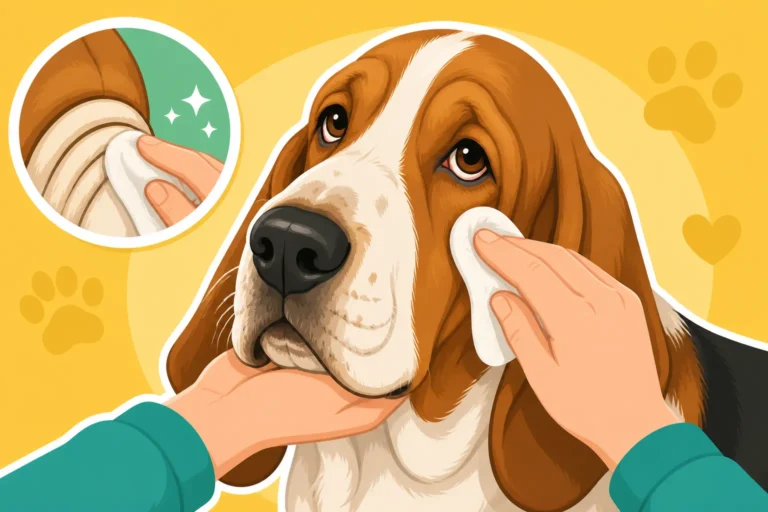
This is probably the most essential daily ritual for any Basset Hound owner: wiping their face and mouth. Those deep, loose folds around their lips and chin are perfect traps for moisture, food particles, and debris. If left unchecked, this damp, warm environment becomes a breeding ground for bacteria and yeast, leading to unpleasant odors and skin fold infections Skin Fold Infections on a Basset Hound. It's a daily, sometimes even multiple-times-a-day, commitment.
Use soft, damp cloths or specialized pet wipes to gently clean inside all the folds, paying particular attention to the areas under their chin and around their lower lips. Make sure to dry the area thoroughly afterward to prevent moisture buildup. You might find some gentle, unscented wipes on Chewy or Amazon that are specifically formulated for pets. This simple act of daily cleaning not only removes accumulated drool and food bits but also helps prevent irritation and infection, keeping your Basset smelling fresher and feeling much more comfortable. Consider it a mini spa treatment for their magnificent jowls!
Managing Odor and Potential Infections
Persistent dampness from drool, combined with skin folds, can lead to that distinctive "Basset smell" that some owners struggle with. It’s often not just the drool itself, but the bacterial or yeast growth that thrives in warm, moist environments. Regular cleaning, as mentioned, is the first line of defense. However, if you notice a particularly strong, sweet, or sour odor, or if the skin in their folds appears red, irritated, or greasy, it could indicate a skin fold infection.
Your vet might recommend a medicated wipe or topical solution to help manage these issues. It's crucial not to let these problems fester, as they can quickly become uncomfortable and painful for your Basset. Beyond the immediate oral area, remember their long ears are also prone to infections The Ear Infections That Never Really Leave a Basset Hound, which can also produce a distinct odor and sometimes even contribute to a general "doggy" smell if not managed. A holistic approach to cleaning, focusing on all the Basset's unique features, is key to managing odor and preventing infections.
Grooming Practices to Keep Drool Under Control
While Basset Hounds have short coats and don't require elaborate grooming in the traditional sense, certain practices can help with drool management. Regular bathing, for example, helps wash away accumulated drool residue from their chest, legs, and belly, which can get damp from contact with their jowls. How Often a Basset Hound Should Be Bathed Using a mild, dog-specific shampoo and ensuring they are thoroughly dried afterward is important, especially in their deeper folds.
Another often-overlooked aspect is keeping their nails trimmed. Long nails can affect their gait, leading to discomfort and sometimes even increasing drooling if they are stressed or experiencing pain. Whether Long Nails Change a Basset Hound's Feet While not directly related to saliva production, overall comfort contributes to a happier, healthier Basset, and discomfort can be a subtle stressor. Ensuring their overall hygiene is maintained through regular baths, ear cleaning, and nail trims helps create an environment where drool is just a manageable quirk, not a source of persistent problems.
When Drooling Becomes a Health Concern
While some drooling is an undeniable part of Basset Hound ownership, there are critical times when you need to recognize that the drool has gone beyond normal and is signaling a health problem. Ignoring these signs can lead to worsening conditions and discomfort for your dog.
Identifying Signs of Oral and Dental Problems
The mouth is a common culprit for excessive drooling. If your Basset Hound is suddenly drooling much more than usual, or if the drool is thick, bloody, or has a foul odor, inspect their mouth carefully if they allow it. Look for signs of trouble like swollen gums, discolored teeth, fractured teeth, or any foreign objects lodged between their teeth or in their gums. Many Bassets are stoic and won't show obvious pain until a problem is severe.
Beyond visual inspection, watch for behavioral changes. Are they reluctant to eat hard food? Do they chew on one side of their mouth? Are they pawing at their face? These are all strong indicators of dental disease or another oral issue. Remember, dental problems can range from mild gingivitis to severe abscesses, and they can be incredibly painful. Regular dental check-ups with your vet are essential, and if you suspect an acute problem, don't delay a visit. Left untreated, oral infections can lead to more systemic health issues.
Recognizing Digestive Issues and Nausea
Increased drooling, often accompanied by lip-licking or gulping, is a classic sign of nausea in dogs. If your Basset Hound is feeling queasy, their salivary glands will often kick into overdrive. This might be due to a simple stomach upset from eating something they shouldn't have, car sickness Whether a Basset Hound Gets Car Sick, or something more serious.
Watch for other symptoms alongside the drooling: vomiting (or attempts to vomit), diarrhea, lethargy, decreased appetite, or abdominal discomfort. If the drooling is persistent and combined with these other signs, it’s a clear signal that something is bothering their digestive system. It's especially important to act quickly if you suspect they might have ingested a toxic substance or a foreign object. While a mild upset might pass, severe or prolonged symptoms, particularly with continuous drooling, warrant immediate veterinary attention.
Other Medical Conditions Leading to Increased Drool
Beyond dental and digestive problems, a variety of other medical conditions can cause a Basset Hound to drool excessively. Heatstroke, for example, causes profuse salivation as the dog tries desperately to cool down. If your Basset is drooling heavily, panting excessively, appears lethargic, or has bright red gums after being in warm weather or exercising, it's an emergency. Whether a Basset Hound Overheats in Summer
Neurological issues, such as seizures (even focal seizures that aren't obvious full-body convulsions), can sometimes present with increased drooling. Certain types of infections or even masses/tumors in the mouth or throat area can also stimulate salivation. If your Basset's drooling is suddenly profuse, appears out of character, or is accompanied by other worrying symptoms like disorientation, difficulty breathing, or changes in gait, it’s imperative to seek veterinary care immediately. Your vet will be able to perform diagnostic tests to get to the bottom of the sudden change.
Living with a Drooly Basset Hound: Practical Tips
Embracing the drool rather than constantly fighting it can make life with your Basset Hound much more enjoyable. It’s about integrating smart habits and useful tools into your daily routine. Many seasoned Basset owners develop a system that keeps things clean without constant stress.
Creating a Drool-Friendly Home Environment
Designing your home with drool in mind isn't about giving up on cleanliness, but about making cleanliness easier. As mentioned before, washable fabrics are your best friend. Choose durable, easy-to-clean materials for throws, couch covers, and pet beds. Consider waterproof protectors under slipcovers for an extra layer of defense. For floors, especially in dining areas or high-traffic zones, opt for materials that are easy to wipe clean or place washable rugs.
Keep a designated "drool towel" or a stack of microfibre cloths in strategic locations – near the food bowl, by the front door, next to the sofa. This makes quick clean-ups effortless. Some owners even dedicate a specific, hard-wearing blanket to their Basset’s favorite drooling spot on the couch, which they can simply toss into the wash every few days. The goal is to make managing the dampness a routine part of life, rather than an unexpected chore.
Essential Cleaning Supplies for Basset Owners
Having the right arsenal of cleaning supplies on hand can turn the tide in the battle against drool. Beyond your standard household cleaners, consider these Basset-specific essentials:
- Pet-safe enzymatic cleaners: These are fantastic for breaking down organic matter like saliva, urine, and other pet messes, neutralizing odors rather than just masking them. They're invaluable for spot-cleaning floors and fabrics.
- Microfibre cloths: Highly absorbent and excellent for wiping up fresh drool or quick clean-ups. Buy them in bulk!
- Pet wipes: Gentle, formulated for dogs, and perfect for a quick wipe of their face, chin, or paws after a meal or a walk. Brands like Earth Rated or Burts Bees make good options you can find on Amazon or Chewy.
- Washable covers/throws: As discussed, for furniture.
- Dedicated dog towels: Old bath towels or purpose-made dog towels work wonders for drying ears after cleaning or wiping down their chest after a particularly enthusiastic drink.
| Drool Management Category | Recommended Item | Purpose | Where to Find (Examples) |
|---|---|---|---|
| Environmental Control | Washable Floor Mats / Runners | Protect floors, absorb drips around bowls/rest areas | Amazon, Chewy |
| Furniture Slipcovers / Throws | Shield upholstery from dampness and odors | Amazon, Home Goods | |
| Diet & Hydration | Deep, Narrow Bowls | Keep long ears out of food/water | Chewy, Pet Stores |
| Slow Feeder Bowls | Can reduce mess for fast eaters, aids digestion | Amazon, Chewy | |
| Personal Hygiene | Soft Pet Wipes | Daily cleaning of facial folds and mouth area | Chewy, Amazon |
| Absorbent Bandanas / Snoods | Catch drool from chin/neck, keep ears contained | Etsy, Amazon, Pet Stores | |
| Clean-up | Enzymatic Pet Cleaner | Neutralize drool odors and stains on surfaces | Amazon, Pet Stores |
| Microfibre Cleaning Cloths | Quick, effective wiping of fresh drool | Grocery Stores, Amazon |
Training for Cleaner Habits
While you can't train a Basset Hound to stop drooling, you can certainly train them to be tidier about it. One simple trick is to teach them to "wipe their mouth" after drinking. Hold a towel or cloth to their chin immediately after they finish drinking and give a cue like "wipe" or "clean." Reward them for allowing you to do this. Over time, some Bassets will learn to rub their face on the towel themselves.
Another strategy is to manage their excitement levels around anticipated drool triggers, such as meal times or when people arrive at the door. By teaching them a "place" command or to wait calmly, you can reduce the initial surge of excited drool. Consistent training and positive reinforcement can make a significant difference in minimizing the mess and integrating your Basset’s drooly charm into your daily life more smoothly.
Long-Term Care and Preventing Excessive Drool
Caring for a Basset Hound means committing to understanding their unique needs, and that definitely includes their drool. Long-term strategies focus on consistent hygiene, regular health checks, and a keen eye for any changes. It’s about preventative care as much as it is reactive cleaning.
Regular Veterinary Check-ups and Oral Health
One of the most powerful tools in preventing excessive or problematic drooling is regular veterinary care. Annual (or more frequent for seniors) check-ups allow your vet to spot subtle health changes before they become major issues. This includes a thorough oral examination. Dental disease, as we've discussed, is a primary driver of increased drooling, and it often progresses silently (see What Basset Hounds Are Most Often Treated For). Your vet can assess their teeth and gums, recommend professional dental cleanings if needed, and advise on at-home dental care to help keep their mouth healthy.
Don't underestimate the impact of good oral hygiene. Brushing your Basset's teeth regularly, using dental chews, or even just offering appropriate chew toys can help reduce plaque and tartar buildup, which in turn reduces the risk of painful infections that lead to drooling. This proactive approach not only keeps their drool in check but also contributes significantly to their overall health and lifespan.
Maintaining Skin Fold Health and Hygiene
The health of your Basset Hound's skin folds is intrinsically linked to managing drool. Persistent dampness in these areas creates a breeding ground for yeast and bacteria, leading to uncomfortable and odorous infections. Long-term care involves not just daily wiping, but also periodic deeper cleaning and assessment. Whether a Basset Hound's Skin Folds Need Cleaning During baths, take extra time to gently clean between all the folds on their face, neck, and even under their armpits where drool can sometimes reach. Ensure these areas are thoroughly dried afterwards.
If your Basset is prone to recurrent skin fold issues, your vet might recommend specific antiseptic wipes or topical solutions to use regularly. Keeping these areas dry, clean, and free of irritation is paramount. It prevents a cascade of problems, from persistent odor to painful dermatitis that could require medication. It’s a small, consistent effort that yields big returns in your Basset’s comfort and cleanliness.
Dietary Considerations for Digestive Health
A healthy digestive system often means a more balanced level of saliva production. If your Basset Hound frequently experiences stomach upset, this could lead to chronic or intermittent excessive drooling. Long-term dietary considerations involve feeding a high-quality, easily digestible food that suits your Basset's individual needs. Some Bassets thrive on specific protein sources, while others do better with grain-inclusive or grain-free diets – always discuss with your vet before making major changes.
Avoid frequent, sudden changes to their diet, as this can often upset their stomach. Introduce new foods gradually over several days. If your Basset is prone to sensitive digestion Whether a Basset Hound Has a Sensitive Stomach, your vet might recommend a prescription diet or specific supplements to support their gut health. Remember, a happy gut often translates to a happier, less excessively drooly Basset. Paying attention to their diet and how it impacts their overall well-being is a key component of long-term drool management.
Disclaimer
This article is for general informational purposes only and does not constitute professional advice. Laws, prices and regulations vary by location and change over time. Consult a qualified professional for guidance on your specific situation.