Whether a Basset Hound’s Lip Folds Sour
One common concern that often catches Basset Hound owners off guard is a peculiar, sometimes offensive, odor emanating from their beloved dog's face. If you've ever leaned in for a slobbery kiss and instead caught a whiff of something vaguely "sour" or "yeasty" around your Basset's jowls, you're not alone. This isn't just a sign of a messy eater; it's often an indication that the unique, wonderfully wrinkled structure of their face has created a perfect environment for less-than-pleasant things to thrive. This guide will delve deep into why your Basset Hound's lip folds might be souring, how to identify the signs, and most importantly, how to keep their lovely, droopy face fresh and healthy.
The Anatomy of a Basset Hound's Lip Folds and Why They're Prone to Trouble
The Basset Hound's distinctive look – those long, pendulous ears, the soulful eyes, and, of course, the magnificent, loose skin that forms dramatic wrinkles and folds around their face and neck – is undeniably charming. It's part of what makes them so endearing. However, these very features, while a testament to their unique heritage as scent hounds, also present some significant grooming and health challenges. Their design, so perfect for trapping scent close to the ground, can inadvertently trap other things too, leading to the dreaded "sour" smell.
Understanding the Basset's Unique Facial Structure
Imagine a Basset Hound tracking a scent, nose to the ground. Those long ears sweep the ground, directing odors towards their incredibly sensitive nose. The loose skin, particularly the abundant dewlap and jowls, forms a kind of natural scent-trapping mechanism. This is fantastic for their primary job, but in a domestic setting, it means a lot of skin on skin contact, creating hidden pockets. These deep, moist folds around their mouth and under their chin are often affectionately called "lip folds" or "facial wrinkles."
The problem arises because these folds aren't just for show. They are constantly exposed to food, water, and saliva. Every time your Basset Hound eats, fragments of kibble, wet food residue, or even just general slobber can get tucked away in these crevices. When they drink, water trickles down and settles into the folds. The loose skin means these areas rarely get good airflow, and the skin layers rub against each other, creating warmth. It’s the perfect storm of conditions for things to go awry, and it’s why understanding The Skin Under a Basset Hound's Folds is so crucial for proactive care.
The Ideal Breeding Ground for Bacteria and Yeast
So, what happens when food particles, moisture, and warmth meet in a dark, poorly ventilated skin fold? It creates an absolute paradise for microorganisms. Bacteria and yeast, which are naturally present on a dog's skin in small, manageable numbers, suddenly find themselves in an all-you-can-eat buffet and spa experience. They proliferate rapidly, leading to an overgrowth.
This overgrowth is what causes the "sour" smell. It's not just stale food; it's the metabolic byproducts of these microbes. As they multiply, they irritate the skin, causing redness, inflammation, and sometimes even pain. The skin itself can become macerated – soft and soggy, much like your own skin if you wear a wet bandage for too long. This compromised skin barrier then becomes even more susceptible to deeper infections, creating a vicious cycle. It's a classic example of what can happen with Skin Fold Infections on a Basset Hound if left unchecked, and their lip folds are one of the most common spots for this problem to manifest.
Identifying the "Sour" Smell and Other Warning Signs
It's easy to dismiss a faint odor as "just dog smell" or the result of a messy meal. However, in a Basset Hound, a persistent "sour" smell often indicates something more specific brewing within those deep facial folds. Learning to recognize this particular odor, along with other subtle cues, is key to early intervention and preventing a minor annoyance from escalating into a painful infection for your hound.
What Exactly Does a "Sour" Smell Mean?
When we talk about a "sour" smell, it's distinct from general dog funk or even bad breath. It’s typically a musty, yeasty, sometimes sharply acidic odor that clings to the air around their face. Some owners describe it as smelling like stale bread, old socks, or even a strong, fermented scent. This characteristic smell is almost always a tell-tale sign of an overgrowth of yeast (like Malassezia) and/or bacteria.
Yeast infections, particularly common in moist skin folds, often produce a sweetish, musty, or truly yeasty aroma. Bacterial infections can contribute a more pungent, sour, or even rotten smell, especially if pus is present. The combination is what gives that unique, unpleasant bouquet. It's not just about what's sitting on the surface; it's about what's growing in the damp, warm recesses. If you notice this odor, it’s a clear signal that those lip folds need immediate, thorough attention and probably a more consistent cleaning routine.
Beyond Odor: Visual and Behavioral Clues
While the smell is often the first thing that tips us off, your Basset Hound will likely be sending other signals if their lip folds are becoming problematic. It’s important to become familiar with what healthy Basset Hound skin looks like – generally pink and free from redness or discharge – so you can spot the changes.
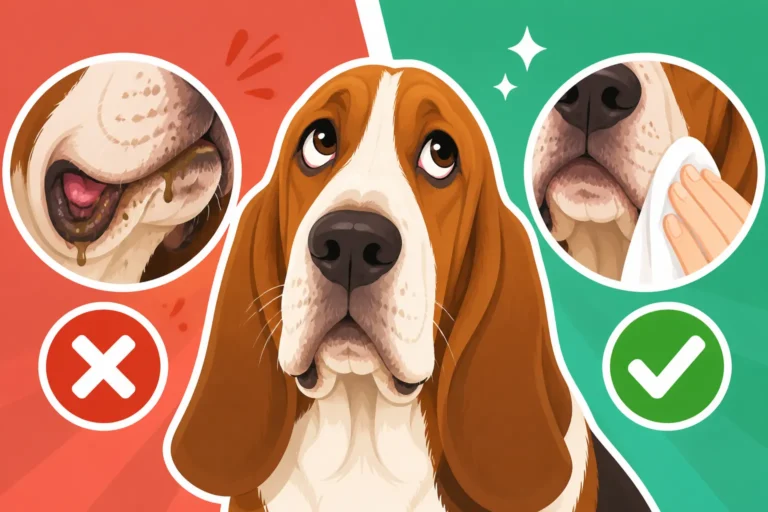
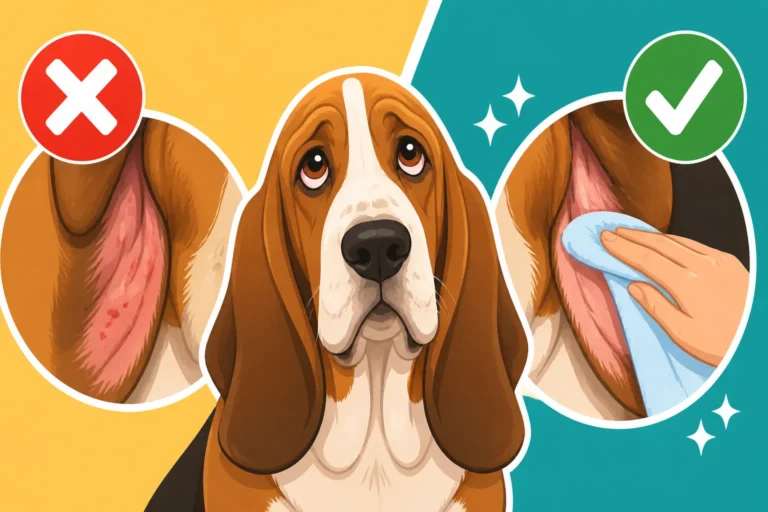
Look closely into the folds. Do you see any redness or inflammation? The skin might appear angry red, irritated, or even bright pink. Is there any discharge? This could range from clear, watery fluid to a brownish, waxy buildup (common with yeast) or even thick, yellowish-green pus (indicative of a bacterial infection). You might also notice hair loss in the affected areas, or the skin itself may look raw and moist. In severe cases, the skin can even ulcerate or bleed.
Behaviorally, your Basset might start telling you something is wrong. They might rub their face excessively on furniture, carpets, or even your leg. You might see them pawing at their mouth or ears, or shaking their head more often. They might become reluctant to let you touch their face or even become withdrawn or irritable due to discomfort or pain. Changes in appetite or energy levels could also be subtle signs of a deeper issue. Always observe your dog's habits; a change in routine can sometimes indicate pain or irritation.
When a Lip Fold Issue Becomes an Emergency
Most lip fold irritations, caught early, can be managed at home with diligent cleaning and perhaps some over-the-counter remedies. However, there are times when a trip to the vet is absolutely non-negotiable and requires immediate attention. Ignoring these signs can lead to severe pain, widespread infection, and much more complicated (and expensive) treatment.
Consider it an emergency if you notice:
- Severe Pain: Your Basset cries out or snaps when you try to examine their face, or they are clearly in distress.
- Bleeding: Any active bleeding from the folds indicates significant ulceration.
- Deep Sores or Ulcers: Areas where the skin has broken down completely.
- Pus: Thick, yellowish-green discharge is a strong indicator of a serious bacterial infection.
- Facial Swelling: Swelling around the jowls or face can mean a deeper infection or abscess.
- Lethargy or Loss of Appetite: These are systemic signs that your dog is unwell and the infection might be affecting their overall health.
- Fever: While harder to detect at home, if your dog feels hot and lethargic, seek veterinary advice.
In these situations, home remedies or waiting it out simply isn't an option. Your vet will be able to properly diagnose the type of infection (bacterial, yeast, or both) and prescribe appropriate medication, which might include oral antibiotics, antifungals, or stronger topical treatments. They might also perform diagnostics like a skin scrape or culture to get to the root of the problem. Early vet intervention for severe cases can prevent prolonged suffering and more invasive procedures.
Daily Care and Prevention Strategies for Healthy Lip Folds
Preventing your Basset Hound's lip folds from souring is far easier than treating an established infection. A consistent, gentle daily care routine is your best defense. It might seem like a chore at first, but once it becomes part of your regular rhythm, it'll take mere minutes and save you a lot of headache (and vet bills!) down the line. Think of it as investing in your Basset's comfort and your nose's happiness.
The Cornerstone: Regular Cleaning Routine
The single most effective way to prevent sour lip folds is a consistent and thorough cleaning routine. This isn't just a "when it smells" kind of task; it should be part of your Basset's regular grooming. After every meal, take a moment to inspect and gently wipe their folds. At a minimum, aim for a thorough cleaning once a day, perhaps in the evening when things are winding down.
Here's a simple approach:
- Gather Supplies: Have your chosen wipes or cleanser and cotton pads/balls ready.
- Position Your Basset: Have them lie down or sit comfortably. Positive reinforcement with treats during this process can make it a pleasant experience for them. Start this habit early, even with puppies, so they get used to having their face handled, which ties into Getting a Basset Hound Used to Ear Handling as a Puppy – good hygiene habits translate across different body parts.
- Gently Expose Folds: With one hand, gently lift and spread the lip folds to expose the skin underneath. You'll often be surprised how deep some of these pockets go!
- Wipe Clean: Use a soft, damp cloth or a veterinarian-recommended cleaning wipe to gently clean away any food debris, moisture, or buildup. Always wipe away from the fold, getting into all the crevices. Don't be afraid to use multiple wipes if necessary until they come away clean.
- Thorough Drying: This step is crucial. Using a clean, dry cloth or cotton pad, gently but thoroughly dry all the cleaned areas. Moisture is the enemy here. Ensure no dampness remains, as this is what invites bacteria and yeast back in.
- Inspection: Once clean and dry, take another look. The skin should appear clean and healthy.
Consistency is key. Just like we brush our teeth daily, these folds need regular attention.
Choosing the Right Cleaning Supplies
The market is flooded with pet grooming products, so choosing the right ones can feel overwhelming. For cleaning Basset Hound lip folds, you want products that are gentle, non-irritating, and effective at removing debris without leaving a residue.
- Gentle Wipes: Look for pet-specific wipes that are formulated for sensitive skin. Ingredients like chlorhexidine or ketoconazole are often found in medicated wipes and can be excellent for managing existing mild bacterial or yeast overgrowth, but for daily preventative use, a simpler, non-medicated, pH-balanced wipe might be preferred. Brands like Douxo S3 Pyo or Malaseb make effective wipes that can be easily found on platforms like Chewy or Amazon.
- Mild Cleansers: If you prefer a liquid cleanser, choose one that is vet-recommended for skin folds. Apply a small amount to a cotton ball or soft cloth and gently wipe the folds. Always make sure it's safe if ingested, as it's near their mouth. After cleaning, rinse with a clean, damp cloth if directed, and then dry thoroughly.
- Drying Agents (Optional, with caution): For Bassets prone to extreme moisture, a very light dusting of cornstarch-based powder (unscented and without talc!) can help absorb residual moisture after cleaning and thorough drying. Be incredibly careful not to inhale the powder or allow your dog to inhale it. Some specialized pet drying powders are also available. Always consult your vet before using any powders, especially if there's any irritation or open skin.
Avoid human baby wipes, as they can contain ingredients (like alcohol or fragrances) that are irritating to canine skin. Likewise, harsh soaps or cleansers can strip natural oils and exacerbate irritation. When in doubt, ask your veterinarian for their specific recommendations.
Managing Moisture and Keeping Folds Dry
We've touched on this, but truly, the drying step deserves its own spotlight. Moisture is the prime ingredient for microbial growth in those dark, warm folds. If you clean but don't dry completely, you're essentially preparing a nice, damp bed for the bacteria and yeast to snuggle into.
After cleaning the folds, take a separate, clean, soft cloth – a microfiber towel or even a soft paper towel – and gently pat and blot every crevice until it feels absolutely dry to the touch. You want to make sure there's no lingering dampness. This can take a minute or two, so don't rush it. Sometimes, gently holding the fold open for a few extra seconds to allow air circulation can help.
Consider the environment your Basset lives in. If you live in a very humid climate, you might need to be even more vigilant with drying. For Basset Hounds who are particularly messy drinkers, you might explore specialized water bowls that help reduce splashing, or simply ensure you're wiping their face more often after they take a drink. A little proactive effort here makes a huge difference in preventing that sour smell and keeping their skin healthy and comfortable.
The Role of Diet and Hydration in Lip Fold Health
It might not be the first thing you think of when dealing with smelly lip folds, but what your Basset Hound eats and how they drink can have a significant impact on the cleanliness and overall health of their facial wrinkles. Diet and eating habits don't just affect their internal health; they directly influence external factors like skin condition and the amount of mess that gets trapped.
How Food Choices Impact Lip Folds
The type of food you feed your Basset Hound can definitely play a role in how often their lip folds need attention.
- Wet Food: While often delicious and palatable for dogs, wet food can be incredibly messy. Its sticky consistency means it's more likely to cling to whiskers, jowls, and get pushed deep into those facial folds during enthusiastic eating. If you feed wet food, the post-meal wipe-down becomes absolutely non-negotiable.
- Kibble: Dry kibble tends to be less messy than wet food. However, smaller kibble pieces can still get lodged in folds. Larger, uniquely shaped kibbles might be slightly better as they are less likely to get completely buried.
- Raw Diets: Many owners swear by raw diets for overall health, and while they can be fantastic, they are often the messiest option when it comes to facial cleanliness. Raw meat juices can easily get into folds and if not cleaned promptly, can contribute to bacterial growth and odor.
Beyond the physical mess, diet can also indirectly affect skin health. If your Basset Hound has food sensitivities or allergies, these can manifest as skin problems, including increased inflammation, itchiness, or secondary infections in areas like skin folds. If you've been battling persistent lip fold issues despite diligent cleaning, it might be worth exploring if Whether a Basset Hound Reacts to Its Food by discussing potential dietary changes with your vet, such as a limited ingredient diet or a novel protein source. High-quality food options like those from Ollie, known for their fresh, less processed ingredients, might be a consideration, though always discuss with your vet first to ensure it's the right choice for your individual hound.
Feeding Bowls and Eating Habits
Sometimes, the equipment we use for feeding, or even the way our Basset Hounds eat, contributes to the problem. Their unique facial structure means standard bowls aren't always ideal.
- Bowl Shape and Size: Traditional deep bowls can force your Basset's entire face, jowls and all, deep into the food, maximizing the chances of getting food caught in their folds. Consider wide, shallow bowls or even elevated feeders. A wider, flatter surface allows them to eat without burying their face as much. Elevated bowls can also help with digestion and comfort for their long bodies, potentially reducing the amount of drool and food residue that ends up in their folds.
- Slow Feeders: If your Basset Hound is a "gulper" and eats at warp speed, they're likely making more of a mess. A slow feeder bowl can help them pace themselves, reducing the amount of food flung around or shoved into their jowls.
- The Snood Solution: For the truly messy eaters, or Bassets with exceptionally long ears and jowls, a snood can be a game-changer. This fabric tube fits over their head, holding their ears and often their jowls back and out of the food bowl. It's not just for their ears (which often drag in food and water anyway, leading to issues like Whether a Basset Hound's Ears Drag Through Its Food), but can also keep those lip folds cleaner. You can find various snoods on Amazon or Chewy, specifically designed for breeds with long ears and droopy faces. This simple accessory, combined with prompt post-meal wiping, can dramatically reduce the mess. Whether a Basset Hound Needs a Snood at Dinner is a legitimate question many owners eventually ask themselves!
The Importance of Fresh Water and Cleanliness
Hydration is crucial for your Basset Hound's overall health, but the water bowl itself can contribute to lip fold issues if not managed properly.
- Clean Water Bowls: Just like food bowls, water bowls can quickly become breeding grounds for bacteria, especially if they're not cleaned regularly. A slimy film on the inside of the bowl is a biofilm, a collection of bacteria, and your Basset is repeatedly dipping their face into it. Wash your Basset's water bowl daily with hot, soapy water.
- Stagnant Water: If water sits for too long, it can also become a source of microbial growth. Ensure fresh water is always available and changed frequently.
- Water Messes: Basset Hounds are famously messy drinkers. Their droopy jowls act like sponges, soaking up water and then releasing it everywhere. This excess moisture on their face can then settle into those deep folds. While a snood can help, regular wiping after they drink is also a good practice. You might notice they need Whether a Basset Hound Needs Wiping After Every Meal of water just as much as food! Some owners even place a towel under the water bowl to absorb spills, reducing environmental moisture that could later transfer to their dog's face.
By being mindful of their food choices, optimizing their eating setup, and maintaining impeccable water hygiene, you can significantly reduce the external factors that contribute to sour lip folds.
Advanced Management and Veterinary Intervention
While daily cleaning and preventative measures are usually effective, sometimes lip fold issues can become persistent, severe, or indicative of an underlying health problem. In these situations, your veterinarian is your most important partner. Don't hesitate to seek their expertise if you're struggling to get the problem under control or if your Basset Hound is showing signs of pain or discomfort.
When Over-the-Counter Solutions Aren't Enough
If you've been diligently cleaning with gentle wipes and ensuring the folds are dry, but the odor persists, or the redness and irritation don't subside, it's time to step up your game, likely with veterinary guidance. Often, a full-blown infection (either bacterial, yeast, or both) will require more than just basic hygiene products.
Your vet might prescribe:
- Medicated Wipes/Cleansers: These often contain stronger concentrations of antiseptic ingredients like chlorhexidine, miconazole, or ketoconazole to target specific bacteria and yeast. They're more potent than everyday wipes and are meant for therapeutic use, not just maintenance.
- Topical Ointments/Creams: For localized irritation or infection, a vet might prescribe a topical antibiotic, antifungal, or a corticosteroid cream to reduce inflammation and fight infection. These must be used exactly as directed and often with an E-collar to prevent your Basset from licking the medication off.
- Oral Medications: In more severe or widespread infections, oral antibiotics or antifungals may be necessary to tackle the infection from the inside out. This is particularly true if the infection has spread beyond the immediate folds or if your dog is showing systemic signs of illness.
It's crucial to follow your vet's instructions precisely, completing the full course of medication even if symptoms improve quickly. Stopping early can lead to a relapse and resistant infections.
Diagnostic Tests and Underlying Conditions
Persistent or recurring lip fold infections can sometimes be a symptom of a larger, underlying health issue rather than just a hygiene problem. Your vet might recommend diagnostic tests to get a clearer picture of what's going on.
- Cytology and Culture: A vet might take a swab or a gentle skin scrape from the affected area to examine under a microscope (cytology) to identify yeast and bacteria types. They might also send a sample to a lab for culture and sensitivity testing. This helps them determine exactly which bacteria or yeast are present and which medications will be most effective against them. This is vital for effective treatment.
- Allergy Testing: As mentioned earlier, environmental or food allergies can manifest as skin irritation, leading to increased scratching, inflammation, and secondary infections in skin folds. If your Basset Hound is constantly itchy, or if the lip fold issues are just one part of a larger skin problem, your vet might suggest allergy testing or a food elimination trial. Whether a Basset Hound Gets Allergies is a common concern, and if so, it will certainly impact skin health.
- Hormonal Imbalances: Conditions like hypothyroidism can also affect skin health, making a dog more prone to skin infections and poor coat quality. If your vet suspects a systemic issue, they might run blood tests to check thyroid function. For more information, you might look into Whether a Basset Hound Gets Hypothyroidism.
Addressing any underlying health conditions is paramount to long-term success in managing lip fold issues. Without doing so, you might find yourself in a constant battle against recurring infections.
Surgical Options: When All Else Fails
For Basset Hounds suffering from severe, chronic, and unresponsive lip fold infections, where all other medical and management strategies have failed, surgical intervention might be considered. This is usually a last resort, but for some dogs, it can provide immense relief and a dramatically improved quality of life.
The procedure is called a cheiloplasty (or lip fold resection). During this surgery, the veterinarian surgically removes the excess skin folds that are causing the chronic problems. By eliminating the deep, moist pockets, the environment for bacterial and yeast overgrowth is removed, allowing the skin to stay dry and healthy.
Considerations for surgery:
- Severity of Condition: It's reserved for cases where the folds are severely diseased, painful, and continually infected despite aggressive medical management.
- Anesthesia Risk: As with any surgery, there are risks associated with anesthesia, especially for older dogs.
- Cost: Surgery is a significant financial commitment. While I can't provide specific figures, generally, specialized surgeries can be quite costly. It’s definitely something to consider if you're exploring What a Basset Hound's Emergency Surgeries Cost in general.
- Recovery: Post-operative care involves managing pain, preventing infection, and ensuring the surgical site heals properly.
While the idea of surgery can be daunting, for a Basset Hound suffering chronically, it can be life-changing, allowing them to eat, drink, and play without constant discomfort or the sour smell plaguing their owners. Always have a thorough discussion with your vet about the pros, cons, and realistic outcomes of such a procedure.
Ultimately, preventing your Basset Hound's lip folds from souring comes down to proactive care. By understanding their unique anatomy, establishing a consistent cleaning routine, optimizing their feeding environment, and knowing when to seek veterinary help, you can ensure your beloved hound stays happy, healthy, and smelling sweet (or at least, not sour!). It's just one of the many rewarding challenges of living with these wonderfully unique dogs.
Lip Fold Health: Quick Reference Guide
| Aspect | Healthy Lip Folds | Signs of Mild Irritation | Signs of Infection / Vet Needed |
|---|---|---|---|
| Smell | Minimal to no odor | Faint musty or yeasty smell | Strong sour, yeasty, or foul odor |
| Appearance | Pink, dry, no redness/discharge | Slight pinkness, maybe a little moist | Redness, inflammation, visible discharge (brown/yellow/green), hair loss, raw spots, ulcers |
| Basset's Behavior | Normal, tolerates handling | Occasional face rubbing | Constant face rubbing/pawing, pain when touched, lethargy, loss of appetite, head shaking |
| Daily Care | Wipe after meals, dry thoroughly, inspect daily | Increase cleaning frequency, ensure thorough drying, gentle cleansing wipes | Immediate vet visit, prescribed medicated wipes/oral meds, potential diagnostics/surgery |
| Prevention Focus | Regular cleaning, proper feeding bowls, snood (optional), clean water | ||
| Key Action | Consistent hygiene, observant watch | Step up cleaning, monitor closely | Consult vet immediately |
Disclaimer
This article is for general informational purposes only and does not constitute professional advice. Laws, prices and regulations vary by location and change over time. Consult a qualified professional for guidance on your specific situation.