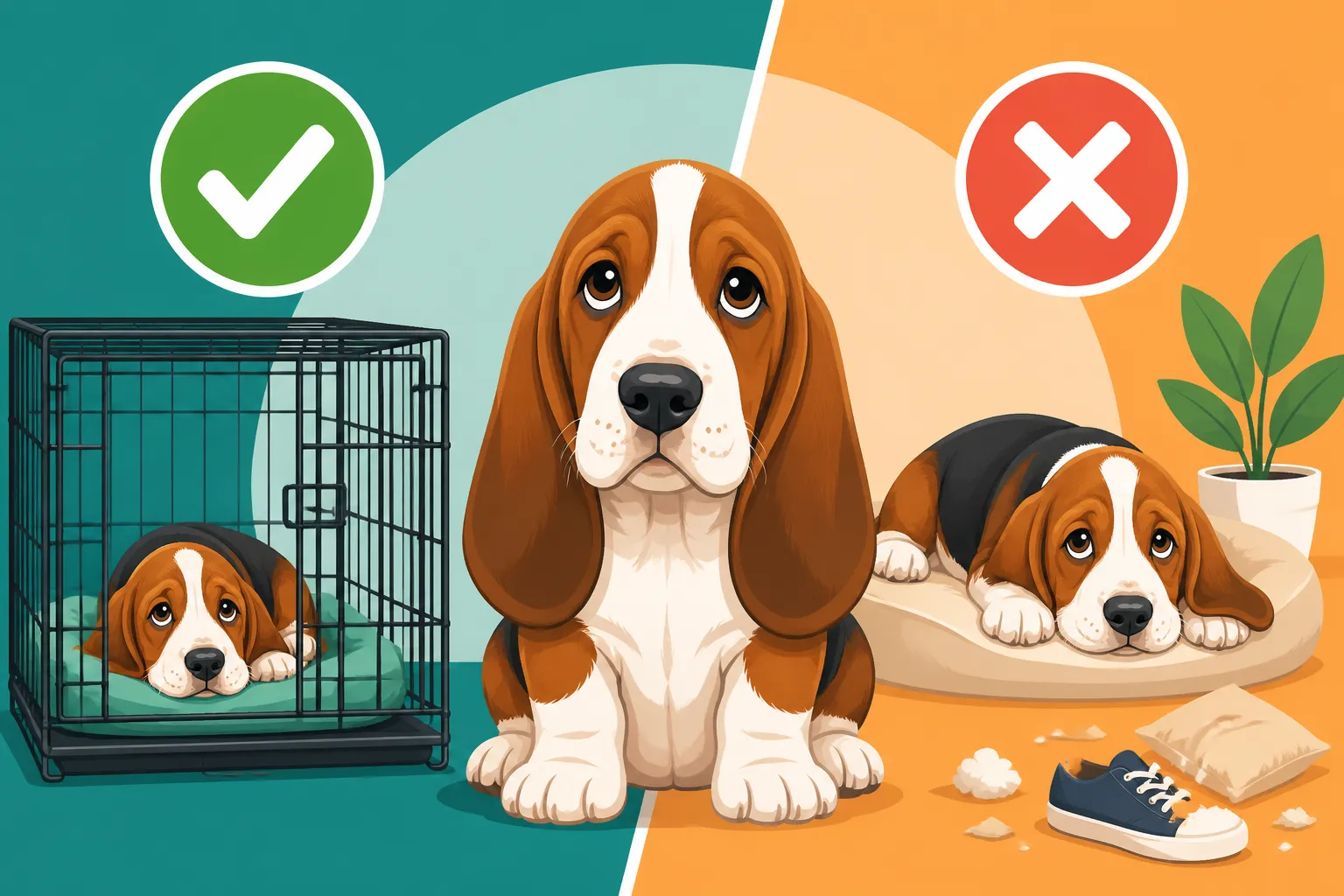
Whether a Basset Hound Puppy Should Be Crated
Bringing a Basset Hound puppy home is an exciting, often overwhelming, experience. You've got this adorable, floppy-eared bundle of joy, but also a tiny land shark prone to accidents and chewing. One question that quickly comes up for many new owners is whether a crate is truly necessary, or if it's just a modern trend. It feels daunting, doesn't it? This guide aims to thoroughly explore the ins and outs of crate training for your Basset Hound puppy, helping you understand its benefits, how to implement it correctly, and what alternatives might exist.
The Rationale Behind Crate Training for Basset Hounds
For a breed as unique and, shall we say, opinionated as the Basset Hound, crate training isn't just about convenience; it can be a cornerstone of a happy, well-adjusted puppy and a peaceful household. These dogs are intelligent but can also be incredibly focused on their noses, sometimes to the exclusion of all else, which means they can get into mischief quickly. A crate offers a safe, predictable space that helps them navigate the complexities of their new world.
Crate training taps into a dog's natural denning instincts. While wild canids don't typically "crate" themselves, they do seek out small, secure, den-like spaces for rest and safety. When introduced properly, a crate becomes their personal sanctuary, a place where they feel protected and can truly relax away from the hustle and bustle of family life. It's not about punishment, but about providing a safe retreat.
Safety and Security in a New Home
Imagine bringing a tiny, curious Basset Hound puppy into a sprawling human home. There are wires, shoes, remote controls, and all sorts of enticing smells and textures that scream "chew me!" or "eat me!" unattended. It's not that your puppy is being naughty; it's simply exploring its world the only way it knows how – with its mouth and nose. A crate acts as a crucial safety measure, especially when you can't have your eyes on them every single second.
When you need to step out for a few minutes, answer the door, or simply take a shower, knowing your Basset puppy is secure in their crate can alleviate a lot of anxiety. It prevents them from ingesting something harmful, chewing on valuable furniture, or having an accident in an inconvenient spot. For a breed known for its stubborn streak and deep commitment to exploring scents, this controlled environment can be a godsend. It's a way to keep them safe from themselves, allowing them to settle into their new surroundings without constant correction or danger.
A Potent Tool for House Training
One of the most powerful reasons to consider a crate for your Basset Hound puppy is its effectiveness in house training. Dogs, by instinct, prefer not to soil their sleeping area. This innate cleanliness is what makes the crate such a valuable asset for teaching bladder and bowel control. When the puppy is confined to a space just large enough for them to stand up, turn around, and lie down comfortably, they are far less likely to relieve themselves there.
This natural aversion to soiling their den encourages them to "hold it" until they are let out. The moment you release them from the crate, you take them directly to their designated potty spot outside. This creates a clear association: crate time means holding it, outside time means going potty. Over time, their bladder and bowel muscles strengthen, and they learn the appropriate place to do their business. This system can drastically reduce the number of indoor accidents and accelerate the house-training process, which is especially helpful for a breed that can sometimes take a little longer to grasp these concepts. You'll find that for How Long a Basset Hound Puppy Takes to House Train, a crate can make a significant difference.
Managing the Basset Hound's Destructive Phase
Let's be honest, Basset Hound puppies are adorable, but they can also be pint-sized wrecking balls. Their strong jaws and innate curiosity mean they love to chew, and if left unsupervised, anything from shoe laces to table legs can become a target. This isn't malice; it's just puppy behavior. The crate provides a safe space where this destructive energy can be redirected to appropriate chew toys, rather than your antique rug or expensive electronics.
By limiting their access to potential chew targets when you're not actively supervising, you prevent them from developing bad habits. This means less stress for you and fewer ruined items. Instead of constantly correcting them for chewing on the wrong thing, you can use the crate for short periods, providing them with safe, enriching toys. This teaches them what they are allowed to chew, and when they are out, they are more likely to seek out those approved items. It's about setting them up for success, rather than constantly battling their natural instincts. This also helps with the larger issue of Whether a Basset Hound Destroys Anything as a Puppy, channeling that energy constructively.
Setting Up the Perfect Crate Environment for Your Basset Hound Puppy
Once you've decided that crate training is the right path for your Basset Hound puppy, the next crucial step is creating a crate environment that feels safe, comfortable, and inviting. It shouldn't feel like a cage or a punishment; it needs to be their personal haven. Getting the setup right from day one will make the entire process smoother and more successful.
A well-appointed crate can make all the difference in how quickly your puppy accepts it. Think of it as their own little bedroom. Just as you wouldn't want to sleep in an uncomfortable, barren room, your Basset puppy deserves a cozy, stimulating space. This often involves more than just throwing a blanket in there; it's about thoughtful selection of the crate itself, its contents, and its placement within your home.
Choosing the Right Crate Size and Type
Choosing the correct crate size is paramount. Too large, and your Basset puppy might use one end as a potty area and the other as a sleeping space, defeating the purpose of house training. Too small, and it will be uncomfortable and stressful. For a Basset Hound puppy, you'll need a crate that allows them to stand up, turn around, and lie down comfortably. Since Basset Hounds grow into substantial dogs, often weighing as much as a Labrador despite their low stature, you'll likely need a large adult-sized crate right from the start.
Many crates, especially wire ones, come with divider panels. These are incredibly useful because they allow you to adjust the size of the crate as your puppy grows. You can start with a smaller section for house training, expanding it gradually until the puppy reaches its full adult size. As for type, wire crates offer good ventilation and visibility, which many dogs prefer. Plastic crates (often called "airline crates") can feel more den-like and are great for travel, but can be harder to clean and don't offer the flexibility of a divider. Consider what What a Crate That Fits a Basset Hound Costs will look like over time, as a single, adjustable large crate can be a smart investment.
Making the Crate a Cozy Den, Not a Prison
The key to successful crate training is making the crate a positive, inviting space. First, choose a comfortable, washable bed or blanket. Something soft and supportive will encourage relaxation. Avoid anything too bulky that might take up too much space or be easily destroyed by a persistent chewer. Many owners find durable, chew-resistant beds from brands available on Amazon to be excellent investments.
Next, add safe, engaging toys. Puzzle toys filled with treats or durable chew toys can make crate time a special event. These items provide mental stimulation and help redirect chewing urges, making the crate a place of enjoyment rather than boredom. Always remove collars or harnesses before crating to prevent snagging. Finally, consider the crate's location. Place it in a central, yet quiet, part of your home where your puppy still feels like part of the family, but can also retreat from excessive activity. Near your bed at night, or in the living room during the day, often works well. A cozy, inviting den is much more likely to be accepted than a stark, isolated box.
Introducing Your Puppy to Their New Space
The introduction phase is critical for establishing a positive association with the crate. Never force your Basset Hound puppy into the crate or use it as a punishment. This will only create negative feelings and make the process much harder. Instead, make it an inviting game. Start by placing treats, favorite toys, or even their meals inside the crate with the door open. Let them explore it at their own pace.
Once they're comfortable going in and out, start closing the door for very short periods, gradually increasing the time. Stay in the room at first, offering praise and small treats through the bars. The goal is to build up their comfort level slowly. You might even want to practice some basic commands like "crate" or "kennel up" with positive reinforcement, making it a cue for a rewarding experience. Consistency and patience are your best friends here. Don't rush it; a solid foundation now will pay dividends in the long run.
Establishing a Crate Training Schedule and Routine
A successful crate training journey for your Basset Hound puppy relies heavily on consistency and a well-thought-out schedule. Puppies thrive on routine, and knowing when to expect crate time, potty breaks, and playtime helps them understand what's expected and reduces anxiety. This isn't just about sticking them in a box; it's about integrating the crate thoughtfully into their daily life in a way that supports their development and your peace of mind.
Remember, the goal is for the crate to be a tool that helps create a harmonious home life, not a place where your puppy feels neglected or punished. Establishing clear routines around feeding, potty breaks, and exercise will naturally guide your puppy's association with the crate, making it a predictable part of their day.
How Long a Basset Hound Puppy Can Be Crated
This is one of the most common questions, and it's vital to get it right. A general rule of thumb is that a puppy can hold their bladder for approximately one hour per month of age, plus one. So, a 2-month-old puppy might manage 3 hours, and a 3-month-old, 4 hours. However, Basset Hounds can sometimes be a bit slower to develop full bladder control.
| Puppy Age (Months) | Maximum Crate Time (Day) | Maximum Crate Time (Night) | Key Considerations |
|---|---|---|---|
| 2-3 | 2-3 hours | 4-5 hours | Frequent potty breaks, never force |
| 3-4 | 3-4 hours | 6-7 hours | Increase gradually, continue positive reinforcement |
| 4-6 | 4-5 hours | 7-8 hours | Focus on routine, ensure ample exercise outside crate |
| 6+ | 5-6 hours | 8+ hours | Should be comfortable, never use for entire workday |
These are maximum guidelines. It's always better to err on the side of shorter periods, especially when you're just starting. Never leave a puppy in a crate for an entire workday without arrangements for potty breaks and social interaction. For The First Year With a Basset Hound Puppy, careful management of crate time is crucial for both their physical and emotional development. Extended periods of confinement without interaction can lead to stress, accidents, and resentment towards the crate.
Integrating Crate Time into Daily Life
Crate time should be part of a balanced daily routine, not an isolated event. Here’s how you can weave it in:
- Nap Time: Puppies, especially Basset Hounds, need a lot of sleep. Use the crate for scheduled naps during the day. This helps them learn to settle down and provides you with predictable quiet time. After a play session, a potty break, and a bit of cuddle time, guide them gently into their crate for a rest.
- Overnight: The crate should be in your bedroom or a nearby location so your puppy can hear and smell you. This provides comfort and helps you hear them if they need a potty break during the night. Most puppies won't be able to hold it all night initially, so be prepared for middle-of-the-night trips outside.
- When You Leave: For short absences, the crate offers a secure place. Always ensure they've had a potty break and some exercise beforehand. Give them a special, high-value chew toy that they only get in the crate when you leave. This helps create a positive association with your departure.
- Feeding Time: Some owners find feeding meals in the crate helps build a positive association. Place their food bowl in the back, close the door while they eat, and open it when they're finished.
Consistency is key. If you sometimes use the crate and sometimes don't, your Basset puppy will become confused. Stick to your routine, and they will learn to anticipate and accept crate time as a normal part of their day.
Addressing Crate-Related Challenges
It's rare for crate training to be perfectly smooth sailing. You might encounter some common challenges, especially with a Basset Hound's often vocal nature and "stubborn" reputation.
- Whining and Crying: This is perhaps the most common issue. Your puppy might whine, cry, or even bay loudly. It's tough, but the best approach is often to ignore it, provided you know they've been recently pottied and are safe. If you respond every time, you teach them that whining gets them out. Wait for a brief moment of quiet before opening the door. If the crying persists or seems distressed, ensure they don't need to go potty or aren't genuinely scared. Sometimes, moving the crate closer to you can help.
- Accidents in the Crate: If your puppy has accidents in the crate, it's usually a sign that the crate is too large, or you're leaving them in for too long. Re-evaluate the divider size and the length of crate sessions. Clean accidents thoroughly with an enzymatic cleaner to remove all scent.
- Refusal to Enter: If your Basset puppy actively resists going into the crate, you might have rushed the introduction phase. Go back to basics: make it super inviting with treats and toys, and never force them in. Make it a game. Consider enrolling in online puppy training programs, like those offered by BAXTER & Bella, which often provide excellent guidance on positive crate training techniques and troubleshooting common issues. Their methods focus on building a strong, positive relationship, which is essential for a Basset Hound. For Whether a Basset Hound Is Stubborn or Just Not Interested, positive reinforcement in crate training is far more effective than force.
Addressing these challenges with patience and consistency will strengthen your Basset Hound puppy's comfort with their crate and make it a genuinely beneficial tool for their early development.
When Crate Training Might Not Be the Best Fit
While crate training offers numerous benefits for many Basset Hound puppies and their families, it's important to acknowledge that it's not a one-size-fits-all solution. Some puppies, despite all best efforts, may experience genuine distress in a crate, or an owner's lifestyle simply isn't conducive to proper implementation. It's crucial to be honest about your situation and your puppy's individual temperament.
There's no shame in admitting that crate training isn't working or isn't right for you. The ultimate goal is to provide a safe, happy, and secure environment for your Basset Hound, and there are multiple paths to achieving that. Understanding the signs of distress and knowing alternative management strategies can help you make informed decisions for your unique situation.
Identifying Signs of Crate Distress
It’s one thing for a puppy to whine a bit when you first put them in the crate; it’s another for them to be genuinely distressed. Recognizing the difference is important. Signs of severe crate distress might include:
- Persistent, frantic barking or howling: Beyond typical puppy protest, this sounds panicked and doesn't subside.
- Excessive drooling, panting, or shaking: These are physiological signs of extreme anxiety in dogs.
- Attempting to escape frantically: Chewing at the bars, frantically digging, or injuring themselves trying to get out.
- Uncontrolled urination or defecation, even after short periods: If a puppy soils their crate frequently despite appropriate sizing and frequent potty breaks, it could indicate severe anxiety.
- Self-harm: While rare, some highly anxious dogs might chew at themselves or hurt their paws trying to escape.
If you observe these signs, especially when they persist despite consistent, positive training efforts, it's a red flag. It may mean the crate is causing more harm than good for your particular Basset Hound puppy. In such cases, pushing the crate could damage their trust and lead to long-term anxiety issues. A vet or a certified professional dog trainer can help you assess the situation and suggest a different approach.
Exploring Alternatives to Crate Training
If crate training isn't working out, don't despair! There are effective alternatives to manage your Basset Hound puppy safely and continue their house training.
- Puppy-Proofed Room: Designate a small, safe room or area of your home, such as a laundry room, kitchen, or bathroom, that you can completely puppy-proof. Remove anything that could be chewed, eaten, or otherwise damaged. Ensure it has an easy-to-clean floor. This gives your puppy more space to move around but still limits their access to danger.
- Exercise Pen (X-Pen): An exercise pen is a fantastic alternative or complement to a crate. It provides a larger, safe enclosed space where your puppy can have a bed, toys, and even a potty pad if needed. This is particularly useful for longer absences or for puppies who need more room. You can connect it to a crate or use it standalone. It gives them enough room to stretch out and play without free-roaming the house. This also addresses issues like Whether a Basset Hound Should Be Blocked From Stairs by confining them to a safe ground-level area.
- Tethering: When you are home and actively supervising, tethering your puppy to you (or a sturdy piece of furniture near you) on a short leash can prevent accidents and unwanted chewing. This keeps them in your sight and allows for immediate correction or redirection, helping them learn appropriate behavior in a less restrictive way.
No matter the method, supervision, consistency, and plenty of positive reinforcement remain key. The goal is always to teach your Basset Hound puppy good habits, keep them safe, and build a strong bond.
Long-Term Crate Use: When Does It Become Excessive or No Longer Necessary?
For many dogs, the crate transitions from a mandatory management tool to a comforting den they choose to use throughout their lives. As your Basset Hound matures, their bladder control improves, and they learn house rules. At this point, you might find yourself questioning the necessity of continuous crating.
A crate should never be used for excessively long periods. An adult Basset Hound, for instance, should not be crated for 8-10 hours every day while you're at work, without a mid-day break. This can lead to physical discomfort, psychological stress, and behavioral issues. While a few hours is usually fine, all day, every day is too much. It's about finding a balance.
Many adult Basset Hounds will happily retreat to their crate for naps or when they want quiet time, even with the door left open. Others might prefer a dog bed in a quiet corner. If your adult Basset is reliably house trained, respectful of household items, and calm when left alone, you might gradually transition them to having more freedom in a puppy-proofed room or even the entire house. This process should be gradual, starting with short periods of unsupervised freedom and slowly increasing the time as they prove themselves trustworthy. Ultimately, whether a crate remains a regular part of their adult life depends on your individual dog's needs, temperament, and your household routine.
Disclaimer
This article is for general informational purposes only and does not constitute professional advice. Laws, prices and regulations vary by location and change over time. Consult a qualified professional for guidance on your specific situation.