Whether a Cheap Basset Hound Is a Warning Sign
Oh, the irresistible charm of those long, soulful eyes and floppy ears! It’s no wonder so many of us fall head over heels for Basset Hounds. But let’s be brutally honest: when you see a Basset Hound puppy advertised for a price that seems almost too good to be true, your alarm bells should be ringing louder than a Basset on a scent trail. That tempting low price tag can quickly turn into a financial and emotional black hole, saddling you with unforeseen health problems, behavioral challenges, and veterinary bills that far outstrip any initial savings. This guide will walk you through why a suspiciously cheap Basset Hound is almost always a warning sign and what the true costs of responsible ownership really entail.
The Allure of a Low Price Tag and Why It's Often a Trap
It’s completely natural to want a good deal, especially when bringing a new furry family member home. Pet ownership can be expensive, and everyone looks for ways to save a few dollars. But with Basset Hounds, that pursuit of a bargain can lead to heartbreak and an empty wallet in the long run. The initial price of a puppy from a reputable breeder might seem steep, but it reflects the immense investment in health, genetics, and proper care that goes into producing a healthy, well-adjusted dog.
The Immediate Appeal of "Affordable" Puppies
Imagine scrolling through online classifieds, and there it is: a picture of an adorable Basset Hound puppy, with a price listed at a fraction of what you've seen elsewhere. Your heart skips a beat, and you think, "Finally, a Basset Hound I can afford!" This initial rush is what breeders operating on the fringes, or outright puppy mills, bank on. They know that the emotional connection to a cute puppy can override logical reasoning, making people overlook glaring red flags.
These "affordable" puppies often come from situations where profit is the sole motivation, not the well-being of the animals. They might be advertised as "purebred" without any supporting documentation or health guarantees. The sellers are quick to make a sale, often pressuring potential buyers and making it difficult to visit the breeding environment or meet the puppy's parents. It’s a transaction designed to be as swift and impersonal as possible, distancing the buyer from the often dismal reality of the puppy’s origins. The perceived savings upfront can feel like a victory, but it's a short-lived one, setting the stage for significant challenges down the road that many new owners aren't prepared for.
Understanding True Basset Hound Breeding Costs
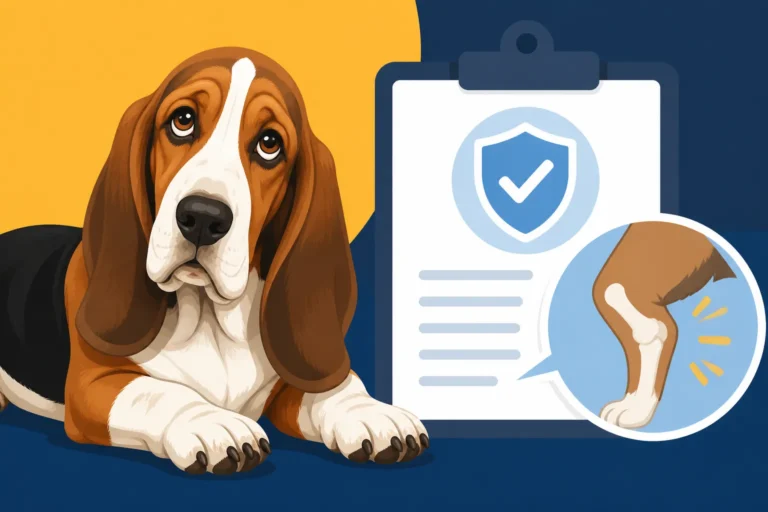
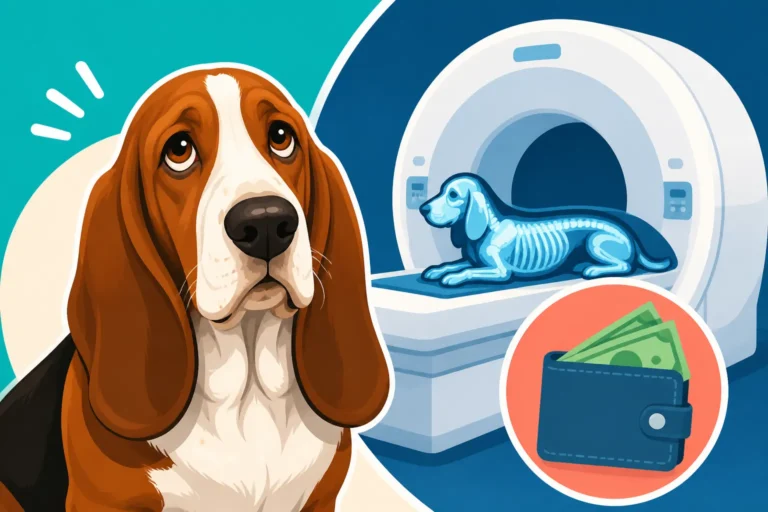
A genuinely responsible breeder puts a tremendous amount of time, effort, and money into their breeding program. This isn't just about feeding the dogs; it's a comprehensive process. Before a litter is even conceived, both parent dogs undergo extensive health screenings to rule out genetic conditions common in Basset Hounds, such as elbow and hip dysplasia, glaucoma, and certain bleeding disorders like thrombopathia. These tests are not cheap, often involving specialist veterinarians, X-rays, and genetic panels. For more detail on these essential checks, consider looking into The Health Tests a Basset Hound Breeder Should Run.
Beyond health clearances, there's the cost of quality nutrition for the pregnant mother, veterinary care during pregnancy, and potential complications like C-sections, which are not uncommon in some breeds. Once the puppies arrive, they require round-the-clock care, proper nutrition (high-quality puppy food, often from trusted brands found on platforms like Chewy), multiple rounds of vaccinations, deworming, and microchipping. Early socialization, handling, and a clean, stimulating environment are also crucial for their development. When you purchase a puppy from a reputable breeder, that higher price tag is a reflection of all these critical investments, aimed at giving you the healthiest, happiest, and most well-adjusted Basset Hound possible. They’re investing in the future of the breed and, by extension, the future of your family companion.
Health Red Flags Hidden in Plain Sight
The real cost of a "cheap" Basset Hound almost always surfaces in the form of unexpected and often exorbitant veterinary bills. The breed is predisposed to several health conditions, and responsible breeders work diligently to minimize these risks. When corners are cut, your wallet, and your heart, pay the price.
The Inherited Woes of Unscreened Parents
Basset Hounds, with their unique conformation, are unfortunately prone to several hereditary health issues. Without proper health screening of the parent dogs, a breeder is essentially gambling with the health of every puppy in the litter. Common issues include severe ear infections due to their long, heavy ears and narrow canals; eye problems like glaucoma and entropion/ectropion; and serious orthopedic conditions such as elbow dysplasia and intervertebral disc disease (IVDD) in their long backs.
When you bring home a puppy from parents who haven’t been screened, you dramatically increase the chances that your adorable pup will develop one or more of these costly and painful conditions. Imagine facing a diagnosis of The Glaucoma a Basset Hound Inherits or needing lifelong management for The Ear Infections That Never Really Leave a Basset Hound. These aren't just minor inconvenences; they can involve expensive medications, multiple specialist visits, and potentially complex surgeries. The initial savings on the puppy quickly evaporate, replaced by a mountain of bills that can overwhelm even the most devoted owner. Responsible breeders share their health clearances transparently, offering peace of mind that a cheap seller simply cannot.
Neglected Puppy Care and Early Issues
Beyond genetic predispositions, puppies from low-cost, high-volume operations often suffer from neglect during their critical early weeks. This can manifest in several ways. They might be housed in unsanitary conditions, leading to persistent parasites like worms or giardia, or even severe bacterial infections. Proper nutrition might be lacking, resulting in stunted growth or compromised immune systems. They might miss crucial vaccinations, leaving them vulnerable to highly contagious and deadly diseases like parvovirus or distemper.
A puppy that hasn't received appropriate veterinary care, vaccinations, and nutrition in its first few months is already at a disadvantage. You might adopt a puppy only to find out it needs extensive deworming, multiple rounds of vaccinations, and treatment for conditions like kennel cough or other infections. These are all expenses that a responsible breeder would have covered before the puppy ever left their home. The goal of a "cheap" breeder is often to offload puppies as quickly as possible, often before they are truly ready, passing these immediate and costly health burdens onto the unsuspecting buyer. This early neglect can set the stage for a lifetime of compromised health, impacting their overall well-being and longevity.
The Long-Term Veterinary Bills
It's one thing to deal with a few initial vet visits; it's quite another to face ongoing, chronic health issues. The health problems stemming from poor breeding practices or neglect can lead to a lifetime of specialized care. For example, a Basset Hound prone to severe ear infections might require regular, expensive ear flushes and medicated drops, sometimes for years. A dog with advanced elbow dysplasia might need joint supplements, pain medication, and potentially surgery, followed by physical therapy. You might even find yourself contemplating Whether a Basset Hound Needs Ear Surgery or facing significant costs for back issues.
These long-term conditions don't just drain your bank account; they take an immense emotional toll. Watching your beloved Basset Hound suffer, dealing with chronic pain or mobility issues, is heartbreaking. This is where pet insurance can be a lifesaver, and providers like Healthy Paws offer coverage that can help mitigate these costs, but even then, pre-existing conditions (often inherent in poorly bred puppies) may not be covered. While no dog is guaranteed perfect health, investing in a responsibly bred puppy significantly reduces the odds of encountering these severe, lifelong challenges, making the true cost of ownership more predictable and manageable.
Behavioral and Temperament Concerns
A Basset Hound's charm isn't just in its looks; it's in their famously laid-back, affectionate, and sometimes comical personality. However, a "cheap" puppy often comes with behavioral baggage that can be just as challenging, if not more so, than health issues. These problems frequently stem from a lack of proper socialization and an unstable early environment.
The Impact of Poor Socialization and Environment
The first few weeks and months of a puppy's life are crucial for its behavioral development. During this time, puppies learn to interact with their world, including people, other dogs, and various sights and sounds. Puppies raised in puppy mills or by irresponsible backyard breeders are often kept in isolated, sterile, or even abusive environments. They don’t experience a normal household, rarely interact positively with humans, and might not be exposed to common noises or situations.
This lack of early socialization can lead to a host of behavioral problems. You might find your Basset Hound puppy is overly shy, fearful of new people or places, or struggles with separation anxiety. Some might even develop aggression out of fear. A Basset Hound puppy that hasn’t been gently handled, exposed to household sounds like vacuums or doorbells, or allowed to interact with different people will have a much harder time adjusting to a family home. This isn't just about training; it's about repairing fundamental gaps in their early development, which can be an incredibly uphill battle, requiring immense patience and often professional intervention.
Unforeseen Training Challenges
Basset Hounds have a reputation for being delightfully stubborn, and while this is part of their charm, it also means they benefit greatly from consistent, positive reinforcement training from an early age. A puppy with a shaky start in life, compounded by poor socialization, can present significant training hurdles. Issues like house-training can become prolonged nightmares if the puppy wasn't kept in a clean environment where they learned to separate their living space from their toilet area. For guidance on getting through the initial stages, you might find articles like How Long a Basset Hound Puppy Takes to House Train helpful.
Furthermore, a poorly socialized Basset might struggle with leash manners, be reactive to other dogs, or exhibit destructive behaviors out of anxiety or boredom. Owners often find themselves investing in expensive private training sessions or specialized behavioral modification programs to address issues that could have been largely avoided with proper early care. This isn't just about teaching commands; it's about building trust and confidence in a dog that may have learned to fear or mistrust the world. The joy of a new puppy can quickly turn into frustration and stress when faced with these persistent behavioral challenges, reminding you that "cheap" rarely equates to "easy."
Spotting the Questionable Breeder or Seller
Recognizing the warning signs of a questionable breeder or seller is paramount to avoiding the pitfalls of a "cheap" Basset Hound. These individuals often prioritize quick sales over the welfare of their animals, and their practices stand in stark contrast to those of ethical, responsible breeders.
Online Listings and Pet Store Pitfalls
One of the most common places to find "cheap" puppies is through online classifieds, social media marketplaces, or even some pet stores. While legitimate breeders do use online platforms, a major red flag is when the seller pushes for a quick transaction, refuses home visits, or cannot provide extensive information about the puppy's background. Be wary of generic photos, multiple breeds being sold by the same individual, or sellers who only communicate via text messages and seem evasive. Many online listings are fronts for puppy mills, which are mass breeding facilities where dogs are treated as commodities, often living in squalid conditions with minimal veterinary care.
Pet stores, especially those that source from commercial breeders (i.e., puppy mills), are another common source of cheap, often unhealthy puppies. While some reputable pet stores exist, those selling puppies often conceal their origins. They might tell you the puppy came from a "local breeder," but without transparency, it's impossible to verify. Always ask directly where the puppies come from, demand to see parentage information, and be skeptical if you're not allowed to see the actual breeding environment. True ethical breeders rarely, if ever, sell their puppies through pet stores.
The Lack of Transparency and Support
A hallmark of a reputable breeder is their transparency and willingness to provide ongoing support. When you’re dealing with a seller offering a cheap Basset Hound, this transparency is almost always absent. They might not show you the puppy’s parents, claiming they are "out" or "not available." They won't provide health clearances for the parents or veterinary records for the puppy (like vaccination dates, deworming history). They might offer a vague "health guarantee" that is full of loopholes or impossible to enforce.
Furthermore, a responsible breeder will ask you as many questions as you ask them. They want to ensure their puppies are going to loving, appropriate homes. A seller who doesn't care about your living situation, your experience with dogs, or your ability to care for a Basset Hound is a huge red flag. They won’t offer post-purchase support for training or health questions, nor will they take the dog back if circumstances change. They're in it for the transaction, not the lifetime well-being of the animal. Remember, when you choose a reputable breeder, you're not just buying a puppy; you're gaining a mentor and a support system for the life of your Basset Hound.
The True Cost of Responsible Basset Hound Ownership
Let's face it: getting a Basset Hound is an investment, both financially and emotionally. Choosing a responsibly bred puppy might seem more expensive upfront, but it’s an investment in a healthier, happier, and more predictable future with your furry companion. The peace of mind and reduced stress are truly priceless.
Investing in a Reputable Breeder
When you commit to purchasing a Basset Hound from a reputable breeder, you're not just paying for the puppy; you're paying for years of experience, meticulous genetic screening, proper veterinary care, and early socialization. This investment significantly reduces the likelihood of encountering the devastating health and behavioral issues that plague cheaply bred dogs. A reputable breeder's Basset Hound puppy typically costs anywhere from $1,500 to $3,000 or more, depending on location, lineage, and whether they are show or pet quality. For a deeper dive into these figures, check out What a Basset Hound Puppy Costs From a Real Breeder.
This price ensures that the parents have been screened for common ailments like Elbow Dysplasia in a Basset Hound and eye conditions, and that the puppies have received proper vaccinations, deworming, and socialization during their critical early weeks. They often come with a health guarantee, giving you recourse if a serious genetic issue emerges. Moreover, you gain a lifetime resource in the breeder, someone who genuinely cares about their dogs and is there to answer your questions and provide guidance as your Basset grows. This foundational investment sets your Basset Hound up for the best possible start in life, minimizing future surprises and maximizing the joy they bring.
Budgeting for Lifetime Care
Beyond the initial puppy cost, responsible Basset Hound ownership involves a significant ongoing financial commitment. Thinking about What a Basset Hound Costs a Year to Keep reveals that the purchase price is just the tip of the iceberg. You’ll need to budget for high-quality food, treats (consider options from brands like Ollie for fresh, nutritious meals), routine veterinary check-ups, vaccinations, parasite prevention, and unexpected medical emergencies.
Comparison of Initial vs. Potential Lifetime Costs (Estimates)
| Item/Scenario | "Cheap" Puppy (Backyard Breeder/Mill) | Reputable Breeder Puppy |
|---|---|---|
| Initial Puppy Cost | $500 – $1,500 | $1,500 – $3,000 |
| First Year Vet Bills (Routine) | $300 – $800 | $300 – $800 |
| Potential First Year Vet Bills (Health Issues) | $1,000 – $5,000+ (for ear infections, parasites, undiagnosed genetic issues) | $300 – $1,000 (minor issues, if any) |
| Specialized Food/Supplements | High likelihood needed for allergies, joint issues | Lower likelihood, but possible |
| Behavioral Training | High likelihood of needing professional help ($500-$2,000+) | Lower likelihood, basic puppy classes often sufficient ($150-$500) |
| Pet Insurance (Annual) | Recommended, but pre-existing conditions often excluded if issues appear early. Premiums can be higher. | Recommended, good coverage for new conditions. |
| Total Estimated First Year Cost | $2,300 – $9,300+ | $1,950 – $4,300 |
These are estimates and can vary significantly based on location, specific vet costs, and severity of health issues.
Regular grooming, including nail trims and cleaning those magnificent long ears, is also essential. You might need specific supplies like a snood to keep their ears out of food or water (see Whether a Basset Hound Needs a Snood at Dinner). Pet insurance, like policies from Healthy Paws, is a smart investment to help cover the costs of unexpected illnesses or accidents. Even with a well-bred dog, life happens, and insurance can prevent financial strain during emergencies. Ultimately, the joy and companionship a Basset Hound brings are immeasurable, but being realistic about the financial commitment from the outset ensures you can provide the best possible life for your beloved, wrinkly friend. Neglecting to budget for these ongoing costs can lead to difficult decisions down the line, highlighting why being properly informed is key before bringing home your Basset.
Disclaimer
The information provided in this article is for general informational purposes only and is not intended as a substitute for professional veterinary advice. Always consult with a qualified veterinarian or animal health professional for any health concerns or before making any decisions about your pet's health or care.