Whether a Basset Hound Is Safe at a Dog Park
It’s a common dream for dog owners: picturing their beloved companion frolicking happily with other pups at the local dog park, burning off energy and making new friends. But if you're a Basset Hound parent, you might find yourself wondering if this idyllic scene is truly a safe or suitable environment for your unique, scent-driven companion. This comprehensive guide will delve into the specific characteristics of Basset Hounds that make dog parks a mixed bag, helping you understand the potential benefits, pitfalls, and how to make the best choices for your floppy-eared friend.
Understanding the Basset Hound Temperament at the Park
Basset Hounds are truly one-of-a-kind. Their laid-back demeanor, incredible nose, and distinctive physical build set them apart from many other breeds you'll encounter at a typical dog park. Understanding these core traits is the first step to deciding if a dog park is the right fit, or how to navigate it safely.
The Scent-Driven Nature and Its Dog Park Challenges
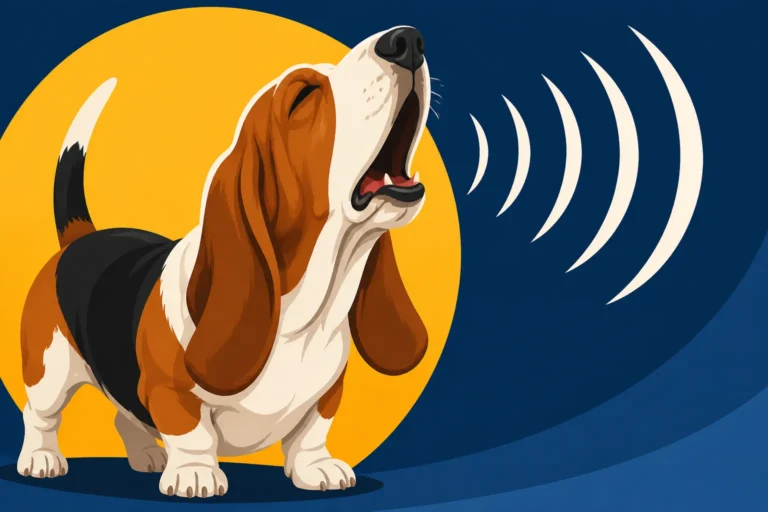
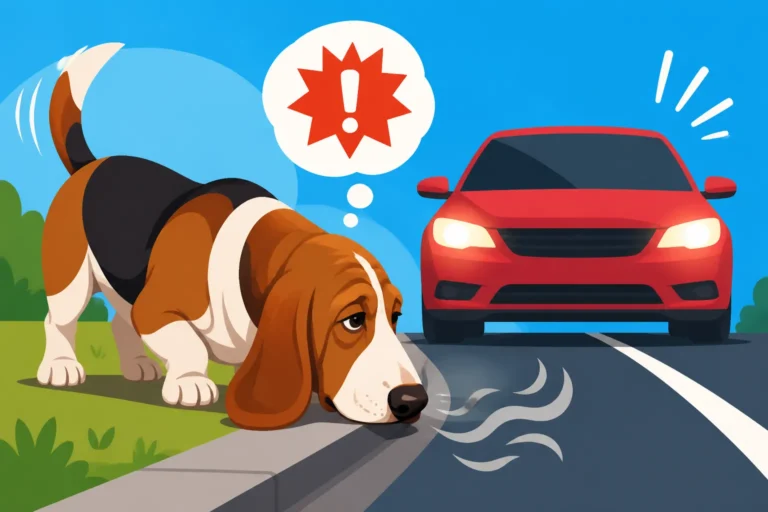
Let's be honest, a Basset Hound's world revolves around its nose. These dogs were bred for centuries to follow a scent trail, and that instinct is deeply ingrained. When your Basset Hound steps into a dog park, it's not just seeing other dogs; it's entering a symphony of smells. Every blade of grass, every fence post, every puddle tells a story, and your Basset is absolutely compelled to read every single word. This isn't naughtiness or a lack of attention; it's simply who they are. Why a Basset Hound Ignores You on a Scent is a question many owners ponder, and the answer often lies in that powerful olfactory drive.
This intense focus on scent can lead to a couple of challenges in a dog park setting. Firstly, recall becomes incredibly difficult. If your Basset catches wind of an interesting new smell, calling their name might as well be whispered into a hurricane. They are in their own world, following that invisible thread, and the social dynamics of the park become secondary. This means they might wander far from you, potentially into areas with less supervision or even towards an open gate if one exists. Secondly, it can lead to misunderstandings with other dogs. A Basset with its nose to the ground might inadvertently walk into the personal space of another dog who's less tolerant, simply because they weren't paying attention to visual cues. They're not trying to be rude; they're just on a mission, and that mission is almost always smell-related.
Basset Hound Sociability and Play Styles
Generally speaking, Basset Hounds are known for their gentle and amiable disposition. They tend to be good-natured and tolerant, often getting along well with other dogs, people, and even children. You might think this makes them perfect candidates for dog park fun, and in some respects, it does. They usually aren't looking for a fight and prefer to de-escalate rather than engage in conflict. Whether a Basset Hound Gets Along With Other Dogs is a common concern for new owners, and for the most part, the answer is a resounding yes.
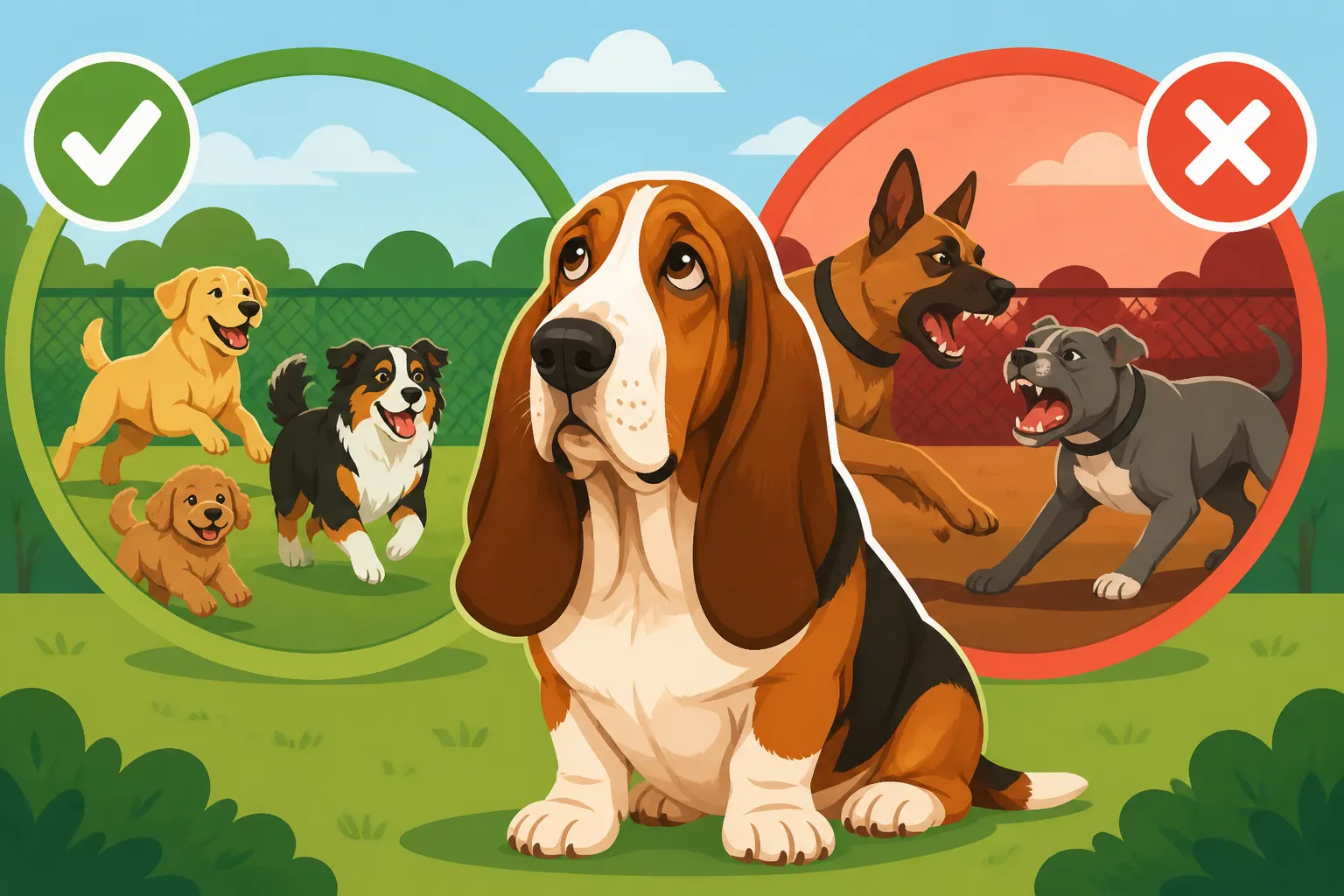
However, their play style isn't always a match for the boisterous, high-energy antics of many dog park regulars. While a Labrador or a Border Collie might love a fast-paced game of chase or rough-and-tumble wrestling, a Basset Hound is more likely to engage in a slow, meandering sniff-fest or a low-key social interaction. Their short legs and heavy build aren't designed for sustained sprints or agile dodging. They might enjoy a brief waddle with another dog, or a gentle sniff-around, but they're rarely the ones initiating or participating in the full-speed zoomies. This mismatch in play style can lead to a Basset feeling overwhelmed or even inadvertently injured by more energetic playmates who don't understand their more sedate approach. They are often content to observe from the sidelines or explore the periphery, making the "dog park experience" a bit different for them than it is for other breeds.
Potential Risks for Basset Hounds at Dog Parks
While the idea of a dog park is appealing, it's crucial for Basset Hound owners to be aware of the specific risks their beloved hounds face in such environments. Their unique physiology and behavioral tendencies, while endearing, can make them vulnerable.
Physical Vulnerabilities in a High-Energy Environment
Basset Hounds have a distinct build that, while charming, isn't built for the rough-and-tumble of a typical dog park. Their long, heavy bodies are supported by short, bowed legs, making them prone to certain orthopedic issues. The risk of back injuries, specifically intervertebral disc disease (IVDD), is a constant concern for Basset owners. The Back Trouble a Basset Hound Is Built Into is not a minor detail; it's a serious consideration for their lifelong health. A sudden jolt, a clumsy collision with a faster, larger dog, or even an awkward jump could potentially lead to a slipped disc, resulting in pain, weakness, or even paralysis. Similarly, their joints, particularly their elbows, can be susceptible to issues like elbow dysplasia. Why One Basset Hound in Seven Has Bad Elbows highlights another reason to be cautious. High-impact play, quick turns, or unexpected falls could exacerbate existing conditions or contribute to new ones.
Beyond their skeletal structure, Basset Hounds have long, pendulous ears and loose skin. These features, while part of their charm, can easily become targets for accidental injury. A playful nip from another dog, a snag on a branch, or even being stepped on during chaotic play can result in cuts, tears, or painful hematomas on their delicate ear flaps. Their droopy eyelids (ectropion) can also leave their eyes more exposed to dust, debris, or a stray paw during play, increasing the risk of irritation or injury. We also can't forget the ground. With their low stature, a Basset's chest and belly are closer to potentially rough or uneven terrain, or even puddles of unknown origin. They are not built for agile maneuvering, making them more susceptible to twists and strains in a fast-moving, unpredictable environment.
Behavioral Mismatches with Other Breeds
The wonderful, laid-back personality of a Basset Hound can sometimes be their downfall in the dog park. While they are generally friendly, their communication style and physical cues might be misunderstood by other breeds. A Basset’s slow, deliberate movements and often mournful expression might not convey typical "play invitations" that more excitable dogs understand. Instead, a fast-moving dog might interpret a Basset's lack of immediate response as a challenge or simply steamroll over them unintentionally.
Furthermore, a Basset Hound’s primary interest in scent exploration means they might not engage in typical dog park social rituals. While other dogs are making eye contact, chasing, and performing play bows, your Basset might have its nose firmly glued to the ground, oblivious to the social dance happening around them. This can lead to frustration for other dogs, or your Basset simply being ignored or, worse, targeted. Some dogs might see a Basset's non-engagement as a sign of weakness or disinterest, leading to a breakdown in communication that could result in unwanted interactions. It's a classic case of different species speaking different languages, even within the same species. While a Basset Hound in a House With Children is usually a gentle presence, the uncontrolled environment of a dog park brings a different dynamic.
| Dog Park Aspect | Basset Hound Pros | Basset Hound Cons |
|---|---|---|
| Socialization | Generally tolerant and friendly with other dogs | Play style often mismatches high-energy breeds |
| Exercise | Can enjoy a leisurely sniff-walk | Unsuited for sustained running or rough play |
| Safety (Physical) | None, usually at a disadvantage | Prone to back/joint injury, ear/eye damage |
| Safety (Behavioral) | Rarely initiates conflict | Scent focus hinders recall; communication misunderstandings |
| Mental Stimulation | Rich scent environment for sniffing | Overstimulating chaos can be stressful |
Creating a Safer Dog Park Experience for Your Basset Hound
If you're still keen on taking your Basset to a dog park, or you simply have no other option for a particular outing, there are definitely steps you can take to minimize risks and make the experience as positive as possible for both of you. It's all about being a proactive and observant advocate for your hound.
Choosing the Right Park and Time
Not all dog parks are created equal, and timing can be everything. When considering a dog park for your Basset Hound, look for facilities that offer separate areas for small and large dogs. While your Basset might weigh as much as a Labrador Why a Basset Hound Weighs as Much as a Labrador, their low stature and slower pace often make them better suited to play with smaller, less boisterous companions. If separate areas aren't available, look for parks that are less crowded or have ample space for dogs to spread out. A small, packed park can quickly become overwhelming and dangerous for a Basset.
Consider visiting during off-peak hours. Early mornings or late evenings on weekdays often mean fewer dogs and a calmer atmosphere. This gives your Basset more room to explore scents at their own pace without the constant threat of being run over by a galloping greyhound or a boisterous boxer. Observing the regular attendees and their owners is also key. Are the owners attentive and quick to intervene if play gets too rough? Are the dogs generally well-mannered, or is it a free-for-all? A dog park with responsible owners and well-socialized dogs will always be safer. Always scout the park beforehand for any hazards like broken fencing, sharp objects, or slippery surfaces that could pose a risk to your Basset's unique physique.
Essential Gear and Supervision Techniques
Even in the safest dog park, vigilant supervision is non-negotiable for a Basset Hound. Never just let your Basset off-leash and scroll through your phone. You need to be actively engaged, watching their body language and the interactions around them. Keep an eye out for signs of stress (tail tucked, yawning, lip licking, trying to hide behind you) or any rough play developing. Don't hesitate to step in and remove your Basset from a situation if it's escalating or if they seem uncomfortable. Remember, you are their protector.
Proper gear is also critical. A well-fitting harness, rather than just a collar, is strongly recommended. A harness distributes pressure evenly across their chest, preventing strain on their neck and throat, especially if you need to quickly grab them or guide them away from trouble. Which Harness Suits a Basset Hound is a great place to start your research; you'll find plenty of options on sites like Amazon that cater to their unique build. Given their incredible scent drive and potential for "selective hearing," a long line can be an invaluable tool. It allows them more freedom to explore scents while still giving you control if they wander too far or head towards danger. Even if your Basset has an impeccable recall at home, The Recall a Basset Hound Will Never Reliably Give You in a highly stimulating environment like a dog park is a real concern. A tracking collar with GPS capabilities, also readily available on platforms like Amazon, could provide immense peace of mind, especially for Basset Hounds known for their wandering tendencies. Whether a Basset Hound Needs a Tracking Collar is a question many owners answer with a resounding yes after a heart-stopping moment at the park.
Alternative Socialization and Exercise for Your Basset Hound
Let's be real: for many Basset Hounds, the traditional dog park isn't always the best fit. That's perfectly okay! There are so many wonderful ways to provide your Basset with mental stimulation, exercise, and appropriate socialization that cater specifically to their breed characteristics, without the inherent risks of a chaotic public park.
Structured Playdates and Small Group Settings
Instead of the free-for-all of a dog park, consider arranging controlled playdates with dogs you know are a good match for your Basset's temperament and play style. This could be a friend's calm dog, a fellow Basset owner you've met through a breed club, or a neighbor with a similarly sized and energy-level dog. A small, familiar group in a secure, enclosed yard (or even your living room!) allows for much safer and more meaningful social interaction. You can supervise closely, intervene if needed, and ensure that the play remains gentle and appropriate for your Basset's body.
These structured play sessions are fantastic because they reduce the element of surprise and uncertainty. Your Basset isn't suddenly confronted by a dozen new smells and unfamiliar dogs. Instead, they can gradually get comfortable with one or two new friends. This also means you can control the duration of the play, stopping before your Basset gets too tired or overwhelmed. It's a much more tailored approach to socialization that prioritizes quality over quantity, and safety over spontaneity. You might even find local Basset Hound meet-up groups in your area, which offer a great way for your hound to interact with dogs of their own kind, who inherently understand the Basset way of sniffing and waddling.
Engaging the Basset Hound's Nose at Home
Remember that incredible nose? It's not just a potential hazard at the dog park; it's also your most powerful tool for enriching your Basset Hound's life and tiring them out mentally. A tired nose is often a happy, well-behaved Basset! Instead of relying on physical exertion, which their bodies aren't built for, focus on activities that let them use their natural talents. Giving a Basset Hound's Nose Something to Do is one of the kindest things you can do for your dog.
Scent work games are incredibly fulfilling. This could be as simple as hiding treats around your house or yard and letting your Basset "hunt" for them. Snuffle mats and puzzle toys, widely available from retailers like Amazon, are fantastic for this purpose, turning mealtime into a mental challenge. You can also explore more formalized nose work classes. These classes are designed specifically to engage a dog's sense of smell and teach them to search for specific odors. It's a fantastic way to build their confidence, provide mental stimulation, and fulfill their innate desire to track, all in a controlled and safe environment. Many online dog training platforms, such as BAXTER & Bella, offer resources and guidance on how to start scent work activities at home, making it accessible to any owner. These activities don't require high-impact movements, eliminate the risk of negative interactions with other dogs, and can leave your Basset just as satisfied and tired as a long run would a different breed. Plus, it strengthens the bond between you and your hound as you work together on these fun, engaging tasks.
Disclaimer
This article is for general informational purposes only and does not constitute professional advice. Laws, prices and regulations vary by location and change over time. Consult a qualified professional for guidance on your specific situation.