Whether a Basset Hound’s Eye Folds Collect Discharge
It's a common sight for us Basset Hound parents: that little bit of gunk collecting in the corners of their eyes, or even running down their adorable, wrinkled faces. You stare at it, wondering if it's normal "sleepy dust" or something more serious. The truth is, a Basset Hound's unique facial anatomy, particularly those wonderfully expressive, droopy eyes and copious skin folds, makes them especially prone to collecting eye discharge. This guide will walk you through what's normal, what's not, and how to keep those precious eyes healthy and clean.
The Unique Anatomy That Makes Basset Hounds Prone to Eye Discharge
Let's face it, our Bassets are built differently, and that includes their eyes and the skin around them. While these features give them their signature soulful look, they also create unique challenges when it comes to eye health and keeping things clean. It's not just a cosmetic thing; these anatomical quirks can actively contribute to the collection of discharge and even lead to bigger issues if not managed properly.
The Eyelids and Their Role in Collecting Debris
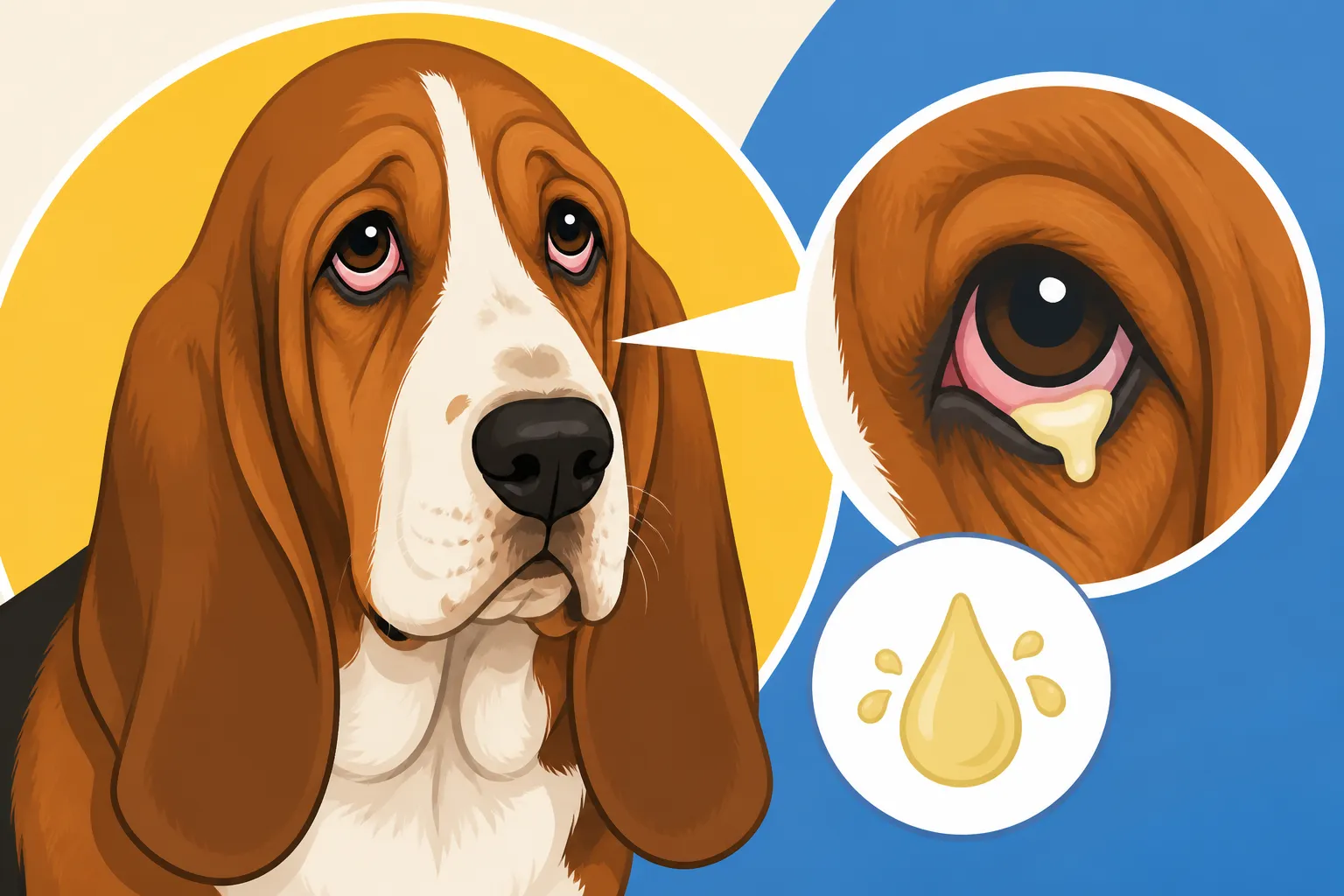
One of the most defining characteristics of a Basset Hound is those famously droopy lower eyelids. This isn't just for show; it's a specific anatomical feature known as ectropion, where the lower lid rolls outward. While it contributes to their melancholic charm, it also means their eyes are more exposed than many other breeds.
Think about it: a normally tight eyelid acts like a windshield wiper, spreading tears evenly and helping to push away dust and debris with every blink. For our Bassets, that outward-rolling lower lid creates a literal shelf or pocket. Instead of debris being swept away, it often collects in this exposed area. Tears, environmental dust, stray hairs, and even tiny bits of food can gather here. You might notice a little clear liquid collecting in that lower lid after they wake up from a nap, almost like a tiny reservoir, which then thickens into that familiar "sleep." This isn't usually cause for alarm if it's clear and easily wiped away, but it highlights how their structure naturally invites accumulation. It’s definitely a contributing factor to Whether a Basset Hound's Droopy Eyelids Cause Trouble.
Facial Folds and Tear Staining Issues
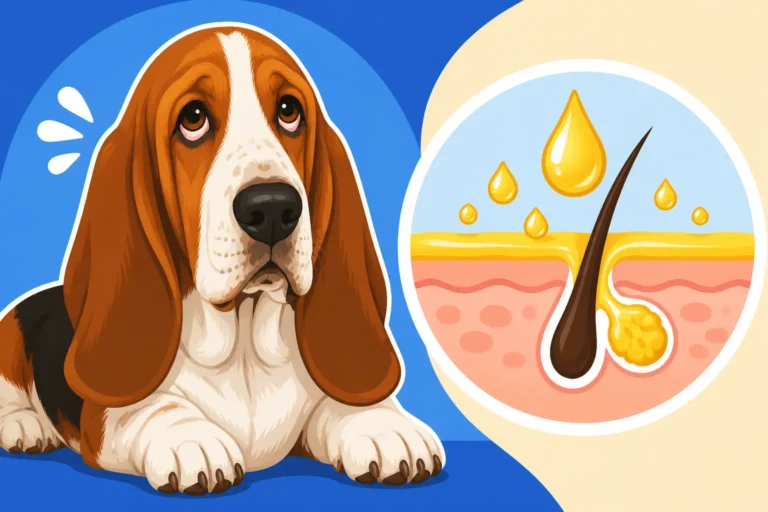
Beyond the eyelids themselves, the Basset Hound's abundant loose skin, particularly around their face and muzzle, creates numerous folds. These folds often sit directly beneath or very close to the eye area. When tears or discharge accumulate in the droopy eyelids, gravity and the natural movement of their face can pull this moisture down into these skin folds.
This damp, warm environment within the folds is practically an invitation for problems. It's a perfect breeding ground for bacteria and yeast, which can lead to irritation and the reddish-brown discoloration we commonly call "tear staining." The pigments in their tears, called porphyrins, turn reddish-brown when exposed to light and bacteria. It's not just unsightly; persistent moisture and trapped discharge can cause the skin in these folds to become irritated, inflamed, and even infected if not kept meticulously clean. Many a Basset owner has dealt with the frustrating cycle of persistent tear staining, trying various methods to keep their beloved hound's face looking pristine. It's a constant battle, but understanding why it happens is the first step toward effective management.
Common Types of Eye Discharge and What They Mean
Seeing discharge from your Basset's eyes can range from mildly annoying to downright alarming. It's crucial to understand the difference between normal, everyday gunk and signs that something more serious is going on. Our Bassets, with their unique facial structure, are prone to collecting all sorts of things around their eyes, so knowing what to look for is key to keeping them healthy.
Normal vs. Concerning Discharge
Let's start with what's generally considered "normal." Most Basset Hounds, like many breeds, will wake up with a small amount of clear or whitish, crusty discharge in the inner corner of their eyes. We often call it "sleep" or "eye boogers." This is usually just dried tears, dust, and epithelial cells that have accumulated overnight. If it's minimal, easily wiped away, and doesn't cause any redness, squinting, or discomfort, it's typically nothing to worry about. Clear, watery discharge, especially after being outside in wind or dust, is also often a natural response to irritation, flushing the eye.
However, there are definite red flags. If you see thick, yellow, green, or even grey discharge, especially if it's pus-like, that's a strong indicator of an infection and needs prompt veterinary attention. Other concerning signs include excessive clear tearing that seems constant rather than occasional, any redness or swelling around the eye, frequent pawing at the face, squinting, sensitivity to light, or a dull, cloudy appearance to the eye itself. Even if the discharge seems clear, if there's a lot of it, or if it persists for more than a day or two, it's worth investigating. This kind of persistent irritation can sometimes be a subtle sign of something else, like The First Signs of Glaucoma in a Basset Hound.
Potential Underlying Issues
While some discharge is benign, many types point to underlying health concerns that need addressing. For Basset Hounds, common culprits for problematic eye discharge include:
- Conjunctivitis: This is inflammation of the conjunctiva, the membrane lining the inside of the eyelids and covering the white part of the eye. It can be caused by bacteria, viruses, allergies, or irritants. Symptoms often include redness, swelling, and a variety of discharges from clear and watery to thick and purulent.
- Allergies: Just like us, Bassets can suffer from environmental allergies (pollen, dust mites) or even food allergies. These can manifest as itchy, watery eyes, often accompanied by clear or slightly stringy discharge. You might also notice them rubbing their face a lot.
- Foreign Bodies: A tiny piece of grass, dust, or even an eyelash can get trapped in the eye, causing irritation, excessive tearing, redness, and discharge. Their droopy eyelids can sometimes make them more susceptible to things getting in and staying there.
- Dry Eye (Keratoconjunctivitis Sicca – KCS): Although it seems counterintuitive, insufficient tear production can lead to a thick, stringy, mucoid discharge. The eye tries to compensate for the lack of healthy tears by producing this thicker mucus. This is a painful condition that can lead to corneal damage if untreated.
- Eyelid Abnormalities: We've discussed ectropion (outward rolling), but some Bassets can also develop entropion (inward rolling), where the eyelashes rub against the cornea, causing constant irritation, pain, and watery discharge. This can be very painful for them and is a reason to be concerned about Whether a Basset Hound Gets Entropion.
- Corneal Ulcers: Scratches or injuries to the surface of the eye (cornea) are incredibly painful and can lead to excessive tearing, squinting, and often a more serious, pus-like discharge as infection can set in.
- Glaucoma: While discharge isn't the primary symptom, a cloudy eye, redness, and pain associated with increased eye pressure can sometimes lead to secondary tearing or discharge. If you see Whether a Basset Hound's Red Eye Is an Emergency, don't hesitate to seek immediate veterinary care.
It's clear that differentiating between a bit of harmless eye "sleep" and a genuine problem requires careful observation. When in doubt, a quick call or visit to your vet is always the safest bet.
Practical Care for a Basset Hound's Eye Folds
Keeping your Basset Hound's eye folds clean and healthy is truly a daily commitment, but it's one that pays off in comfort for your dog and peace of mind for you. Ignoring these areas can quickly lead to irritation, unsightly staining, and even painful infections, which no Basset parent wants.
Establishing a Daily Cleaning Routine
Consistency is absolutely key when it comes to managing the discharge and potential irritation around your Basset's eyes. You're not just cleaning away current gunk; you're also preventing future build-up and creating a less hospitable environment for bacteria and yeast.
Here’s a simple, gentle routine you can adopt:
- Gather Your Supplies: You'll need soft cotton balls, gauze pads, or dedicated pet eye wipes. Many owners find gentle eye wipes readily available at pet supply stores like Chewy or even Amazon to be incredibly convenient. Just make sure they are formulated for pets and free of harsh chemicals or perfumes. You might also need a mild saline solution (again, pet-safe) if the discharge is particularly crusty.
- Position Your Basset: Find a comfortable spot where your Basset can relax. A gentle voice and perhaps a treat can go a long way in making this a positive experience. They don't have to love it, but they should tolerate it.
- Wipe Gently: Take your chosen wipe or a damp cotton ball. Starting from the inner corner of the eye, gently wipe outward, away from the eye itself. Use a fresh wipe or a clean part of the cotton ball for each eye to avoid spreading any potential infection. Be especially careful around the loose skin of their lower lid, getting into that little pocket where discharge tends to collect. Don't press too hard or rub vigorously.
- Address Staining: For tear staining, a specific pet eye stain remover might be necessary, but always follow product instructions carefully. The goal isn't just to remove the stain but to keep the area dry and clean, preventing the bacteria that cause the staining from thriving. Regularly cleaning Which Wipes Suit a Basset Hound's Face Folds will make a huge difference.
- Dry Thoroughly (Optional but Recommended): After cleaning, you can gently pat the area dry with a clean, soft cloth or dry cotton pad. This is especially important for those deep facial folds where moisture can easily get trapped. A dry environment is less inviting for yeast and bacteria.
- Reward and Praise: Always end the session with praise and a favorite treat. This helps build a positive association with the cleaning routine.
Make this a part of your daily grooming, perhaps after their morning walk or before dinner. It only takes a minute or two, but it can save you a lot of trouble down the line.
Preventing Irritation and Infection
Beyond the daily wipe-down, there are several steps you can take to proactively minimize irritation and the risk of infection in your Basset Hound's eye folds. It’s all about managing their unique anatomy and keeping their environment clean.
Firstly, keep the surrounding hair trimmed if necessary. While Basset Hounds don't have long hair around their eyes like some breeds, stray hairs can sometimes irritate the eye or wick moisture into the folds. If you're unsure how to do this safely, ask your vet or a professional groomer. Secondly, manage environmental irritants. Pay attention to dusty environments, strong winds, or even harsh cleaning products used in your home that might irritate their sensitive eyes. If your Basset spends time outdoors, especially rooting around with that magnificent nose, a quick check and wipe-down of their eye area when they come back inside can prevent irritants from settling in.
Consider the impact of their diet and water as well. Some owners find that filtered water can help reduce tear staining, as tap water can contain minerals that contribute to the discoloration. High-quality dog food, like that offered by Ollie, can also support overall skin and coat health, which indirectly benefits the skin around the eyes. Regular cleaning of other facial folds, as discussed in Cleaning a Basset Hound's Face Wrinkles, is also crucial because discharge from one area can easily migrate to another. Finally, ensure your Basset's bedding is clean and soft, as dirty bedding can introduce allergens and irritants to their face while they sleep. Keeping these areas dry and free from excessive moisture is the cornerstone of prevention.
When to Seek Veterinary Attention
While regular cleaning and preventative measures are essential, there are times when discharge from your Basset Hound's eyes signals a more serious problem requiring professional veterinary care. It's so easy to dismiss a little eye gunk, but ignoring certain symptoms can have lasting consequences for their vision and comfort.
Red Flags for Immediate Concern
You know your Basset Hound best, and often, your gut feeling is right. If something just doesn't seem normal, it's always better to err on the side of caution. However, there are specific symptoms that should send you straight to the vet without delay. These are not things you can treat at home with wipes and patience.
Look out for any of these red flags:
- Changes in Discharge: Any sudden onset of thick, yellow, green, or pus-like discharge. This almost always indicates a bacterial infection that requires prescription medication.
- Excessive Redness or Swelling: If the white part of the eye (sclera) is very red, or the eyelids themselves are swollen and inflamed, it could indicate severe conjunctivitis, an allergic reaction, an injury, or an underlying condition like glaucoma.
- Pain or Discomfort: Is your Basset squinting, blinking excessively, pawing at their eye, rubbing their face on furniture, or showing sensitivity to light? Pain is a clear sign that something is seriously wrong and requires immediate investigation.
- Cloudiness or Changes to the Eye Surface: If the surface of the eye looks cloudy, bluish, or dull, or if you see any visible injury or foreign object embedded in the eye, it’s an emergency. This could indicate a corneal ulcer or severe inflammation.
- Bulging or Sunken Eye: Any change in the physical appearance or position of the eyeball itself is a major cause for concern and needs urgent veterinary assessment.
- Sudden Vision Changes: If you notice your Basset bumping into things, seems disoriented, or is suddenly reluctant to navigate familiar spaces, it could signal a sudden loss of vision.
These symptoms often point to conditions that can rapidly worsen and potentially lead to permanent vision loss if not treated promptly. Don't wait to see if it gets better on its own; a Basset's eyes are too precious.
Regular Vet Checks and Screening
Beyond emergency situations, routine veterinary care is vital for maintaining your Basset Hound's eye health. Their predisposition to certain eye conditions means that regular check-ups aren't just about vaccines and parasite control; they're also a critical opportunity for early detection of potential problems.
During annual wellness exams, your veterinarian will typically perform a basic eye check, looking for any obvious abnormalities, signs of inflammation, or discharge. For Basset Hounds, it's a good idea to specifically discuss their droopy eyelids and facial folds, and any concerns you might have about chronic discharge or tear staining. Your vet can advise on the best cleaning products and techniques, or if there's an underlying issue requiring medical intervention. Conditions like glaucoma, for instance, can often be caught early through routine screenings, even before symptoms become overtly obvious. Your vet might recommend Whether a Basset Hound Needs a Yearly Eye Pressure Check as a preventative measure. Remember that Basset Hounds can inherit certain eye conditions, like The Glaucoma a Basset Hound Inherits, so being proactive about screenings can make a world of difference in managing or mitigating these issues. Don't be shy about asking your vet about any eye-related concerns, no matter how minor they may seem; early detection truly is the best defense.
Understanding Eye Discharge Types
To help you distinguish between normal maintenance and a vet-worthy visit, here’s a quick guide to different types of eye discharge you might observe in your Basset Hound:
| Discharge Type | Appearance | Common Cause (Basset Hounds) | Action Needed |
|---|---|---|---|
| Clear, watery | Transparent, slight wetness, occasional overflow | Normal tear production, mild environmental irritants, allergies | Regular wiping, monitor for persistence or other symptoms |
| Clear, thick/mucoid | Gel-like, whitish/greyish, stringy, often crusty | Normal "sleep," dry eye (KCS), mild allergies | Regular wiping, vet check if excessive, persistent, or accompanied by pain |
| Brown/Reddish staining | Discoloration of fur under eyes, damp, sometimes smelly | Porphyrin pigments in tears, moisture in skin folds, yeast/bacterial growth, irritation | Consistent daily cleaning, address underlying irritation, vet if skin is raw/infected |
| Yellow/Green, pus-like | Opaque, thick, often crusty, unpleasant odor, often matted fur | Bacterial infection (conjunctivitis), foreign body, corneal ulcer | URGENT VET VISIT – indicates infection or serious injury |
| Redness/Swelling/Pain | Obvious inflammation of eye/lids, squinting, pawing at face, sensitivity to light, cloudy eye | Injury, foreign body, severe infection, glaucoma, entropion/ectropion complication | EMERGENCY VET VISIT – indicates pain, serious injury, or critical condition |
Disclaimer
This article is for general informational purposes only and does not constitute professional advice. Laws, prices and regulations vary by location and change over time. Consult a qualified professional for guidance on your specific situation.