Whether a Basset Hound Slips Its Collar
Oh, the classic Basset Hound " Houdini act" – it’s a frustration many of us Basset parents know all too well! That moment your heart leaps into your throat as you watch your beloved hound deftly slip their collar, often in pursuit of the most irresistible scent. This guide is all about understanding why Basset Hounds are such escape artists when it comes to their neckwear and how we can best prevent those scary moments with the right equipment and a little savvy.
The Unique Anatomy of a Basset Hound and Why Collars Are Tricky
Let's be honest, Basset Hounds aren't built like other dogs. Their distinct conformation, while charming and perfectly suited for trailing scents, also presents some unique challenges when it comes to keeping them securely fastened. It’s not just a matter of "stubbornness"; their very physical design makes collar escapes a real possibility.
The Loose Skin and Thick Neck Conundrum
One of the most endearing and recognizable features of a Basset Hound is all that wonderful, loose skin, especially around their neck and shoulders. While it's fantastic for collecting scent particles, it's also a prime culprit in collar slippage. A standard flat collar, even one seemingly fitted snugly, can often be stretched or manipulated over their head thanks to this abundance of pliable skin. Think about it: a Basset can tuck its chin, compress its neck with a bit of a wiggle, and that seemingly secure collar can pop right off. Many owners have experienced that terrifying moment when their Basset, distracted by a particularly pungent whiff of something exciting, suddenly backs out of their collar with surprising ease. It's a design feature that works against us when we're trying to maintain control.
Their necks, while appearing thick, often taper significantly from the base of the skull to the broader shoulders. This cone-like shape, combined with the loose skin, means that a collar that fits well around the middle of the neck can still be slid over the wider head if the dog pulls back or twists just right. It's a constant battle to find that sweet spot between a collar that's too tight and one that's an invitation to escape. This is why many traditional dog collars just aren't designed with the Basset Hound's specific physiology in mind.
The Low-Slung Stance and Powerful Scent Drive
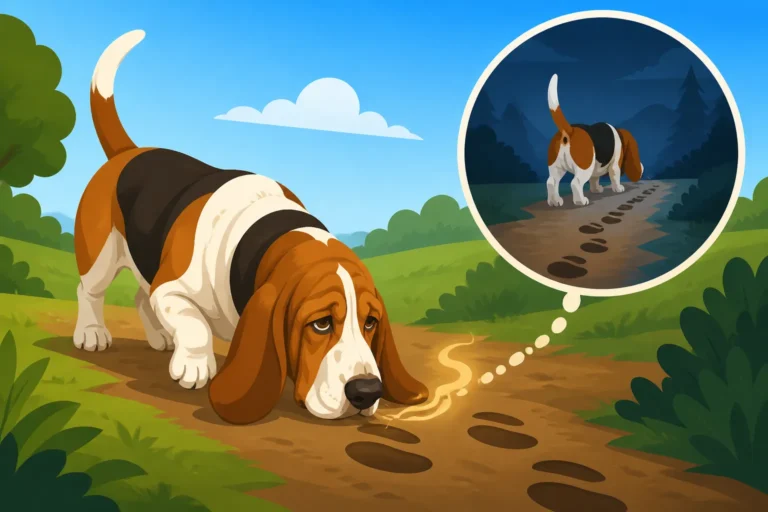
Beyond their neck anatomy, a Basset Hound's entire build contributes to their escape potential, especially when their powerful nose takes over. They are low to the ground, with a heavy bone structure and a low center of gravity. This makes them incredibly stable and strong, perfect for pushing through underbrush on a trail. When they catch a scent, it's like a switch flips. All their focus is directed downward and forward, pulling them relentlessly towards the source of that intriguing odor.
This intense drive means they often pull hard and unexpectedly. A sudden lunge after a squirrel or a deep dive into a promising patch of grass can put immense, sudden pressure on a collar. If that collar isn't perfectly snug and designed to prevent slippage, that sudden jolt combined with their ability to use their body weight to leverage an escape makes them incredibly difficult to hold. You might be walking along, enjoying a calm stroll, and then BAM! Your Basset catches a whiff, twists, pulls, and suddenly you're left holding an empty leash while your hound is off on an adventure. It’s their purpose-bred nature taking over, and it's a mighty force. Understanding Why a Basset Hound Stops Hearing You When It Smells Something is key to appreciating this aspect of their behavior.
Types of Collars and Harnesses: What Works (and What Doesn't)
Navigating the world of dog walking equipment can feel overwhelming, especially when you have a breed with such specific needs as a Basset Hound. What works beautifully for a Border Collie might be utterly useless, or even dangerous, for our long-eared companions. Finding the right gear is paramount to their safety and your peace of mind.
Why Flat Collars Often Don't Cut It
The standard flat buckle collar, the kind you see on countless dogs, is often the first and sometimes only collar people consider. For a Basset Hound, however, it's frequently more of a liability than a reliable piece of equipment. As we discussed, their loose skin and conical neck shape mean that even a well-fitted flat collar can be wiggled out of with surprising ease. When a Basset pulls back, twists, or drops their head to sniff, that extra skin can allow the collar to slide right over their ears.
Beyond the escape risk, a flat collar on a determined Basset can also lead to discomfort or injury. If they pull consistently, the pressure on their throat can cause coughing, gagging, or even damage to their trachea over time. While a flat collar is perfectly fine for holding identification tags when your Basset is safely in the house or a securely fenced yard, it's generally not recommended as the sole means of restraint for walks, especially for a Basset with a strong prey drive or tendency to pull. You want something that offers more security and distributes pressure more effectively.
Martingale Collars: A Popular Choice for Bassets
Enter the martingale collar, a true game-changer for many Basset Hound owners. This type of collar is specifically designed to prevent dogs from backing out of it. It typically consists of a larger loop of material that goes around the dog's neck, and a smaller loop that has the D-ring for leash attachment. When your Basset pulls on the leash, the smaller loop tightens the larger loop evenly around their neck, reducing the circumference just enough to prevent slippage without causing a choking sensation if properly fitted.
The beauty of the martingale is that when the pressure is released, the collar relaxes back to a comfortable fit. This means it's not constantly tight, but it provides that crucial security when needed. When shopping for one, look for martingales made of soft, durable materials that won't irritate your Basset's sensitive skin. Many pet supply stores and online retailers like Amazon offer a wide variety of martingale collars in different widths and materials. Proper fitting is essential: when the martingale is tightened, it should be snug, but you should still be able to slip two fingers comfortably under the collar, and the two metal rings of the martingale loop should not touch. This ensures it's effective without being overly constricting.
Harnesses: The Secure Alternative for Many
For ultimate security and comfort, especially if your Basset is a strong puller or has a particularly escape-prone neck, a harness is often the best solution. Harnesses distribute pressure across your dog's chest and shoulders, rather than concentrating it on their delicate throat. This makes walks more comfortable for your Basset and gives you better control.
There's a wide range of harnesses available, and finding Which Harness Suits a Basset Hound can involve a bit of trial and error.
- Back-clip harnesses are common, with the leash attachment point on the back. They offer good comfort but can still allow a determined Basset to pull with full force.
- Front-clip harnesses have the leash attachment on the chest. These are excellent for reducing pulling, as they redirect your Basset back towards you when they try to lunge forward. Many owners find these incredibly effective for managing a Basset's powerful scent-driven tugs.
- Y-harnesses are often recommended as they allow for full shoulder movement and don't put pressure on the trachea or rub under the armpits, which is crucial for a Basset’s unique build.
- Escape-proof harnesses are specifically designed with an extra strap around the waist, making them virtually impossible for even the most flexible Basset to wriggle out of. These can be a lifesaver for truly committed escape artists.
When choosing a harness, ensure it fits snugly but comfortably, without rubbing or restricting movement. Pay close attention to the chest strap and the area behind the front legs; chafing here can quickly make a harness unpleasant. Many dog training resources, like BAXTER & Bella, often provide guidance on selecting and fitting appropriate equipment, emphasizing positive reinforcement and comfortable gear. It's often debated Whether a Basset Hound Should Wear a Collar or Harness for walks, and for many Basset owners, the harness wins out for safety.
| Equipment Type | Pros for Basset Hounds | Cons for Basset Hounds | Best Use Case |
|---|---|---|---|
| Flat Collar | Simple, easy for ID tags, widely available | Easy to slip out of, can cause neck strain/choking if dog pulls, less control | ID tags at home, minimal control required (e.g., vet check) |
| Martingale Collar | Prevents backing out, gentle tightening action, comfortable when relaxed | Requires correct fitting to be effective, still around the neck | Daily walks, training, good for moderate pullers |
| Back-Clip Harness | Distributes pressure off the neck, generally comfortable | Can still allow pulling, some Bassets can back out if not snugly fitted | Dogs who don't pull excessively, comfort for older Bassets |
| Front-Clip Harness | Excellent for discouraging pulling, redirects dog's momentum | Can sometimes tangle legs if ill-fitting, dog might step on leash | Strong pullers, training loose-leash walking |
| Escape-Proof Harness | Maximum security, virtually impossible to slip out of | Can be bulkier, might take longer to put on, potentially warmer in hot weather | Extreme escape artists, dogs in high-risk environments |
Training and Safety Measures to Prevent Escapes
Even the best equipment is only part of the solution. Pairing the right gear with consistent training and smart safety practices is how we truly safeguard our Bassets from unwanted escapades. Their incredible noses and independent spirit mean we, as owners, need to be ever vigilant and proactive.
Leash Training and Managing the Scent Drive
Effective leash training is absolutely critical for a Basset Hound. Given their unparalleled sense of smell – truly second only to a Bloodhound, as many experts would argue – their world is primarily experienced through their nose. This means that a walk isn't just a walk; it's a profound olfactory journey, and they are hardwired to follow where their nose leads. Trying to force a Basset to ignore a compelling scent is like asking a human to ignore a favorite song – it's incredibly difficult. You can learn more about How Good a Basset Hound's Nose Actually Is to understand the depth of this challenge.
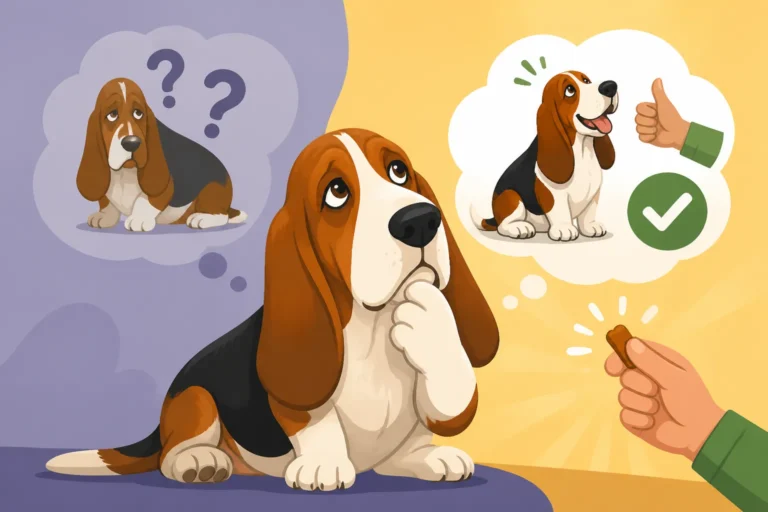
Instead of fighting their natural instincts, our goal in leash training is to teach them to walk politely by our side, checking in with us regularly, even when tempting scents abound. This involves using positive reinforcement – high-value treats and praise – to reward loose-leash walking and attention. Start in low-distraction environments and gradually increase the complexity. Teach a "look at me" command to refocus their attention. Practice sudden changes in direction to keep them engaged with you, not just the ground. Remember, a Basset's natural inclination is to trail, so asking them for a perfect heel at all times is often unrealistic. Aim for a relaxed, enjoyable walk where you are part of their scenting adventure, guiding them rather than being dragged along. The truth is, The Recall a Basset Hound Will Never Reliably Give You means that being off-leash in an unfenced area is almost always an unnecessary risk.
Microchipping and ID Tags: Essential Backup
No matter how secure your chosen collar or harness, accidents can happen. A clasp can break, a leash can slip, or a gate could be left open. This is why microchipping and ensuring your Basset wears up-to-date ID tags are non-negotiable safety measures. A microchip is a tiny transponder, implanted under their skin, that holds a unique identification number. If your Basset gets lost and is picked up by a shelter or veterinary clinic, they can scan the chip and access your contact information (provided you keep it current with the microchip registry!).
ID tags, attached directly to their collar, offer immediate visual identification. They should include your phone number and potentially your address. Some owners even add a tag that says "Needs medication" or "Microchipped" for extra information. These simple pieces of information are often the quickest way for a lost Basset to be reunited with their family. Imagine the heartbreak of someone finding your precious hound but having no way to contact you. These are inexpensive but priceless safeguards that provide crucial peace of mind. It’s also wise to consider Whether a Basset Hound Needs a Tracking Collar for an added layer of safety, especially if you live in an area with a lot of open space or dense woods.
Double Leashing and Redundancy
For Basset Hounds who are particularly adept at escaping, or for walks in high-risk areas (like busy city streets or unfamiliar places), employing a double leashing system can be a lifesaver. This simply means using two points of attachment: one leash connected to their collar (ideally a martingale) and a second leash connected to their harness.
Why two leashes? It's all about redundancy. If one piece of equipment fails – a clasp breaks, a collar comes undone – you still have the other as a backup. It also gives you two different points of control, which can be invaluable when managing a strong puller. You can hold one leash shorter for immediate guidance and use the second for more general control. While it might feel like a bit of overkill at first, the security and confidence it provides, knowing your Basset is doubly secured, is well worth the minor inconvenience. Many Basset owners swear by this method, especially with puppies or newly adopted rescues who might be more prone to unexpected movements.
Common Mistakes and How to Avoid Them
Even with the best intentions, it's easy to make mistakes when it comes to securing our Basset Hounds. Their unique blend of anatomical features and behavioral quirks means that what works for other breeds often needs a Basset-specific adjustment. Avoiding these common pitfalls can save you a lot of stress and prevent potentially dangerous situations.
Ill-Fitting Equipment: A Recipe for Disaster
The single biggest mistake most owners make is using equipment that doesn't fit properly. This is especially true for Basset Hounds, where an inch too loose can mean the difference between a secure walk and a runaway hound. A collar that's too loose is an open invitation for your Basset to back out, using their saggy neck skin and powerful neck muscles to slip free. Conversely, a collar that's too tight can be uncomfortable, rub their skin, or even impede their breathing, which is not only unkind but can make them more likely to try and escape to relieve the pressure.
When fitting a collar, the general rule of thumb is that you should be able to slip two fingers comfortably under the collar, but no more. For a martingale collar, when the control loop is tightened, the two metal rings should just touch, preventing it from tightening further and acting as a choke collar. For a harness, check all straps: the chest strap should sit above the shoulder joints, not restrict them; the belly strap should be snug without digging into the armpits; and for Y-harnesses, ensure the V-shape sits properly on the chest without obstructing the throat. Always measure your Basset carefully and refer to the manufacturer's sizing charts. Don't assume sizes are universal. It's not a one-and-done task, either; check the fit regularly, especially for growing puppies or Bassets who might gain or lose a little weight.
Underestimating a Basset Hound's Determination
It’s easy to joke about Basset Hounds being "stubborn" or "lazy," but that often underestimates their incredible determination when it comes to their primary purpose: trailing a scent. When a Basset Hound catches a compelling smell, their focus is absolute. They are not being disobedient out of malice; they are simply fulfilling their genetic imperative. That deep bay, that nose glued to the ground, that single-minded pursuit – it's powerful stuff, and it can override everything else, including your commands. This is why Why a Basset Hound Stops Hearing You When It Smells Something is such a crucial piece of Basset psychology to understand.
Underestimating this drive means you might take risks, like thinking "Oh, they'll come back" or "They're usually good on this path." A Basset on a hot trail is a dog possessed, and they will follow that scent through thick and thin, across roads, and through unknown territory. This powerful focus can translate into unexpected strength when pulling against a collar or harness. They are much stronger than their often-sedate demeanor suggests. Never assume your Basset is too "lazy" to run off or too "loyal" to ignore a scent. Assume their nose will always win out, and equip yourself and them accordingly.
Ignoring Early Warning Signs
Our Bassets often give us subtle cues that something isn't right with their equipment or their comfort level, but we might miss them. Are they frequently pawing at their collar? Are they rubbing their neck against furniture or the ground more than usual? Do they seem reluctant to let you put on their harness? These could all be signs that the equipment is ill-fitting, uncomfortable, or that they are actively trying to figure out how to escape it.
It's tempting to think, "Oh, they just don't like getting dressed," but it's essential to investigate these behaviors. Check for skin irritation, hair loss, or pressure points. Watch how they move when wearing the gear – is their gait natural, or do they seem restricted? Addressing these early warning signs can prevent a full-blown escape attempt. A Basset who is uncomfortable or actively trying to escape their gear is a much higher flight risk than one who is comfortable and accepting. Being proactive and making adjustments is key to keeping our Bassets safe and happy on their sniffing adventures.
Disclaimer
This article is for general informational purposes only and does not constitute professional advice. Laws, prices and regulations vary by location and change over time. Consult a qualified professional for guidance on your specific situation.