Whether a Basset Hound Was Bred to Be Followed on Foot
It's a common misconception, isn't it? Many of us look at a Basset Hound with their short legs and long, droopy ears and assume they're just naturally slow or even a bit lazy. But the truth is, if your Basset often seems to prefer a meandering pace, or takes forever to cover a short distance, it's not a flaw in their character; it's a feature of their design. These wonderful hounds weren't bred for speed or competitive racing; they were intentionally developed over centuries to be followed on foot by hunters, moving at a pace that suited both human and hound through dense undergrowth and over long distances. This guide will dive deep into the fascinating history and unique physical traits that made the Basset Hound the perfect walking companion for its original purpose, and what that means for you, their loving owner, today.
The Ancient Purpose: Why a Basset Hound's Pace Was Deliberate
To truly understand why your Basset Hound operates at the speed of a leisurely stroll, we need to take a trip back in time to their origins. These dogs weren't accidental slowpokes; their unique gait and endurance were carefully cultivated to serve a very specific hunting need. Imagine a time before ATVs, before powerful rifles with scopes, a time when hunting was a much more intimate, physically demanding pursuit.
From Forest Floor to Hunter's Side
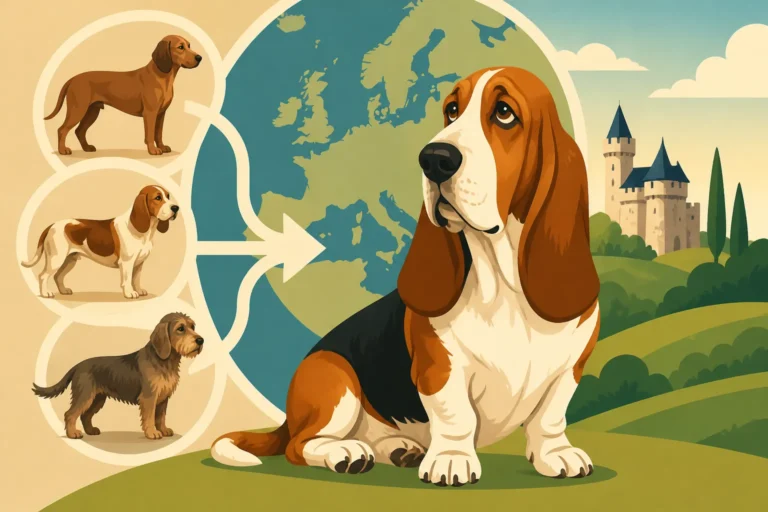
The Basset Hound's lineage can be traced back to 7th-century France, stemming from the grand Saint Hubert Hounds. These were noble, larger dogs, but as hunting evolved, there was a growing desire for a hound that could work in dense cover where a faster, taller dog would simply outpace the human hunters on foot or miss crucial scent trails. This is where the "Basset" part of their name comes in, a derivation of the French word "bas," meaning "low." The goal was a dog that could meticulously follow a scent trail at a walking pace, allowing hunters to keep up without exhausting themselves. They were the original slow-and-steady wins the race type of hound. The Abbey Hounds a Basset Hound Descends From provides even more context on their historical roots.
Hunting in those days wasn't about a quick chase. It was about persistence, about tracking game like rabbit and deer through thickets and over uneven terrain, often for hours on end. A hound that bolted ahead would quickly lose the hunters and the entire coordinated effort would fall apart. Therefore, breeders deliberately selected for dogs that possessed an incredible nose and an unhurried, methodical work ethic. This ensured the hunter could stay right behind their dog, observing the trail, and ultimately making the most of the hunt.
The Advantage of a Slower Pursuit
You might think a slow dog is a disadvantage in hunting, but for the specific needs of their creators, it was actually a profound advantage. A rapid chase often scatters game and makes it harder to secure. A Basset Hound's slower, more deliberate pace meant the game was less likely to be spooked into a full sprint far away. Instead, the Basset would patiently, relentlessly follow the scent, pushing the game forward at a manageable speed, often into nets or towards waiting hunters who had positioned themselves strategically.
This methodical tracking allowed for a more controlled hunt, minimizing the loss of quarry and ensuring that the hunter had a clear shot when the time came. It also meant less wear and tear on the hunters themselves, who could conserve their energy by simply walking briskly rather than running to keep up with a faster pack. The Basset Hound essentially revolutionized foot-hunting by bringing a level of control and precision that was previously difficult to achieve with more exuberant hounds. This slow, steady approach maximized efficiency and success in a time when every bit of meat was precious.
A Hunter's Companion, Not a Racer
When we talk about being "followed on foot," it's crucial to distinguish this from simply walking alongside a dog. For a Basset Hound, it meant their primary function was to lead the hunter, setting a pace that the human could comfortably maintain over varied terrain for extended periods. They weren't bred to run ahead and bring the quarry back; they were bred to trail with an almost obsessive focus, their nose glued to the ground, guiding their human partners. This made them ideal companions for hunters who relied on their keen senses and unwavering dedication.
This historical role is a cornerstone of the Basset Hound's personality and physical traits even today. They possess an incredible stamina for scent work, not for speed. Their strong prey drive is channeled into methodical tracking rather than a burst of speed. This ingrained characteristic explains why, when your Basset Hound catches a scent on a walk, they might seem to "go deaf" to your calls. Their ancestors' lives depended on tuning out distractions and focusing solely on the scent. The Recall a Basset Hound Will Never Reliably Give You touches on this perfectly. This isn't stubbornness; it's instinct.
Built for the Trail, Not the Track
Every single design choice, every physical trait of the Basset Hound, screams "purpose-built scent tracker to be followed on foot." From their distinctive short legs to their famously long ears and soulful eyes, these features aren't just charming; they're highly functional adaptations for their historical job.
Short Legs and Heavy Bone: A Foundation for Endurance
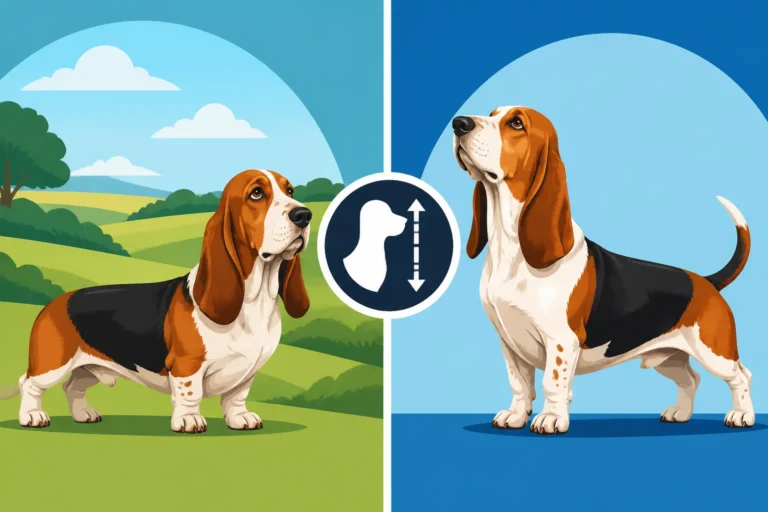
Let's talk about those legs. It's often the first thing people notice about a Basset Hound. Their disproportionately short, stocky legs, combined with a surprisingly heavy bone structure for their size, are not a design flaw. In fact, Why a Basset Hound's Legs Are So Short dives into this specific adaptation. These short legs keep their body close to the ground, maximizing their ability to pick up and follow even the faintest scent molecules. Imagine trying to follow a subtle trail when your nose is three feet off the ground versus six inches! The lower vantage point is paramount for scent discrimination.
The heavy bone structure provides a robust frame that can withstand the rigors of long hours traversing challenging terrain. While they might not be built for sprinting, they are built for stamina and durability. They can push through underbrush, navigate uneven ground, and plod along for hours without tiring, all at that consistent, manageable pace. This isn't a dog that needs to cover miles in a dash; it needs to cover many miles over many hours, steadily, patiently, with its human right there. This solid build also means how heavy a Basset Hound really is often surprises new owners; they are dense dogs!
The Nose That Leads the Way
The Basset Hound's nose is arguably its most famous asset, second only perhaps to the Bloodhound. The Nose That Puts a Basset Hound Second to a Bloodhound gives you an idea of just how incredible their olfactory capabilities are. This isn't just a good nose; it's an exceptional scenting instrument, refined over generations. Their large, open nostrils are designed to take in maximum scent particles, and their long, loose skin around the muzzle creates folds that are thought to trap scent, holding it closer to their nose for analysis.
Think of it like this: if a faster dog briefly catches a scent and then loses it because it's moved on too quickly, a Basset Hound's low-slung body and deliberate pace allow it to process every single molecule on the trail. They don't just detect scent; they analyze it, breaking down layers of information that are completely invisible to us. This unwavering focus on scent means that when they are "on a trail," the world around them fades. This intense dedication to their primary sense is why trying to divert a Basset from a compelling scent is often an exercise in futility.
Low to the Ground, Close to the Scent
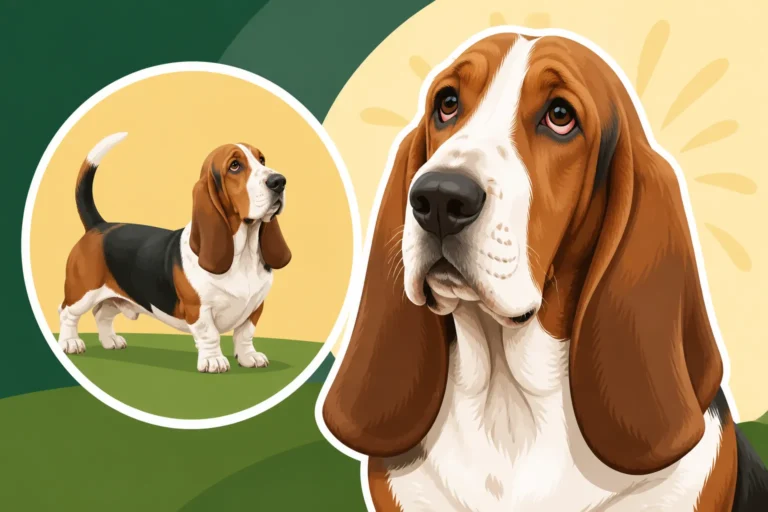
Beyond just the short legs, the entire Basset Hound form is engineered for ground-level scent work. Their long, heavy ears, for instance, are more than just aesthetically pleasing; they actually serve a functional purpose. When a Basset's head is down, trailing, these ears sweep the ground in front of their nose, stirring up scent particles and directing them towards their sensitive nostrils. It's like having built-in scent amplifiers. Whether a Basset Hound's Ears Sweep Scent Upward explains this fascinating phenomenon. Their low-slung body also means they're constantly immersed in the scent cone, giving them an unbroken connection to the trail.
This combination of low stature, powerful nose, and scent-gathering ears makes them unparalleled ground-scenters. They are designed to keep their nose right on the track, eliminating the need to lift their head frequently to re-acquire the scent, which would slow them down or cause them to lose the trail altogether. Whether a Basset Hound Trails With Its Nose on the Ground emphasizes this crucial aspect of their work. They are a living, breathing, scent-detecting machine, perfectly adapted for the slow, deliberate work of following a trail where a human hunter could easily keep pace.
| Feature | Adaptation for Being Followed on Foot | Implication for Modern Owners |
|---|---|---|
| Short Legs | Keeps nose close to ground, slow pace, high endurance | Do not expect speed; allow for leisurely sniffing walks. |
| Heavy Bone | Durable for long treks over rough terrain | Less prone to fragility, but prone to joint issues if overweight. |
| Long Ears | Sweep scent towards nose, enhance tracking | Prone to ear infections; require regular cleaning and care. |
| Deep Chest | Provides lung capacity for stamina | Susceptible to bloat; consider slow feeders and raised bowls. |
| Loose Skin/Dewlap | Traps scent around face and neck | Requires cleaning in folds to prevent skin issues. |
| Powerful Nose | Unparalleled scent detection and discrimination | Strong instinct to follow scent; use a harness and long line. |
What This Means for Today's Basset Hound Owner
Understanding a Basset Hound's history and purpose isn't just an interesting fact; it's absolutely vital for being a good Basset owner in the modern world. Their inherent traits, bred over centuries, are still very much present, and expecting them to behave like a different breed will only lead to frustration for both you and your hound.
Managing Expectations for Exercise and Pace
If you adopted a Basset Hound hoping for a jogging partner or a dog that will enthusiastically keep up on a fast-paced hike, you're likely going to be disappointed. Your Basset isn't being "lazy" or "stubborn" when they stop to investigate every blade of grass, or suddenly become rooted to the spot when an intriguing smell crosses their path. They are simply being a Basset Hound, fulfilling their ancient programming. This isn't to say they don't need exercise – far from it! Regular walks are crucial for their physical and mental health, helping them maintain a healthy weight, which is essential given their propensity for What Extra Weight Does to a Basset Hound.
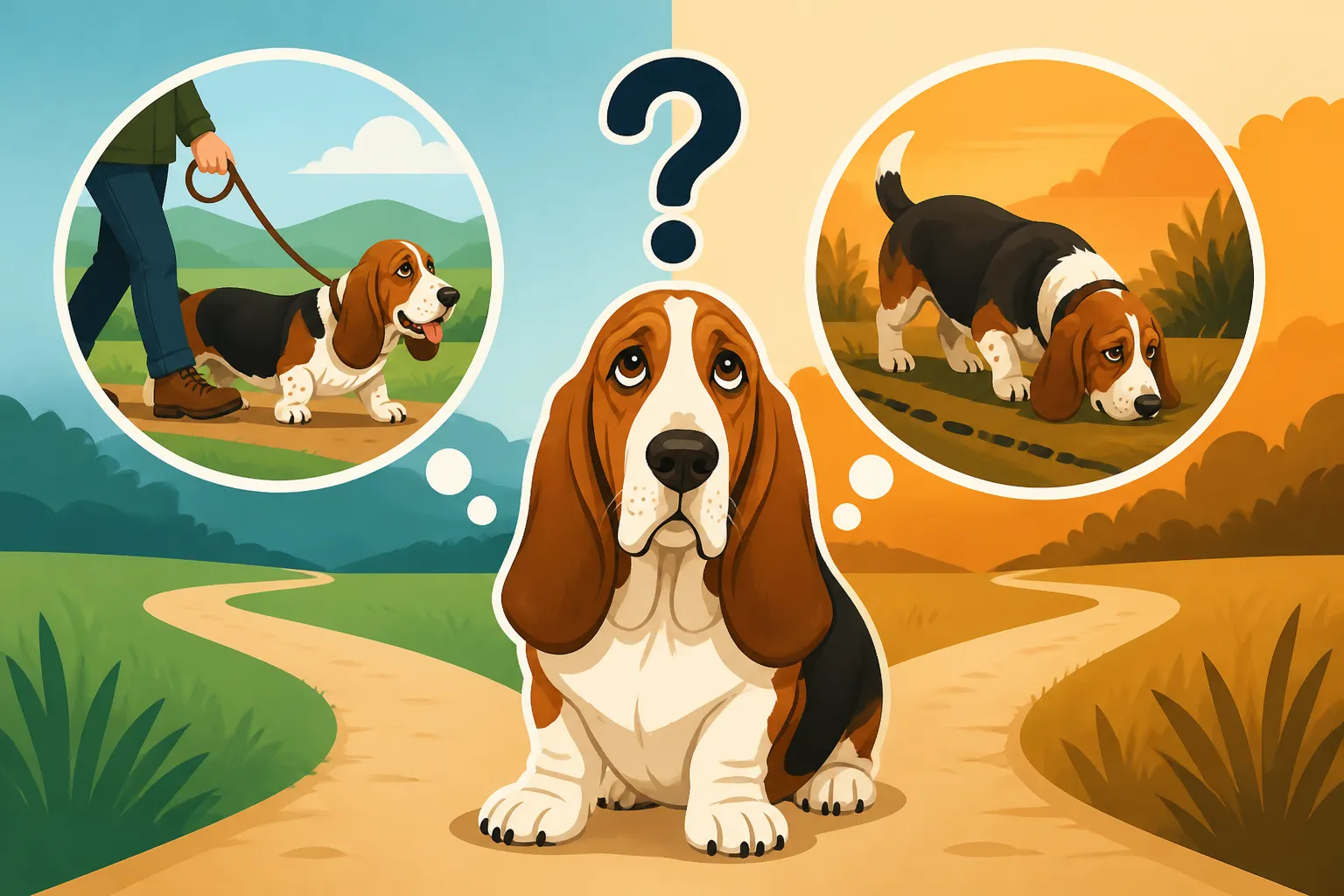
The key is to adjust your expectations to their pace. Think of walks as "sniffaris" rather than forced marches. Allow them the time to explore the olfactory world. A 30-minute walk where they get to sniff to their heart's content is far more enriching and tiring for a Basset than an hour-long, brisk walk where they're constantly being pulled along. When they do decide they've had enough, or The Basset Hound That Will Not Walk Any Further becomes a daily occurrence, it might be a sign they're truly tired, or perhaps even experiencing some discomfort. Always respect their pace.
Embracing Their Natural Scenting Instincts
Since their entire design revolves around scent, it only makes sense to provide outlets for this incredible natural ability. Simply walking them on a leash isn't always enough to satisfy their deep-seated urge to follow a trail. This is where activities like scent work, nose work, or even just using puzzle toys and snuffle mats come into their own. Instead of fighting their nose, embrace it! Hide treats around the house and let them use their nose to find them. Companies like Chewy offer a fantastic array of interactive toys and snuffle mats that can provide hours of engaging scent-based enrichment for your Basset.
These activities are not only fun but also incredibly mentally stimulating for a Basset Hound, burning energy in a way that physical exercise alone often cannot. A Basset who has had a good "nose workout" is often a much calmer and more content dog at home. You can even explore local tracking or trailing clubs if you want to take it to a more advanced level; Basset Hounds excel in these types of events. Remember, Giving a Basset Hound's Nose Something to Do is one of the best things you can do for their overall well-being.
The Joy of a Leisurely Life with Your Basset
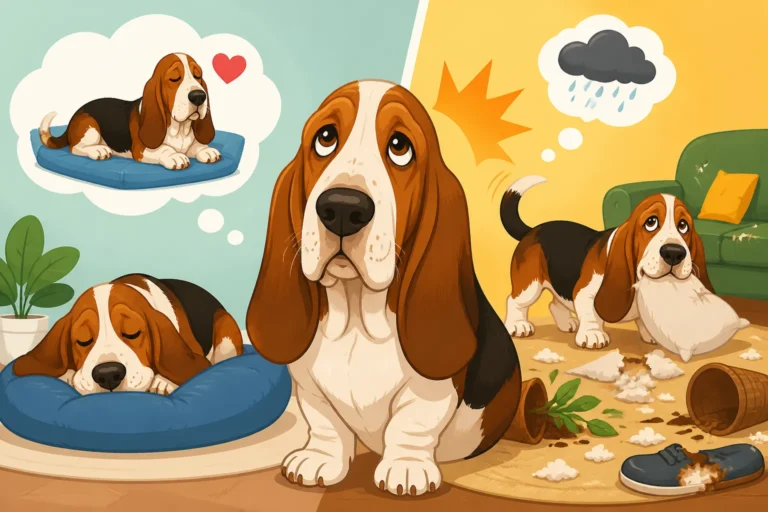
Ultimately, owning a Basset Hound means signing up for a life lived at a slightly slower, more deliberate pace. And honestly, isn't that part of their charm? They encourage us to slow down, to appreciate the world through their extraordinary sense of smell, and to enjoy the simple pleasures of a long, meandering walk. Their relaxed demeanor indoors, often found snoozing contentedly on a comfy dog bed – perhaps one you picked up from Chewy – is a testament to their easygoing nature, especially when their scenting needs have been met.
This appreciation for a slower rhythm extends to their training as well. While they are intelligent, they often learn at their own pace, and consistency and positive reinforcement, especially with food rewards, are key. What Actually Motivates a Basset Hound will tell you a lot about this. They thrive on companionship and are happiest when they are an integral part of the family, even if their idea of "excitement" involves a new smell in the backyard or an extended nap on the sofa. Embrace their uniqueness, understand their history, and you'll find a devoted, charming, and endlessly fascinating companion who was literally bred to walk beside you.
Disclaimer
This article is for general informational purposes only and does not constitute professional advice. Laws, prices and regulations vary by location and change over time. Consult a qualified professional for guidance on your specific situation.