Whether a Senior Basset Hound Is Easier to Adopt
It's a common dilemma when you're thinking about bringing a new furry family member home: do you go for a bouncy, mischievous puppy, or open your heart to a wise, mellow senior dog? Many folks wonder if adopting an older Basset Hound is inherently easier than bringing in a younger one, often hoping to bypass the chaotic puppy stage. This guide will dive deep into the realities of adopting a senior Basset Hound, exploring the distinct advantages, potential challenges, and practical considerations involved, so you can make an informed decision about welcoming one of these sweet, soulful hounds into your life.
The Unique Appeal of a Senior Basset Hound
There's something truly special about a senior Basset Hound, a certain gravitas and undeniable charm that comes with age. They've seen a bit of life, they've got stories etched into those soulful eyes, and they often carry a quiet dignity that puppies simply haven't developed yet. For many, the idea of offering a loving, comfortable home to a dog in its golden years is a profoundly rewarding experience.
What a Senior Basset Hound Brings to a Home
One of the most appealing aspects of adopting a senior Basset Hound is often their established temperament. Unlike a puppy, whose personality is still very much in flux, an older Basset has usually settled into who they are. You'll typically get a clearer picture of their energy levels, how they interact with people and other animals, and their general demeanor. This means fewer surprises when it comes to their core personality. They’re often past the destructive chewing phases and the incessant need for attention that puppies demand. Imagine a dog who is content to nap by your feet while you read, or enjoy a gentle stroll rather than a marathon run. This predictability can be a huge relief for families with busy schedules or those looking for a calmer companion.
Moreover, many senior Basset Hounds arriving in rescues are already house-trained. This alone can feel like a monumental win for prospective adopters, sidestepping the relentless cycle of frequent potty breaks, accidents, and constant supervision that comes with a young pup. They understand basic commands, know what "no" means (even if they sometimes choose to ignore it in true Basset fashion!), and are generally familiar with the rhythm of home life. This foundational training saves you countless hours and a fair bit of frustration, allowing you to focus on bonding and showering them with affection rather than remediation. They often integrate into a new routine much more smoothly, adapting quickly to feeding times and bedtimes, making the transition feel less like an upheaval and more like a gentle merging of lives.
Dispelling Common Misconceptions About Older Dogs
There are a lot of myths floating around about older dogs that can sometimes deter prospective adopters. One major misconception is that senior dogs have no energy or are just waiting to "slow down completely." While it's true that a senior Basset Hound won't have the boundless, chaotic energy of a puppy, they certainly aren't inanimate objects! Many still enjoy leisurely walks, sniffing adventures in the yard, and engaging in gentle play. Their exercise needs are often more manageable, which is a huge plus for those who can't commit to rigorous daily runs but still want an active companion. You might find that a senior Basset still has a surprising burst of enthusiasm when a new scent hits their noble nose or when the treat jar comes out. They might not be able to hike for miles, but a good half-hour amble where they can indulge their powerful sense of smell is often pure bliss for them. Whether an Old Basset Hound Still Needs Walks explores this further.
Another common worry is that older dogs won't bond with a new family as readily as a puppy. This couldn't be further from the truth. Senior Bassets, especially those who have experienced loss or upheaval, are often incredibly grateful for a loving home and form deep, unwavering bonds with their new people. Their loyalty and affection can be truly profound, and they have a way of quietly showing their appreciation that warms your heart. They appreciate comfort, routine, and a gentle hand, and they return that care with an immense, unconditional love that is truly unique. It’s not about how long you’ve known them, but the quality of the love you give. They often have a depth of character and a wisdom that makes them wonderful, calm confidantes, perfect for quiet evenings and gentle companionship.
The Adoption Process for Senior Basset Hounds
While adopting any dog involves a process, seeking out a senior Basset Hound often means navigating specific channels and understanding the particular considerations involved. It's not just about picking out a cute face; it's about finding the right fit for both you and the dog, ensuring a smooth transition into their forever home.
Where to Find Senior Basset Hounds
The best place to start your search for a senior Basset Hound is often through breed-specific rescues. Organizations like the Basset Hound Rescue of [Your Region, e.g., America or specific states] are dedicated solely to finding homes for Basset Hounds. They typically have a network of foster homes where the dogs live, allowing them to assess the dog's personality, health, and habits in a home environment. This invaluable information is then shared with potential adopters, helping to ensure a good match. Rescues often have a higher number of senior Bassets, as older dogs can sometimes be overlooked in general shelters, or surrendered when owners can no longer manage their specific needs. Why Basset Hounds Reach Rescue in Middle Age is a testament to this reality.
General animal shelters are also a good resource, though you might need to be more proactive in your search. Keep an eye on their websites and social media, and don't hesitate to visit in person and speak with staff about your interest in older hounds. While they may not specialize in Bassets, many wonderful senior dogs end up in shelters through no fault of their own. Online adoption platforms that aggregate listings from various shelters and rescues can also be useful, but always verify the legitimacy and practices of the organization. Some foster-based groups operate primarily online, using virtual meet-and-greets and comprehensive applications to match dogs with families. Remember that while a rescue charges an adoption fee, it’s usually less than what a puppy from a breeder would cost, and it helps cover the care the dog has already received. What Adopting a Basset Hound Costs can give you a better idea of the financial side.
Understanding Rescue Requirements and Procedures
Adopting a senior Basset Hound, especially from a breed-specific rescue, often involves a thorough application and vetting process. This isn't meant to be intimidating, but rather to ensure the best possible outcome for both you and the dog. Typical requirements include a detailed application form asking about your living situation, family members (including children and other pets), experience with dogs, and your ability to meet the specific needs of a Basset Hound. They'll want to know about your daily routine, how long the dog would be left alone, and your plans for exercise and care.
Many rescues also conduct home checks, either virtually or in person, to ensure your living environment is safe and suitable. This might involve checking fences for security (Bassets are notorious for following their noses!), identifying potential hazards, and confirming that you have adequate space. You'll likely need to provide vet references for any current or past pets, demonstrating a history of responsible pet ownership and consistent veterinary care. The rescue wants to see that you're prepared for the financial and emotional commitment that comes with an older dog, particularly when it comes to potential medical needs. They are the dog's advocates, and their rigorous process is truly in the best interest of the Basset Hound looking for a second chance at happiness.
Factors Influencing "Ease" of Adoption
The "ease" of adopting a senior Basset Hound isn't a universal experience; it largely depends on individual circumstances, both yours and the dog's. While some aspects might indeed be simpler than raising a puppy, the unique considerations of an older dog bring their own set of responsibilities and potential complexities. Understanding these factors beforehand is crucial for a smooth and successful adoption.
Health Considerations and Associated Costs
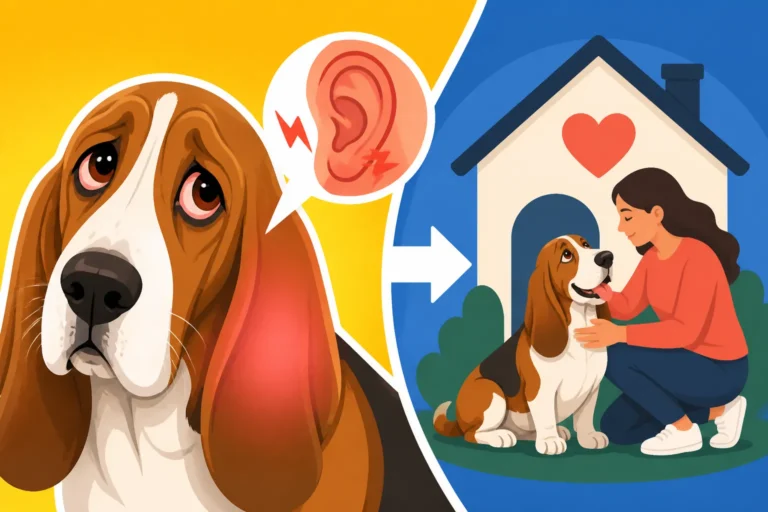
One of the primary factors to consider when adopting a senior Basset Hound is their health. While not every older dog comes with a laundry list of ailments, it's realistic to expect that they may have pre-existing conditions or are more prone to developing them as they age. Common issues in Basset Hounds can include Arthritis in a Basset Hound at Seven, dental disease, obesity, or chronic ear infections due to their long, heavy ears. Some might have been surrendered precisely because their previous owners couldn't manage their increasing medical needs.
These health issues can translate into significant associated costs. Regular vet check-ups become even more important, and you might be looking at ongoing medication, specialized diets, or even unexpected emergency surgeries. For instance, managing conditions like arthritis might involve joint supplements, anti-inflammatory medications, or even physical therapy, all of which add up over time. It's essential to be financially prepared for these possibilities. This is where exploring pet insurance options, like those offered by Healthy Paws, can be incredibly valuable. While they might not cover pre-existing conditions, they can certainly help with new illnesses or accidents that arise after adoption, offering a crucial safety net for your senior companion's future health. Always check policy details carefully regarding age limits and pre-existing conditions.
Behavioral Challenges and Management
While senior Basset Hounds often come with the benefit of being house-trained and generally calmer, they can also present unique behavioral challenges, especially if their past was less than ideal. Some may suffer from separation anxiety if they've been suddenly separated from a long-term home or have experienced multiple rehomings. This can manifest as destructive behavior, excessive vocalization (and a Basset bay is certainly something to behold!), or house-soiling when left alone. Patience and consistent, gentle training are key here. Whether a Basset Hound Gets Separation Anxiety is a common concern.
Other senior Bassets might have ingrained habits or a touch of "selective hearing" that comes with age, making them seem stubborn to new commands. Past trauma or neglect could also lead to shyness, fear, or resource guarding. It's vital to remember that these behaviors are rarely malicious; they are often coping mechanisms or simply a reflection of their history. Working with a professional, positive-reinforcement trainer can be incredibly helpful in navigating these challenges, building trust, and teaching your senior hound new ways to cope and thrive in their new environment. Giving them a stable, predictable routine and a calm, loving atmosphere is often the most powerful tool you have to help them adjust.
Lifestyle Compatibility
Matching your lifestyle with a senior Basset Hound's needs is perhaps the most critical factor in determining the "ease" of adoption. If you're looking for a hiking companion, a senior Basset might not be the best fit. Their shorter legs, long backs, and often lower energy levels mean they prefer gentle, leisurely strolls, often more focused on sniffing out interesting trails than covering vast distances. How Far a Basset Hound Should Walk delves into their exercise needs.
Consider your living space: while Basset Hounds aren't typically jumpers, an older dog with arthritis might struggle with stairs. Providing ramps or strategically placed orthopedic beds (you can find a great selection at retailers like Chewy) can make a huge difference in their comfort and mobility. Think about your household dynamics: are there young, boisterous children who might accidentally trip over a slower-moving senior? Or other pets who might not appreciate a new, potentially less playful, canine companion? A senior Basset often thrives in a quieter, more predictable environment where they can enjoy their golden years in peace and comfort. They need a commitment to their comfort, their routine, and their evolving needs as they age.
| Feature | Senior Basset Hound (6+ years) | Basset Hound Puppy (Under 1 year) |
|---|---|---|
| Temperament | Generally calmer, established personality, predictable | High energy, developing personality, unpredictable |
| House Training | Often already house-trained | Requires consistent, dedicated house-training |
| Exercise Needs | More moderate, enjoys leisurely walks and sniffing, less vigorous play | High energy, requires significant play and structured exercise daily |
| Training | Knows basic commands, may have ingrained habits, can learn new tricks | Requires extensive basic obedience and socialization |
| Health Risks | Potential for pre-existing conditions (arthritis, dental, etc.) | Generally fewer pre-existing conditions, but puppy ailments (worms, teething) |
| Costs | Potentially higher vet bills for age-related conditions, medication | Initial vet visits for vaccinations, spay/neuter, preventative care |
| Destructive Chewing | Generally past this stage | Active chewing phase, requires supervision and appropriate toys |
| Bonding | Forms deep, appreciative bonds, often very loyal | Bonds quickly, requires consistent attention and interaction |
| Time Commitment | Requires consistent routine, comfort, and monitoring of health | Requires intense supervision, frequent potty breaks, early socialization |
Support Systems for Adopting a Senior Basset Hound
Adopting a senior Basset Hound is a big-hearted decision, and thankfully, you don't have to navigate it alone. There's a wealth of support available to help ensure your older companion lives their best life with you, from financial aid to expert advice on their specific needs. Leveraging these resources can significantly ease the transition and ongoing care, making the adoption journey more manageable and rewarding.
Financial Assistance and Pet Insurance
The potential for increased veterinary costs is a common concern when considering an older dog, and it's a valid one. However, there are resources designed to help. Many breed-specific rescues offer reduced adoption fees for senior dogs, sometimes waiving them entirely for very old or special needs hounds, in an effort to place them in loving homes. Additionally, some organizations and charities specialize in providing financial assistance for senior pet care, helping with everything from routine check-ups to more significant medical treatments. Don't be afraid to ask your chosen rescue about such programs or for recommendations on local aid.
Pet insurance is another critical tool for managing the financial aspect of a senior Basset's health. While it's true that most policies won't cover pre-existing conditions (so if your Basset comes with known arthritis, that won't be covered), they can be invaluable for anything new that pops up. Think about accidental injuries, new illnesses, or even a sudden onset of something like The Glaucoma a Basset Hound Inherits. Companies like Healthy Paws offer policies that can help offset the costs of unexpected veterinary care, giving you peace of mind that you can afford the best treatment for your beloved senior hound. It's always wise to research different providers and their coverage options thoroughly, understanding what they do and don't cover, and how age might impact premiums or exclusions. Insuring a Basset Hound Against Eyes, Ears and Backs is a smart consideration.
Resources for Training and Integration
Even an older dog can learn new tricks, and more importantly, they can learn new routines and expectations in a new home. Integrating a senior Basset Hound successfully often benefits from a thoughtful approach. Look for local dog trainers who specialize in positive reinforcement methods, as these are generally the most effective and humane, especially for older dogs who may have physical limitations or past anxieties. Many trainers offer individual consultations, which can be tailored to address specific behavioral challenges your senior might be exhibiting, such as mild separation anxiety or leash manners.
Beyond professional help, there's a huge community of Basset Hound enthusiasts online, through forums and social media groups. These communities are invaluable for sharing advice, troubleshooting common issues, and simply commiserating with others who understand the unique quirks of the breed. Retailers like Chewy aren't just for food; they offer an enormous selection of enrichment toys, slow feeders, orthopedic beds, and grooming supplies that can make life more comfortable and engaging for your senior Basset. For example, a snuffle mat can provide mental stimulation and engage their incredible nose, which is especially important for a breed whose entire world revolves around scent. Whether a Basset Hound Needs a Snood at Dinner is a classic example of an everyday Basset-specific need that products can help with.
Nutritional Support for Aging Hounds
Proper nutrition becomes even more crucial as a Basset Hound ages. Their metabolism slows down, they may become less active, and their dietary needs can shift to support joint health, coat condition, and overall vitality. Many senior dogs benefit from diets lower in calories but still rich in high-quality protein and essential nutrients. Look for foods formulated specifically for senior dogs, which often contain supplements like glucosamine and chondroitin for joint support.
Brands like Ollie, known for their fresh, human-grade dog food, can be a fantastic option for senior Bassets. Their customized meal plans can be tailored to your dog's specific age, weight, and activity level, helping to ensure they get the precise nutrition they need. This can be particularly beneficial for older dogs who might have sensitive stomachs or struggle with certain ingredients in traditional kibble. Before making any significant dietary changes, always consult with your veterinarian. They can provide personalized recommendations based on your Basset Hound's individual health profile, ensuring that their golden years are supported by optimal nutrition. Feeding an Old Basset Hound That Has Slowed is a topic every senior Basset owner will eventually consider.
Disclaimer
This article is for general informational purposes only and does not constitute professional advice. Laws, prices and regulations vary by location and change over time. Consult a qualified professional for guidance on your specific situation.