How Much a Basset Hound Should Eat
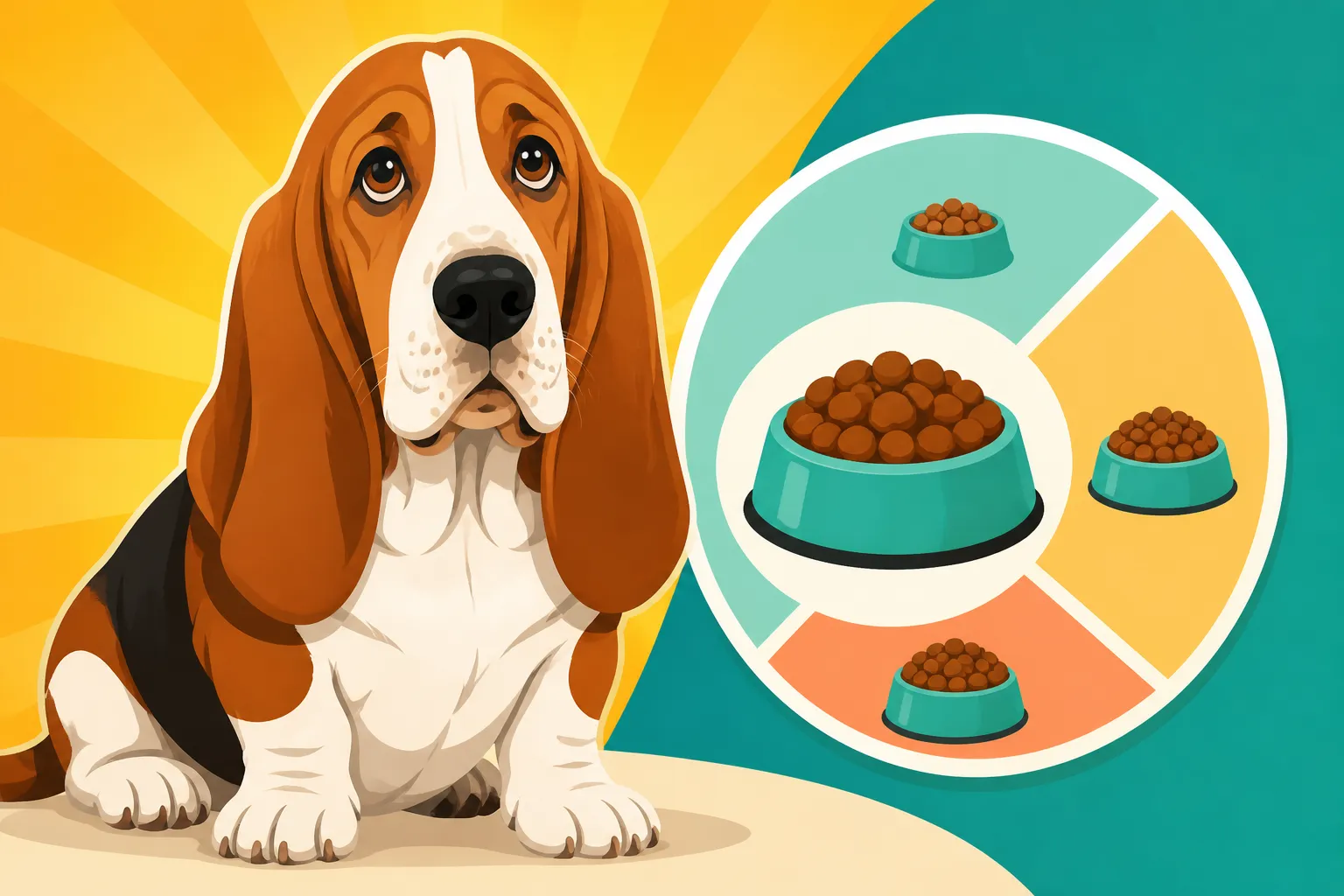
One of the biggest worries many Basset Hound owners face is figuring out how much food to put in their beloved dog's bowl. It seems simple on the surface, doesn't it? Just scoop and serve. But with a breed famously prone to gaining weight and a build that can make it tricky to spot those extra pounds, it becomes a genuine concern that impacts their long-term health and happiness. This guide is here to walk you through the nuances of feeding your Basset Hound, ensuring they get exactly what they need without the risks of over or underfeeding.
Understanding Your Basset Hound's Unique Nutritional Needs
Basset Hounds are, without a doubt, a distinctive breed. Their charming, laid-back demeanor and robust, low-slung bodies are part of their appeal, but these very characteristics also dictate a careful approach to their nutrition. You can't just feed a Basset like you would a high-energy Border Collie or a tiny Chihuahua; their physiology demands a tailored understanding.
The Basset Hound's Metabolism and Activity Level
Let's be honest: Basset Hounds aren't exactly known for their Olympic-level athleticism. While they were originally bred for trailing game for hours, doing so at a slow, deliberate pace, many modern Bassets are much more inclined to nap on the sofa than sprint across a field. This lower average activity level means their caloric needs are often significantly less than what dog food bags might generally suggest for their body weight. Their metabolism tends to be on the slower side, a trait that makes them remarkably efficient at converting food into energy, and unfortunately, into stored fat if not managed properly.
Many owners find themselves scratching their heads, wondering why their Basset seems to put on weight so easily even when they feel like they're not overfeeding. It's often because their daily energy expenditure is low. A casual stroll around the block to follow a fascinating scent trail, while mentally stimulating, doesn't burn the same number of calories as an hour of vigorous fetch. This inherent difference in activity and metabolic rate makes precise portion control absolutely critical for these hounds. Over time, even a small excess of calories each day can lead to substantial weight gain, which then puts undue stress on their unique skeletal structure.
The Impact of Their Distinctive Build on Weight
A Basset Hound's build is iconic: a long, heavy body set on short, sturdy legs, often with ample loose skin. While adorable, this specific conformation can mask weight gain until it becomes quite advanced. You might struggle to feel their ribs through layers of loose skin and fat, or their deep chest and heavy bone might make them feel denser and therefore seem a healthy weight, even if they're carrying extra pounds. This challenge in visually assessing their body condition is a major reason why many Basset Hounds end up overweight without their owners even realizing it until their vet points it out.
The weight they carry, if excessive, has a direct and often detrimental impact on their joints and spine. Their short, bowed legs are already designed to support a weighty body close to the ground, but adding extra burden accelerates wear and tear. You can learn more about this by reading What Extra Weight Does to a Basset Hound. It's a cruel irony that the very characteristics that make them unique also make them more vulnerable to the consequences of obesity. This means that maintaining an ideal body condition isn't just about aesthetics; it's a fundamental aspect of preserving their mobility and preventing painful conditions later in life.
Age, Life Stage, and Dietary Requirements
Just like us, a Basset Hound's nutritional needs change dramatically throughout their life. A growing puppy requires a different balance of nutrients and calories than a senior dog whose activity has slowed considerably. Puppies, for instance, need sufficient energy for growth and development, but overfeeding can lead to rapid growth that puts stress on developing bones and joints, particularly in a chondrodysplastic breed like the Basset. For more on this, you might find Whether a Basset Hound Needs Large Breed Puppy Food insightful.
As they transition into adulthood, their caloric intake should stabilize to maintain their ideal weight. Then, as they enter their senior years, their metabolism often slows further, and their activity levels naturally decrease. An older Basset Hound might also face conditions like arthritis, which can make exercise less appealing, further reducing their caloric needs. If you continue feeding a senior Basset the same amount they ate in their prime, weight gain is almost inevitable. Adjusting their diet as they age, possibly switching to a senior-specific formula or simply reducing portion sizes, becomes crucial for their comfort and health in their golden years.
Deciphering Dog Food Labels and Guidelines
Navigating the world of dog food can feel like trying to solve a complex puzzle. Every bag has feeding charts, ingredient lists, and nutritional analyses, but translating that information into a healthy meal plan for your specific Basset Hound is often where owners get stumped. It's not enough to just pick a 'good' food; you need to understand how to use it.
The 'Recommended' Amounts Aren't Always Perfect for Bassets
Most commercial dog food bags come with a handy feeding guide, usually a table that recommends a certain amount of food based on your dog's weight. Here's the catch: these guidelines are averages and are often geared towards a wide range of breeds with varying activity levels and metabolisms. For a Basset Hound, these recommendations frequently overestimate their actual caloric needs. If you just follow the chart blindly, you might inadvertently be overfeeding your Basset by a significant margin.
Think of it this way: the chart might suggest 3 cups a day for a 60-pound dog. This could be perfect for a lean, active retriever, but potentially far too much for a 60-pound Basset Hound who spends most of its day napping and sniffing the garden. Factors like your Basset's individual metabolism, their actual daily exercise, whether they're spayed/neutered (which can lower caloric needs), and even the climate they live in, all play a role. It's really just a starting point, and often, for Bassets, you'll find yourself needing to feed less than the bag suggests to keep them at a healthy weight.
Calories, Nutrients, and Ingredients to Prioritize
Beyond just the quantity, the quality of what you're feeding your Basset Hound is paramount. When looking at dog food labels, pay attention to the calorie count per cup or per gram. This information is usually found in the "Guaranteed Analysis" or "Nutritional Adequacy Statement" sections, often listed as metabolizable energy (ME). Knowing the ME allows you to accurately calculate how much food delivers a specific number of calories, which is far more precise than just counting cups.
For nutrients, you want a balanced diet with a good quality protein source as the first ingredient (e.g., chicken, lamb, beef), followed by complex carbohydrates (e.g., brown rice, sweet potato), healthy fats, and a good array of vitamins and minerals. Given their predisposition to joint issues, some Basset Hound owners might consider foods fortified with glucosamine and chondroitin, or Whether a Basset Hound Needs Joint Supplements as a separate addition. Brands like Ollie offer fresh, human-grade food that can be portioned precisely, which is excellent for weight control and knowing exactly what nutrients your Basset is getting. When you're seeking specific blends or prescription diets, Chewy provides a vast selection and often has detailed nutritional breakdowns available for comparison.
Practical Approaches to Portion Control and Feeding Schedules
Now that we understand the 'why' behind careful feeding, let's get into the 'how'. Practical, consistent strategies are your best friend in keeping your Basset Hound at a healthy weight and ensuring they thrive. It's less about restriction and more about smart management.
Measuring Food Accurately: Why It Matters More for Bassets
This might sound like a no-brainer, but it's astonishing how many well-meaning owners eyeball their dog's food portions. Using a standard measuring cup (not your coffee mug!) is a good start, but for true accuracy, a digital kitchen scale is your best friend. Different kibble brands have varying densities, meaning a "cup" of one kibble can weigh significantly more or less than a "cup" of another, leading to hidden caloric discrepancies. For a Basset Hound, whose caloric needs are often on the lower side, even small errors in measurement can add up quickly.
Imagine you're aiming for 1.5 cups of food per day. If your "cup" is actually a generous 1.75 cups, you're consistently overfeeding by a quarter cup daily. Over weeks and months, this small oversight translates into extra pounds. Invest in an inexpensive digital scale available from retailers like Amazon and measure their kibble by weight (grams or ounces) rather than volume. Most reputable dog food brands provide feeding guidelines by weight as well as volume, offering you that extra layer of precision that can make all the difference in managing your Basset's waistline. Consistency in measurement helps you identify what truly works for your individual dog.
The Benefits of Scheduled Meals vs. Free-Feeding
Free-feeding, where food is left out all day for your dog to graze on, is almost always a recipe for an overweight Basset Hound. Given their tendency to eat forever and their slow metabolism, continuous access to food makes it nearly impossible to control their caloric intake. Instead, scheduled meals are the gold standard for Bassets. Most adult Bassets do well on two meals a day – once in the morning and once in the evening. This also helps with digestion and can potentially reduce the risk of bloat, a serious concern for deep-chested breeds, though Whether a Basset Hound Bloats After Eating dives into that topic more deeply.
By feeding at specific times, you gain control over how much they eat and can monitor their appetite. If they suddenly don't finish their meal, it might be a subtle sign something's amiss with their health. Scheduled meals also establish a routine, which Bassets often appreciate, and can help with house-training by making their potty schedule more predictable. For puppies, more frequent, smaller meals (often three to four times a day) are typically recommended to support their rapid growth and higher energy needs, gradually reducing to two meals as they mature.
Incorporating Treats and Supplements into the Daily Ration
Treats are an important part of bonding, training, and enrichment, and no one wants to deny their Basset a yummy reward! However, treats are calories, and they must be accounted for. Many owners forget to factor treats into their dog's daily caloric intake, leading to an insidious form of overfeeding. A general rule of thumb is that treats should make up no more than 10% of your Basset Hound's daily calories. If you're using treats frequently for training, opt for very low-calorie options or break larger treats into tiny pieces. Small pieces of cooked carrot, green bean, or apple (in moderation, and ensuring they are dog-safe) can be excellent, healthy, low-calorie alternatives to commercial treats.
If your Basset Hound is on any supplements, such as joint support for Arthritis in a Basset Hound at Seven or omega-3 fatty acids, these usually don't contain significant calories, but it's always good to double-check. The key is to see your Basset's entire daily intake – food, treats, chews, supplements – as one overall caloric budget. If you give a larger treat, subtract a little kibble from their next meal. This balanced approach allows for enjoyment without compromising their health.
Recognizing When Your Basset Hound's Weight is Off
One of the trickiest parts of owning a Basset Hound is figuring out if they're actually at a healthy weight. Their unique body shape with all that loose skin and a deep chest can make it hard to tell just by looking. But it's crucial to be able to assess this, as their weight has such a profound impact on their overall well-being.
The Rib Test and Body Condition Scoring for Bassets
Forget comparing your Basset to the lean, athletic dogs you see on TV. Their ideal body shape is quite different. The best way to assess their weight is through a combination of touch and a visual check using a Body Condition Score (BCS) chart. For a Basset, you should be able to feel their ribs easily when you gently run your hands along their sides, but not see them prominently. It's about feeling the individual ribs without having to press hard or search for them beneath a thick layer of fat. The shoulder blades and hip bones should also be palpable without much effort.
A useful method is the 'rib test':
- Place both thumbs on your Basset's spine.
- Spread your fingers over their rib cage.
- Apply gentle pressure.
You should be able to count the individual ribs. If you can't feel them at all, or have to press hard, your Basset is likely carrying too much weight. If their ribs are very prominent and easily visible, they might be underweight. Remember, the loose skin on a Basset can be deceptive, so really focus on what you feel underneath it. You can learn more about this specific test in Feeling for a Basset Hound's Ribs Under Loose Skin.
Signs Your Basset Hound is Overweight or Underweight
Beyond the rib test, there are other tell-tale signs to look out for. An overweight Basset might exhibit:
- Reduced stamina: They get tired more quickly on walks, or they're more reluctant to move in general. This might look like The Basset Hound That Will Not Walk Any Further.
- Difficulty breathing: Especially after minimal exertion, they might pant excessively or breathe heavily.
- Joint stiffness or pain: They might struggle to get up, climb stairs, or seem generally uncomfortable. This can exacerbate conditions like Elbow Dysplasia in a Basset Hound or back issues.
- Lethargy: More prone to napping, less interested in play.
- Visible fat rolls: Beyond their natural skin folds, you might notice obvious bulges around their neck, chest, or tail base.
- Poor grooming: Difficulty reaching certain areas to lick or scratch.
Conversely, an underweight Basset might:
- Have very prominent ribs, hip bones, and spine: These are easily visible even without touching.
- Lack muscle mass: Their muscles might feel thin or wasted.
- Appear excessively tucked up in their abdomen.
- Seem overly energetic or restless: Sometimes a sign they're not getting enough calories to sustain themselves, though this is less common in Bassets struggling with weight.
- Have a dull coat or dry skin.
Regularly checking your Basset's body condition and observing these signs can help you catch weight issues early, making it much easier to correct them before they become more serious health problems. It's truly about knowing your specific dog and their normal, healthy appearance and feel.
Adjusting Diet for Weight Management and Health
Once you've determined your Basset Hound's current weight status, the next step is to make informed adjustments to their diet. Whether they need to shed a few pounds, gain a bit of healthy muscle, or simply maintain their ideal weight, a strategic approach is essential. This isn't just about cutting calories; it's about making sustainable, health-conscious choices.
Strategies for Getting Weight Off a Basset Hound
If your Basset Hound is carrying extra weight, don't despair; it's a common issue, and it's certainly manageable. The key is a gradual approach. Rapid weight loss can be unhealthy and difficult to maintain. Start by calculating your Basset's ideal weight (your vet can help you determine this, or you can refer to resources like How Much a Basset Hound Should Weigh) and then figure out their target caloric intake for that ideal weight. Usually, this means reducing their current food intake by about 10-20% initially.
Consider switching to a weight-management or 'light' dog food. These formulas are typically lower in calories and fat but still provide essential nutrients and fiber to help your Basset feel full. For example, brands like Purina Pro Plan or Royal Canin offer specific weight management diets that you can find easily on Chewy or at pet specialty stores. You could also explore fresh food options from companies like Ollie, which can be precisely formulated and delivered, making calorie control much simpler. Remember to gradually transition to any new food over 7-10 days to avoid stomach upset. Beyond food, increasing their exercise, even just adding a few extra minutes to their daily walks, can make a difference. For more detailed advice, check out Getting Weight Off a Basset Hound That Will Not Exercise.
The Role of Veterinary Guidance and Prescription Diets
Your veterinarian is your most valuable partner in managing your Basset Hound's weight. They can accurately assess your dog's body condition, recommend a specific target weight, and help calculate the ideal daily caloric intake based on their age, current health, and activity level. If your Basset is significantly overweight or has underlying health issues, your vet might recommend a prescription weight-loss diet. These foods are scientifically formulated to facilitate weight loss safely and effectively, often with higher protein and fiber content to promote satiety while being very low in calories.
Prescription diets, such as those from Hill's Prescription Diet or Royal Canin Veterinary Diet, are only available through a veterinarian. They're not just 'light' versions of regular food; they're therapeutic diets designed to treat obesity as a medical condition. Your vet can also rule out any medical conditions, like hypothyroidism, that might be contributing to weight gain, as discussed in Whether a Basset Hound Gets Hypothyroidism. Regular weigh-ins at the vet's office can also provide accountability and allow for adjustments to the diet plan as needed.
Preventing Future Weight Gain and Related Health Issues
Once your Basset Hound reaches a healthy weight, the journey isn't over; it's about maintaining that condition for life. This means sticking to portion control, continuing with scheduled meals, and being mindful of treats. Think of it as a lifestyle change, not a temporary diet. Regularly monitor their body condition using the rib test and adjust their food intake as their activity levels or age change.
Preventing obesity is crucial for mitigating the risk of several breed-specific health problems. Excess weight puts immense strain on their delicate backs, potentially worsening Intervertebral Disc Disease in a Basset Hound, and exacerbating arthritis in their elbows and hips. It can also increase their risk for conditions like diabetes and certain types of cancer. By actively managing their weight, you are not just making them look better; you are dramatically improving their quality of life, extending their healthy years, and potentially saving yourself from costly veterinary bills down the line. Keeping a Basset Hound at its correct weight is a continuous effort, but the benefits for their comfort and longevity are immeasurable.
| Life Stage | General Calorie Needs (Approximate) | Feeding Frequency | Key Considerations |
|---|---|---|---|
| Puppy (8 wks-1 yr) | Higher (2x adult for growth) | 3-4 meals/day | Supports rapid growth; avoid overfeeding for skeletal health. |
| Adult (1-7 yrs) | Moderate | 2 meals/day | Maintain ideal body condition; adjust for activity. |
| Senior (7+ yrs) | Lower (due to decreased metabolism) | 2 meals/day | Focus on joint health, reduced calories, easy digestion. |
| Pregnant/Lactating | Significantly Higher | 3-4 meals/day | Increased energy for pups; specific formulas often needed. |
| Active/Working | Higher (based on exertion) | 2-3 meals/day | Energy-dense food; monitor condition closely. |
| Inactive/Spayed | Lower | 2 meals/day | Easy weight gain; strict portion control essential. |
Disclaimer
This article is for general informational purposes only and does not constitute professional advice. Laws, prices and regulations vary by location and change over time. Consult a qualified professional for guidance on your specific situation.