Whether a Basset Hound’s Ears Should Ever Be Trimmed
It's a common question, and one I've heard countless times from new Basset Hound parents: "Should I trim my Basset's ears?" The idea often comes from a good place – a desire to help their floppy, magnificent ears stay clean or prevent infections. However, the answer might surprise you, and it’s a crucial one for your Basset’s well-being. This guide will walk you through why trimming a Basset Hound's ear leather is generally a bad idea and what proper ear care really entails.
The Unique Anatomy of a Basset Hound's Ears
When you look at a Basset Hound, those long, velvety ears are probably one of the first things you notice. They’re absolutely iconic, trailing gracefully to the ground or even beyond! But their unique structure isn't just for show; it's intricately linked to their incredible scenting ability and, unfortunately, can also be a source of specific health challenges. Understanding this anatomy is key to knowing how to care for them properly.
The Length and Leather: More Than Just Looks
A Basset Hound's ears are known for their exceptional length and heavy "leather" – that's the term we use for the ear flap itself. These aren't just delicate pieces of skin; they're substantial, thick, and well-vascularized, meaning they have a rich blood supply. The length can vary, but it's not uncommon for them to reach past the dog's nose when pulled forward. This impressive length serves a distinct purpose in their hunting heritage. As a Basset follows a scent trail, those long ears actually drag along the ground, sweeping scent particles up towards their highly sensitive nose. They act like natural scent concentrators, enhancing the dog's already phenomenal olfactory capabilities.
Think of it like a natural broom, gathering all those wonderful smells. This is a critical part of what makes a Basset Hound such an exceptional scent hound. Beyond scenting, the thickness of the ear leather offers a degree of protection, though not against everything. It's a marvel of canine engineering, perfectly suited to their original job of trailing game.
Why the Basset Hound's Ear Design Matters for Health
While those magnificent ears are a huge part of the Basset Hound's charm and working ability, their design also makes them particularly prone to certain issues. Because they hang so low and are so heavy, they naturally restrict airflow into the ear canal. This creates a warm, moist environment inside the ear – a perfect breeding ground for bacteria and yeast. This is why Why a Basset Hound's Ear Canal Never Dries is such a common topic among Basset owners.
Furthermore, these long ears are easily dragged through water, food, mud, and anything else your Basset might sniff out on their adventures. This constant exposure to moisture and debris can introduce foreign material into the ear canal, increasing the risk of irritation and infection. It's a constant balancing act between appreciating their natural design and proactively managing the health challenges that come with it. The skin of the ear leather itself, like all skin, is also susceptible to damage if not properly cared for.
Trimming vs. Cleaning: Understanding the Difference
There's a significant difference between "trimming" and "cleaning" when it comes to a Basset Hound's ears, and this distinction is crucial for their health and well-being. Many new owners, in an attempt to be helpful, might conflate the two or think trimming the outer ear flap will solve internal ear problems. Let's clear up that common misconception right away.
The Misconception of Trimming for Hygiene
When people ask about "trimming" a Basset Hound's ears, they often envision cutting the actual ear flap or the long hair that grows on it, much like you might trim hair around a poodle's face. The thinking is often that shorter ears or less hair will somehow improve airflow, reduce dragging, or make cleaning easier. However, this is where the misunderstanding lies. The primary issue with Basset Hound ears isn't the length of the ear leather itself, but the environment inside the ear canal. Trimming the external ear flap would disrupt its natural function in scenting and could actually cause more problems than it solves.
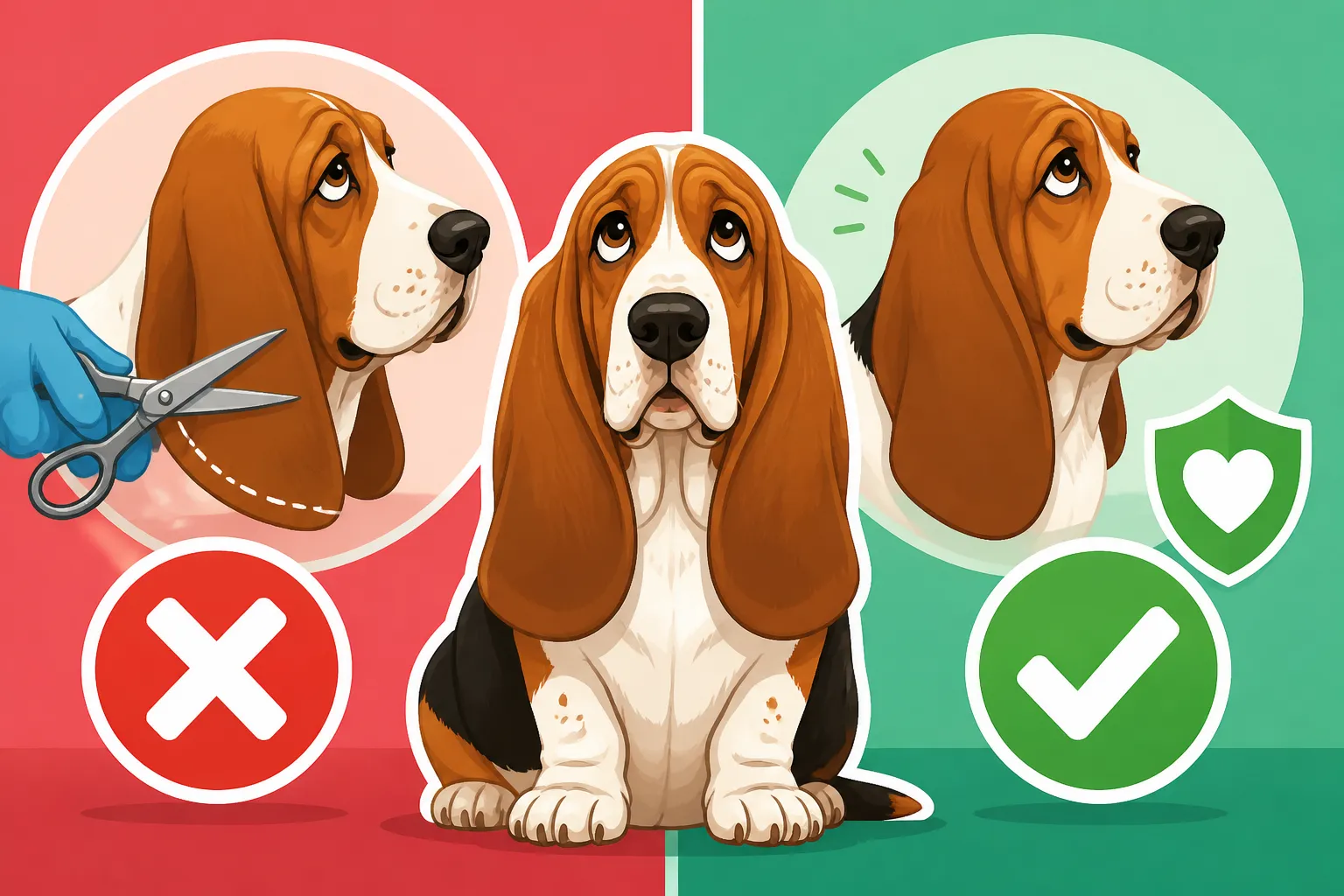
More importantly, cutting the ear leather—the actual floppy part of the ear—is almost universally discouraged by veterinarians and experienced Basset Hound breeders. It’s not simply a cosmetic issue; it involves cutting through skin, cartilage, and blood vessels, which can lead to significant pain, bleeding, and potentially permanent damage or disfigurement. The "hygiene" benefits people imagine from such a trim are simply not there, and the risks are substantial. This is why you should never consider shortening the actual ear flap.
The Importance of Regular, Gentle Cleaning
Instead of trimming the ear, the focus for Basset Hound owners should be entirely on regular, gentle cleaning of the ear canal and the inner surface of the ear flap. This is the real secret to preventing those frustrating, recurring ear infections that Basset Hounds are so prone to. As we discussed, their long, heavy ears create a warm, moist, dark environment perfect for yeast and bacteria to flourish. Regular cleaning helps to remove wax, debris, and moisture before they can cause trouble.
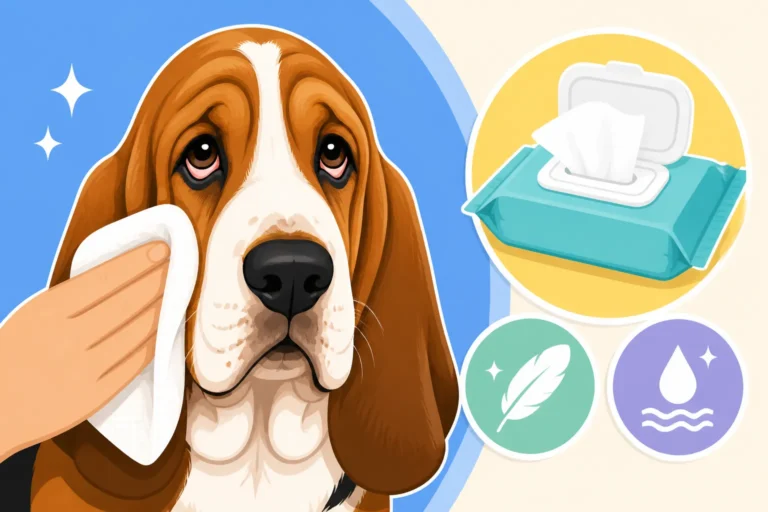
The frequency of cleaning can vary, but many Basset owners find that a twice-weekly ritual is necessary, especially if their dog is prone to infections or loves to explore mucky areas. The Twice Weekly Ear Ritual a Basset Hound Owner Signs Up For isn't a suggestion; for many, it's a necessity. You'll want to use a veterinarian-approved ear cleaner, which you can often find at pet supply stores like Chewy or on Amazon. These cleaners are formulated to safely break down wax and dry out the ear canal without causing irritation. The process usually involves squirting a generous amount of cleaner into the ear, gently massaging the base of the ear to help it work its way down, and then allowing your Basset to shake their head, which helps to dislodge debris. Afterward, you'll use cotton balls or soft wipes to clean away any visible gunk from the inner ear flap. Never use cotton swabs deep inside the ear canal, as this can push debris further in or damage the delicate structures. For a step-by-step guide, check out How to Clean a Basset Hound's Ears Properly.
When Is Any Manipulation Necessary? (Beyond Basic Cleaning)
While we've firmly established that trimming the actual ear leather of a Basset Hound is a no-go, there are occasional situations where some form of "manipulation" or intervention beyond routine cleaning might be necessary. These instances are typically aimed at addressing specific problems that can arise with those magnificent, heavy ears, and they should always be approached with caution, often under veterinary guidance.
Addressing Mats and Tangled Hair (Not the Ear Leather Itself)
Unlike some breeds with flowing feathering, Basset Hounds don't have extremely long, thick hair on their ear flaps. Their coat is short and dense. However, the hair around the base of the ear and sometimes on the very edges of the ear leather can occasionally get matted or tangled, especially if the dog frequently rolls in burrs or sticky substances, or if they have other underlying skin issues. This isn't about trimming the ear leather, but carefully managing the hair that grows on it.
If you find a mat, your first instinct might be to grab scissors. However, exercise extreme caution. Basset Hound skin is surprisingly delicate, and it's very easy to accidentally snip the skin under a mat, leading to a painful wound and potential infection. Instead, try to gently work the mat out with your fingers, perhaps using a detangling spray or a little cornstarch. If it's truly stubborn, a slicker brush or a metal comb might help, but always work slowly and from the outside of the mat inwards. For severe mats that are tight against the skin, it's always safest to seek assistance from a professional groomer or your veterinarian, who can carefully shave or cut the mat without injuring your dog. This kind of grooming is a far cry from "trimming" the ear itself and is solely about maintaining the surrounding hair.
Veterinary Intervention for Aural Health Issues
There are situations where a veterinarian might recommend a specific procedure that could be loosely described as a form of "trimming," but it's important to understand this is always for a medical reason and never for cosmetic purposes. For example, if a Basset Hound suffers from severe, chronic ear infections that have led to significant scarring and narrowing of the ear canal (a condition known as otitis externa with secondary stenosis), a vet might discuss a Total Ear Canal Ablation (TECA). This is a major surgical procedure where the entire diseased ear canal is removed. This isn't a simple trim; it's a life-changing surgery aimed at alleviating intense pain and chronic infection when all other medical treatments have failed. It's an absolute last resort, but it dramatically improves the dog's quality of life in severe cases.
Another rare scenario might involve a vet carefully trimming or shaving hair deep within the ear canal if it's exceptionally dense and trapping moisture or debris, contributing to chronic infections. However, this is a delicate procedure performed by a professional with specialized tools and knowledge, and it's not something an owner should ever attempt at home. In these instances, the "trimming" is a medically necessary intervention, not a routine grooming practice. If your Basset Hound is shaking their head constantly or has a foul smell coming from their ears, The Signs a Basset Hound's Ear Has Gone Bad are clear indicators that a vet visit is needed, not home trimming.
The Risks of Trimming a Basset Hound's Ear Leather
I really want to stress this: attempting to trim the actual ear leather of your Basset Hound carries significant risks. It's not like giving your dog a haircut; these ears are living, sensitive tissue, and interfering with them can have serious, lasting consequences. It’s crucial to understand these dangers to make informed decisions about your Basset’s care.
Compromising Natural Protection
While a Basset Hound's long, heavy ears can create an environment ripe for infection inside the canal, the ear flaps themselves do offer a degree of natural protection. They shield the delicate inner ear structures from direct trauma, wind, and even some foreign objects. Think about your Basset exploring a dense bush or running through tall grass; those big ears can deflect some of the potential irritants or sharp twigs that might otherwise go directly into the ear canal.
If you were to trim or shorten these ear flaps, you'd effectively remove some of that natural barrier. This could leave the ear canal more exposed to environmental hazards, potentially leading to more irritation, not less. The purpose of the ear flap extends beyond just scenting; it's a protective shield. Altering its natural length and shape for non-medical reasons could disrupt this delicate balance, making your Basset more vulnerable to external factors that could cause injury or discomfort.
Potential for Injury and Infection
This is perhaps the most critical point: trimming your Basset Hound's ear leather at home, or even by an inexperienced groomer, is incredibly dangerous. The ear flaps are highly vascularized, meaning they contain many blood vessels. A small snip can lead to profuse bleeding that is difficult to stop. Anyone who has dealt with a dog shaking its head after a minor ear injury knows how messy and alarming it can be.
Beyond the immediate bleeding, there's a huge risk of infection. Any open wound on the ear, especially in a moist environment, is an invitation for bacteria and yeast to set up shop. This can quickly escalate into a painful, severe infection that requires extensive veterinary treatment, including antibiotics and pain medication. Furthermore, if the cut is deep or jagged, it could lead to permanent scarring, disfigurement, or even nerve damage, affecting how your Basset moves their ears or hears. Whether a Basset Hound's Ear Flap Gets Torn is a genuine concern, and an intentional cut is far worse. It's simply not worth the risk. Always remember that the best approach to ear health is prevention through proper cleaning, not through invasive and risky "trimming."
Best Practices for Basset Hound Ear Care
Okay, so we've firmly established that trimming the actual ear leather of your beloved Basset Hound is a definite no-go. But that doesn't mean you're off the hook when it comes to ear care! In fact, the opposite is true. Basset Hounds require a dedicated and consistent routine to keep those magnificent ears healthy and prevent the common, often painful, issues they're prone to.
Establishing a Routine
Consistency is truly the unsung hero of Basset Hound ear care. It's not a once-in-a-while task; it needs to become a regular part of your dog's grooming schedule. For many Basset owners, this means checking and cleaning their dog's ears at least twice a week. Some might even need to do it more frequently if their Basset is prone to chronic infections, swims often, or has a particularly active lifestyle where they're always got their nose to the ground in damp environments.
Beyond scheduled cleaning, make it a habit to quickly inspect their ears daily. A quick lift of the ear flap can reveal if there's any unusual redness, discharge, or an off smell. Catching potential problems early is key to preventing them from escalating into full-blown infections. What to Look For Inside a Basset Hound's Ear can give you a clear picture of what's normal and what's not. Getting your Basset used to this routine from a young age is also crucial. Start by gently handling their ears as a puppy, making it a positive experience with treats and praise. This will make future cleanings much easier and less stressful for both of you. Getting a Basset Hound Used to Ear Handling as a Puppy is invaluable advice.
Tools and Techniques for Healthy Ears
Having the right tools on hand will make your ear care routine much more effective and less daunting. Here's a rundown of what you'll need:
- Veterinary-Approved Ear Cleaner: This is your primary weapon against wax and moisture buildup. Your vet can recommend a good one, or you can find reputable brands on Chewy or Amazon. Look for formulations that are gentle, drying, and effective against both bacteria and yeast. You might even consider having two types on hand, one for maintenance and another for when things seem a little "off," perhaps an antiseptic wash.
- Cotton Balls or Soft Gauze Pads: These are for wiping away debris and excess cleaner from the outer ear flap and the parts of the ear canal you can easily see.
- A Snood (Optional but Recommended): A snood is a soft fabric tube that slips over your Basset's head, keeping their long ears out of their food and water bowls. This is incredibly helpful in preventing their ears from getting wet and mucky during meal times, which can contribute to infections. You can find many stylish and practical snoods on Amazon. Whether a Basset Hound Needs a Snood at Dinner is a good read if you're on the fence!
- Treats: Always have plenty of high-value treats on hand to reward your Basset for their cooperation during ear cleaning. Positive reinforcement makes the experience much more pleasant for them. Ollie offers some fantastic, healthy treat options that many Bassets adore.
The Technique:
- Preparation: Gather all your supplies and have your Basset in a comfortable, relaxed position.
- Apply Cleaner: Gently lift the ear flap and squirt the vet-approved ear cleaner into the ear canal until it's full.
- Massage: Gently massage the base of the ear for about 20-30 seconds. You should hear a squishing sound as the cleaner works its way through the ear canal. This helps break up wax and debris.
- Allow Shaking: Stand back and let your Basset shake their head vigorously. This helps dislodge loosened gunk. Be prepared for some spray!
- Wipe Clean: Use cotton balls or gauze pads to wipe out any visible discharge, wax, and cleaner from the inner surface of the ear flap and the upper part of the ear canal. Only go as far as your finger can comfortably reach. Never use cotton swabs deep inside the ear.
- Reward: Lavishly praise and treat your Basset for their patience and good behavior!
This consistent and proper cleaning regimen is the absolute best way to keep your Basset Hound's ears healthy and happy, far superior and safer than any misguided attempts at trimming.
Disclaimer
This article is for general informational purposes only and does not constitute professional advice. Laws, prices and regulations vary by location and change over time. Consult a qualified professional for guidance on your specific situation.