Whether a Drool Towel Is Necessary With a Basset Hound
One of the most common, and frankly, often underestimated, challenges of living with a Basset Hound is the sheer volume of drool they can produce. It's not just a little slobber now and then; it can be a constant, often surprising, fact of life that leaves trails on your floors, splashes on your walls, and damp spots on your clothes. This guide is here to tackle that sticky subject head-on, helping you understand why your Basset Hound is such a prolific drooler and whether a dedicated "drool towel" is truly the essential household item it quickly becomes for many owners.
The Unique Anatomy Behind a Basset Hound's Drool
It's easy to blame your Basset Hound's drooling on a lack of manners or just an exceptionally messy personality. But the truth is, a Basset Hound’s propensity for drooling is deeply rooted in their very unique and charming physical structure. These aren't just features for aesthetics; they're functional elements that contribute to their incredible scenting ability, and, as a side effect, their slobbery reputation. Understanding this can help us be more empathetic to our beloved, wet-chinned companions.
Understanding Their Unique Anatomy
The Basset Hound's signature look – those long, pendulous ears, the deeply wrinkled brow, and especially those magnificent jowls and loose lips – are all factors in their drooling. Their facial structure, particularly the relaxed, saggy lips and prominent flews, don't form a tight seal around the mouth. This means that saliva, instead of being neatly contained and swallowed, often finds an easier escape route: out and down. It's not that they produce more saliva than other breeds, necessarily, but rather that their anatomy makes it harder to keep it all in.
Think about it this way: when you drink from a cup, your lips form a seal to prevent spills. A Basset's mouth, with its generous folds and loose skin, is more like drinking from a colander. Gravity does its work, and the saliva, which is always being produced, simply has nowhere else to go. This is especially true after they've had a drink of water; instead of swallowing every last drop, a significant portion often drips from their lower jaw, forming those familiar puddles. It's just part of The Drool a Basset Hound Produces and Cannot Swallow.
Situations That Increase Drooling
While drooling is a baseline state for many Basset Hounds, certain situations can kick their saliva production into overdrive, or at least make the existing drool more apparent. The most common trigger, by far, is food. The moment that kibble bag rustles, or you start preparing dinner, a Basset Hound's salivary glands go into full production. Anticipation is a powerful thing, and their keen sense of smell, arguably second only to a Bloodhound, means they detect food long before you even open the fridge.
Beyond meal times, excitement is another major drool catalyst. A new visitor at the door, the jingling of car keys signaling a walk, or even just a vigorous petting session can lead to an increase in drool. They get so thrilled that they can't contain their joy – or their saliva. Lastly, during exercise or in warmer weather, dogs pant to regulate their body temperature, and increased panting can naturally lead to more saliva being expelled from the mouth, resulting in more visible drool. Understanding these triggers can help you predict and prepare for the inevitable. Whether a Basset Hound Drools More When Excited is a question many owners ponder, and the answer is a resounding "yes!"
The Reality of Living with Basset Hound Drool
If you're a new Basset Hound owner, or considering bringing one into your home, it's crucial to understand that drool isn't just an occasional inconvenience; it's a lifestyle. It integrates itself into the fabric of your home and daily routine in ways you might not initially anticipate. While their charming personalities more than make up for it, being prepared for the drool reality is key to maintaining a happy, clean home.
Impact on Furniture and Floors
Let's be blunt: your furniture and floors will bear the brunt of your Basset Hound's slobbery affection. Dark, damp circles on your pristine couch cushions, sticky trails across the kitchen floor, and even surprising splashes on the lower walls are all part of the Basset Hound ownership experience. It's not just water either; often, it's a mixture of saliva, food particles, and sometimes, well, whatever they just sniffed outside. This isn't a judgment on your dog; it's simply a fact of their unique facial structure.
If you have hardwood floors, you’ll find yourself wiping up "drool puddles" more often than you thought possible, especially near their food and water bowls, or after a particularly enthusiastic greeting. Fabric furniture, carpets, and even your clothes are also vulnerable. Many Basset owners learn to strategically place blankets or throws on their favorite seating areas, not just for comfort, but as a first line of defense against the wetness. It's a small concession for the boundless love these dogs give. Whether a Basset Hound's Drool Stains Furniture is a valid concern, and indeed, it can, especially on lighter fabrics if not cleaned promptly.
Personal Grooming and Hygiene for Your Basset
Beyond protecting your home, managing drool also means paying close attention to your Basset Hound's personal hygiene. Those adorable, loose jowls and deep lip folds are perfect traps for saliva, food debris, and moisture. If left unaddressed, this can lead to skin irritation, unpleasant odors, and even infections. It's a vital part of their care, not just for cleanliness, but for their overall health and comfort.
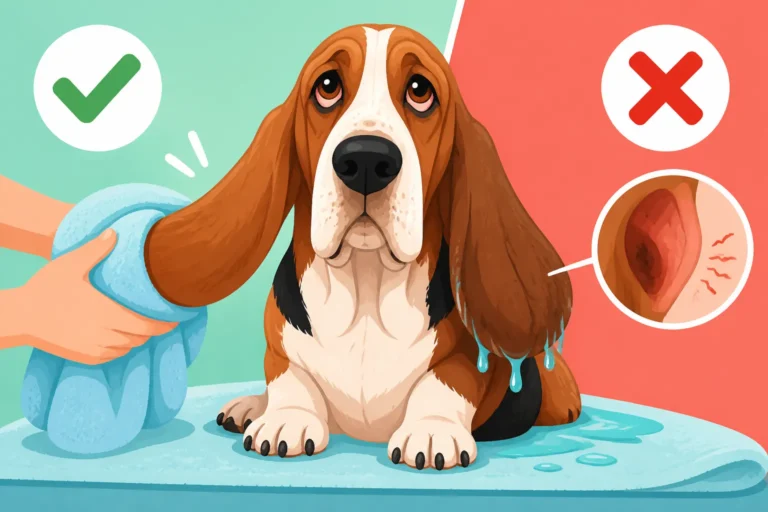
Regular wiping of their mouth and chin area, especially after meals and drinks, becomes a non-negotiable part of your routine. You'll want to gently pull back their lips and clean inside the folds to remove any trapped moisture or food. This is particularly important for preventing a sour smell, which can quickly develop if these areas remain damp. Think of it as preventative care; a few minutes of wiping each day can save you a lot of trouble (and smell) down the line. We talk more about this in Cleaning a Basset Hound's Face Wrinkles and Whether a Basset Hound's Lip Folds Sour.
Drool Towels: A Practical Solution
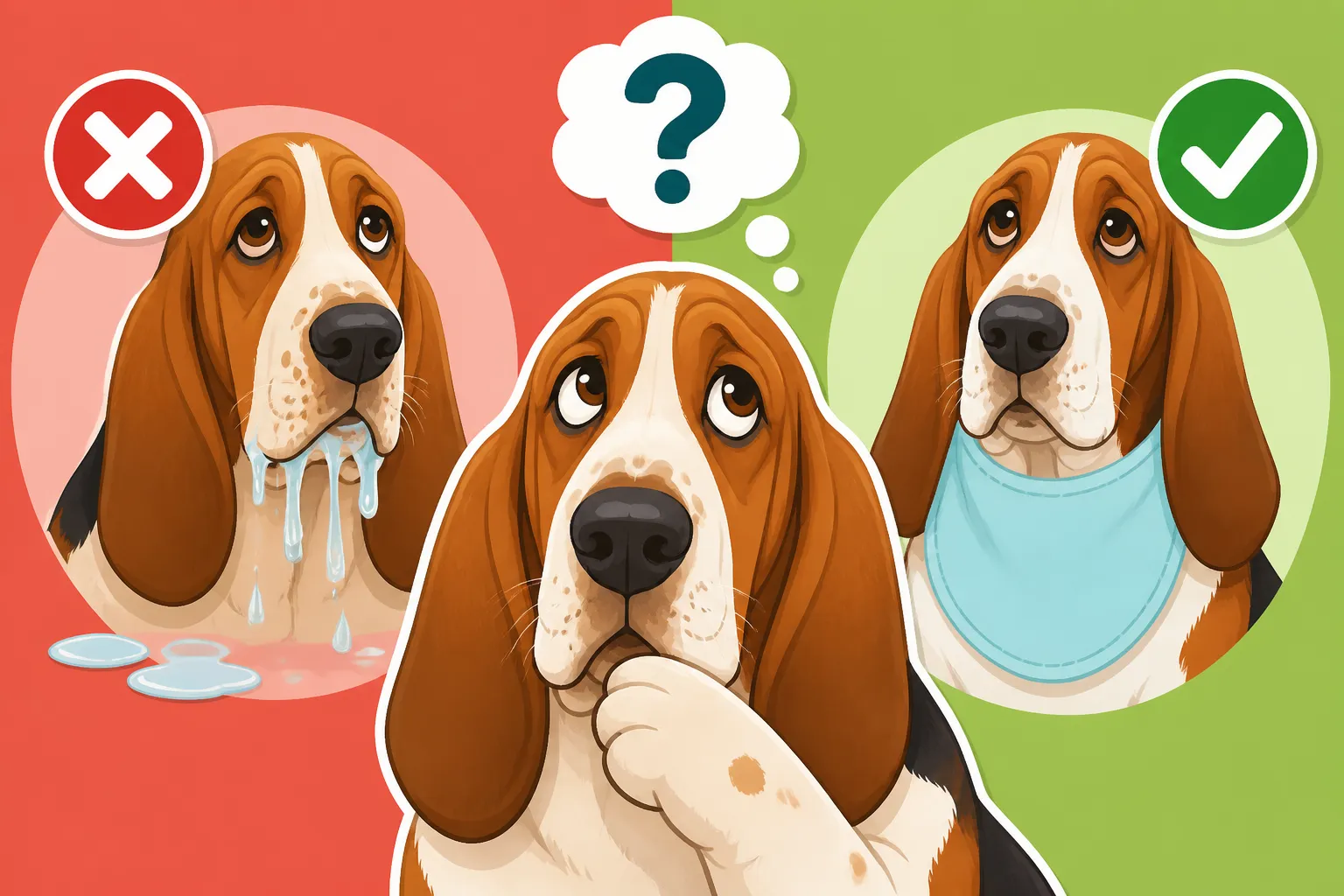
So, is a drool towel necessary? For many Basset Hound owners, it quickly moves from "optional" to "absolutely essential." It's not just a fancy accessory; it's a tool that helps maintain hygiene, protect your home, and manage the realities of living with a perpetually damp-chinned companion.
What Makes a Good Drool Towel
Not all towels are created equal when it comes to Basset Hound drool. You’re not looking for your finest linen or a decorative hand towel. What you need is something highly absorbent, durable, and easy to clean. Here's what to look for:
- Material: Microfiber is a popular choice because it's super absorbent and dries relatively quickly. Cotton terry cloth, like a good quality bath towel, also works well. Avoid anything too plush that might trap odors or anything too thin that won't absorb much.
- Size: You want something substantial enough to handle a good amount of drool but not so large that it's cumbersome to use or carry around. A standard hand towel or even a larger washcloth size is often perfect.
- Durability: These towels will be washed frequently, so they need to stand up to repeated cycles without falling apart. Look for well-stitched edges.
- Color: Darker colors or patterned towels can be helpful for camouflaging minor stains between washes. Though, honestly, you'll be washing them so often it might not matter much!
Many owners find that having a stack of these towels on hand is the best approach. You might find a good selection of durable, absorbent options on sites like Chewy or Amazon, allowing you to stock up without breaking the bank.
How to Incorporate Drool Towels into Your Routine
Integrating drool towels into your daily life with a Basset Hound becomes second nature surprisingly quickly. Here’s how many owners manage it:
- Strategic Placement: Have drool towels readily available in key areas of your home. Keep one near their food and water bowls, one by the door for post-walk greetings, and a couple on the couch or armrests. This way, a clean towel is always within arm's reach when a drool event occurs.
- Immediate Wiping: The golden rule is to wipe immediately. The longer drool sits, the more it spreads and the harder it is to clean. A quick wipe of your Basset's mouth after they drink water, before they come on the furniture, or after they've finished eating can make a huge difference. You'd be surprised how much wetness you can prevent from ever reaching your floors by just doing a quick pat-down. Whether a Basset Hound Needs Wiping After Every Meal is generally a yes, if you want to minimize mess.
- The "Pocket Towel": For walks or car rides, consider having a small, dedicated "pocket towel." Basset Hounds love to stick their heads out car windows, and a little drool can fly! Having a towel on hand means you can manage any mess on the go.
- Washing Schedule: Because they get used so often, drool towels will need frequent washing. Many owners throw them in with other pet laundry or dedicate a specific laundry load to them a couple of times a week.
| Drool Towel Type | Pros | Cons | Best For |
|---|---|---|---|
| Microfiber Towel | Highly absorbent, quick-drying | Can feel a bit synthetic | Everyday quick clean-ups, car rides |
| Cotton Terry Towel | Soft, natural, durable | Can take longer to dry | General household use, furniture protection |
| Old Bath Towels | Free/recycled, readily available | May not be as absorbent if worn | Budget-conscious, heavy-duty messes |
| Specialized Pet Towel | Often designed for pet hair/absorbency | Can be more expensive | Targeted solutions, grooming |
Beyond Towels: Managing Drool and Cleanliness
While drool towels are incredibly helpful, they're just one piece of the puzzle in managing life with a Basset Hound. A holistic approach that includes dietary considerations and environmental adjustments can further reduce mess and improve your dog's overall hygiene and comfort.
Dietary Considerations
It might sound strange, but what your Basset Hound eats can sometimes play a role in their drooling habits. Not in terms of reducing the inherent anatomical drool, but in terms of the quality and stickiness of the drool, and the potential for food particles to get stuck in their jowls.
- Kibble Size and Shape: Some owners find that the size and shape of kibble can influence how much food gets stuck in their Basset's folds or how much "messy" drool occurs during eating. Experimenting with different kibble sizes might reveal if one particular type is less prone to creating a slobbery soup around their mouth.
- Moisture Content: Wet or fresh food diets, like those offered by companies such as Ollie, can sometimes be messier during eating simply because there's more moisture and often softer textures that can cling to jowls. However, these diets are often great for overall health, so it's a trade-off. If you choose a fresh food diet, be extra diligent with post-meal wiping.
- Eating Speed: Basset Hounds are notorious for inhaling their food. Fast eating can sometimes lead to more sloppy consumption, increasing the chances of drool and food particles escaping. Using a slow feeder bowl, which can be found on Chewy or Amazon, can encourage them to eat more slowly and potentially reduce some of the mess. This also helps prevent other issues like bloat, which Basset Hounds can be prone to. Whether a Basset Hound Bloats After Eating is a good read on that topic.
Always discuss any major dietary changes with your veterinarian, especially if your Basset Hound has a sensitive stomach or other health concerns. Whether a Basset Hound Has a Sensitive Stomach is not uncommon.
Environmental Strategies
Beyond what goes into your Basset Hound’s mouth, how you set up their eating and living environment can make a world of difference in drool management.
- Elevated Bowls: Some owners swear by elevated food and water bowls. The theory is that if the bowls are at a more comfortable height, the Basset doesn't have to bend as much, which might reduce the amount of water that immediately drips back down their chest and onto the floor. While the science isn't conclusive on significantly reducing drool, it can make eating and drinking more comfortable for some dogs, especially older Bassets.
- Snoods for Dinner: A snood isn't just a cute accessory; for Basset Hounds, it can be a highly practical tool during meal times. A snood is a fabric tube that slips over their head, holding their long ears back and out of their food and water. This prevents their ears from becoming soaked in water or caked with food, which in turn reduces the amount of wetness and mess they then shake around or rub onto your furniture. Plus, clean ears are happier ears! You can find a variety of snoods on Amazon. More on this helpful tool can be found in Whether a Basset Hound Needs a Snood at Dinner.
- Washable Rugs and Mats: Placing washable rugs or silicone mats under food and water bowls can catch spills and drool before they hit your hard flooring or carpet. These are easy to toss in the washing machine or wipe down daily.
- Designated Drool Zones: Sometimes, it's about embracing the drool rather than fighting it. If your Basset has a favorite spot on the couch, make it a "drool zone" by placing a dedicated, easily washable blanket there. This way, the drool goes onto the blanket, not directly onto your upholstery.
By combining the use of effective drool towels with thoughtful dietary choices and strategic environmental setups, you can significantly mitigate the challenges of Basset Hound drool. It's about proactive management and understanding that this charming quirk is just part of the package when you welcome one of these wonderful hounds into your life.
Disclaimer
This article is for general informational purposes only and does not constitute professional advice. Laws, prices and regulations vary by location and change over time. Consult a qualified professional for guidance on your specific situation.