Whether a Basset Hound Suits an Allergy Household
Oh, the age-old dilemma for so many dog lovers: you adore the soulful eyes and floppy ears of a Basset Hound, but your own eyes start to water and your nose gets stuffy just thinking about a furry friend in the house. It's a truly heartbreaking situation when your heart says "yes" but your body screams "no." This guide is here to tackle that very real struggle head-on, exploring whether a Basset Hound can truly fit into an allergy-prone household and what it really takes to make it work.
Understanding Basset Hound Allergens
Let's cut right to the chase: if you're holding out hope for a "hypoallergenic" Basset Hound, I'm afraid I have to burst that bubble gently. It's a common misconception that some breeds are entirely free of allergy triggers, and unfortunately, our beloved Bassets are not on that elusive list. The reality is a bit more nuanced, and understanding what causes those sneezes and sniffles is the first step in deciding if a Basset Hound is a viable addition to your home.
The Truth About "Hypoallergenic" Dogs
The term "hypoallergenic" is a marketing dream, but it's not scientifically accurate when it comes to dogs. No dog breed is 100% hypoallergenic because the allergens that trigger reactions in humans aren't just found in hair. They're primarily found in dander (those microscopic flakes of skin), saliva, and urine. Every dog produces dander, every dog has saliva, and every dog produces urine. What varies is the amount of these allergens a dog sheds or disperses, and how easily they become airborne or transfer to surfaces. Some breeds might shed less hair, which can help by reducing the spread of dander, but it doesn't eliminate the problem entirely. For someone with severe allergies, even a low-shedding breed can still cause a reaction. It's a matter of individual sensitivity and cumulative exposure.
Basset Hound Coat and Shedding
Now, let's talk about our Bassets. They might not have long, flowing coats that seem to carpet the house, but don't let their short fur fool you. Basset Hounds have a dense, hard, and surprisingly prolific coat. They aren't considered low-shedding dogs by any stretch of the imagination. In fact, many Basset owners will tell you they shed quite a bit, consistently, year-round, with extra bursts during seasonal changes. That short, stiff hair can embed itself into furniture, carpets, and clothing with a tenacity that belies its length.
Every one of those shed hairs carries dander. When you're dealing with a breed that sheds as much as a Basset Hound, you're constantly fighting an uphill battle against the dispersal of these tiny skin flakes. The dander, often too small to see, is what really gets into the air and lingers, attaching itself to everything. So, while you might think a short-haired dog would be better for allergies, the sheer volume of shedding means a significant amount of dander is always being released into the environment. You can learn more about this by reading How Much a Basset Hound Sheds.
Drool and Skin Folds: Unique Basset Challenges
Beyond the shedding, Basset Hounds come with a couple of other endearing (to us, perhaps less so to allergy sufferers) characteristics that can escalate allergen issues: their famous drool and their magnificent, wrinkled skin. Basset Hounds are champions in the drool department. Their loose jowls and penchant for savoring every scent often mean a generous amount of slobber. This drool contains allergenic proteins, and when it dries on surfaces, on their fur, or on your hands, those proteins can become airborne or easily transferred. You might find streaks on the wall, wet spots on the floor, and a general "Basset scent" that, while lovely to some, can be a potent irritant to sensitive noses. We've all seen a Basset "sling" drool after a good shake! If you’ve ever wondered about the sheer volume, check out The Drool a Basset Hound Produces and Cannot Swallow.
Then there are those adorable, expressive skin folds – especially around their face, neck, and sometimes even their legs. These folds are warm, moist environments that can trap moisture, dirt, and even yeast and bacteria. While not directly allergenic themselves, these trapped substances can create a breeding ground for other irritants and certainly contribute to what some might perceive as a "doggy smell." When skin isn't clean, it can also become irritated, potentially leading to more flaking and dander production. Regular cleaning of these folds is absolutely essential, not just for hygiene but also for managing the overall allergen load in your home. The Skin Under a Basset Hound's Folds explains more about these areas, and Cleaning the Folds a Basset Hound's Face Is Made Of details the necessary care.
Managing Allergies in a Basset Hound Household
So, if Basset Hounds aren't hypoallergenic and come with their own unique allergen challenges, does that mean an allergy sufferer can never have one? Not necessarily! It means you need to be realistic and incredibly committed to a strict management routine. It's certainly not for the faint of heart, but with dedication, it can be possible for mild to moderate allergy sufferers.
Grooming Routines to Minimize Allergens
This is where the rubber meets the road. Your grooming routine will be your first line of defense. It needs to be consistent, thorough, and seen as a non-negotiable part of Basset ownership.
- Frequent Bathing: Regular baths are crucial for washing away dander, saliva, and loose hair. Depending on your sensitivity and your Basset's skin, bathing once a week or every other week might be necessary. You'll want to use a gentle, moisturizing dog shampoo that doesn't strip their skin of natural oils, as dry skin can lead to more dander. Some folks find hypoallergenic shampoos specifically designed for sensitive skin help both their dog and their own allergies. You can find a good selection of these on sites like Chewy or Amazon. Consistency is key here; don't skip baths just because life gets busy. For more details, refer to Which Shampoo Suits a Basset Hound.
- Regular Brushing: Even with short hair, daily brushing is incredibly effective. A rubber curry brush or a shedding blade works wonders for removing loose hair and exfoliating the skin, bringing that dander off your dog and onto the brush, rather than onto your furniture. Do this outdoors if possible, or in a room with easy-to-clean floors, followed by immediate vacuuming. This isn't just a quick once-over; it's a dedicated session to really get into that dense coat. Knowing Which Brush Suits a Basset Hound is important for effective grooming.
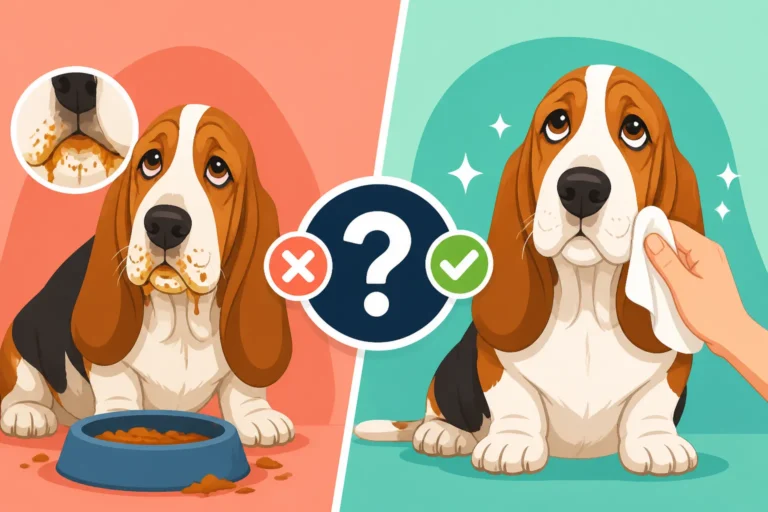
- Ear and Fold Cleaning: As we discussed, those adorable wrinkles and long ears are prime spots for collecting gunk and fostering yeast or bacteria, which can exacerbate any existing allergy issues. Daily wiping of facial folds with a damp cloth or pet-safe wipe (you can often find these readily available on Amazon or Chewy) and regular ear cleaning are essential. Not only does this prevent infections that can make things worse, but it also removes trapped allergens and keeps your Basset smelling fresher, which can be a huge relief for allergy sufferers. How to Clean a Basset Hound's Ears Properly provides a detailed guide on this important task.
Environmental Control Measures
It's not enough to just clean the dog; you have to clean your entire living space with an allergy-sensitive mindset. Think of your home as a low-allergen zone.
- Air Purification: High-efficiency particulate air (HEPA) filters are your best friend. Invest in a good quality air purifier for your main living areas and especially your bedroom. Regularly change the filters in your HVAC system to HEPA-grade ones. These filters capture airborne dander and other allergens, significantly reducing the amount circulating in your home.
- Vacuuming and Cleaning Surfaces: Vacuum daily, or at least every other day, with a vacuum cleaner equipped with a HEPA filter. Hard floors are far easier to keep allergen-free than carpets, so consider removing carpets if your allergies are severe. Wipe down all surfaces, including walls, with a damp cloth regularly to pick up settled dander. Don't forget curtains and blinds, which can be major dust and dander collectors.
- Laundry Protocol: Wash all pet bedding, blankets, and your own bedding frequently in hot water. Consider covering furniture with washable throws that you can toss in the laundry weekly. Even your own clothes can carry allergens, so a good shower and fresh clothes after intense snuggles with your Basset might be part of your routine.
- "Dog-Free" Zones: Designating certain areas of your home as strictly dog-free can provide a sanctuary for allergy sufferers. The most critical is often the bedroom. If you can keep your Basset out of your bedroom, you can significantly reduce your nighttime exposure to allergens, allowing your body a chance to recover. This might mean a cozy dog bed for your Basset in another part of the house, perhaps even an orthopedic one to support their long back, like those available on Chewy.
Dietary Considerations and Supplements
Believe it or not, what you feed your Basset Hound can also play a role in allergy management, primarily by supporting skin and coat health. A healthy coat sheds less and produces less irritated skin, which in turn means less problematic dander.
- High-Quality Diet: Feeding a diet rich in essential fatty acids and high-quality protein can lead to a healthier, shinier coat and less dry, flaky skin. Look for dog foods that list real meat as the first ingredient and contain Omega-3 and Omega-6 fatty acids. Brands like Ollie often focus on fresh, high-quality ingredients that can support overall health.
- Omega-3 Supplements: Adding a fish oil supplement to your Basset's diet can do wonders for their skin and coat. Omega-3 fatty acids help reduce inflammation and promote a healthy skin barrier, potentially leading to less shedding and dander. Always discuss any supplements with your veterinarian before adding them to your dog's routine. Whether a Basset Hound Needs Fish Oil offers more information on this.
- Addressing Food Sensitivities: Basset Hounds can sometimes have sensitive stomachs or develop food allergies, which might manifest as itchy skin, excessive scratching, or dull coats. If your Basset is constantly scratching or has a poor coat, it might be worth investigating if a specific ingredient in their food is the culprit. An irritated, itchy Basset will shed more and produce more dander. Working with your vet on a limited ingredient diet or novel protein diet could help improve their skin health, thereby indirectly helping your allergies. Whether a Basset Hound Has a Sensitive Stomach delves deeper into these issues.
Here's a quick overview of allergy management strategies:
| Strategy | Description | Impact on Allergens | Effort Level |
|---|---|---|---|
| Bathing | Weekly/bi-weekly with gentle shampoo | Washes away dander & saliva directly | High |
| Brushing | Daily with a suitable brush (e.g., rubber curry) | Removes loose hair & dander before it spreads | High |
| Fold/Ear Cleaning | Daily/regular cleaning of wrinkles and ears | Reduces moisture, irritants, and associated odors | Medium |
| Air Purifiers | Running HEPA filters in key rooms | Captures airborne dander, improves air quality | Low-Medium |
| Vacuuming | Daily vacuuming with HEPA filter vacuum | Removes settled dander from floors/carpets | High |
| Laundry | Frequent washing of bedding, throws | Eliminates trapped allergens from fabrics | Medium |
| "Dog-Free" Zones | Designating specific rooms (e.g., bedroom) off-limits to the Basset | Provides allergen-free sanctuary for sufferers | Medium |
| Diet & Supplements | High-quality food, Omega-3s | Promotes healthier skin/coat, reduces dander | Low |
Practical Realities and Lifestyle Adjustments
Having a Basset Hound in an allergy household isn't just about cleaning supplies and grooming tools; it's a significant lifestyle choice that requires ongoing commitment and understanding. It's truly a partnership, both with your dog and with any family members who suffer from allergies.
The Commitment Required for an Allergy Sufferer
Let's be brutally honest: deciding to bring a Basset Hound into an allergy household means signing up for a level of diligence that many pet owners don't have to consider. This isn't just a casual wipe-down once a week. It's a consistent, almost ritualistic approach to cleaning, grooming, and managing your environment. You'll be spending more time, effort, and likely more money on specialized products and services. You might find yourself needing to take allergy medication more regularly, or adapting your personal habits, such as immediately washing your hands after petting your Basset.
The emotional toll can also be real. There's the constant vigilance, the potential for breakthrough symptoms even with all your efforts, and the guilt that can sometimes creep in if you feel your symptoms are affecting your enjoyment of your beloved dog. It's crucial to have open conversations with your family and honestly assess your capacity for this long-term commitment. A Basset Hound typically lives for The Ten to Twelve Years a Basset Hound Lives, and you'll need to maintain this routine for their entire lifespan. Are you prepared for that level of dedication?
Consulting with Professionals
Before making any final decisions, it's wise to bring in the experts. This means both veterinary professionals for your potential Basset and medical professionals for yourself or the allergy sufferer in your household.
- Veterinarian Advice: Your vet can help you understand the specifics of Basset Hound skin and coat care. They can advise on the best shampoos, supplements, and grooming tools. They can also rule out any underlying skin conditions in a potential Basset that might exacerbate dander issues, such as allergies or infections, which can often make a dog smell worse than usual. Whether a Basset Hound Smells can often be tied to skin issues. A vet visit for a new dog is always a good idea, and they can offer guidance on managing general health which impacts coat quality.
- Allergist Consultation: For the human allergy sufferer, consulting an allergist is paramount. They can help you understand the severity of your allergies, identify specific triggers (is it truly dog dander, or something else?), and discuss management strategies for yourself, including medications (antihistamines, nasal sprays), immunotherapy (allergy shots), or other interventions. They can give you a realistic assessment of your personal risk and what level of exposure might be manageable for you.
Considering Alternatives or Compromises
If, after all this consideration, it still feels like an insurmountable challenge, don't despair! There are always alternatives and compromises to explore.
- Trial Period: If possible, consider fostering a Basset Hound through a reputable rescue organization. Many Basset Hound rescues operate with foster homes, and this can be an excellent way to see how your allergies react to living with a Basset in a real-world scenario before making a lifelong commitment. This also gives you a chance to practice all the grooming and cleaning protocols.
- Visiting and Spending Time: Before bringing a Basset home, spend extended periods of time with Basset Hounds. Visit a friend who owns one, or volunteer at a local Basset Hound rescue. This exposure can give you a clearer picture of how your allergies respond to direct contact and prolonged exposure. Some people find their allergies are triggered more by certain individual dogs than by the breed in general.
- Lifestyle Changes: Sometimes, the issue isn't whether a Basset Hound suits an allergy household, but whether the allergy household can adapt to a Basset Hound. This means making peace with constant cleaning, daily grooming, and potentially living with some level of background symptoms. It’s a choice that involves the entire family unit and a deep commitment to the dog's well-being. This requires a different approach than, say, a family with minimal health concerns that might find Whether a Basset Hound Suits an Older Owner easier to manage than a young family, but the allergy aspect is a separate hurdle.
Ultimately, the decision to bring a Basset Hound into an allergy household is a deeply personal one. It's a trade-off between the undeniable joy and companionship these wonderful dogs offer and the diligent, ongoing effort required to manage allergy symptoms. It's possible, yes, but only with a clear-eyed understanding of the challenges and a steadfast commitment to the necessary routines.
Disclaimer
This article is for general informational purposes only and does not constitute professional advice. Laws, prices and regulations vary by location and change over time. Consult a qualified professional for guidance on your specific situation.