The Meal Schedule a Basset Hound Puppy Needs
Bringing home a Basset Hound puppy is such an exciting time, but let's be real, it also comes with a whole new set of worries, especially around feeding. You’re suddenly responsible for this adorable, hungry little creature, and it's natural to feel overwhelmed wondering if you're feeding them enough, not too much, and at the right times to support their unique growth. This guide is here to cut through the confusion and give you a clear, empathetic roadmap to setting up the perfect meal schedule for your Basset Hound puppy, ensuring they grow up healthy and happy.
Why a Structured Meal Schedule Matters for Basset Hound Puppies
It’s tempting, especially with those pleading Basset eyes, to just free-feed your puppy or offer food whenever they seem hungry. But for a Basset Hound, a breed with very specific physical characteristics and a notorious love for food, a structured meal schedule isn't just a suggestion—it's absolutely crucial for their long-term health and well-being. This isn't about being strict for the sake of it; it's about setting them up for success.
Avoiding Growth Issues
Basset Hounds are distinctive for their short, stout legs and long, heavy bodies. This unique skeletal structure, a result of their chondrodysplastic dwarfism, means their bones and joints are under particular stress, even from a young age. Growing too fast or carrying extra weight as a puppy can exacerbate potential issues like Elbow Dysplasia in a Basset Hound or contribute to problems with their signature The Crooked Front a Basset Hound Is Built On. Imagine the delicate process of their bones fusing and strengthening; any undue stress from rapid, uncontrolled growth can have lasting negative impacts. A controlled feeding schedule ensures they receive the right amount of nutrients for steady, healthy development, rather than sudden growth spurts that can put their forming joints at risk. It’s about building a strong foundation, literally, for their long lives.
Managing Hunger and Preventing Obesity
If there’s one thing a Basset Hound is famous for, besides those incredible ears and soulful eyes, it’s their unwavering enthusiasm for food. They often act as if they are constantly starving, masters of the "poor me, I'm wasting away" gaze. This boundless appetite can make it incredibly difficult for owners to gauge if their puppy is truly hungry or just being a Basset. Left to their own devices with a bowl of food, many Basset Hounds would eat until they burst, leading to rapid weight gain. Obesity in Basset Hounds isn't just about aesthetics; it's a serious health concern that can dramatically shorten their lifespan and contribute to a host of other issues, including joint problems and back trouble. What Extra Weight Does to a Basset Hound is a significant problem for the breed. A consistent meal schedule helps you control portions, teaching your puppy that food comes at specific times, which can help manage their constant begging and prevent them from becoming overweight. It creates a predictable routine that, while they might test it, ultimately benefits their waistline and overall health.
Establishing Routine for Potty Training
Beyond health and weight, a predictable feeding schedule is an absolute game-changer for potty training. What goes in must come out, right? By feeding your Basset Hound puppy at regular intervals, you can pretty accurately predict when they’ll need to relieve themselves. This allows you to take them outside proactively, increasing your chances of success and minimizing accidents indoors. For instance, if you know they typically need to go about 15-30 minutes after eating, you can set a timer and be ready. This consistency is key for a young puppy who is still learning bladder and bowel control. A solid routine helps them understand what’s expected and when, making the house-training process much smoother for both of you. It’s one less variable to worry about when you're trying to figure out How Long a Basset Hound Puppy Takes to House Train.
The Ideal Meal Schedule by Age
Establishing the right meal schedule is paramount for your Basset Hound puppy's health and development. As they grow, their nutritional needs and capacity to hold food change, so their schedule needs to adapt accordingly. This isn't a rigid, one-size-fits-all rule, but a general guideline to help you navigate their first year.
From Weaning to 3 Months Old
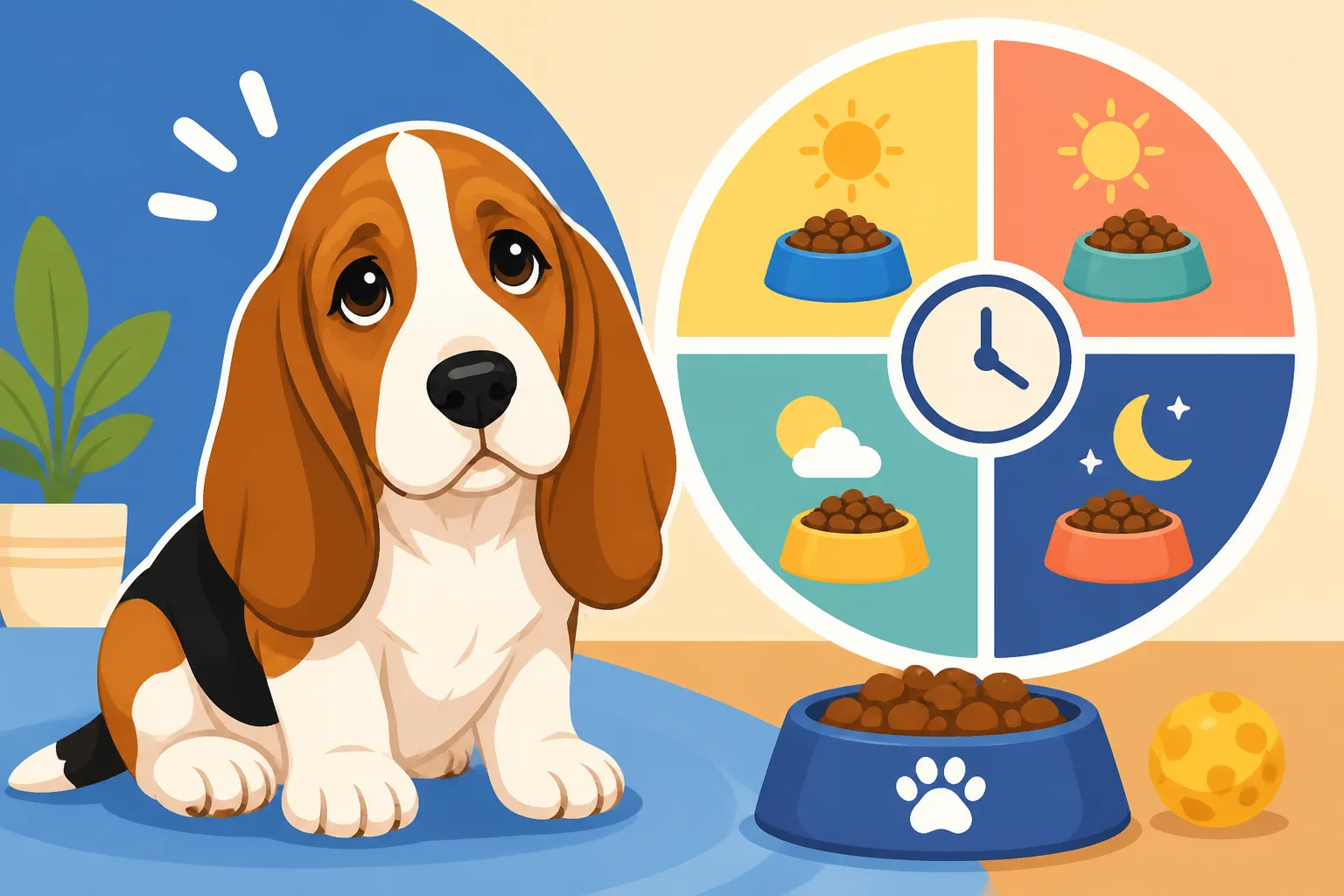
When you first bring your Basset Hound puppy home, likely around 8-10 weeks old, they're still very much babies with tiny stomachs and high energy demands. At this stage, frequent small meals are essential. I typically recommend feeding a Basset puppy four times a day. Think breakfast, lunch, dinner, and a small snack before bed (not too close to bedtime, to avoid nighttime potty breaks).
For example, if you wake up at 7 AM, a possible schedule could be:
- 7:00 AM: First meal
- 11:00 AM: Second meal
- 3:00 PM: Third meal
- 7:00 PM: Fourth meal
These meals should be precisely measured according to the puppy food’s guidelines for their age and anticipated adult weight. Don't eyeball it! This frequency helps keep their blood sugar stable and provides a steady stream of energy for all their growing and exploring. It also prevents them from getting excessively hungry between meals, which can sometimes lead to gobbling food too quickly.
3 to 6 Months Old
As your Basset puppy grows and their digestive system matures, you can start to gradually reduce the feeding frequency. Most puppies in this age range thrive on three meals a day. This transition should be slow and observed carefully. For instance, you might eliminate the midday "lunch" meal first, distributing that portion across the remaining three meals.
A revised schedule might look like:
- 7:00 AM: Breakfast
- 1:00 PM – 2:00 PM: Midday meal (this would be the meal to consider phasing out first as you move to two meals)
- 7:00 PM: Dinner
During this period, their growth rate might still be quite fast, but their stomachs can handle larger quantities of food at once. Continue to follow the feeding guidelines on your chosen high-quality puppy food, adjusting amounts based on your puppy's activity level and body condition. Always prioritize steady growth over rapid weight gain. Remember, those little Basset joints are still developing.
6 to 12 Months Old
By the time your Basset Hound puppy reaches six months, they are well on their way to becoming a sturdy adolescent. Many owners find that two meals a day work perfectly at this stage, mimicking an adult feeding schedule. If you were previously feeding three times a day, you would consolidate the midday meal portion into their breakfast and dinner.
A typical two-meal schedule could be:
- 7:00 AM: Breakfast
- 6:00 PM – 7:00 PM: Dinner
This schedule allows for larger, more substantial meals, which is usually fine for their more developed digestive systems. It also gives you longer stretches without needing to worry about feeding, which can be a relief for busy households. Keep a close eye on their body condition; if they start to look too thin or too chunky, adjust their total daily intake slightly. This is also a good age to start thinking about whether they need Whether a Basset Hound Needs Large Breed Puppy Food specifically formulated for slower growth in larger breeds.
Beyond 12 Months
Around their first birthday, most Basset Hounds are considered to be transitioning into adulthood, though some may continue to grow and fill out for a few more months. This is typically the time to switch from puppy food to a high-quality adult dog food, maintaining that twice-daily feeding schedule. The switch should be gradual, over 7-10 days, mixing increasing amounts of adult food with decreasing amounts of puppy food to avoid digestive upset.
For insights into how much they'll need as a full-grown Basset, you might find How Much an Adult Basset Hound Eats Daily helpful. The adult feeding schedule will likely remain two meals a day for the rest of their lives. It is critical to continuously monitor their weight and adjust portions as needed. Remember, an adult Basset Hound often acts like a puppy when it comes to food, so maintaining that firm feeding schedule is still key to preventing them from becoming overweight. This is also when you'll definitely want to understand When a Basset Hound Moves to Adult Food.
Portion Control and What to Feed
Getting the timing right is only half the battle; knowing how much to feed and what to feed your Basset Hound puppy is equally, if not more, important. These hounds have a propensity for packing on pounds, and their unique structure demands careful attention to nutrition to support healthy growth.
Understanding Puppy Food Requirements
For a Basset Hound puppy, selecting the right food is crucial. Given their predisposition to bone and joint issues and their rapid growth phase, many veterinarians and breeders recommend a high-quality large breed puppy food. Why large breed, you ask? Basset Hounds, despite their short stature, are a heavy-boned, substantial breed. Large breed puppy formulas are specifically designed with a slightly lower calorie density and controlled calcium-to-phosphorus ratios to promote slower, more consistent bone development. This helps prevent rapid growth that can exacerbate skeletal problems. Look for reputable brands that prioritize real meat as the first ingredient and avoid excessive fillers.
When reading the bag, you’ll notice feeding guides based on your puppy’s current weight and age. This is your starting point, but it's not set in stone. Every puppy is an individual, with varying metabolism and activity levels. If you're pondering whether your Basset Hound truly falls into this category, understanding Whether a Basset Hound Needs Large Breed Puppy Food can provide more clarity. Always consult with your veterinarian to determine the best specific food choice for your unique puppy, especially if they have any sensitivities or specific health concerns.
The Role of Treats
Treats are an invaluable tool for training, bonding, and enrichment, especially with a breed as food-motivated as a Basset Hound. However, they also add calories to your puppy’s daily intake and can easily derail a carefully planned meal schedule. The general rule of thumb is that treats should make up no more than 10% of your puppy’s total daily caloric intake.
When using treats, choose small, low-calorie options. Break larger treats into pea-sized pieces to maximize their utility during training sessions without overfeeding. You can even use a portion of their daily kibble ration as treats throughout the day. This way, they're still getting their allocated nutrition, just in a different format. Be mindful of sneaky treats given by other family members; consistency across the household is key to managing your Basset’s weight. For variety or if you're looking for subscription options, brands like Ollie offer fresh food services that can be portioned precisely, and their treats are usually quite wholesome.
When to Adjust Portions
The feeding guide on the back of the food bag is a starting point, but your puppy is unique. You need to be a diligent observer to know when to tweak those portions. The best way to assess if your Basset Hound puppy is at a healthy weight is by regularly checking their body condition. You should be able to feel their ribs easily when you gently run your hands along their sides, but not see them protruding. They should have a discernible waist when viewed from above, and their belly should tuck up slightly when viewed from the side, not hang low.
If your puppy seems to be gaining weight too quickly, or if those ribs are becoming harder to feel, it’s time to slightly reduce their daily food intake. Conversely, if they look a bit too lean, you might need to increase it. Incremental adjustments, like adding or subtracting a quarter-cup of food per day, are best. Consistency is key, so make a small change and observe for a week or two before deciding if further adjustments are needed. Understanding how to check for this is crucial, and you can learn more about it in Feeling for a Basset Hound's Ribs Under Loose Skin. Regular weigh-ins at home or at the vet can also help you track their growth trajectory and ensure they're on target.
For specialized food or specific nutritional needs, you'll find a wide array of options on platforms like Chewy or Amazon, making it convenient to source the right diet for your growing Basset.
Common Feeding Challenges and Solutions
Even with the best intentions and a perfectly crafted schedule, feeding a Basset Hound puppy can come with its own unique set of quirks and challenges. Their strong personalities and even stronger noses mean you’ll likely encounter some common hurdles.
The Bolting Basset Hound
Ah, the "Hoover" dog. Many Basset Hounds, from puppyhood onwards, treat mealtime as a race against an invisible clock, gobbling down their food at warp speed. This isn't just bad manners; it can lead to choking, indigestion, and in more serious cases, increase the risk of bloat (gastric dilatation-volvulus), a life-threatening condition for deep-chested breeds. If you’re seeing this behavior, it's worth exploring Whether a Basset Hound Bolts Its Food.
The primary solution here is a slow feeder bowl. These bowls have ridges, mazes, or pillars that force your puppy to eat around them, significantly slowing down their intake. You can find a vast selection of these on Amazon or Chewy. Another option is to spread their kibble out on a large baking sheet or muffin tin, making them work to pick up each piece. Puzzle feeders or snuffle mats, which encourage foraging, can also turn mealtime into a mental exercise rather than a frantic gulping session. Dividing their meal into two separate bowls placed a short distance apart can also help, as they have to move between them.
Picky Eaters (Rare, but it happens!)
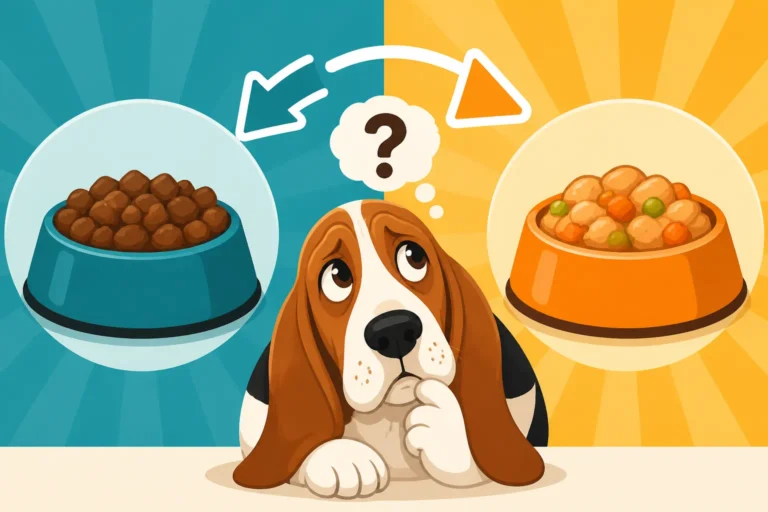
While a picky Basset Hound is a rare creature, they do exist! Most Basset Hounds would happily eat anything not nailed down, but if your puppy is consistently turning their nose up at their food, it can be worrying. First, rule out any underlying health issues with a vet visit. Once health is cleared, avoid falling into the trap of constantly changing foods or adding enticing toppers. This can inadvertently train your Basset to hold out for something better.
Instead, put the food down for 15-20 minutes. If they don't eat, pick it up and offer it again at the next scheduled mealtime. Don’t offer any treats or extra food in between. It sounds harsh, but a healthy puppy won't starve themselves, and this teaches them that they need to eat when the food is available. Sometimes, slightly warming wet food or adding a tiny bit of low-sodium chicken broth can make it more appealing without resorting to unhealthy additions.
Resource Guarding
Resource guarding is when a dog becomes possessive over high-value items, including food, and may growl, snap, or bite if someone approaches. While less common in well-socialized Basset puppies, their strong food drive can sometimes lead to this behavior. A structured feeding schedule, where food is always provided reliably by you, the owner, can help reduce anxiety around food scarcity.
To prevent or manage resource guarding, teach your puppy that humans approaching their bowl means good things happen. While they are eating, walk by and gently drop a higher-value treat near their bowl. This teaches them that your presence is positive, not threatening. Never punish them for guarding, as this can escalate the behavior. Instead, trade them for something better or simply give them space. If the behavior is severe, consult a professional dog trainer or veterinary behaviorist for guidance. For enrichment toys that can help, consider brands found on Chewy that are designed for mental stimulation and slow feeding.
Managing Begging
Those expressive Basset eyes, the mournful sighs, the subtle paw taps – Basset Hounds are masters of the begging game. If you give in, even once, you’ve taught them that begging works, and they will employ their tactics tirelessly. This is where consistency is paramount, especially when you understand Whether a Basset Hound Begs Constantly.
The best approach is to simply ignore it. Do not make eye contact, do not speak to them, do not push them away. Act as if they are invisible. Only acknowledge them when they are calm and quiet, perhaps lying down away from the table or kitchen counter. Teach them a "place" command, sending them to their bed or mat during your mealtimes. You can also offer a puzzle toy or a long-lasting chew in their designated spot to keep them occupied and reward them for settling away from you. Remember, what feels like cruelty in the moment is actually building a well-mannered, healthier dog in the long run.
Here's a quick summary of typical feeding frequencies by age:
| Age Range | Recommended Meals Per Day | Example Schedule (Adjust to Your Day) | Key Considerations |
|---|---|---|---|
| Weaning to 3 Months | 4 | 7 AM, 11 AM, 3 PM, 7 PM | Small stomach, high energy. Focus on steady growth. |
| 3 to 6 Months | 3 | 7 AM, 1 PM, 7 PM | Growing rapidly, can handle slightly larger meals. |
| 6 to 12 Months | 2 | 7 AM, 6 PM | Approaching adult size, consolidating meals. |
| 12 Months and Older | 2 | 7 AM, 6 PM | Adult food, maintain portion control to prevent obesity. |
Disclaimer
This article is for general informational purposes only and does not constitute professional advice. Laws, prices and regulations vary by location and change over time. Consult a qualified professional for guidance on your specific situation.