Which Treats Suit a Basset Hound on a Diet
It’s a tale as old as time for Basset Hound owners: you’re trying your absolute best to manage your beloved hound’s weight, perhaps under vet’s orders, but those soulful eyes and that legendary pleading bay make it almost impossible to resist giving them a treat. The struggle is real when you want to reward your dog, but every calorie feels like a step backward. This guide is here to help you navigate the tricky waters of treating a Basset Hound on a diet, focusing on smart, healthy choices that satisfy their cravings without sabotaging their waistline.
Understanding Why Diet Treats are Crucial for Basset Hounds
Let’s be honest, our Basset Hounds are built for comfort and sniffing, not for marathons. Their unique physique and innate love for food mean they are exceptionally prone to packing on the pounds. It’s not just a matter of aesthetics; extra weight can seriously impact their quality of life and longevity. Understanding this inherent predisposition is the first step toward making smarter treat choices.
The Basset Hound's Predisposition to Weight Gain
Basset Hounds have a distinct body shape: heavy bone, a long back, short legs, and a fairly sedate natural pace, especially as they get older. This combination makes them particularly susceptible to weight gain. Their metabolism isn't exactly built for burning off excess calories with ease. Couple that with their incredible noses, which make them masters of scavenging, and those sad, droopy eyes that could win an Olympic gold medal in begging, and you've got a recipe for a chunky hound. They often feel like bottomless pits, always ready for another morsel, another fallen crumb, another treat. It's truly hard to resist, especially when they lay their head on your lap and let out a gentle sigh that seems to say, "I'm starving, please." But giving in too often, even with the best intentions, can quickly lead to an expanding girth that puts their health at risk. You might wonder, How Much a Basset Hound Should Weigh, and it's always a bit less than you'd think!
Many owners find themselves in a constant battle with the scales, trying to figure out if their Basset is just built solid or truly overweight. This is where understanding their breed-specific tendencies comes in handy. Their low-slung bodies can hide a surprising amount of extra padding, making it tricky to assess their condition just by looking. It's crucial to regularly feel for their ribs and spine – if you can't easily feel them without pressing, it's a strong indicator that they’re carrying too much. Their charmingly relaxed demeanor means they're often not demanding high-intensity exercise, further contributing to a calorie surplus if their food intake isn't strictly managed. This combination of factors makes every single calorie, even from treats, count a great deal when they’re trying to lose or maintain weight.
The Health Risks of Extra Weight for Our Basset Buddies
For a Basset Hound, carrying extra weight isn't just about looking a little rounder; it's a direct threat to their unique skeletal structure and overall health. Their long spines and short, sturdy legs are already prone to issues, and obesity only magnifies these risks. Conditions like intervertebral disc disease (IVDD), which can cause immense pain and even paralysis, are much more likely and severe in overweight Bassets. The added strain on their joints, especially their elbows and hips, can accelerate the onset and progression of arthritis, making movement painful and reducing their mobility. This means fewer happy waddles in the park and more struggles to get up from their favorite napping spot. It's a heartbreaking reality to see your playful hound become stiff and uncomfortable, and often, their weight is a significant contributor. What Extra Weight Does to a Basset Hound is truly profound.
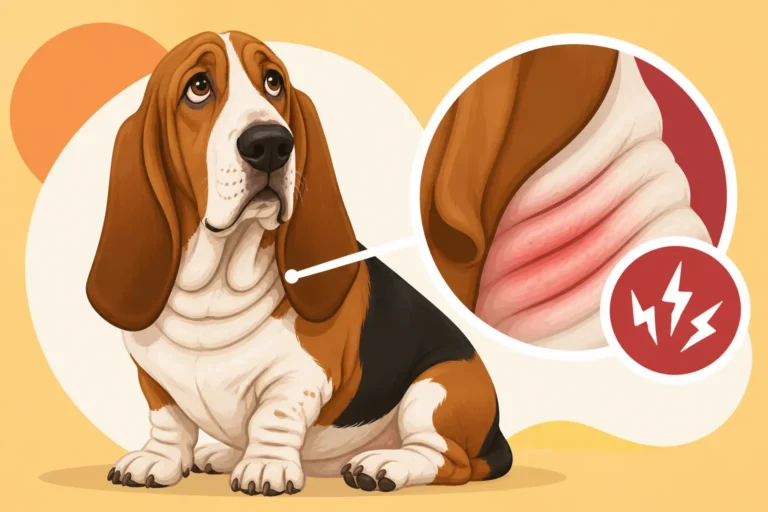
Beyond musculoskeletal problems, obesity in Basset Hounds can lead to a host of other serious health concerns. It can exacerbate breathing difficulties, especially in warm weather, as their short snouts already make them somewhat less efficient at cooling themselves. Heart disease, diabetes, and certain types of cancer are also more prevalent in overweight dogs. Their skin folds, which are lovely when clean and healthy, can become hotbeds for infections when extra fat pads them out even further, making regular cleaning a challenge. Frankly, Whether an Overweight Basset Hound Lives Shorter is a very real concern for vets and owners alike. Managing their weight, therefore, isn't about vanity; it's about protecting their comfort, extending their lifespan, and ensuring they can enjoy as many years as possible with you, free from preventable pain and illness. This is why carefully selecting appropriate treats is not just a nice idea, but a vital part of responsible Basset Hound ownership, especially for those on a diet.
Low-Calorie & Healthy Treat Options for Your Dieter
When your Basset Hound is on a diet, every treat needs to pull its weight in terms of nutrition and low-calorie impact. Thankfully, there are plenty of delicious and satisfying options that won't undo all your hard work. The key is to think outside the traditional biscuit box and embrace a wider variety of wholesome snacks.
Fresh Fruits and Vegetables as Wholesome Rewards
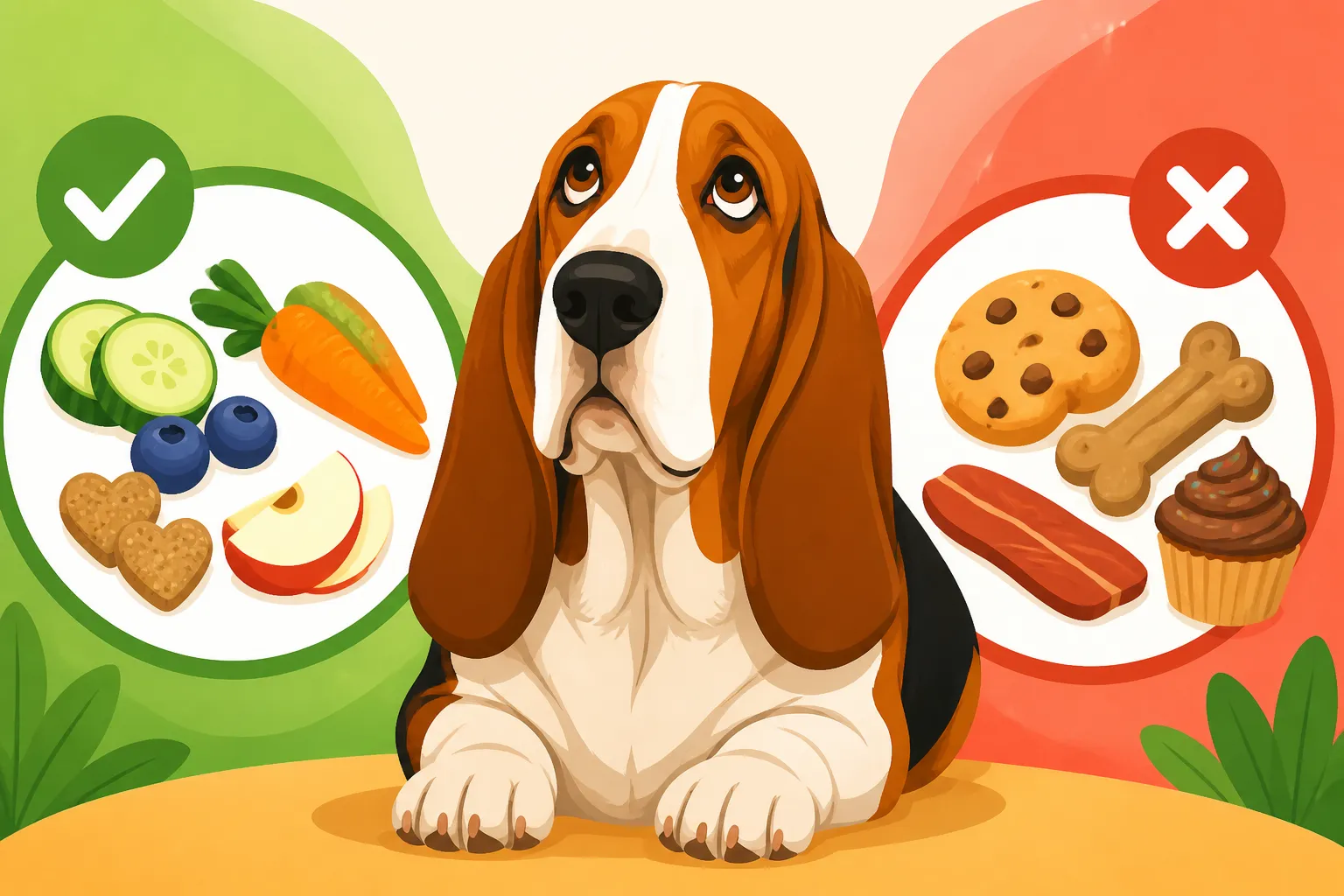
Nature provides us with some fantastic low-calorie, nutrient-rich options that many Basset Hounds absolutely adore. Fresh fruits and vegetables can be fantastic treats, offering vitamins, fiber, and hydration without a ton of calories. Think of crisp carrot sticks, crunchy green beans, or sweet apple slices (without the core and seeds, of course). My own Basset, Barnaby, goes absolutely wild for frozen green beans, especially on a warm day. They're like little healthy popsicles! Blueberries and small pieces of banana can also be offered in strict moderation. These are not only low in calories but also provide valuable antioxidants and other beneficial compounds. Remember to always introduce new foods slowly and in small amounts to avoid upset stomachs. And always check if a fruit or vegetable is safe for dogs before offering it.
The beauty of using fruits and vegetables is that they can often be cut into small pieces, making them last longer and providing more "treat moments" for the same caloric intake. A single carrot, for instance, can be chopped into dozens of tiny reward pieces for training sessions. You can find these fresh goodies at your local grocery store, of course, but if you're looking for bulk quantities of specific frozen vegetables like green beans, checking Amazon can sometimes yield surprising value and convenience for those who go through a lot. Just make sure they are plain, unsalted, and unseasoned. Avoid anything canned with added sodium or sugary syrups. These natural, unprocessed options are much better for their digestive system and overall health than many processed dog treats, giving them that satisfying crunch or chew without the caloric guilt.
Commercial Low-Calorie Dog Treats
Sometimes, you just need the convenience of a commercial treat, especially when you're out and about or need something shelf-stable. The good news is that the market has responded to the growing need for healthier pet options. When browsing the aisles or shopping online, look specifically for treats labeled "low-calorie," "light," or "weight management." These are formulated to contain fewer calories per treat, often by using ingredients like fiber to create a feeling of fullness. It's imperative to scrutinize the ingredient list and the nutritional information. A good low-calorie treat will typically have whole, identifiable ingredients at the top of the list, rather than fillers, artificial colors, or excessive sugar. A single treat should ideally be under 5 calories for a dieting Basset Hound.
Many reputable pet food companies now offer lines specifically designed for weight control. Brands like Hill's Science Diet, Royal Canin, and Purina Pro Plan often have weight-management treat options that align with their diet foods, which can be helpful if your Basset is already on a prescription diet. You can easily find a vast selection of these on platforms like Chewy, where you can filter by calorie count, brand, and even dietary restrictions. Always double-check the serving size recommendations, as even a low-calorie treat can add up if you give too many. For instance, if a treat is 4 calories, and you give ten, that's 40 calories – a significant chunk for a dog on a restricted intake. Make sure you subtract these calories from their daily food allowance to keep them on track with their weight loss journey. This diligence will make a big difference in Getting Weight Off a Basset Hound.
Creative Ways to Treat Without Adding Pounds
Treating your Basset Hound doesn't always have to involve edible rewards. Sometimes, the best "treat" is an engaging activity or a clever way to make a tiny amount of food last much longer. This approach focuses on mental stimulation and extending the joy of treating, rather than simply adding calories.
Mental Stimulation Through Treat-Dispensing Toys
For a Basset Hound on a diet, treat-dispensing toys are absolute game-changers. These aren't just toys; they're ingenious tools that turn mealtime or treat time into a prolonged, engaging mental exercise. Instead of gobbling down a treat in two seconds flat, your Basset has to sniff, nudge, roll, and problem-solve to get even a small piece of kibble or a tiny low-calorie treat. This not only slows down consumption but also provides valuable mental enrichment, which can be just as satisfying as eating, especially for a scent-driven breed like ours. It taps into their natural instincts to forage and work for food, burning mental energy and helping to keep boredom at bay. My Basset, Humphrey, used to get quite vocal if he thought he wasn't getting enough food, but a puzzle toy filled with his dinner kibble would keep him happily occupied for ages.
You can fill these toys with a portion of their daily kibble allowance, or with small pieces of their approved low-calorie treats like carrot or green bean bits. Popular options include KONG toys, which can be stuffed with a tiny smear of peanut butter (check calories!) or pureed pumpkin and then frozen, making it a long-lasting project. Puzzle feeders, snuffle mats, and various treat-dispensing balls are also excellent choices. You can explore a wide variety of these on Chewy or Amazon, often finding options specifically designed for different difficulty levels. Just remember to choose toys that are appropriately sized and durable for a Basset Hound's strong jaws. By making them "work" for their treats, you're transforming a quick snack into a rewarding activity that supports their diet and overall well-being. This can be especially helpful to manage a Basset Hound that Whether a Basset Hound Begs Constantly.
Homemade & DIY Low-Calorie Basset Bites
Getting creative in your own kitchen can open up a world of low-calorie treat possibilities for your dieting Basset Hound. The huge advantage here is that you have complete control over the ingredients, ensuring no hidden sugars, excessive fats, or unnecessary fillers. It’s also often more cost-effective in the long run. Simple ideas can be incredibly effective and satisfying for your hound. Consider freezing plain, low-sodium chicken or beef broth in ice cube trays for a refreshing, flavorful treat that’s mostly water. Or, for a delicious and fiber-rich snack, pureed pumpkin (not pie filling!) can be frozen in small dollops on parchment paper. These frozen delights last a while and provide satisfying chewing without many calories.
You can also bake your own simple dog biscuits using whole wheat flour, unsweetened applesauce, and a touch of cinnamon. Just be mindful of portion sizes, even with healthy homemade treats. For inspiration, think about the emphasis on fresh, whole ingredients used by brands like Ollie for their fresh dog food meals. While you might not be preparing full meals for your Basset from scratch, their approach highlights the benefit of knowing exactly what goes into your dog's body. By making these homemade treats, you’re not only providing healthy options but also reinforcing your bond with your Basset Hound through the effort you put into their care. Just be sure to store any homemade treats properly to maintain freshness and prevent spoilage.
Important Considerations When Choosing Diet Treats
Successfully managing your Basset Hound's weight with treats requires more than just picking the right options; it demands a mindful approach to what goes into their bowl and mouth, and consistent communication with your veterinary team. These considerations are fundamental to long-term success.
Reading Labels and Understanding Ingredients
In the world of commercial dog treats, not all "diet" or "low-calorie" claims are created equal. It's absolutely vital to become a savvy label reader. Don't just glance at the front of the package; turn it over and dive into the ingredient list and the guaranteed analysis. Look for treats with whole, recognizable ingredients at the top of the list, such as real meat, vegetables, or fruits. Be wary of treats where the first few ingredients are ambiguous by-products, corn, wheat, or soy fillers, which can offer little nutritional value and often contribute to weight gain without providing satiety. Sugars, artificial sweeteners, and excessive fats should also be avoided, as these can easily add unnecessary calories and may even be detrimental to your Basset's health. Some treats, even those marketed as healthy, can contain surprising amounts of hidden sugars or fats to improve palatability.
Always pay close attention to the calorie count per treat, usually listed in kilocalories (kcal) per treat. This number is your most important tool when your Basset is on a diet. A treat might seem small, but if it packs 20-30 calories, just a few could quickly derail their daily caloric allowance. Compare different brands and opt for those with the lowest calorie density. Understanding these labels empowers you to make truly informed decisions, ensuring that every treat you offer is a positive contribution to their weight management plan, rather than a hidden obstacle. This diligent approach helps with Keeping a Basset Hound at Its Correct Weight.
Moderation and Vet Consultation
Even with the healthiest, lowest-calorie treats, moderation is paramount when your Basset Hound is on a diet. Every single calorie counts, and even small amounts from treats can add up quickly throughout the day. A good rule of thumb is that treats, including healthy fruits and vegetables, should make up no more than 10% of your Basset's total daily caloric intake. If they are on a very strict diet, this percentage might need to be even lower, or treats might need to be reserved for special training moments. It’s a common pitfall for owners to be diligent with meal portions but then overcompensate with treats, effectively negating their efforts. Keep a mental or even written tally of all treats given throughout the day to ensure you're staying within their allowance.
Most importantly, always consult with your veterinarian before making significant changes to your Basset Hound's diet, including the type and amount of treats you're offering. Your vet can provide a precise caloric target for your Basset based on their current weight, ideal weight, activity level, and any underlying health conditions. They can also recommend specific prescription weight-loss foods and suitable treats that complement their overall dietary plan. A veterinarian can help you understand Whether a Basset Hound Is Fat or Just Built That Way and create a customized strategy. Regular check-ups and weigh-ins with your vet are essential to monitor progress and adjust the diet and treat regimen as needed. Their guidance is invaluable in ensuring your Basset Hound loses weight safely and effectively, improving their health and overall well-being.
Comparing Treat Options for a Dieting Basset Hound
| Treat Type | Pros | Cons | Calorie Impact (Relative) | Ideal Use |
|---|---|---|---|---|
| Fresh Veggies (e.g., Carrots, Green Beans) | High fiber, nutrient-dense, very low calorie | Some Bassets may be picky; watch for gas | Very Low | Daily rewards, training, enrichment |
| Fresh Fruits (e.g., Apple slices, Blueberries) | Vitamins, antioxidants, natural sweetness | Higher sugar than veggies; strict moderation | Low to Moderate | Small, occasional rewards, especially frozen |
| Commercial Low-Calorie Treats | Convenient, specifically formulated for diet | Need careful label reading; still add up | Low | Quick rewards, when on the go, specific dietary needs |
| Frozen Broth Cubes / Pureed Pumpkin | Hydrating, flavorful, long-lasting enjoyment | Can be messy; ensure plain/unsalted broth | Very Low | Mental enrichment, cooling treat, prolonged chewing |
| Small Pieces of Daily Kibble | No extra calories, perfectly balanced | May not feel like a "special" treat | None (part of daily diet) | Training, treat-dispensing toys, meal extension |
| High-Fat Training Treats | High palatability, good for high-value rewards | Very high calorie, easily derail diet progress | High | Strictly avoid for dieting Bassets |
| Biscuits/Crunchy Treats (Standard) | Widely available, often inexpensive | High in calories, carbs, and fillers | Moderate to High | Avoid or offer in extremely limited, calculated amounts |
Disclaimer
This article is for general informational purposes only and does not constitute professional advice. Laws, prices and regulations vary by location and change over time. Consult a qualified professional for guidance on your specific situation.