Whether Treats Should Come Out of a Basset Hound’s Ration
It's a common scenario in many Basset Hound homes: you're enjoying a snack, and those big, soulful eyes are fixed on you, a low groan escaping every now and then. It's almost impossible to resist sharing a little something with our beloved companions. But the big question that often gnaws at us is whether those seemingly innocent treats should actually count towards their daily food intake, or if they're just a harmless extra. This guide will walk you through the nuances of Basset Hound nutrition, helping you understand how to manage treats so they contribute to health, not hinder it.
The Treat Dilemma: More Than Just a Little Something Extra
For many Basset Hound owners, the treat question isn't just about nutrition; it's about love, bonding, and those adorable, persuasive faces. It feels good to spoil them, right? But what might seem like a small gesture can actually have a significant impact on their overall health, especially for a breed prone to weight gain like the Basset Hound.
Why Treats Are So Hard to Resist
Let's be honest, who among us hasn't fallen victim to the Basset Hound's expert-level begging? They've practically perfected the art of looking utterly deprived, even moments after a full meal. That deep, mournful gaze, the slow lean into your leg, the subtle paw tap – it's a carefully honed routine designed to melt even the strongest resolve. We see it as a way to show affection, to make them happy, or even just to get a moment's peace from the incessant nudging. Plus, treats are fantastic motivators for training, a quick way to distract from something scary, or a simple "I love you" gesture after a long day. It’s hard to deny them that little bit of joy, and it often feels like such a small thing in the grand scheme of their diet.
However, this constant giving, no matter how well-intentioned, can quickly snowball into a problem. We often tell ourselves, "it's just a tiny piece," but those tiny pieces, given multiple times a day by various family members, add up much faster than we realize. The sheer delight they show when that treat appears makes us feel good, reinforcing the habit, even when we know deep down it might not be the best thing for their waistline.
The Hidden Calories in Those "Small" Bites
The biggest issue with treating our Basset Hounds isn't necessarily the treat itself, but the caloric density and frequency. Think about it: a single dog biscuit can have as many calories as a slice of bread for a human, relative to body size. A small piece of cheese or a bit of leftover chicken might seem insignificant to us, but for a dog, especially a Basset Hound who isn't usually running marathons, those calories accumulate rapidly. This is particularly critical because Basset Hounds aren't known for their boundless energy. They're more inclined to nap than to jog, which means their caloric needs are often lower than more active breeds.
Many commercial treats, while delicious to our hounds, are packed with calories, sugars, and fats. Even healthy-sounding ones can be calorie bombs if given in excess. A handful of training treats can easily equate to a significant portion of their main meal. This is where the "hidden" part comes in – we don't often factor these into their daily intake, assuming they're just extras. If your Basset Hound is starting to look a little less svelte, with fewer visible ribs and a more pronounced 'barrel' shape, those treats are almost certainly playing a role. It’s a common pitfall, and one that contributes significantly to the struggle many owners face with Keeping a Basset Hound at Its Correct Weight.
Understanding Your Basset Hound's Daily Caloric Needs
Before you can make informed decisions about treats, you really need to get a handle on your Basset Hound's overall nutritional requirements. It’s not a one-size-fits-all situation, and what works for one Basset might be too much or too little for another. This foundational understanding is key to ensuring those treats aren't tipping the scales, literally.
Calculating the Baseline: It's Not a Guessing Game
Determining your Basset Hound's ideal daily caloric intake is a science, not an art. While the back of the dog food bag gives a guideline, it’s a very general one and often overestimates the needs of less active breeds. Your veterinarian is truly your best resource here. They can assess your Basset Hound's current weight, body condition score, and ideal weight, then help you calculate a precise caloric target. This baseline includes all calories consumed in a day – not just their kibble. It's about finding that sweet spot where they maintain a healthy weight without feeling deprived.
Remember, Basset Hounds are deceptively heavy. While they might not look "fat" in the traditional sense due to their loose skin and unique build, Feeling for a Basset Hound's Ribs Under Loose Skin is crucial. If you can't easily feel their ribs without pressing hard, they're likely carrying too much weight. Their broad frame can hide extra pounds, making it easy to misjudge their condition. Getting an accurate assessment from your vet and sticking to a measured daily calorie count will set you up for success. This precise calculation allows you to allocate a certain percentage of those calories to treats, ensuring they remain part of a balanced diet rather than an unchecked addition.
The Role of Activity Level and Age
A Basset Hound's activity level and age are massive factors in how many calories they need. A spry, younger Basset Hound who still enjoys a good sniff-a-thon in the park and maybe even some scent work (yes, some Bassets do enjoy a bit of activity beyond napping!) will naturally burn more calories than an older, more sedentary companion. The Old Basset Hound That Cannot Get Off the Floor will have significantly lower energy requirements, and their metabolism often slows down with age.
Puppies, on the other hand, are growing rapidly and tend to be more active, so their caloric needs per pound of body weight are higher. However, even with puppies, it's vital to ensure controlled growth to protect their developing joints. Once they hit middle age, typically around seven years old, their metabolism can start to slow, making weight management even more critical. It's a cruel truth that Why a Heavy Basset Hound Breaks Down Faster is directly linked to excess weight straining their unique skeletal structure. Understanding these life stages and adjusting food and treat portions accordingly is a fundamental part of responsible Basset Hound ownership. Your vet can provide specific guidance for each phase of their life, ensuring they get the right fuel without overdoing it.
Strategies for Incorporating Treats Responsibly
So, if we can't just cut out treats entirely (because who could resist those eyes forever?), how do we manage them responsibly? It really boils down to mindful choices and incorporating them into the overall dietary plan, rather than treating them as separate, consequence-free additions.
The "Treats as Part of the Meal" Approach
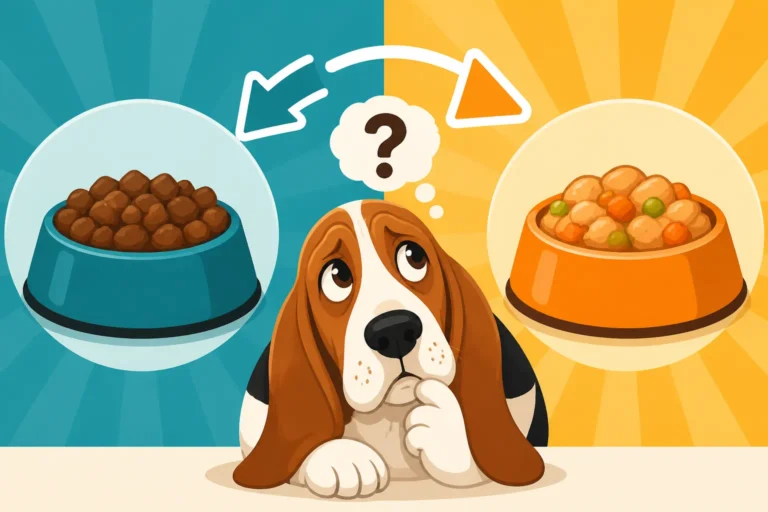
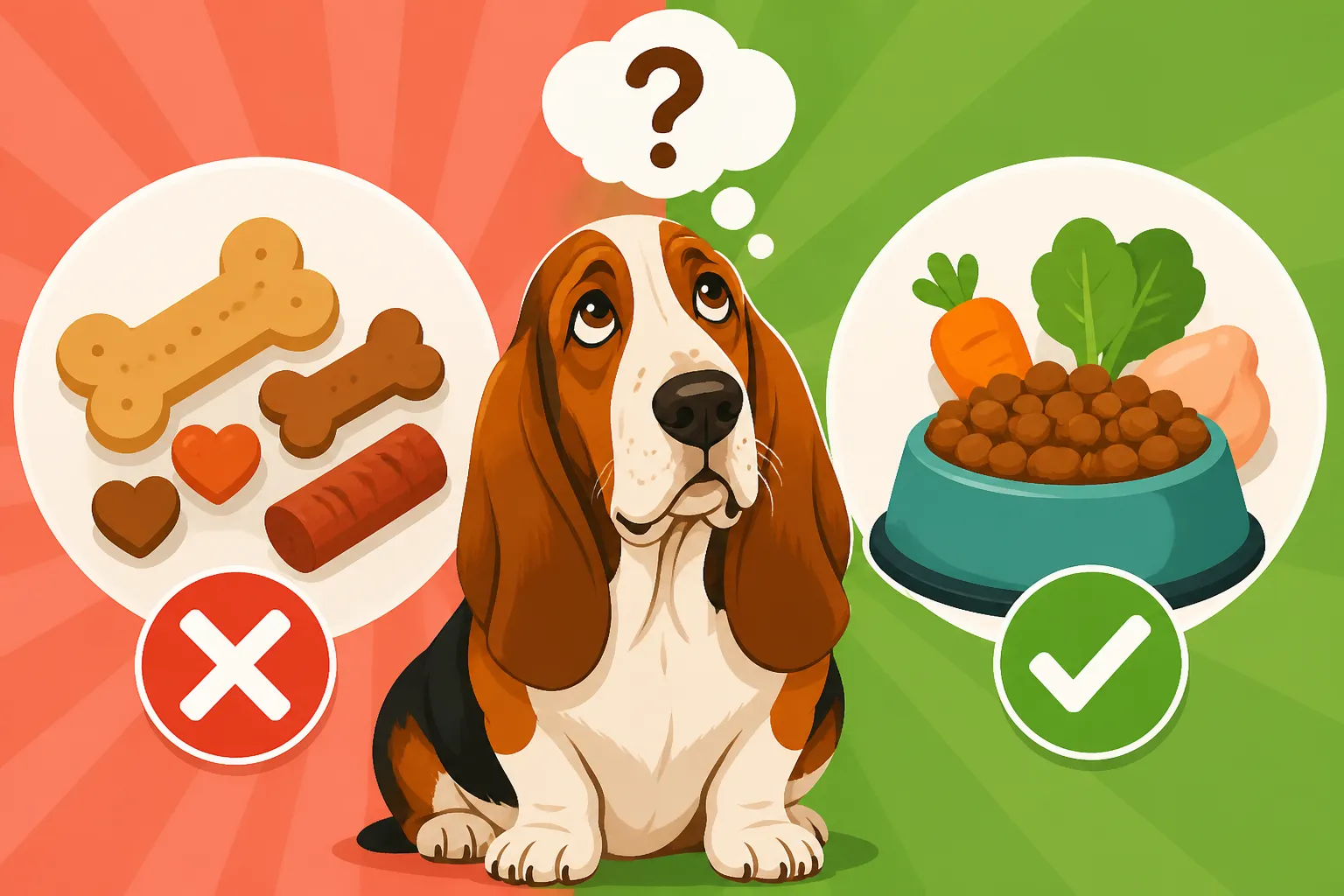
This is perhaps the most straightforward and effective strategy: treats are not "extra," they are part of the daily ration. If you plan to give your Basset Hound treats, you need to reduce their main meal portion proportionally. Let's say your vet determines your Basset needs 1000 calories a day, and you know their kibble provides 350 calories per cup. If you give them treats that amount to 100 calories, then you would feed them slightly less kibble to compensate. This approach requires a bit more effort in tracking, but it’s invaluable for maintaining a healthy weight.
You can measure out your Basset's entire daily kibble ration in the morning and then pull small amounts from that bowl throughout the day for training or rewards. This ensures you never exceed their caloric limit. For those who opt for fresh food diets, like those offered by companies such as Ollie, calorie counts are often very precise, making it easier to adjust portions. Many owners find this method helps them feel less guilty about giving treats, as they know it's already accounted for. It also educates everyone in the household on the importance of portion control, preventing the scenario where multiple people inadvertently overfeed the same dog.
Smart Treat Choices and Alternatives
Beyond simply reducing the quantity, the quality and type of treat you offer make a huge difference. Not all treats are created equal!
Here’s a breakdown of smart choices and alternatives:
- Low-Calorie Commercial Treats: Look for treats specifically labeled as low-calorie or weight-management. Read the nutritional information carefully. Brands available on sites like Chewy or Amazon often list calorie counts per treat, which is incredibly helpful.
- Healthy Human Foods: Many fruits and vegetables make fantastic, low-calorie treats. Think baby carrots, green beans, apple slices (without seeds), cucumber, or even small pieces of cooked sweet potato. Just be sure to research what human foods are safe for dogs.
- Puzzle Toys and Kongs: These aren't treats in themselves, but they make a small amount of kibble or a dollop of peanut butter (use sparingly!) last much longer, providing mental stimulation without a caloric overload. Freeze a Kong stuffed with a tiny bit of pumpkin puree or plain yogurt for a long-lasting, low-calorie distraction.
- Ice Cubes: For Basset Hounds who love to chew or are prone to overheating, a plain ice cube can be a refreshing, calorie-free "treat."
- Dental Chews: While some dental chews can be high in calories, others are designed to be lower. Factor these into the daily caloric intake, but consider their dual benefit for oral health. Remember, even with dental chews, regular dental care, including professional Dental Cleaning Costs on a Basset Hound, is essential.
Table: Smart Treat Incorporation Guidelines
| Treat Type | Caloric Impact | Best Practice | Benefits | Considerations |
|---|---|---|---|---|
| Commercial Dog Biscuits | High | Reduce main meal portion significantly. | Palatable, easy to carry. | Read labels carefully; can be calorie-dense. |
| Low-Calorie Dog Treats | Low-Moderate | Account for in daily ration. | Still feels like a "dog treat." | Still need to measure; look for specific calorie counts. |
| Fresh Fruits/Veggies | Very Low | Excellent substitutes, minimal adjustment needed. | Nutritious, hydrating. | Research dog-safe options (e.g., no grapes, onions). |
| Dental Chews | Moderate | Factor into daily calories; use as directed. | Supports oral health. | Some are high in calories; not a substitute for vet dental care. |
| Kibble as Treats | Accounted For | Use from daily measured portion. | No extra calories, reinforces meal plan. | Less exciting for some dogs. |
| Frozen Kongs/Puzzle Toys | Varies | Use low-cal fillings (pumpkin, yogurt, tiny peanut butter). | Mental enrichment, slows eating. | Can be messy; some fillings are high-cal. |
By being intentional about what you offer and how much, you can still shower your Basset Hound with affection without sabotaging their health goals.
The Impact of Treats on Overall Basset Hound Health
It's easy to dismiss treats as a minor component of a Basset Hound's diet, but their cumulative effect can be profound. From stressing their unique skeletal structure to impacting their oral health, the way we manage treats echoes throughout their entire well-being.
The Link Between Treats, Weight Gain, and Joint Issues
This is where the rubber meets the road, or rather, where the extra weight meets those precious, bowed Basset Hound legs. Basset Hounds are chondrodystrophic, meaning they have a genetic condition that results in their characteristic short legs and long backs. This build, while endearing, makes them incredibly susceptible to joint problems and back issues. Carrying even a few extra pounds dramatically exacerbates this risk. What Extra Weight Does to a Basset Hound is not just about aesthetics; it puts immense strain on their elbows, hips, and especially their delicate spines. Conditions like intervertebral disc disease (IVDD) are tragically common, and excess weight significantly increases the severity and frequency of flare-ups.
When treats aren't accounted for in their daily calorie count, weight gain is almost inevitable. It’s hard enough Getting Weight Off a Basset Hound That Will Not Exercise once they've piled on the pounds, and the consequences for their quality of life can be devastating. An overweight Basset Hound might struggle to get up, be less willing to go on walks, and generally experience more pain. This often leads to a vicious cycle where decreased activity further contributes to weight gain. By strictly controlling treats and making them part of the overall ration, you're not just preventing obesity; you're actively protecting their joints and spine, ensuring they can enjoy more comfortable years of sniffing, waddling, and napping. Owners sometimes ask Whether a Basset Hound Is Fat or Just Built That Way, but feeling for ribs and observing body shape are key indicators, regardless of their stocky appearance.
Dental Health and Treat Selection
Beyond weight, the treats you choose can also significantly impact your Basset Hound's dental health. Many popular treats, while tasty, are high in sugars and carbohydrates that can cling to teeth and contribute to plaque and tartar buildup. This is especially true for softer, chewier treats that don't offer much in the way of abrasive cleaning action. As a result, Basset Hounds can suffer from dental disease, which can lead to bad breath, painful infections, and even systemic health problems if bacteria from the mouth enter the bloodstream.
However, treats can also be a part of a good dental hygiene routine. Harder, crunchy treats and specific dental chews (always look for vet-approved options) can help scrape away plaque. Just remember, these still contribute to their daily calories and should be factored in. For example, some owners find Benebone or Nylabone products, widely available through retailers like Amazon, provide a great chewing outlet without adding calories. While these aren't food, they satisfy the urge to chew. It's crucial to understand that even the best dental treats are not a substitute for regular teeth brushing and professional dental cleanings by your veterinarian. Making smart treat choices can either exacerbate dental problems or become a minor ally in the fight for a healthy mouth.
Ultimately, deciding Whether Treats Should Come Out of a Basset Hound's Ration boils down to a resounding "yes." Every calorie counts, and for a breed with specific structural vulnerabilities like the Basset Hound, responsible treat management is not just an option—it's a necessity for a long, healthy, and comfortable life.
Disclaimer
This article is for general informational purposes only and does not constitute professional advice. Laws, prices and regulations vary by location and change over time. Consult a qualified professional for guidance on your specific situation.