Whether a Basset Hound Should Have an Orthopedic Bed
One of the biggest heartaches for a Basset Hound owner is seeing their beloved companion struggle with discomfort, especially as they get older or if they're prone to the joint and back issues our long, low friends often face. It makes you wonder if that plush, soft bed they adore is actually doing them any favors. This guide will dive deep into whether an orthopedic bed is just a nice-to-have or an absolute necessity for your Basset Hound, helping you understand their unique needs and how the right bedding can make a world of difference.
The Unique Anatomical Needs of a Basset Hound's Body
Let's be real, a Basset Hound's physique is utterly charming but also a bit of a marvel, isn't it? Those famously short legs, that incredibly long back, and their substantial body weight all contribute to a magnificent, low-slung profile that's instantly recognizable. But this distinctive build, while part of their breed standard and undeniable appeal, also comes with its own set of challenges when it comes to supporting their bodies and maintaining comfort. Their structure isn't just about looks; it dictates their needs for rest and recuperation, especially from the daily stresses of gravity and movement.
The Strain on Their Long Backs and Short Legs
Imagine carrying a hefty load while having a spine that's significantly longer than average, supported by legs that are disproportionately short. That's a bit like what a Basset Hound experiences every single day. Their elongated vertebral column is simply not designed for high-impact activities or sudden movements, which is why we often talk about The Back Trouble a Basset Hound Is Built Into. This unique spinal architecture makes them particularly susceptible to disc problems, like intervertebral disc disease (IVDD), where the cushioning discs between the vertebrae can bulge or rupture, causing pain, nerve damage, or even paralysis.
Beyond their backs, those stout, short legs, while powerful, also bear the full brunt of their body weight. The joints in their elbows, shoulders, hips, and knees are constantly under pressure. While not as prone to hip dysplasia as some larger breeds, they can certainly experience it, along with elbow dysplasia. These conditions cause discomfort and inflammation in the joints, leading to stiffness, lameness, and reduced mobility over time. A traditional, soft, unstructured bed might feel nice for a moment, but it provides no real support, allowing their heavy bodies to sink and put further strain on already vulnerable areas.
How Their Weight Distribution Affects Joint Health
Basset Hounds are deceptively heavy for their height. A lean adult Basset can weigh anywhere from 40 to 60 pounds, and sometimes more, concentrated low to the ground. This density means that every pound puts a significant amount of stress on their joints, particularly those in their legs and spine. When they lie down on a non-supportive surface, their body weight isn't distributed evenly. Instead, it creates pressure points on their hips, shoulders, and elbows, areas where bones are close to the surface. This continuous pressure can exacerbate existing joint issues, lead to inflammation, and cause discomfort that prevents deep, restorative sleep.
Moreover, if a Basset Hound is even a little overweight, which is a common battle for many owners, this problem is compounded significantly. What Extra Weight Does to a Basset Hound is more than just an aesthetic concern; it dramatically increases the load on their joints and spine, accelerating the onset and severity of conditions like arthritis. A supportive bed becomes even more crucial in these cases, as it helps to cradle their body, reducing direct impact on sore joints and helping them to rest more comfortably, even if they're carrying a few extra pounds.
The Impact of Aging on a Basset Hound's Mobility
As our Basset Hounds gracefully (or sometimes not-so-gracefully) enter their senior years, the wear and tear on their unique bodies really starts to show. Just like us, older dogs often develop Arthritis in a Basset Hound at Seven or later, leading to chronic pain and stiffness. Getting up from a lying position, navigating stairs, or even just shifting weight can become challenging, leading to those heartbreaking moments when you see The Old Basset Hound That Cannot Get Off the Floor. Their muscles might weaken, their joints become less flexible, and their overall energy levels decrease.
At this stage, an inappropriate sleeping surface can turn a minor inconvenience into a major source of pain and anxiety. A thin blanket on a hard floor or a flimsy cushion simply won't do. Senior Bassets need a bed that offers firm, consistent support to help them maintain their natural alignment, ease pressure on arthritic joints, and provide the leverage needed to stand up without undue strain. It's about providing comfort, yes, but also about supporting their dignity and helping them maintain as much independence and quality of life as possible as they age. Caring for an Old Basset Hound That Cannot Rise often starts with providing the right foundational support for their rest.
Understanding What "Orthopedic" Really Means for Dog Beds
The term "orthopedic" gets thrown around a lot in pet product marketing, and it can be confusing. Is every foam bed orthopedic? Not quite. For a dog bed to genuinely earn that label, it needs to be designed with specific features that address skeletal and muscular support, much like an orthopedic mattress for humans. It's about more than just softness; it's about structured support that aligns the body and relieves pressure.
Key Materials and Construction for Support
A truly orthopedic dog bed for a Basset Hound will typically feature high-quality, dense foam as its primary material. The most common and effective type is memory foam. But not all memory foam is created equal. You want high-density, often medical-grade, memory foam that responds to your dog's body heat and contours precisely to their shape, providing customized support. This means that instead of sinking straight through to the floor or getting an uneven surface, their weight is distributed across the entire bed, cradling their joints and spine.
Beneath the memory foam layer, you'll often find a base layer of firm, supportive foam. This foundational layer is crucial because it prevents the bed from flattening out over time and ensures that the memory foam has something substantial to push against. Think of it like a quality mattress for yourself – there's a supportive core beneath the comfort layers. Without this firm base, the memory foam alone might not provide adequate lift and could still allow a heavy Basset to sink too much, defeating the purpose. The combined effect of these layers is what creates true orthopedic support.
Beyond Just Memory Foam: What Else to Look For
While memory foam is often the star, a great orthopedic bed offers more. Some beds incorporate gel-infused memory foam to help regulate temperature, which can be a real blessing for Bassets who might run a little warm. Another important consideration is the cover material. It should be durable, easily removable, and machine washable. Basset Hounds are prone to drooling, shed a fair bit, and can get a little messy, so being able to keep their bed clean and hygienic is paramount. Look for covers made from robust fabrics that can withstand chewing (if your Basset is still a chewer) and frequent washing without falling apart.
Beyond the core materials, consider the overall design. Some orthopedic beds come with bolsters or raised edges. For a Basset, these can be fantastic as they provide a comfortable headrest, supporting their heavy heads and long ears, and a sense of security. They also offer a place to lean against, which can be comforting for dogs with joint pain as it helps them brace themselves when shifting position. A non-skid bottom is also a small but mighty feature, preventing the bed from sliding around on hard floors when your Basset tries to get up, which can be particularly helpful for Whether an Old Basset Hound Struggles to Stand.
Distinguishing True Orthopedic Support from Marketing Hype
It's easy to get fooled by flashy marketing that slaps "orthopedic" on any soft dog bed. How do you tell the difference? First, check the foam density and type. If it just says "foam" or "egg-crate foam," it might not offer sufficient support for a Basset Hound's specific needs. Egg-crate foam, while comfortable, often lacks the density to prevent heavier dogs from sinking through it. True orthopedic beds will usually specify high-density memory foam or medical-grade foam in their descriptions.
Second, read reviews carefully, especially from other Basset Hound owners or owners of similar heavy, long-backed breeds. Do people mention that their dog sinks right through, or do they rave about the lasting support? Does the bed maintain its shape over time, or does it quickly develop indentations? A flimsy bed that quickly flattens out isn't providing any real orthopedic benefit.
Finally, consider the thickness. While thickness isn't the only factor, a good orthopedic bed usually has a substantial profile, often 4 inches or more, to accommodate the depth needed for proper support and cushioning. Beds that are too thin, even if they claim to be memory foam, won't provide adequate lift from a hard floor. When you're looking at options on sites like Chewy or Amazon, try to find product descriptions that detail the layers of foam and their density, not just the overall softness.
The Tangible Benefits of an Orthopedic Bed for Your Basset Hound
So, why go through the trouble and often the expense of getting a proper orthopedic bed? For a Basset Hound, it's not just about luxury; it's about a fundamental aspect of their health and well-being. The benefits extend from daily comfort to long-term health management, directly addressing the vulnerabilities inherent in their unique conformation.
Alleviating Pain and Pressure Points
The most immediate and noticeable benefit of an orthopedic bed is its ability to relieve pain and pressure points. Imagine your Basset Hound, with its heavy body and prominent joints, lying on a hard floor or a lumpy, worn-out cushion. Their hips, elbows, and shoulders would bear the brunt of their weight, causing discomfort and potentially worsening any existing inflammation or arthritis.
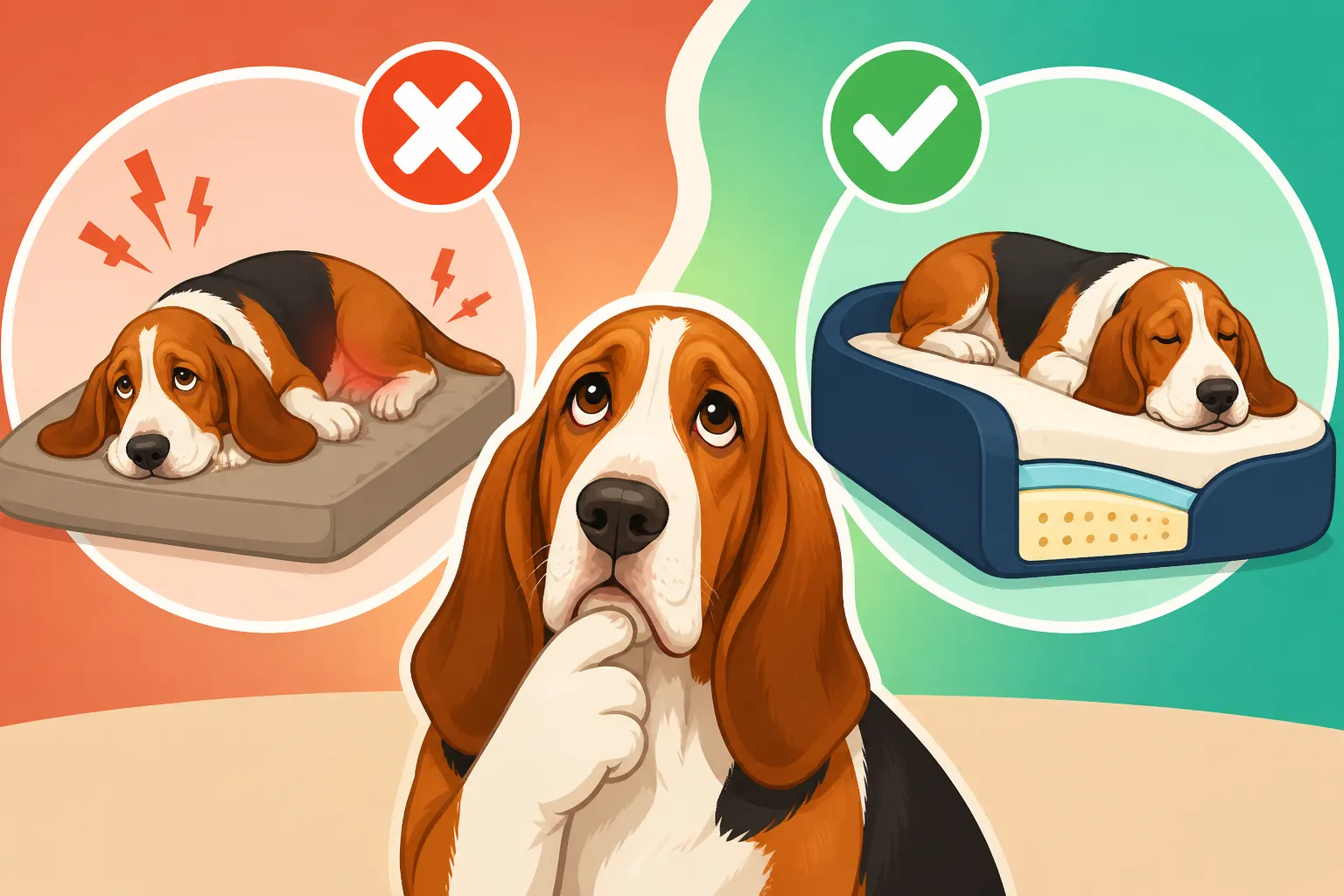
A high-quality orthopedic bed, with its contouring memory foam, evenly distributes your Basset's weight across the entire surface. This cradling effect eliminates those harsh pressure points, allowing blood flow to circulate freely and reducing the strain on painful joints. It means that when they lie down, they're not just getting off their feet, they're truly resting in a way that supports their body's natural alignment. For a dog with Intervertebral Disc Disease in a Basset Hound, this proper alignment is absolutely critical in minimizing discomfort and protecting their spine. The difference in their ability to relax and sleep soundly on a supportive surface compared to an unsupportive one can be profound.
Promoting Better Sleep and Overall Comfort
We all know how vital a good night's sleep is, and it's no different for our canine companions. A dog in pain or discomfort will often toss and turn, struggle to find a comfortable position, or wake up frequently. This disrupted sleep not only leaves them feeling groggy but also hinders their body's natural healing processes. An orthopedic bed encourages deeper, more restorative sleep by providing a consistently comfortable and supportive surface.
When a Basset Hound can truly relax, their muscles can unwind, their joints are cushioned, and their nervous system can calm down. This leads to them waking up feeling more refreshed, less stiff, and generally happier. Better sleep translates to better overall comfort, which can improve their mood, their willingness to engage in gentle exercise, and their quality of life. Think of it as investing in their daily well-being, reducing their stress, and giving them the comfortable haven they deserve after a long day of sniffing around.
Investing in Long-Term Joint Health and Mobility
While an orthopedic bed provides immediate comfort, its impact on long-term health is perhaps its most valuable contribution. By consistently supporting your Basset Hound's joints and spine, you're actively working to slow the progression of age-related conditions like arthritis and potentially reducing the severity of issues related to their unique build. It's a proactive measure against future problems.
For puppies, a good orthopedic bed, though maybe not strictly necessary for "orthopedic" needs right away, can still promote healthy development by ensuring their growing bodies are always supported correctly. For adult Bassets, it helps maintain their current joint health, especially if they are active or prone to gaining weight. And for senior Bassets, it's an indispensable tool in managing pain, preserving mobility, and extending their comfortable years. Just as Whether a Basset Hound Should Use a Ramp can protect their backs from jumping, a proper bed protects their body during rest. It's an investment in their longevity, helping them stay active and enjoying life for as long as possible.
Choosing the Best Orthopedic Bed for Your Basset Hound
Selecting the perfect orthopedic bed for your Basset Hound isn't just about picking the prettiest one. It requires careful consideration of several factors to ensure it truly meets their unique needs and provides the support they deserve. With so many options out there, knowing what to look for can feel a little overwhelming, but let's break it down.
Sizing and Support: Finding the Perfect Fit
This might sound obvious, but the size of the bed is critical. A Basset Hound needs a bed large enough for them to stretch out fully in any position – not curled up tight, but truly sprawling. Remember that long body! Measure your Basset from nose to tail while they're lying in their most common relaxed position, and add several inches to that measurement for both length and width. A bed that's too small will force them into uncomfortable positions, negating the benefits of orthopedic support.
Beyond the physical dimensions, consider the thickness and density of the foam. For a Basset's weight, you generally want at least 4-6 inches of high-density, good-quality memory foam. Thinner beds might seem more affordable, but if your Basset sinks through them to the hard floor, you've wasted your money. The density rating (often measured in pounds per cubic foot) can give you a clue about how supportive the foam will be, though not all manufacturers readily provide this. A firmer feel is usually better for joint support than a squishy, overly soft one. Some specialized brands focus on overall pet wellness, which often extends to comfortable and supportive bedding, similar to how Ollie promotes health through diet.
Durability, Washability, and Practical Considerations
Let's face it, Basset Hounds are not always the tidiest creatures. Between shedding, drooling, and occasionally tracking in mud with those glorious long ears, their bed needs to be easy to clean. Look for beds with removable, machine-washable covers. Ideally, the cover material itself should be durable, resistant to tearing, and perhaps even water-resistant or waterproof, especially for older Bassets who might have occasional accidents.
Consider the bed's overall durability. Is the foam likely to sag quickly, or is it designed for longevity? Investing in a higher-quality bed upfront can save you money in the long run by not having to replace it every year. Another practical point: if your Basset is a chewer, you'll need an extra-durable cover or a design that minimizes exposed zippers and edges.
Finally, think about where the bed will live. Will it fit in your desired space? Does its aesthetic blend with your home decor? While less crucial than support, these factors contribute to overall satisfaction. And remember, What a Bed That Suits a Basset Hound Costs can vary greatly, so balance quality with your budget.
Exploring Options: From Budget-Friendly to Premium Brands
The market for orthopedic dog beds is vast, ranging from more accessible options to high-end, luxury models. You can find a wide selection of orthopedic beds from various brands on large online retailers like Chewy and Amazon, which offer many choices across different price points and features.
- Mid-Range Options: Many brands offer solid orthopedic beds in the mid-range. These typically feature good quality memory foam and durable, washable covers. They're a great starting point for most Basset owners, offering significant improvement over standard beds without breaking the bank. Always check reviews specifically mentioning heavier breeds or long-backed dogs to ensure the foam holds up.
- Premium Choices: At the higher end, you'll find beds with advanced features: multi-layer foam construction, gel-infused foam for cooling, waterproof liners beneath the cover, and exceptionally robust, furniture-grade fabrics. These beds are often designed for maximum durability and comfort, making them an excellent investment for Basset Hounds with significant joint issues or for owners looking for the best possible support and longevity. Brands known for their premium pet products often also consider orthopedic needs in their offerings, similar to the health-conscious approach of brands like Ollie in nutrition.
- Custom or Specialty Beds: For Basset Hounds with very specific needs, such as post-surgery recovery or severe mobility issues, you might even consider specialty brands that offer customizable options or particularly robust medical-grade foam.
When making your choice, always weigh the cost against the long-term benefits for your Basset Hound. A truly good orthopedic bed is not just a place for them to sleep; it's a vital piece of their health management, helping them stay comfortable and mobile for years to come.
| Feature | Standard Dog Bed (Typical) | Orthopedic Dog Bed (Good Quality) | Benefits for Basset Hounds |
|---|---|---|---|
| Core Material | Polyester fiberfill, basic foam | High-density memory foam, support foam | Cradles heavy bodies, prevents sinking, supports long spines. |
| Support | Minimal, quickly flattens | Firm, contouring, pressure-relieving | Reduces strain on hips, elbows, and IVDD-prone backs. |
| Durability | Can sag quickly | Holds shape for years | Long-term investment, consistent support as they age. |
| Pressure Relief | Poor, creates hot spots | Excellent, disperses weight evenly | Alleviates pain in arthritic joints, improves circulation. |
| Ease of Standing Up | Can be difficult to push off | Provides firm leverage | Easier for seniors or those with mobility issues to rise. |
| Washability | Varies, often spot clean only | Removable, machine-washable cover | Essential for hygiene with drool and shedding. |
| Thickness | 1-3 inches | 4-8 inches | More cushioning and elevation from cold, hard floors. |
Disclaimer
This article is for general informational purposes only and does not constitute professional advice. Laws, prices and regulations vary by location and change over time. Consult a qualified professional for guidance on your specific situation.