The Ten to Twelve Years a Basset Hound Lives
It's heartbreaking to consider that our beloved Basset Hounds, with their soulful eyes and floppy ears, aren't with us forever. Many of us worry about how long we'll have with these incredible dogs, especially when we see their unique physical traits and hear about their breed-specific health challenges. This guide is here to walk you through the typical lifespan of a Basset Hound, delving into the factors that influence their longevity, how to mitigate common health risks, and what you can do to ensure your cherished companion lives the fullest, happiest life possible.
Understanding the Basset Hound's Typical Lifespan
When you bring a Basset Hound into your life, you're signing up for years of snuffles, cuddles, and an unwavering devotion that's truly special. But naturally, one of the first questions on every owner's mind is, "How long will I have with them?" It’s a realistic concern, given the breed’s distinctive conformation and predisposition to certain health issues.
The Average Expectations for the Breed
On average, a Basset Hound typically lives between 10 to 12 years. This range is a generally accepted benchmark in the veterinary community and among long-time Basset owners. Of course, this is just an average, and individual dogs can certainly live shorter or longer lives depending on a myriad of factors. You might hear stories of Bassets reaching 13 or 14 years old, and those are truly blessed exceptions, a testament to excellent care and a bit of genetic luck. However, it's prudent to prepare for the lower end of that scale, especially as health issues can sometimes emerge as they age.
For many Basset owners, the prospect of having a decade or more with their hound is wonderful, but it also means understanding the commitment involved in managing their unique needs over that period. It's not just about getting through puppyhood; it's about providing consistent, high-quality care well into their senior years. This average takes into account the cumulative effect of their build and breed predispositions, which we'll explore in more detail.
Factors Influencing Lifespan Estimates
A Basset Hound's lifespan isn't just a number plucked out of thin air; it's a complex equation influenced by genetics, diet, lifestyle, and the quality of veterinary care they receive. Think of it like this: a Basset with impeccable genetics from a responsible breeder, fed a balanced diet, kept at a healthy weight, and receiving regular preventative care is naturally going to have a better shot at reaching the higher end of that 10-12 year spectrum. Conversely, a Basset with unchecked genetic conditions, a poor diet, obesity, or delayed medical attention might see their time with you significantly shortened.
One major factor is whether a Basset Hound is spayed or neutered. Studies generally suggest that sterilized dogs tend to live longer, likely due to a reduced risk of certain cancers and behavioral issues that can lead to accidents. Early intervention for common breed ailments, such as diligent ear cleaning to prevent The Ear Infections That Never Really Leave a Basset Hound, can also prevent more severe, systemic problems that could impact overall health and longevity. Every decision you make, from the food you choose to the vet appointments you keep, plays a role in the chapters of your Basset’s life story.
Comparing to Other Breeds
When we look at the canine world, a 10 to 12-year lifespan places Basset Hounds squarely in the mid-range. Larger dog breeds, such as Great Danes or Mastiffs, often have shorter lifespans, sometimes only 6-8 years, due to their rapid growth and higher incidence of certain large-breed health issues. Smaller breeds, like Chihuahuas or Yorkshire Terriers, can frequently live into their mid-teens, sometimes even hitting 18 or 19 years old.
The Basset Hound’s unique achondroplastic (dwarfism) build, while endearing, contributes to certain breed-specific challenges that are less common in other dog types. This means that while they aren't as short-lived as some giant breeds, they do face a distinct set of health hurdles that owners need to be proactive about. Their dense bone structure and relatively long bodies compared to their short legs are a testament to their hunting heritage, but these traits also come with potential vulnerabilities. Understanding where they fit in the broader spectrum helps us appreciate the importance of breed-specific care.
Common Health Challenges That Impact Longevity
Basset Hounds are wonderful companions, but their distinctive appearance comes with a predisposition to certain health issues that can, if left unmanaged, significantly impact their quality of life and lifespan. Being aware of these challenges is the first step in proactive care.
Orthopedic Issues and Their Long-Term Effects
The Basset Hound's iconic short legs and long back are the result of a form of dwarfism called achondroplasia. While charming, this conformation unfortunately makes them prone to a range of orthopedic problems. Intervertebral Disc Disease (IVDD) is perhaps the most well-known, where the cushioning discs between their vertebrae can rupture or bulge, pressing on the spinal cord. This can lead to excruciating pain, nerve damage, and even paralysis. When not managed quickly and effectively, severe IVDD can drastically reduce a Basset’s mobility and significantly compromise their overall well-being, sometimes necessitating difficult decisions about quality of life.
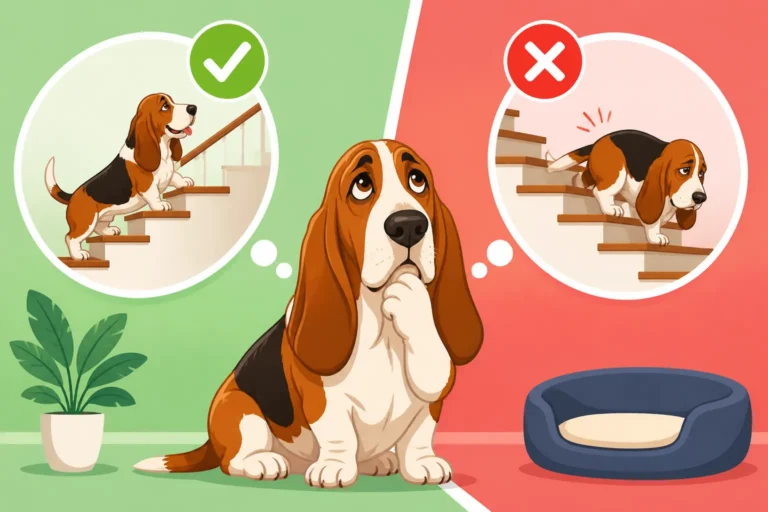
Beyond IVDD, Bassets are also susceptible to elbow and hip dysplasia. You might wonder Why One Basset Hound in Seven Has Bad Elbows, and it's often due to these developmental joint abnormalities. These conditions cause pain, arthritis, and reduced mobility as they age, making simple acts like standing up or climbing stairs a struggle. While these conditions aren't usually fatal on their own, the chronic pain and immobility can lead to a sedentary lifestyle, weight gain, and a diminished enjoyment of life, indirectly impacting longevity by fostering other health problems and reducing overall vitality. Managing these issues often requires careful exercise routines, pain medication, joint supplements, and sometimes surgery, all of which contribute to a better, longer life.
Ear and Skin Infections: More Than Just an Annoyance
Those magnificent, long, droopy ears are a hallmark of the Basset Hound, but they are also a notorious hotspot for chronic ear infections. Their ears hang low, trapping moisture, heat, and dirt, creating a perfect breeding ground for bacteria and yeast. This is why an ear canal that never dries is a common concern. Persistent ear infections aren't just uncomfortable; if left untreated, they can lead to severe pain, hearing loss, and even necessitate costly and invasive total ear canal ablation (TECA) surgery. Chronic inflammation can also cause the ear canal to narrow, making future infections even harder to treat and severely impacting the dog's comfort.
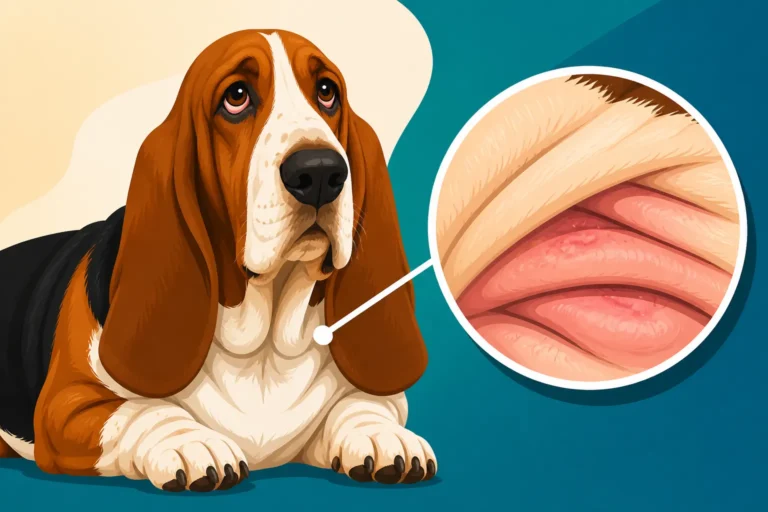
Similarly, the Basset's lovely loose skin and facial folds, while giving them that endearing, saggy look, are also prone to skin fold dermatitis. Moisture and debris can get trapped in these folds, leading to irritation, bacterial overgrowth, and yeast infections. Issues like The Skin Under a Basset Hound's Folds can become chronic if not meticulously cleaned and dried. While skin and ear infections are rarely life-threatening directly, the chronic pain, itching, and discomfort they cause can severely reduce a Basset’s quality of life. They can also lead to secondary health problems if the dog constantly scratches or rubs, creating open wounds susceptible to more serious infections. Consistent preventative care is key to managing these common Basset ailments.
Eye Conditions and Vision Loss
Basset Hounds have wonderfully expressive eyes, but their unique facial structure can make them prone to several eye conditions. Glaucoma is a significant concern for the breed, particularly primary open-angle glaucoma, which is often inherited. This condition causes increased pressure within the eye, leading to pain and, if untreated, irreversible blindness. The Glaucoma a Basset Hound Inherits can appear relatively early in life and progresses quickly, causing immense distress for the dog and its owner. Regular eye check-ups and early diagnosis are critical, as ongoing treatment is often required to preserve vision and comfort.
Other common eye issues include entropion and ectropion, where the eyelids roll inward or outward, respectively. Entropion causes eyelashes to rub against the cornea, leading to irritation, pain, and potential ulcers, while ectropion exposes the delicate conjunctiva, making it susceptible to dryness and infection. While these can often be corrected surgically, unmanaged cases cause chronic discomfort and can lead to more severe secondary infections or vision impairment. A Basset's "haw" or third eyelid can also sometimes protrude excessively, which, while not always a problem, can sometimes indicate underlying irritation or a condition like "cherry eye," though Bassets are less prone to true cherry eye than some other breeds. Good eye health isn't just about comfort; it's about preserving their ability to navigate their world safely and happily for their entire lives.
The Role of Genetics and Responsible Breeding
When you're welcoming a Basset Hound into your family, you're not just adopting a cute puppy; you're taking on a living being whose future health is deeply intertwined with its genetic heritage. Understanding the role of genetics and supporting responsible breeding practices is paramount to ensuring a long, healthy life for your Basset.
Inherited Conditions to Be Aware Of
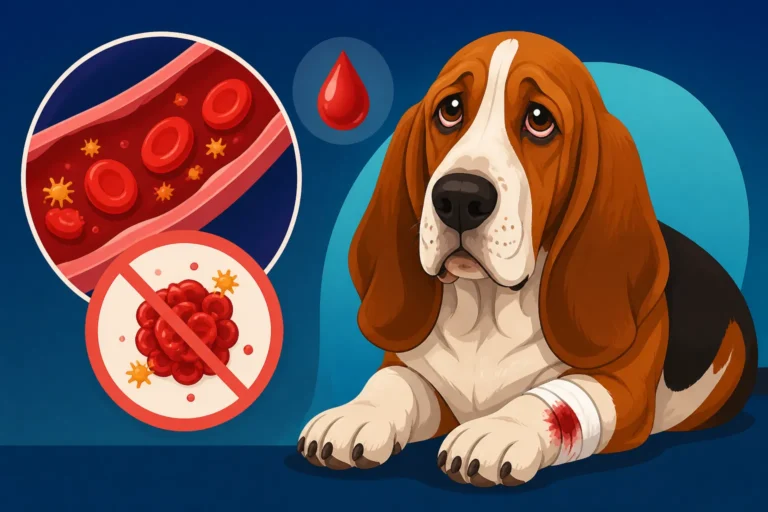
Basset Hounds, like many purebred dogs, have certain health conditions that are more prevalent within the breed due to their genetic makeup. Beyond the orthopedic and eye issues mentioned, Bassets can be predisposed to conditions like bloat (Gastric Dilatation-Volvulus), a life-threatening emergency where the stomach twists. While not strictly genetic, deep-chested breeds like the Basset are at higher risk. You might also hear about Thrombopathia and the Basset Hound That Will Not Clot, a blood clotting disorder that can lead to excessive bleeding, particularly during surgery or after an injury. Knowing about these inherited risks isn't meant to scare you, but to empower you to ask the right questions and be vigilant with preventative care.
Other genetic predispositions include certain heart conditions, although less common than in some other breeds, and a tendency towards hypothyroidism, which can impact metabolism, weight, and coat health. The beautiful loose skin that defines a Basset can also be linked to certain dermatological conditions that run in lines. A responsible owner will be proactive in researching these possibilities and working with their vet to screen for or manage any potential issues that arise throughout their Basset's life.
The Importance of Health Screening
This brings us to the absolute critical importance of health screening in breeding dogs. Reputable breeders are not just breeding for pretty faces; they are actively working to reduce the incidence of inherited diseases in their lines. This involves performing specific health tests on the parent dogs before breeding. For Basset Hounds, this typically includes hip and elbow evaluations through organizations like the Orthopedic Foundation for Animals (OFA) to screen for dysplasia. Eye examinations, usually performed by a board-certified veterinary ophthalmologist, are also crucial to screen for conditions like glaucoma and other hereditary eye diseases.
For specific concerns like thrombopathia, genetic testing is available to identify carriers or affected dogs. A breeder who proudly shares these health clearances, explaining what they mean and how they contribute to the health of their puppies, is a breeder worth waiting for. These screenings aren't guarantees that a puppy will never develop a health issue – genetics are complex – but they significantly stack the odds in favor of a healthier, longer-lived dog. It shows a commitment not just to the breed standard, but to the future welfare of every puppy they bring into the world.
Choosing a Reputable Breeder
Finding a responsible, ethical breeder is arguably the single most important decision you'll make when bringing a Basset Hound into your home, impacting not only their lifespan but also their temperament and overall well-being. A reputable breeder will do far more than just "sell" you a puppy; they will act as a lifelong resource and support system. They are knowledgeable about the breed's history, health concerns, and temperamental traits. They prioritize the health and temperament of their dogs above all else.
These breeders will openly discuss health clearances, allow you to meet the parent dogs (at least the mother), and show you where the puppies are raised. They will ask you many questions, as they are looking for the best homes for their puppies, demonstrating that they care deeply about the puppies' future. They will also provide a written contract, often including a health guarantee. Beware of breeders who rush the process, don't ask questions about your home environment, don't offer health clearances, or have multiple litters available at once. While it might mean a longer wait and a higher initial cost, investing in a puppy from a reputable breeder is an investment in a healthier, happier, and potentially longer-lived Basset Hound. This decision can truly be the foundation for a good, long life with your future companion.
Lifestyle Choices for a Longer, Healthier Life
Once you've brought your Basset Hound home, their health and longevity are largely in your hands. The daily choices you make regarding their care, from what they eat to how they move, play a monumental role in shaping their future. These aren't just minor details; they are the bedrock of a vibrant, healthy life.
Nutrition and Weight Management
One of the most critical aspects of a Basset Hound's health is their diet and maintaining an ideal weight. Bassets are notoriously food-motivated and can pack on pounds quickly if not managed carefully. Obesity significantly exacerbates many of the breed’s inherent health risks, putting extra strain on their already delicate joints and long backs. An overweight Basset is far more susceptible to IVDD, arthritis, and other orthopedic problems. It also increases the risk of conditions like diabetes and heart disease, and can even contribute to respiratory issues due to their broad chests. You might find yourself wondering What Extra Weight Does to a Basset Hound and the answer is, unfortunately, it can do a lot of harm.
Providing a high-quality, balanced diet appropriate for their age and activity level is essential. This often means carefully portion-controlled meals and limiting treats, especially high-calorie ones. If your Basset is already a bit pudgy, working with your veterinarian to create a safe and effective weight loss plan is crucial. This isn't just about aesthetics; it's about reducing the immense physical burden on their body and preventing conditions that can prematurely shorten their life or severely diminish its quality. A lean Basset is a healthier Basset, better equipped to enjoy their golden years without the added stress of excess weight.
Appropriate Exercise and Activity Levels
Despite their somewhat languid appearance, Basset Hounds do need regular, appropriate exercise. It's not about being a marathon runner; it's about consistent, moderate activity that keeps their muscles strong and their joints mobile without putting excessive strain on their unique build. Daily walks are fantastic, allowing them to indulge their incredible sense of smell, which is both mentally stimulating and physically beneficial. However, due to their long backs and short legs, activities involving high-impact jumps, excessive stair climbing, or rough play that twists their spine should be avoided. Instead, focus on low-impact activities, such as leisurely strolls in the park or scent games in the backyard.
It's tempting to think a Basset is naturally lazy, and while they love a good nap, consistent movement is vital. Not only does it help maintain a healthy weight, but it strengthens the core muscles that support their spine, reducing the risk of conditions like The Back Trouble a Basset Hound Is Built Into. Remember, a Basset Hound is built for endurance, not speed, when following a scent trail. Adapting their exercise routine as they age is also important; senior Bassets might need shorter, more frequent outings. Keeping them active and engaged is key to both their physical health and their mental well-being, fostering a longer, more joyful life.
Preventative Veterinary Care
Regular veterinary check-ups are non-negotiable for a Basset Hound throughout their entire life. Preventative care is often the best defense against serious health issues and can catch problems early when they are most treatable. This includes annual wellness exams, vaccinations, parasite control (fleas, ticks, heartworm), and routine blood work, especially as they enter their senior years. Your vet can monitor their weight, assess their joint health, check their ears and eyes, and address any subtle changes that might indicate an emerging problem.
Beyond general check-ups, breed-specific preventative care is vital. For Basset Hounds, this means being particularly diligent about ear care, as their long, heavy ears are prone to infections. Regular cleaning at home, as advised by your vet, can make a huge difference. Regular dental care is also crucial; dental disease can lead to painful infections and even impact heart health. Discussing preventative strategies with your vet, such as joint supplements or specific dietary recommendations, can provide an additional layer of protection. Many proactive owners also consider pet insurance plans, like those offered by Healthy Paws, to help manage the costs of both routine and unexpected veterinary care, ensuring their Basset receives the best treatment without financial strain. By staying on top of preventative care, you're investing directly in your Basset's long-term health and happiness.
Recognizing the Signs of Aging and Senior Care
As our Basset Hounds gracefully enter their golden years, typically around age seven for a Basset, their needs begin to change. It's a natural part of life, and understanding these changes and adapting your care can significantly enhance their comfort and quality of life during their senior years.
Physical Changes in an Older Basset Hound
Just like people, Basset Hounds show various signs of aging. You might notice their muzzle starting to grey, their gait becoming a little slower, or their once boundless energy replaced by longer, more frequent naps. Muscle mass often decreases, and they may struggle with mobility, finding it harder to jump onto furniture or navigate stairs. This is where you might start to see The Old Basset Hound That Cannot Get Off the Floor, a heartbreaking but common reality. Arthritis and joint stiffness are prevalent in older Bassets, making movement painful and reluctant. Their senses might also dull; hearing loss and vision impairment can become noticeable, making them more easily startled or confused.
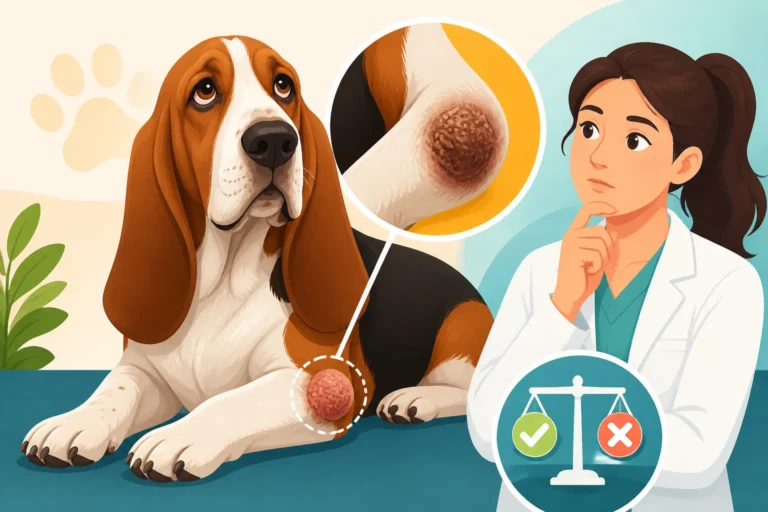
Their skin and coat might also change, becoming drier or thinner, and they might develop benign fatty lumps (lipomas). It's crucial to distinguish between normal aging and signs of pain or illness. While some slowing down is expected, sudden changes in appetite, increased panting, excessive drinking, or noticeable pain should always prompt a vet visit. Regular senior check-ups, often twice a year, become even more important to monitor organ function, manage arthritis pain, and catch any age-related diseases early. Embracing these changes with patience and a proactive approach ensures their comfort.
Adapting Your Home for an Aging Friend
To make life easier and safer for your senior Basset, adapting your home environment is a compassionate and practical step. If climbing stairs becomes difficult or painful, consider blocking access to stairs or investing in a dog ramp. Similarly, ramps or pet steps can help them get onto and off furniture safely, preventing painful jumps that could injure their spine or joints. Non-slip rugs or runners on slippery floors can provide much-needed traction, reducing the risk of falls and making it easier for them to stand up and walk around.
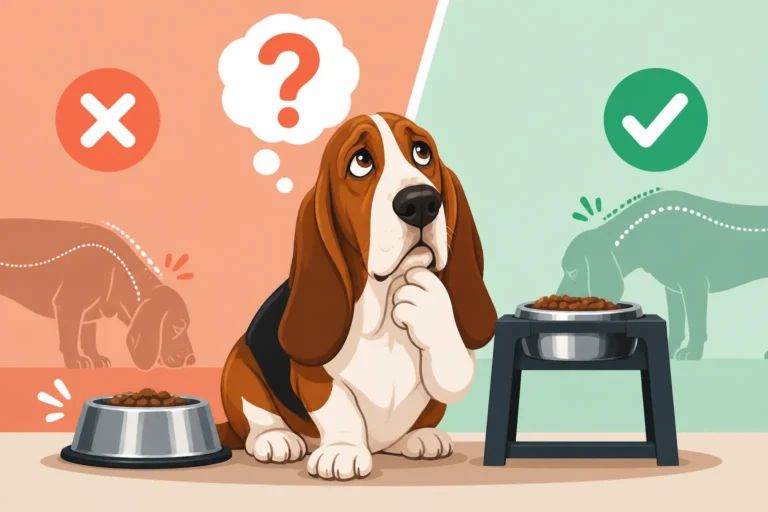
Comfort is key for an older Basset. Provide orthopedic beds that support their joints and help alleviate pressure points. Ensure their food and water bowls are easily accessible, perhaps in a raised feeder if bending down becomes difficult. If their vision or hearing is declining, try to keep furniture in consistent places to avoid confusion, and approach them gently to avoid startling them. Consider a night light for night-time wanderings. These small adjustments can make a world of difference in their daily comfort and ability to navigate their home independently, allowing them to maintain dignity and enjoy their remaining years to the fullest.
End-of-Life Considerations and Quality of Life
One of the hardest parts of owning a Basset Hound, or any beloved pet, is facing the end of their life. While we all hope for a peaceful passing in their sleep, often we, as owners, have to make difficult decisions regarding their quality of life. This isn't about extending life at all costs, but about ensuring that every day they have is still filled with comfort, joy, and dignity. It's a conversation you might start having with your veterinarian as your Basset's health declines.
Consider what truly defines your Basset's happiness: are they still enjoying their food, engaging with the family, able to move without significant pain, and experiencing more good days than bad? If chronic pain, severe immobility, incontinence, or an inability to enjoy normal activities becomes constant, it's time to have an honest discussion with your vet about palliative care or humane euthanasia. This is an incredibly personal decision, but focusing on their quality of life, not just the quantity, is the greatest act of love we can offer our senior companions. Resources and support are available to help you navigate this challenging time, reminding you that you're not alone in making these heartbreaking choices.
Preparing for the Financial Commitment of a Long-Lived Basset
Owning a Basset Hound is an immense joy, but it’s also a significant financial commitment, especially over a decade or more. Being realistic about the costs involved, from routine care to potential emergencies, is crucial for responsible ownership and ensuring your Basset always receives the care they need. This commitment directly impacts their health and, by extension, their lifespan.
Routine Vet Costs Throughout Their Life
Even a perfectly healthy Basset Hound will incur routine veterinary costs throughout their life. In their puppy year, you'll have initial vaccinations, deworming, microchipping, and their spay or neuter surgery. These initial costs can be substantial. After that, annual wellness exams are essential, typically including booster vaccinations, heartworm and flea/tick prevention, and a general health check. As they age, these routine visits might also include blood work, urinalysis, and potentially more frequent check-ups, especially for senior Bassets, who often benefit from twice-yearly exams to catch age-related issues early.
Don't forget the cost of specialized preventative care specific to Bassets, such as regular ear cleanings, which might involve buying specific cleaning solutions or even professional flushing at the vet if infections are frequent. Dental cleanings under anesthesia are also a common and necessary expense, often recommended every 1-2 years to prevent periodontal disease. These routine expenses, while manageable individually, add up over a 10-12 year lifespan, and budgeting for them is a key part of responsible pet ownership.
Managing Chronic Conditions and Emergencies
Beyond routine care, it's the unexpected or chronic health issues that can truly impact your wallet. Basset Hounds are, unfortunately, prone to a number of conditions that can require expensive long-term management or emergency intervention. Think about the potential costs of treating The Ear Infections That Never Really Leave a Basset Hound, which might involve multiple vet visits, ear cultures, specialized medications, and even surgery if the infection becomes severe. Similarly, if your Basset develops IVDD, the costs can skyrocket, ranging from weeks of conservative management (medication, strict rest) to thousands of dollars for emergency spinal surgery, followed by rehabilitation. You can find more detail on What a Basset Hound's Emergency Surgeries Cost.
Chronic conditions like arthritis or glaucoma require lifelong medication, special diets, and ongoing monitoring, all of which are continuous expenses. Imagine daily eye drops for glaucoma, or monthly injections and pain medication for severe arthritis. These aren't one-time fees; they are ongoing financial commitments that can strain any budget. Preparing for these possibilities, either through savings or pet insurance, is not just wise; it’s a direct investment in your Basset's ability to receive critical care when they need it most, thereby impacting their chances of reaching their full lifespan potential.
Pet Insurance Considerations
Given the potential for high veterinary costs, especially with a breed prone to specific health issues, pet insurance can be an invaluable tool for Basset Hound owners. Many owners find themselves asking Insuring a Basset Hound Against Eyes, Ears and Backs, and it's a valid concern. Pet insurance, like plans from Healthy Paws, can help cushion the financial blow of unexpected accidents, illnesses, and chronic conditions. Instead of having to choose between your dog's health and your savings account, a good policy can provide peace of mind by covering a significant portion of eligible veterinary bills.
When considering pet insurance, it’s crucial to research different providers and plans. Look for policies that offer comprehensive coverage for accidents, illnesses, surgeries, and chronic conditions. Pay close attention to deductibles, reimbursement percentages, and annual limits. Also, be aware of waiting periods and any breed-specific exclusions for pre-existing conditions. For a Basset Hound, it's particularly important to find a policy that covers orthopedic issues, chronic ear infections, and eye conditions. While it's an additional monthly expense, pet insurance can be a literal lifesaver, allowing you to focus on your Basset's recovery rather than the daunting vet bill, ultimately supporting their longevity and well-being.
| Expense Category | Typical Annual Cost Range (USD) | Notes |
|---|---|---|
| Food (High-Quality Kibble) | $400 – $800+ | Varies by brand, diet type (e.g., fresh food costs more), and Basset's size/activity level. |
| Routine Vet Care | $300 – $700 | Annual exams, vaccinations, heartworm/flea prevention. Senior Bassets may have higher routine costs. |
| Ear Cleaning Supplies | $50 – $150 | Ear cleaner, cotton balls, wipes. Does not include vet visits for infections. |
| Dental Care | $200 – $600+ (per cleaning) | Professional dental cleanings under anesthesia, often needed every 1-2 years. |
| Medications/Supplements | $100 – $500+ | Joint supplements, allergy meds, chronic condition meds (e.g., glaucoma drops, pain meds) can vary wildly. |
| Pet Insurance (Premium) | $400 – $800+ | Monthly premiums for comprehensive plans, varies by age, location, and coverage. |
| Grooming (Nail Trims, Baths) | $100 – $300 | If professionally done, or cost of supplies if done at home. |
| Toys & Enrichment | $100 – $200 | Chew toys, puzzle feeders, snuffle mats to keep them mentally stimulated. |
| Estimated Annual Total | $1,650 – $3,950+ | This is a broad estimate and does not include emergency surgeries or unexpected major illness. |
The Emotional Journey of Basset Hound Ownership
Beyond the practicalities of care and the financial commitments, owning a Basset Hound is a profound emotional journey. These dogs burrow their way into our hearts with their unique charm, creating bonds that run deep and last a lifetime. Understanding and cherishing this emotional connection is as important as any physical care, especially when we consider the full span of their lives.
The Deep Bonds We Form
Basset Hounds are known for their gentle, affectionate, and famously tolerant natures. They are excellent family dogs, forming strong attachments with their humans, often displaying a quiet, unwavering loyalty. Their presence in our homes brings an unparalleled sense of comfort and companionship. From greeting us at the door with a wagging tail to snuggling on the couch for an evening nap, their unconditional love enriches our lives in countless ways. They become integral members of the family, sharing in our routines, our joys, and even our quiet moments of reflection.
This deep bond isn't just one-sided; Bassets thrive on connection and affection. They communicate with their soulful gazes, their low, rumbling bays, and their insistent nudges for attention. For many Basset owners, their hound is more than just a pet; they are a confidant, a source of endless amusement, and a furry shadow that makes every day brighter. This profound connection is why the thought of their limited lifespan weighs so heavily on our hearts, as we know the void they will eventually leave behind.
Coping with Loss
Inevitably, the day will come when we must say goodbye to our beloved Basset Hound. Whether it's sudden or after a long illness, the grief of losing a pet is a deeply painful experience, and it's important to acknowledge and allow ourselves to feel it. The pain of loss can be just as intense as losing a human family member, and it's a completely normal and valid reaction. We lose not just a pet, but a constant companion, a unique personality, and a source of unconditional love that has been a part of our daily lives for years.
Coping with this loss often involves allowing yourself to mourn, seeking support from friends, family, or pet bereavement groups, and remembering the wonderful memories you shared. Some people find comfort in creating memorials, planting a tree, or even volunteering at a local shelter in their Basset's honor. It’s also important not to rush into getting another pet before you're truly ready, as each dog is an individual and deserves to be loved for who they are. The process of grieving is unique to everyone, but knowing that the depth of your sorrow reflects the depth of your love can be a small comfort.
Cherishing Every Moment
Ultimately, knowing that our Basset Hounds typically live for ten to twelve years should inspire us to cherish every single moment we have with them. This awareness isn't about dreading the end, but rather about appreciating the present and ensuring their lives are as full and joyful as possible. It encourages us to take that extra walk, offer that extra cuddle, and engage in those silly games that bring them so much happiness. It reminds us to be patient with their stubbornness, to forgive their occasional mischief, and to savor the simple pleasure of their company.
Every day spent with a Basset Hound is a gift. From their goofy antics to their profound loyalty, they teach us about unconditional love, patience, and finding joy in the simple things. By providing them with the best possible care, understanding their unique needs, and showering them with love, we honor the incredible bond we share. While their time with us may feel too short, the paw prints they leave on our hearts are eternal, a testament to the beautiful, slobbery, and utterly unforgettable journey of Basset Hound ownership.
Disclaimer
This guide is intended for informational purposes only and does not constitute professional veterinary advice. Always consult with a qualified veterinarian for any health concerns or before making any decisions about your Basset Hound's medical care or treatment plan. Individual results may vary, and the lifespan of any dog is subject to numerous factors beyond the scope of this general information.